Tag: Gatherings

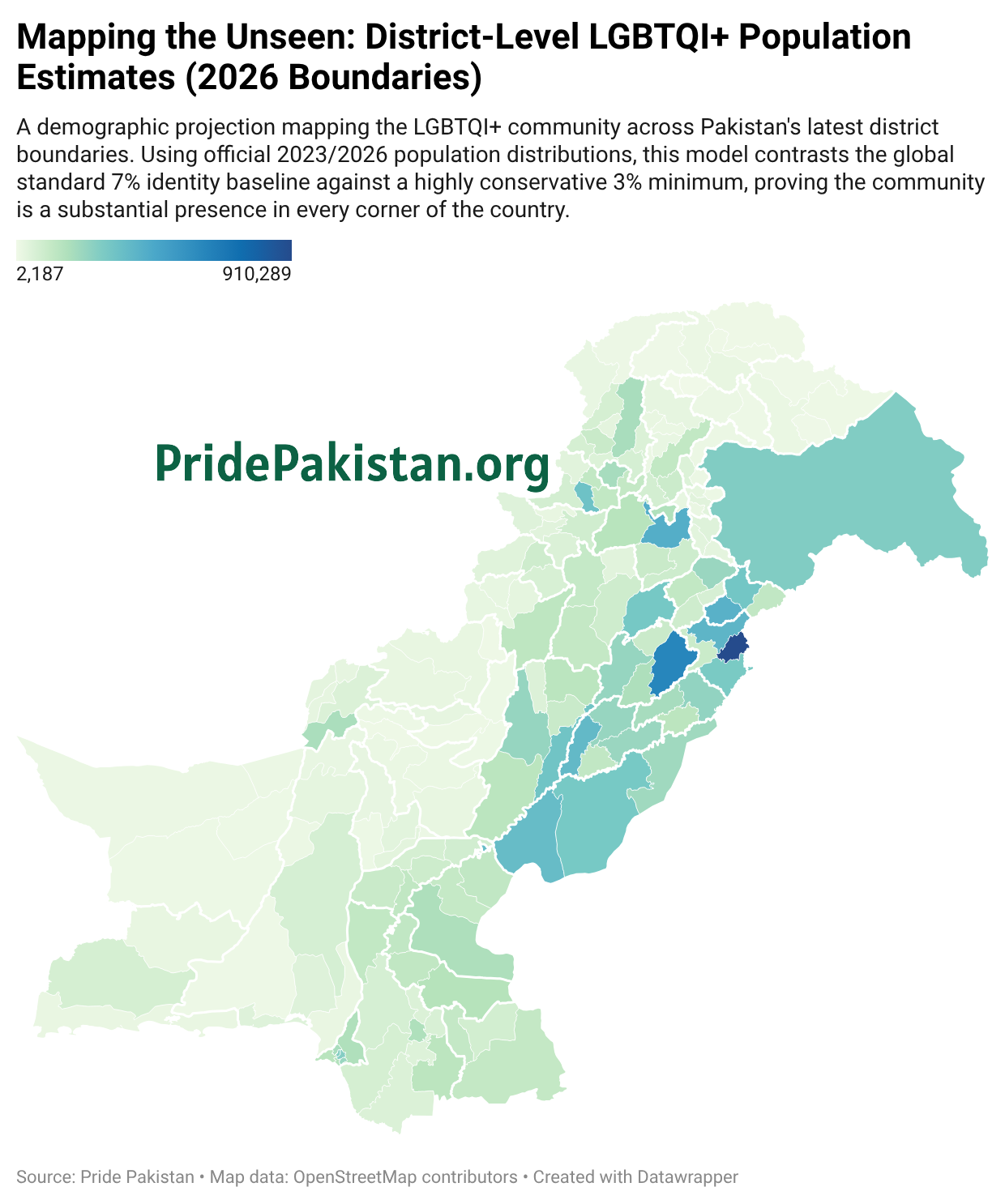
  • District-by-District Breakdown: Mapping the LGBTQI+ Population Across Pakistan

    District-by-District Breakdown: Mapping the LGBTQI+ Population Across Pakistan

    Introduction: No Longer Invisible

    For generations, state narratives and cultural conditioning have attempted to relegate sexual and gender minorities in Pakistan to complete oblivion. When numbers are spoken about, they are either severely understated by state figures or blown out of proportion by internet rumors. At PridePakistan.org, we believe that real data is the ultimate shield against erasure and stigma.

    By utilizing our newly structured demographic projection model—anchored upon a standard, scientifically validated 7% population multiplier and a conservative 3% public health floor—we have successfully mapped out our community across all regions. Below is the full, comprehensive territorial distribution tracking the millions of queer individuals living across every corner of Pakistan.

    Regional Breakdown & District Registries Included in Our Data

    To ensure absolute structural accuracy, our dataset maps the community across every administrative zone based on Pakistan’s latest 2026 administrative boundaries. Every single district and territory is actively mapped within our data network.

    1. Punjab Province

    Punjab holds the largest share of the nationwide demographic distribution. Major urban centers like Lahore, Faisalabad, Rawalpindi, Multan, and Gujranwala house hundreds of thousands of queer individuals. Our data covers every administrative layout, including:

    • Attock, Bahawalnagar, Bahawalpur, Bhakkar, Chakwal, Chiniot, Dera Ghazi Khan, Faisalabad, Gujranwala, Gujrat, Hafizabad, Jhang, Jhelum, Kasur, Khanewal, Khushab, Kot Addu, Lahore, Layyah, Lodhran, Mandi Bahauddin, Mianwali, Multan, Muzaffargarh, Murree, Narowal, Nankana Sahib, Okara, Pakpattan, Rahim Yar Khan, Rajanpur, Rawalpindi, Sahiwal, Sargodha, Sheikhupura, Sialkot, Talagang, Toba Tek Singh, Taunsa, Vehari, and Wazirabad.

    2. Sindh Province

    In Sindh, the metropolitan density of Karachi presents the most substantial regional concentration of the community across its diverse municipal districts. Along with key cities like Hyderabad and Sukkur, the mapped registry includes:

    • Badin, Dadu, Ghotki, Hyderabad, Jacobabad, Jamshoro, Karachi Central, Karachi East, Karachi South, Karachi West, Korangi, Malir, Keamari, Kashmore, Khairpur, Larkana, Matiari, Mirpur Khas, Naushahro Feroze, Kambar Shahdad Kot, Sanghar, Shikarpur, Sujawal, Sukkur, Tando Allahyar, Tando Muhammad Khan, Tharparkar, Thatta, Umer Kot, and Shaheed Benazirabad.

    3. Khyber Pakhtunkhwa (KPK) Province

    From the provincial capital of Peshawar to the northern valley networks like Swat and Mardan, our data encompasses the entire trans-and-queer topography of the region, including all newly integrated tribal subdivisions:

    • Abbottabad, Bannu, Batagram, Buner, Charsadda, Central Dir, Dera Ismail Khan, Hangu, Haripur, Karak, Kohat, Lakki Marwat, Lower Dir, Malakand, Mansehra, Mardan, Nowshera, Peshawar, Shangla, Swabi, Swat, Tank, Upper Dir, Torghar, Khyber, Mohmand, Bajaur, Kurram, Orakzai, North Waziristan, Lower South Waziristan, Upper South Waziristan, Lower Chitral, Upper Chitral, Upper Kohistan, Lower Kohistan, and Kolai Palas Kohistan.

    4. Balochistan Province

    Balochistan’s vast geography is mapped completely, tracking populations from the provincial hub of Quetta to coastal spaces like Gwadar and Kech:

    • Awaran, Barkhan, Chagai, Chaman, Dera Bugti, Gwadar, Harnai, Jaffarabad, Jhal Magsi, Kalat, Kech, Kharan, Khuzdar, Killa Abdullah, Killa Saifullah, Kohlu, Lasbela, Loralai, Mastung, Musakhel, Nasirabad, Nushki, Panjgur, Pishin, Quetta, Sherani, Sibi, Sohbatpur, Washuk, Zhob, Ziarat, Duki, Surab, Hub, and Kachhi.

    5. Federal Capital & Border Territories

    Our interactive matrix maps the Islamabad Capital Territory (ICT) as a distinct entity, alongside the complete territorial boundaries of Azad Jammu & Kashmir (AJK) and Gilgit-Baltistan (GB), ensuring no region is left blank:

    • Islamabad, Gilgit, Skardu, Diamer, Ghizer, Astore, Hunza, Nagar, Shigar, Kharmang, Ghanche, Darel, Gupis-Yasin, Tangir, Muzaffarabad, Mirpur, Bhimber, Kotli, Poonch, Bagh, Sudhnati, Neelum, Haveli, Hattian Bala, Jhelum Valley, and Kashmir.

    Conclusion

    By viewing the interactive map on our platform, researchers and community members can see the quantitative truth of our existence. We are a massive, vibrant element of every single district in Pakistan, hidden only by the necessity for safety.

    تعارف: اب کوئی پوشیدہ نہیں

    نسلوں سے، ریاستی بیانیے اور سماجی تعصبات نے پاکستان میں جنسی اور صنفی اقلیتوں کو مکمل طور پر نظر انداز کرنے کی کوشش کی ہے۔ جب بھی اعداد و شمار کی بات کی جاتی ہے، تو یا تو ریاستی اداروں کی طرف سے انہیں انتہائی کم دکھایا جاتا ہے یا پھر انٹرنیٹ پر افواہوں کے ذریعے مسخ کیا جاتا ہے۔ PridePakistan.org پر ہمارا ماننا ہے کہ حقیقی ڈیٹا ہی مٹائے جانے اور تعصب کے خلاف ہمارا سب سے بڑا ہتھیار ہے۔

    اپنے نئے سائنسی ماڈل (7% معیاری شرح اور 3% کم ترین پبلک ہیلتھ بیس لائن) کے ذریعے، ہم نے پاکستان کے تمام خطوں کا تفصیلی نقشہ تیار کیا ہے۔ ذیل میں پاکستان کے ہر کونے میں رہنے والے لاکھوں کوئیر افراد کے اعداد و شمار کا مکمل علاقائی جائزہ پیش کیا گیا ہے۔

    علاقائی جائزہ اور ضلعی فہرستیں

    مکمل سائنسی درستگی کو یقینی بنانے کے لیے، ہمارے ڈیٹا میں پاکستان کی جدید ترین 2026 کی ضلعی حدود کے مطابق ہر خطے کو شامل کیا گیا ہے۔ ہمارے ڈیٹا نیٹ ورک میں ایک بھی ضلع یا علاقہ چھٹ چھوٹ نہیں پایا۔

    ۔ صوبہ پنجاب

    ملک بھر میں آبادی کی تقسیم کے لحاظ سے پنجاب کا حصہ سب سے بڑا ہے۔ لاہور، فیصل آباد، راولپنڈی، ملتان، اور گوجرانوالہ جیسے بڑے شہری مراکز میں لاکھوں کوئیر افراد رہائش پذیر ہیں۔ ہماری ضلعی فہرست میں یہ تمام اضلاع شامل ہیں:

    • اٹک، بہاولنگر، بہاولپور، بھکر، چکوال، چنیوٹ، ڈیرہ غازی خان، فیصل آباد، گوجرانوالہ، گجرات، حافظ آباد، جھنگ، جہلم، قصور، خانیوال، خوشاب، کوٹ ادو، لاہور، لیہ، لودھراں، منڈی بہاؤالدین، میانوالی، ملتان، مظفر گڑھ، مری، نارووال، ننکانہ صاحب، اوکاڑہ، پاکپتن، رحیم یار خان، راجن پور، راولپنڈی، ساہیوال، سرگودھا، شیخوپورہ، سیالکوٹ، تلہ گنگ، ٹوبہ ٹیک سنگھ، تونسہ، وہاڑی، اور وزیر آباد۔

    ۔ صوبہ سندھ

    سندھ میں، کراچی کے مختلف اضلاع میں کمیونٹی کی سب سے بڑی تعداد موجود ہے۔ حیدرآباد اور سکھر جیسے اہم شہروں سمیت، نقشے میں درج اضلاع یہ ہیں:

    • بدین، دادو، گھوٹکی، حیدرآباد، جیکب آباد، جامشورو، کراچی وسطی، کراچی شرقی، کراچی جنوبی، کراچی غربی، کورنگی، ملیر، کیماڑی، کشمور، خیرپور، لاڑکانہ، مٹیاری، میرپور خاص، نوشہرو فیروز، قمبر شہداد کوٹ، سانگھڑ، شکارپور، سجاول، سکھر، ٹنڈو الہ یار، ٹنڈو محمد خان، تھرپارکر، ٹھٹہ، عمر کوٹ، اور شہید بینظیر آباد۔

    ۔ صوبہ خیبر پختونخوا (KPK)

    صوبائی دارالحکومت پشاور سے لے کر سوات اور مردان جیسے شمالی اضلاع تک، ہمارے ڈیٹا میں تمام نئے شامل ہونے والے قبائلی اضلاع سمیت پورا خطہ شامل ہے:

    • ایبٹ آباد، بنوں، بٹگرام، بونیر، چارسدہ، سینٹرل دیر، ڈیرہ اسماعیل خان، ہنگو، ہری پور، کرک، کوہاٹ، لکی مروت، لوئر دیر، مالاکنڈ، مانسہرہ، مردان، نوشہرہ، پشاور، شانگلہ، صوابی، سوات، ٹینک، اپر دیر، تورغر، خیبر، مہمند، باجوڑ، کرم، اورکزئی، شمالی وزیرستان، لوئر جنوبی وزیرستان، اپر جنوبی وزیرستان، لوئر چترال، اپر چترال، اپر کوہستان، لوئر کوہستان، اور کولئی پلاس کوہستان۔

    ۔ صوبہ بلوچستان

    بلوچستان کے وسیع و عریض جغرافیے کا مکمل احاطہ کیا گیا ہے، جس میں صوبائی مرکز کوئٹہ سے لے کر گوادر اور کیچ جیسے ساحلی علاقے شامل ہیں:

    • آواران، بارکھان، چاغی، چمن، ڈیرہ بگٹی، گوادر، ہرنائی، جعفرآباد، جھل مگسی، قلات، کیچ، خاران، خضدار، قلعہ عبداللہ، قلعہ سیف اللہ، کوہلو، لسبیلہ، لورالائی، مستونگ، موسیٰ خیل، نصیرآباد، نوشکی، پنجگور، پشین، کوئٹہ، شیرانی، سبی، صحبت پور، واشک، ژوب، زیارت، دوکی، سوراب، حب، اور کچھی۔

    5۔ وفاقی دارالحکومت اور علاقہ جات

    ہمارے لائیو ڈیٹا میٹرکس میں اسلام آباد (ICT) کے ساتھ ساتھ آزاد جموں و کشمیر (AJK) اور گلگت بلتستان (GB) کے تمام اضلاع کو مکمل طور پر شامل کیا گیا ہے:

    • اسلام آباد، گلگت، اسکردو، دیامر، غذر، استور، ہنزہ، نگر، شگر، کھرمنگ، غانچے، ڈاریل، گوپس یاسین، تانگیر، مظفرآباد، میرپور، بھمبر، کوٹلی، پونچھ، باغ، سدھنوتی، نیلم، حویلی، ہٹیاں بالا، اور جہلم ویلی۔

    نتیجہ

    ہماری ویب سائٹ پر لائیو نقشہ دیکھ کر آپ خود حقیقت کا اندازہ لگا سکتے ہیں۔ ہم پاکستان کے ہر ایک ضلع کا حصہ ہیں، اور ہماری موجودگی کو کوئی جھٹلا نہیں سکتا۔

    Explore the Live Interactive Map

    Our data maps the community across all four provinces, the federal capital, and regional territories. Hover over your district below to see the standard demographic estimates and conservative baseline ranges of our community members living there.
  • The Living History of Pride in Pakistan: A Journey of Resilience

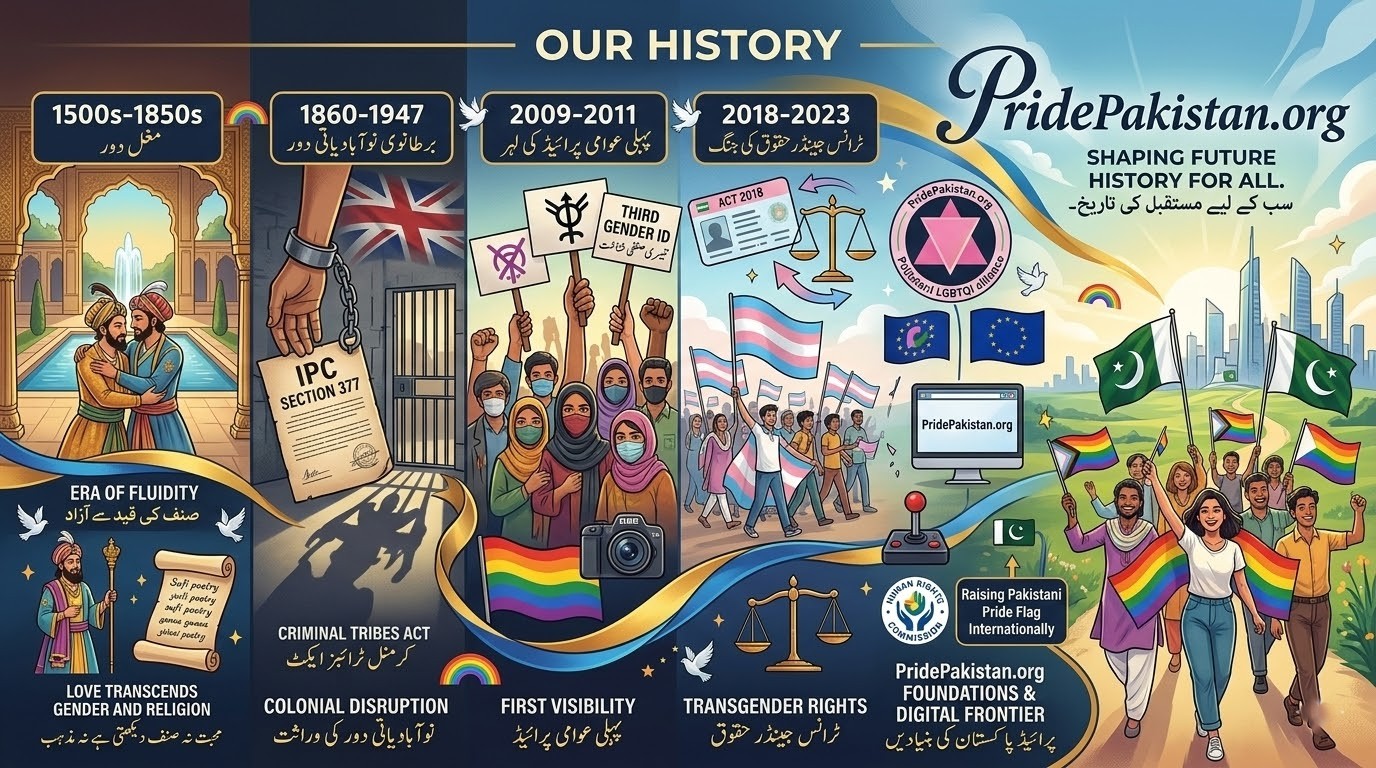
    The Living History of Pride in Pakistan: A Journey of Resilience

    Pride Pakistan is more than an organization; it is an ideology. Our story didn’t start in a vacuum, it is a legacy that flows from the fluid courts of the Mughals, through the dark shadows of colonial laws, to the digital revolution of today. This timeline honors the pioneers, the activists, and the everyday people who refused to be erased.

    The Era of Fluidity: The Mughal Empire

    Before colonial borders and Victorian laws, the Indian subcontinent viewed gender and desire with a sense of fluidity. In the Mughal era, same-sex intimacy and “third gender” individuals held roles as trusted servants, poets, and advisors in the royal courts. Love was often seen as a spiritual journey that transcended the physical binary.

    Read More: Love and Gender in the Mughal Courts

    1860: The Colonial Shadow & Section 377

    The landscape changed forever with the arrival of British rule. In 1860, the colonial government introduced Section 377, a law that criminalized “natural” desires as “carnal intercourse against the order of nature.” This was a foreign legal transplant that replaced local tolerance with institutionalized shame and homophobia.

    Read More: How Colonialism Invented Homophobia in South Asia

    2009: The First Sparks of Visibility

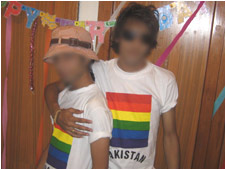
    In July 2009, the Supreme Court of Pakistan made history by recognizing the “Third Gender” on national ID cards. Just months later, in November 2009, a small group of gay men in Karachi organized a historic public gathering reported by the BBC. Though they hid their faces for safety, their courage marked the birth of modern gay activism in Pakistan.

    Read More: The 2009 Karachi Gathering – Coming out of the Shadows

    The Era of NAZ: Indoor Prides & Advocacy

    The movement gained institutional strength through the NAZ Male Health Alliance, led by Qasim Iqbal. Qasim became a prominent face for gay rights, organizing indoor, closed-door Pride events across Pakistan. These gatherings provided a rare safe space for the community to connect, even as the legal and social climate remained hostile.

    Read More: Qasim Iqbal and the Legacy of NAZ Pakistan

    2011: The US Embassy Incident & Extremist Backlash

    On June 26, 2011, the US Embassy in Islamabad hosted an LGBTQI Pride social event. The subsequent media coverage sparked a massive nationwide backlash from Islamic extremist groups and conservative politicians. This event forced the movement back underground, highlighting the extreme risks associated with Western-aligned visibility.

    Read More: The 2011 Pride Social – A Turning Point for Safety

    2018–2024: The Transgender Rights Battle

    In 2018, Pakistan passed the landmark Transgender Persons (Protection of Rights) Act. However, the law faced intense opposition and was challenged in the Federal Shariat Court in 2023, leading to significant rollbacks that shifted the focus toward “intersex” definitions. This period saw the rise of public Trans Prides in Lahore and other cities, even as legal protections were being dismantled.

    Read More: From 2018 to the Shariat Court – The Fight for Trans Rights

    2020: The Roots of PridePakistan.org

    Our campaign, founded by Ali Raza Khan, began within the empowering network of NAZ. In 2020, with the support of the European Union, we began organizing closed-space community gatherings. These underground meetings focused on building the “Pink Triangle”, a member alliance of the Pakistan LGBTQI Alliance, designed to unite diverse voices under one banner.

    [Read More: Our Origins – From the Pink Triangle to Pride Pakistan]

    2021–2023: Security Risks & Decentralization

    Following increased security incidents, raids, and the closing of NAZ Pakistan’s main operations in 2021, the Pink Triangle alliance began to decentralize. Lack of funds, security threats, and internal community conflicts, specifically tensions between some trans networks and gay advocacy, led to a period of fragmented activism. We realized we needed a new way to reach our people safely.

    [Read More: Navigating Conflict – The Closing of the Pink Triangle]

    2024: The Digital Frontier & Global Pride

    In late 2023, we recognized that physical gatherings in elite city centers were not enough to reach the non-elite and rural gay community. We launched PridePakistan.org in early 2024 to provide an online sanctuary. Despite being blocked by the PTA, we expanded into digital gaming, represented the community at the Human Rights Commission, and began raising the Pakistani Gay Pride flag at international Prides worldwide.

    [Read More: Digital Resistance – PTA Blocks and Global Flags]

  • پاکستان میں ہم جنس پرستوں کی تحریک

    پاکستان میں ہم جنس پرستوں کی تحریک

    نوٹ: یہ تحریر بی بی سی اردو سے لی گئی ہے۔ مکمل اور اصل مضمون پڑھنے کے لیے بی بی سی اردو کی ویب سائٹ پر جائیں

    پاکستان میں ہم جنس پرست زیر زمین منظم ہو رہے ہیں اور ان کے باقاعدگی سے اجتماعات بھی منعقد ہوتے ہیں۔ ہم جنس پرستوں کے بیرون ملک تنظیموں سے بھی روابط ہیں جس سے ایسا محسوس ہوتا ہے کہ ملک میں ہم جنس پرستوں کی تحریک خاموشی سے مگر منظم طریقے سے آگے بڑھ رہی ہے۔

    پڑوسی ملک بھارت میں ہم جنس پرستوں کے تعلقات کو قانونی حیثیت ملنے کے بعد پاکستان میں بڑھتی ہوئی مذہبی انتہا پسندی کے باوجود ہم جنس پرستوں کو بھی حوصلہ ملا ہے۔

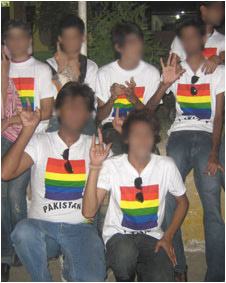
    اس کی مثال گزشتہ دنوں کراچی میں ہم جنس پرستوں کی مصروف ترین شاہراہ فیصل پر پریڈ تھی۔ ہم جنس پرستی کی نشانی والی آٹھ رنگوں کی ٹی شرٹس پہنے ہوئے ان نوجوانوں کی عام لوگ تو شناخت نہیں کرسکے مگر وہ لوگ جو انھیں سمجھتے ہیں یا ان کے قریب رہتے ہیں، انھیں دیکھ کر فتح کا نشان بناتے رہے۔

    ہم جنس پرست، کراچی

    ہم جنس پرستوں نے سوشل نیٹ ورکنگ کی ویب سائٹس پر اپنے گروپس بنائے ہیں جن کے کئی سو ممبران ہیں

    پریڈ میں شریک نوجوان ڈیوڈ کا کہنا ہے کہ پاکستان حکومت نے تردید کی تھی کہ ملک میں ہم جنس پرست نام کی کوئی چیز نہیں ہے۔ اس پریڈ کی ایک بنیادی وجہ یہ بھی تھی کہ حکومت کو بتایا جائے ہم موجود ہیں اور ہمیں تسلیم کیا جائے۔

    ان کے ساتھی تحسین کا کہنا تھا ’اس پریڈ سے پہلے بہت بحث مباحثہ ہوا، کافی ڈر اور خوف بھی تھا کیونکہ پاکستان کے موجودہ حالات میں ہر انسان ڈر کر زندگی گذار رہا ہے۔ ان حالات میں ہم اتنے بڑے حق کے لیے بات کرنا چاہ رہے تھے۔ بعد میں ہم نے یہ سوچا کہ ہر چیز کی ابتدا کہیں نہ کہیں سے ہوتی ہے کسی کوتو پہلا قدم اٹھانا پڑے گا۔ یہ سوچ کر ہمارا ڈر اور خوف جاتا رہا۔‘

    نوجوان ہم جنس پرست اپنے خیالات ، احساسات اور رجحانات کے بارے میں اپنے خاندان والوں کو آگاہ کرنے سےگریز کرتے ہیں اور ایک ڈھکی چھپی اور ادھوری زندگی گذارتے ہیں۔

    پریڈ میں شریک نوجوان ڈیوڈ کا کہنا ہے کہ پاکستان حکومت نے تردید کی تھی کہ ملک میں ہم جنس پرست نام کی کوئی چیز نہیں ہے۔ اس پریڈ کی ایک بنیادی وجہ یہ بھی تھی کہ حکومت کو بتایا جائے ہم موجود ہیں اور ہمیں تسلیم کیا جائے۔

    سولہ سالہ مانی طالب علم ہیں اور ان کا کہنا ہے ’ہم جنس پرستی کے بارے میں بچپن ہی سے معلوم ہو جاتا ہے مگر گھر والوں کو بتانا نہایت مشکل ہوتا ہے کیونکہ ہمارے جذبات، احساسات اور رجحان کو سمجھنے کے لیے انہیں شعور نہیں ہے۔ اگر بتا دیا جائے تو گھر والے ہم پر پابندیاں لگا دیتے ہیں اور ہمیں تیسری جنس سمجھنے لگتے ہیں۔‘

    انٹرنیٹ جہاں کئی انقلاب لایا وہاں ہم جنس پرستوں کی زندگی میں خوشی کی نوید بن کر آیا اور ان کی یکجہتی میں اضافہ ہوا۔ پاکستان کے ہم جنس پرستوں نے بھی سوشل نیٹ ورکنگ کی ویب سائٹس پر اپنے گروپس بنائے ہیں جن کے کئی سو ممبران ہیں۔

    مانی کا کہنا ہے کہ نئی نسل انٹرنیٹ سے باخبر ہے اور اسی کے ذریعے رابطہ ہوجاتا ہے۔ ’انٹر نیٹ پر کئی راستے موجود ہیں جہاں آسانی سے ایک دوسرے سے رابطہ کرسکتے ہیں۔‘ ان کے ایک اور ساتھی ڈیوڈ کے مطابق درمیانے درجے کے خاندان یا مڈل کلاس کے علاوہ بڑے گھرانوں کے کئی لوگ بھی ان کےگروپس میں موجود ہیں۔

    یہاں اپنی سوچ کو دوسروں پر مسلط کیا جاتا ہے۔ جو آپ نہیں ہیں وہ کیسے بن کر رہ سکتے ہیں۔ اگر آپ لڑکیوں کی طرف متوجہ نہیں ہوتے تو پھر لڑکی سے کیسے شادی کرسکتے ہیں۔ ایسے کئی واقعات ہوئے ہیں جن میں ہم جنس پرستوں کو خاندانی اور سماجی دباؤ کے تحت لڑکیوں سے شادی کرنی پڑی مگر بعد میں ان لڑکیوں کی زندگی برباد ہوئی۔ اس لیے کہ وہ ان لڑکیوں کو چھوتے تک نہیں ہیں۔

    تحسین

    تحسین انجینیئرنگ کی تعلیم حاصل کر رہے ہیں اور ان کا کہنا ہے ’یہاں اپنی سوچ کو دوسروں پر مسلط کیا جاتا ہے۔ جو آپ نہیں ہیں وہ کیسے بن سکتے ہیں۔ اگر آپ لڑکیوں کی طرف متوجہ نہیں ہوتے تو پھر لڑکی سے کیسے شادی کرسکتے ہیں۔ ایسے کئی واقعات ہوئے ہیں جن میں ہم جنس پرستوں کو خاندانی اور سماجی دباؤ کے تحت لڑکیوں سے شادی کرنی پڑی مگر بعد میں ان لڑکیوں کی زندگی برباد ہوئی۔ اس لیے کہ وہ ان لڑکیوں کو چھوتے تک نہیں ہیں۔‘

    پاکستان میں مذہبی شدت پسندی میں اضافے کے بعد کراچی میں بھی طالبانائزیشن کی بات ہو رہی ہے مگر ڈیوڈ کہتے ہیں کہ وہ خوفزدہ نہیں ہوتے۔’یہ ہمارا بھی ملک ہے۔ ملائشیا اور انڈونیشیا مسلم ممالک ہیں مگر وہاں سماج نے ہم جنس پرستوں کو تسلیم کیا ہے۔‘ تحسین نے ان کی تائید کرتے ہوئے کہا کہ انہیں حقوق نہیں چاہیئں کیونکہ انھیں معلوم ہے کہ یہاں حقوق نہیں مل سکتے۔ ’مگر کم سے کم لوگوں میں شعور ہو کہ ہم غلط نہیں ہیں کیونکہ یہ چیز دنیا میں موجود ہے۔ ہم ملائشیا اور انڈونیشیا جاچکے ہیں۔ ایسے کئی اور مسلم ممالک ہیں جہاں ہم جنس پرستوں کو حقوق نہیں دیے گئے مگر انہیں تنگ بھی نہیں کیا جاتا۔‘

    کراچی میں ہم جنس پرستوں کے مخصوص مقامات ہیں جہاں ان کی ملاقاتیں ہوتی ہیں۔ شہر سے باہر ساحل سمندر اور فارم ہاؤس ان کی بڑی پارٹیوں کا مرکز ہیں جس کے لیے سنیچر کی شام مختص ہوتی ہے۔ تحسین کے مطابق ہم جنس پرست منظم ہیں اور ان کی پارٹیاں مقامی اور ملکی سطح کی ہوتی ہیں جن میں کئی سو لوگ شریک ہوتے ہیں۔

    ’اس سے پہلے چھاپے نہیں پڑتے تھے مگر اب پولیس جان بوجھ کر آتی ہے اور پارٹی بند کردیتی ہے۔ آرگنائزرز سے پیسے چھین لیے جاتے ہیں اور کھانا اٹھا کر چلے جاتے ہیں۔ اس پارٹی میں کوئی بھی غیر قانونی چیز نہیں ہوتی۔ اس میں نشہ آور اشیاء کا استعمال بھی نہیں کیا جاتا صرف ملنے ملانے کی پارٹی اور ڈانس ہوتا ہے۔‘

    پاکستان کے ہم جنس پرستوں کا انٹرنیشنل لسبیئن اینڈ گے ایسوسی ایشن سمیت برطانیہ، امریکہ اور آسٹریلیا کی ہم جنس پرستوں کے حقوق کے لیے کام کرنے والی تنظیموں سے رابطہ ہے۔ تحسین کے مطابق ان تنظیموں کا کہنا ہے کہ تحفظ یا حقوق وہ اپنے ملک میں تو دلا سکتے ہیں مگر پاکستان میں کچھ نہیں کرسکتے، یہاں انہیں خود ہی کچھ کرنا ہوگا۔

    ہم جنس پرستی پاکستان کے قوانین اور مذہبی حوالے سے ناقابل قبول ہے اور ملکی قانون کے مطابق ہم جنس پرستی کی سزاء دس سال قید یا کوڑے ہیں۔

    ہم جنس پرست

    پاکستان کے قوانین کے مطابق ہم جنس پرستی کی سزا دس سال قید یا کوڑے ہے

    پاکستان میں کچھ واقعات ایسےبھی ہوئے ہیں جن میں کچھ لوگوں نے خود کو ہم جنس پرست قرار دے کر بیرون ملک سیاسی پناہ حاصل کی۔ مگر مانی کا کہنا ہے کہ ایسا کوئی مسئلہ نہیں اور بھی کئی طریقے ہیں جن سے سیاسی پناہ مل سکتی ہے۔’ اگر کوئی راستہ نظر آتا ہے تو وہاں سے صحیح اور غلط دونوں لوگ گذرتے ہیں مگر اس کا یہ مطلب نہیں ہے کہ جو حقیقی ہم جنس پرست ہیں وہ ایسا کرتے ہیں۔‘

    پاکستان میں ہم جنس پرستی نہ تو لوگوں اور نہ ہی میڈیا میں کبھی موضوعِ بحث رہی ہے۔ انگریزی اخبارات میں بیرون ملک ہم جنس پرستوں کی کہانیاں اور تبصرے پڑھنے کوتو ملتے ہیں مگر پاکستان کے ہم جنس پرستوں کے بارے میں بہت کم لکھا جاتا ہے۔

    اقوام متحدہ کے اعلامیے میں تمام اداروں اور رکن ممالک سے کہا گیا ہے کہ ہم جنس پرستی یا جنسی ترجیحات کی بنیاد پر ہونے والے امتیازی سلوک اور تشدد کے خلاف بھی اسی انداز میں کارروائی کو یقینی بنایا جائے جیسے انسانی حقوق کی خلاف ورزیوں کے خلاف کی جاتی ہے۔

    یہ مضمون بی بی سی اردو سے شکریہ کے ساتھ دوبارہ شائع کیا گیا ہے۔ اصل تحریر بی بی

    سی اردو کی ویب سائٹ پر اس لنک کے ذریعے پڑھی جا سکتی ہے:

    ‭BBC Urdu‬ – ‮پاکستان‬ – ‮پاکستان میں ہم جنس پرستوں کی تحریک‬

  • The Year the Shadows Broke 2009  Pakistan’s First Public Pride Activity

    The Year the Shadows Broke 2009 Pakistan’s First Public Pride Activity

    History is often written by the victors, but for the LGBTQI community in Pakistan, history is written by the brave. While our roots in South Asia stretch back centuries, from the revered status of Khwaja Siras in Mughal courts to the fluid expressions of love in Sufi poetry, modern political “visibility” has a specific, painful, and powerful starting point: November 2009.

    On November 10, 2009, a small but historic gathering took place in Karachi. Reported by BBC Urdu, this event marked one of the first times a group of gay Pakistani men chose to step into the public eye to discuss their rights and identity. In a society where Section 377 (a remnant of British colonial law) and social taboos enforced a life of absolute secrecy, this meeting was an act of revolution.

    The BBC article, titled “Gay in Karachi,” captured a community at a crossroads. Participants spoke about the “underground” nature of their lives, the use of early internet chat rooms to find one another, and the deep desire to be seen as equal citizens of Pakistan.

    Visibility in Pakistan has always come with a heavy price. During this 2009 activity, participants were acutely aware of the danger; every person involved hid their face. They used masks, scarves, or remained in the shadows during photography and filming to protect their identities from a society that was not yet ready to accept them.

    The aftermath of this public activity was a stark reminder of the risks of activism. Following the publication of the report and the buzz it created:

    • Targeted Threats: Many participants began receiving direct threats as their identities were pieced together by relatives or neighbors.
    • Going Underground: Several activists were forced to leave their homes immediately, moving to different cities within Pakistan to escape recognition.
    • The Path of Exile: For many, even moving cities wasn’t enough. To stay safe and live authentically, a significant number of the pioneers of that 2009 activity eventually had to leave Pakistan altogether, seeking asylum in countries where they could live without the constant fear of violence.

    This small Karachi gathering acted as a catalyst. Shortly after, between 2009 and 2011, the first clandestine queer organizations (often referred to by pseudonyms like “P” and “M” in academic research) began to form in Lahore and Karachi. These groups moved from mere social gatherings to advocacy, even as they navigated a landscape that grew more complex with events like the 2011 US Embassy Pride social, which sparked nationwide conservative protests.

    We include this story in our History archive because Pride in Pakistan didn’t start with a parade; it started with a few brave souls in a room in Karachi, faces covered, hearts open, demanding to be heard. We honor those who were forced into hiding or exile so that today, we can continue the work of building a Pakistan where no one has to hide their face again.

    References & Further Reading:

  • Pride Runner Game: The Run for Rights

    Pride Runner Game: The Run for Rights

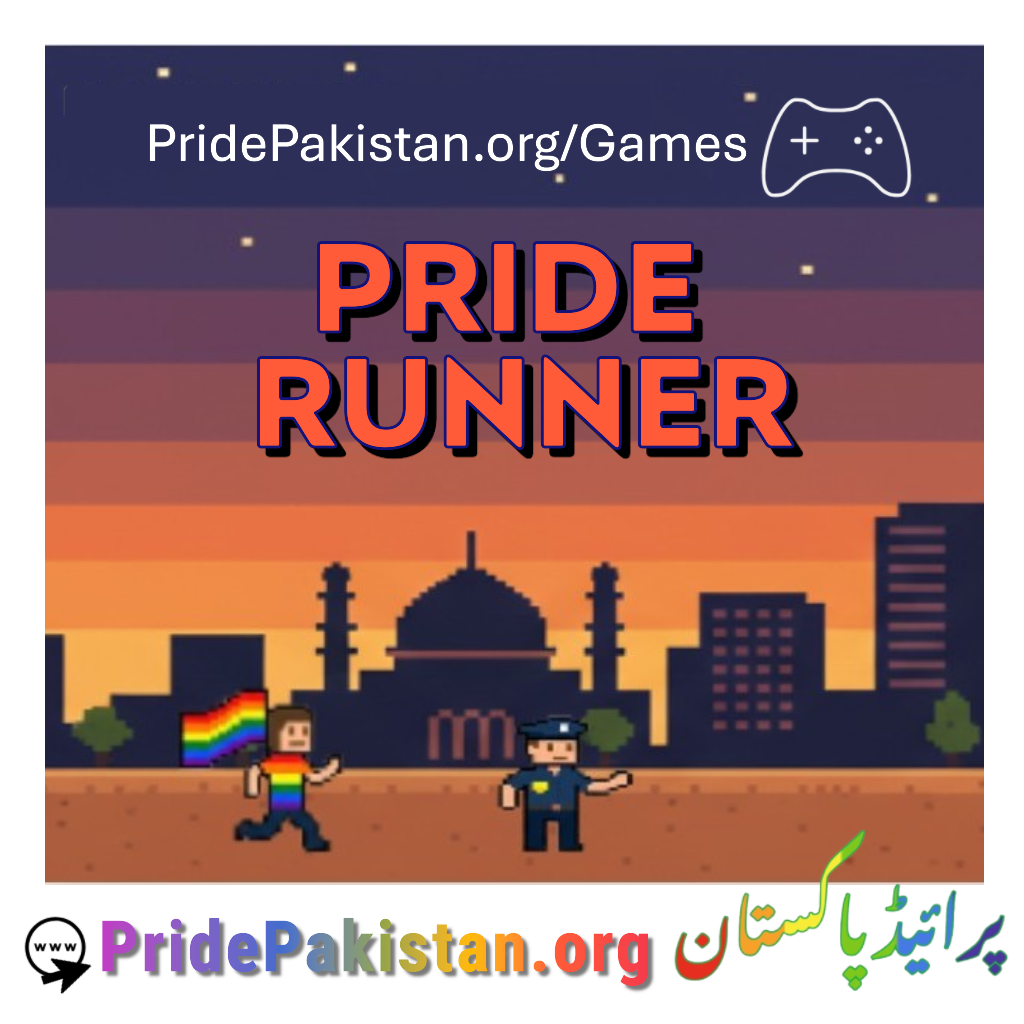
    In an era of increasing digital authoritarianism, the Pakistan Telecommunication Authority (PTA) and other state agencies have intensified their efforts to silence marginalized voices. By blocking PridePakistan.org, state institutions have attempted to erase the digital home of the Pakistani LGBTQ+ community. But resistance is not a static thing; it moves, it adapts, and it runs.

    We created the Pride Runner game as a direct response to this censorship. When the state places digital “barriers” in our way, we learn to jump over them. Every police hurdle in this game represents the systemic harassment our community faces; every dark cloud represents the state-sponsored “hate” and societal pressure intended to keep us in the shadows.

    Visibility is our strongest tool against oppression. While the state uses the NCCIA and PTA to build walls, we use technology to build bridges. This game is a reminder that being gay in Pakistan is a journey of constant movement. We move through the streets of Karachi and Lahore not just as residents, but as survivors.

    The rainbow flag held by our character is a signal to every queer person in Pakistan: You are not alone. Even if they block our domain, they cannot block our existence. We will continue to find our way, navigate the hurdles, and stand proud. The stars we collect are the symbols of our shared victories—the small moments of community and joy that the state can never take away.

    Stand with us. Play the game. Share the resistance.

    Press Space or Tap to Jump | PridePakistan.org Official Game

    Pride Runner is more than just a game; it is a digital representation of the daily resilience required by the LGBTQ+ community in Pakistan. As our character runs through the historic streets of Karachi and Lahore, they face real-world symbolic hurdles like security barriers and the “dark clouds” of societal judgment (Log Kya Kahenge).

    At PridePakistan.org, we advocate for the fundamental human rights, safety, and equality of all individuals regardless of their sexual orientation or gender identity. By collecting our Rainbow Star logo, players contribute to the visibility of our mission to combat discrimination and promote a more inclusive Pakistan.

    This game was born out of defiance. Following the blocking of PridePakistan.org by the PTA and other state agencies, we developed Pride Runner as a symbol of our community’s journey.

    In Pakistan, to be yourself is to be in a constant state of navigation. The hurdles you jump today—the police barriers and the clouds of hate—are the same ones we face in the real world every day.

    They can block our website, but they cannot block our path. Every star you collect represents our organization’s logo and our collective strength. We run through the landmarks of our country because this land belongs to us too. Play as a sign of resistance. Jump as a sign of progress. Stand proud, Pakistan.

    Click Here to Play Pride Runner

    Read more in our blogs section : News & Blogs

    Play more games in our game section : Play Games

  • Being Positive An Instagram Live Conversation by Rang & Pride Pakistan

    Being Positive An Instagram Live Conversation by Rang & Pride Pakistan

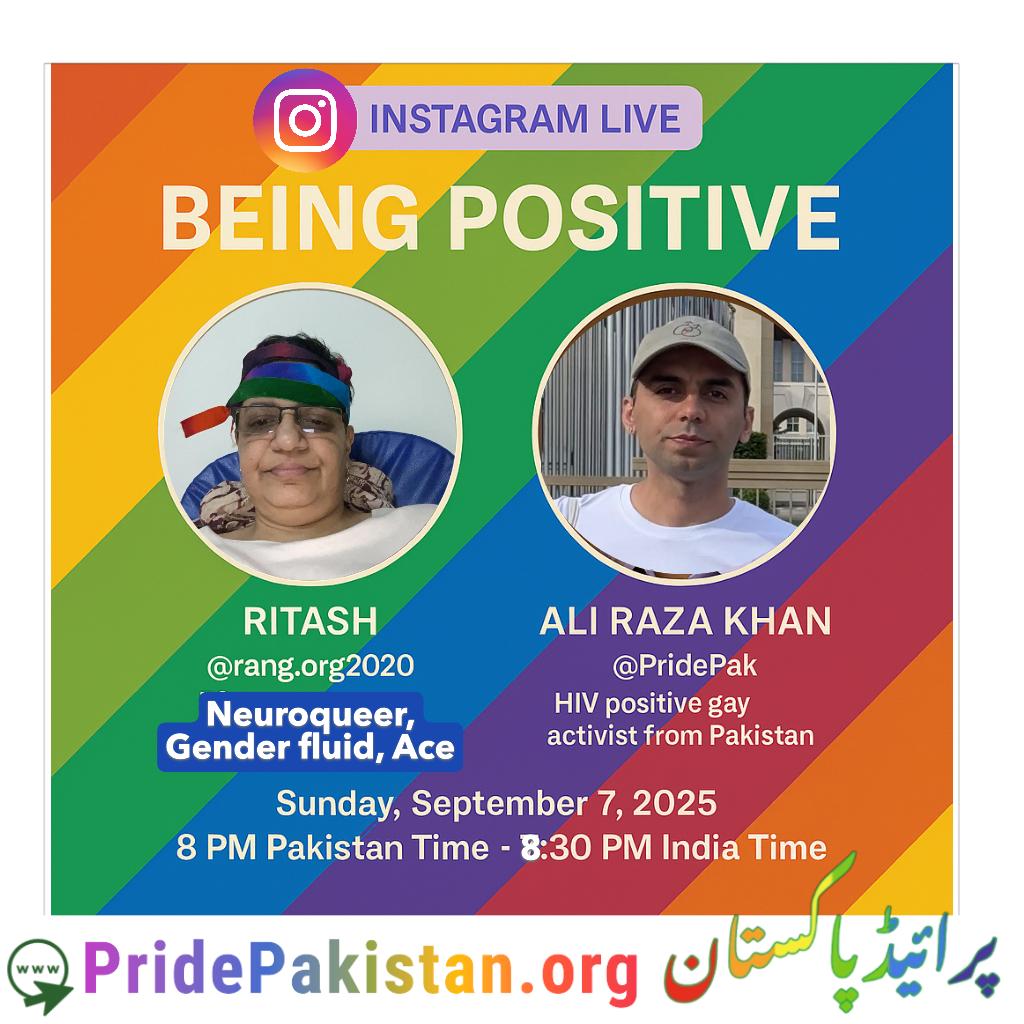
    On Sunday, September 7, 2025, Pride Pakistan and Rang are coming together for a powerful and heartfelt Instagram Live session titled “Being Positive.” This cross-border collaboration will bring together voices from Pakistan and beyond to share lived experiences, challenge stigma, and celebrate resilience within the Hum Jins (LGBTQI) community.

    About the Event

    “Being Positive” is more than just a conversation, it’s a space for truth, empathy, and solidarity. The session will explore what it means to live authentically while navigating personal and societal challenges, with a focus on HIV awareness, mental health, and intersectional identities.

    Meet the Speakers

    From Rang: Ritash A 52 year old neuroqueer, gender-fluid ACE individual with invisibilized disabilities and chronic illnesses. Ritash has journeyed from writing and testing software to chronicling the stories of people and places. They are an LGBTIQAP+ peer counsellor, gender and intersectionality trainer, and research advisor, bringing a wealth of lived experience and professional insight.

    From Pride Pakistan: Ali Raza Khan An HIV positive gay activist from Pakistan, Ali has been a steadfast voice for the Hum Jins community, advocating for visibility, acceptance, and the dismantling of stigma surrounding HIV and queer identities.

    When & Where

    📅 Date: Sunday, September 7, 2025 🕗 Time: 8:00 PM Pakistan Time | 8:30 PM India Time 📍 Platform: Instagram Live Follow @rang.org2020 and @PridePak to join the session.

    Why You Should Join

    This live session is an opportunity to:

    • Hear personal stories of resilience and hope.
    • Learn about HIV realities and the importance of breaking stigma.
    • Connect with a supportive, inclusive community across borders.

    Whether you are part of the Hum Jins community, an ally, or simply someone who believes in equality and compassion, your presence matters. Together, we can create a world where every identity is celebrated and every voice is heard.

    More on Event Page : Instagram Live : Being Positive Rang & Pride Pakistan – Pride Pakistan

    More on Rang Website: TheRang.org

  • یوم ہفتہ اور اتوار، اگست ۲۰۲۵ کو ہمارے ساتھ بارہویں ورچوئل کمیونٹی ملاقات میں شامل ہوں!

    یوم ہفتہ اور اتوار، اگست ۲۰۲۵ کو ہمارے ساتھ بارہویں ورچوئل کمیونٹی ملاقات میں شامل ہوں!

    یوم ہفتہ اور اتوار، ۳۰ اور ۳۱ اگست ۲۰۲۵ کو ہمارے ساتھ بارہویں ورچوئل کمیونٹی ملاقات میں شامل ہوں

    ہمیں یہ اعلان کرتے ہوئے خوشی ہو رہی ہے کہ پاکستان ایل جی بی ٹی زون اور پرا ئیڈ پاکستان ایک بار پھر ہماری کمیونٹی کے لیے ایک محفوظ اور جامع جگہ فراہم کر رہے ہیں جہاں ہم ایک دوسرے سے جڑ سکیں۔ اس ہفتے کے آخر میں، آئیے اکٹھے ہوں، اپنے خیالات بانٹیں، ایک دوسرے کی حمایت کریں، اور محبت و یکجہتی کے اس نیٹ ورک کو مزید مضبوط بنائیں۔

    یہ ایک بہترین موقع ہے کہ ہم ایک دوسرے سے رابطہ کریں، اہم مسائل پر بات کریں، اور ان رشتوں کو مضبوط کریں جو ہماری کمیونٹی کو خاص بناتے ہیں۔ آپ کی موجودگی اور آواز نہایت اہم ہے، اور واقعی فرق ڈالتی ہے۔

    ملاقات ہفتے کے آخر میں ہوگی: یوم ہفتہ، ۳۰ اگست اور یوم اتوار، ۳۱ اگست ۲۰۲۵۔

    دعوتی لنک اور تمام تفصیلات حاصل کرنے کے لیے براہ کرم ہمارا رجسٹریشن فارم ضرور پُر کریں۔

    ہم سے شامل ہونے کے لیے یہاں رجسٹر کریں:
    🔗 رجسٹریشن فارم

    ہم آپ سے ملاقات کے منتظر ہیں! آئیے ایک دوسرے کے لیے طاقت اور حمایت کا ذریعہ بنے رہیں۔

  • Join Our 12th Virtual Community Gathering This Weekend!

    Join Our 12th Virtual Community Gathering This Weekend!

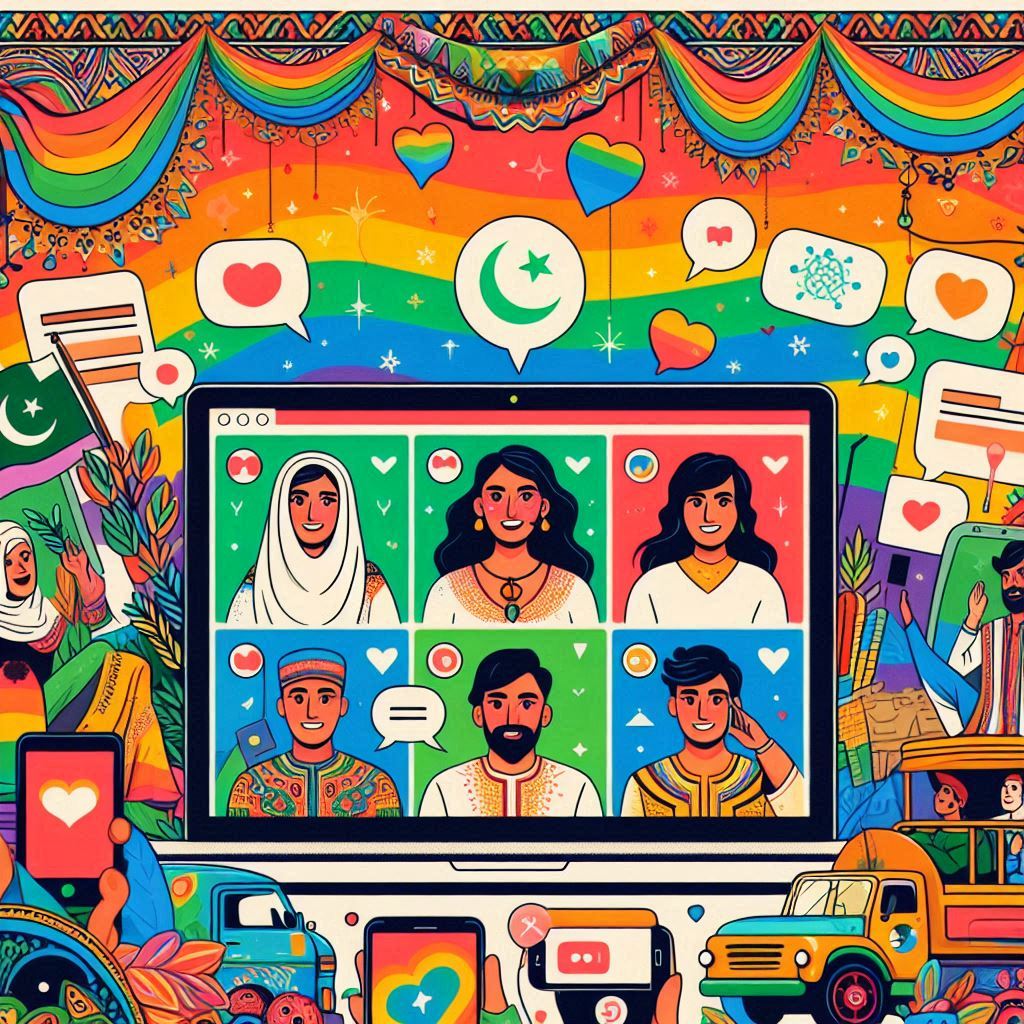
    We’re excited to announce our 12th Virtual Queer Meeting! The Pakistan LGBTQ+ Zone and Pride Pakistan are once again creating a safe and inclusive space for our community to connect. This weekend, let’s come together to share our thoughts, support one another, and continue building our network of love and solidarity.

    This is a wonderful opportunity to catch up, discuss important issues, and strengthen the bonds that make our community so special. Your presence and your voice are incredibly important, and they make a real difference.

    The meeting will take place on the weekend of Saturday, August 30, and Sunday, August 31, 2025. To receive the invite link and all the details, please make sure you fill out our registration form.

    Register here to join us!

    We can’t wait to see you there! Let’s continue to be a source of strength and support for one another.

  • جب خوشی جرم بن جائے پاکستان میں ہم جنس افراد کے لیے ایک اور محاذ

    جب خوشی جرم بن جائے پاکستان میں ہم جنس افراد کے لیے ایک اور محاذ

    تحریر:
    پرائیڈ پاکستان
    (تعلیم و آگاہی، تقریبات)

    حالیہ مہینوں میں پاکستان میں نجی تقریبات پر “فحش پارٹیوں” کا لیبل لگا کر پولیس کی کارروائیوں میں خطرناک حد تک اضافہ ہوا ہے۔ یہ چھاپے، جو اکثر ہم جنس افراد اور دیگر کوئیر افراد کو نشانہ بناتے ہیں، پاکستان پینل کوڈ کی دفعات 292، 292-A، 294 اور ساؤنڈ سسٹم ایکٹ کی دفعہ 6 کے تحت کیے جاتے ہیں۔ اگرچہ ان قوانین کا مقصد عوامی فحاشی اور شور کی روک تھام بتایا جاتا ہے، لیکن اب یہ قوانین اقلیتی کمیونٹیز، خاص طور پر ہم جنس افراد کے خلاف ہتھیار کے طور پر استعمال ہو رہے ہیں۔

    📰 خبروں کے پیچھے کی حقیقت

    لاہور وائرل پارٹی کیس (اگست 2025)

    لاہور میں ایک نجی تقریب کی ویڈیوز فیشن ڈیزائنر ماریا بی کی جانب سے سوشل میڈیا پر پوسٹ کی گئیں، جن میں شرکاء—جن میں سے کئی کوئیر تھے—پر “غیراخلاقی حرکات” کا الزام لگایا گیا۔ تقریباً 60 افراد کو فحاشی اور ساؤنڈ سسٹم قوانین کے تحت گرفتار کیا گیا۔ بعد میں عدالت نے ناکافی شواہد اور قانونی خلاف ورزیوں کی بنیاد پر کیس خارج کر دیا، لیکن نقصان ہو چکا تھا—عزتیں پامال ہوئیں، ذہنی اذیت پہنچی، اور پورے پاکستان میں ہم جنس افراد کی تقریبات کے لیے خوف کی فضا قائم ہو گئی۔

    🔗 مکمل خبر پڑھیں

    اوکاڑہ مہندی فنکشن چھاپہ (2020)

    ایک شادی کی تقریب میں رقص کرنے والے کوئیر فرد کو دیگر افراد کے ساتھ گرفتار کیا گیا۔ پولیس نے 20 افراد کے خلاف “فحاشی” اور “عوامی پریشانی” کے الزامات میں مقدمات درج کیے۔

    🔗 پولیس رپورٹ

    جڑانوالہ تصادم اور ایس او پی اصلاحات (2024)

    ایک ڈانس پارٹی میں خواجہ سرا افراد کی شرکت کے دوران پولیس چھاپے سے تصادم ہوا، جس میں زخمی اور گرفتاریاں ہوئیں۔ اس واقعے کے بعد پنجاب پولیس نے نئے ایس او پیز جاری کیے، جن کے تحت مرد اہلکاروں کو خواجہ سرا افراد کی تلاشی لینے سے روک دیا گیا۔

    🔗 ایس او پی اعلان

    کراچی ڈی ایچ اے ہنگامہ (2019)

    کراچی میں 21 خواجہ سرا افراد کو “فساد” اور “منشیات کے استعمال” کے الزامات میں گرفتار کیا گیا، جب ایک رہائشی نے “غیراخلاقی سرگرمیوں” کی شکایت کی۔ واقعہ مزید گرفتاریوں اور پولیس اسٹیشن پر ہنگامہ آرائی میں تبدیل ہو گیا۔

    🔗 ایکسپریس ٹریبیون رپورٹ

    🕯️ وہ سچ جو زبان پر نہیں آتا: ہم جنس پرستوں کی پارٹیاں اور خاموش چھاپے

    اگرچہ خواجہ سرا افراد پر چھاپے اکثر خبروں میں آتے ہیں، لیکن ہم جنس پرست مردوں اور ان کی نجی تقریبات بھی اسی طرح نشانہ بنتی ہیں, بس خاموشی سے۔ یہ تقریبات عام طور پر گھروں یا کرائے کے ہالز میں منعقد کی جاتی ہیں، لیکن “فحاشی” اور “شور” کے الزامات کے تحت ان پر بھی چھاپے مارے جاتے ہیں۔

    چونکہ ہم جنس پرستی پاکستان میں شدید ممنوع ہے، اس لیے ایسے واقعات سوشل میڈیا یا خبروں میں شاذ و نادر ہی آتے ہیں۔ متاثرہ افراد شرمندگی، بے عزتی، اور قانونی تحفظ کی کمی کی وجہ سے خاموش رہنے پر مجبور ہوتے ہیں۔ پرائیڈ پاکستان کو ملک بھر سے ایسے سینکڑوں واقعات کی اطلاعات موصول ہوئی ہیں، جن میں ہم جنس افراد کی تقریبات پر پولیس نے چھاپے مارے۔

    ⚖️ قانونی صورتحال: نہ تحفظ، نہ وکیل

    پاکستان کا قانونی نظام ہم جنس افراد کو کوئی واضح تحفظ فراہم نہیں کرتا۔ “فحاشی” اور “غیراخلاقی حرکتوں” جیسے مبہم الفاظ کو اکثر ان افراد کے خلاف استعمال کیا جاتا ہے۔ گرفتاری کے بعد متاثرہ افراد کو:

    • امتیازی سلوک سے بچاؤ کا کوئی قانونی تحفظ نہیں
    • ہم جنس افراد کے لیے دوستانہ وکیل دستیاب نہیں
    • پولیس حراست میں رازداری نہیں
    • میڈیا میں آواز نہیں ملتی، کیونکہ زیادہ تر ادارے کوئیر گرفتاریوں کی رپورٹنگ سے گریز کرتے ہیں

    💡 ہماری کمیونٹی کے لیے پیغام: احتیاط کریں اور اپنی شناخت پر فخر کریں

    ہم سمجھتے ہیں کہ اپنی شناخت کو منانے اور دوسروں سے جڑنے کی خواہش فطری ہے۔ لیکن موجودہ حالات میں احتیاط بزدلی نہیں، بلکہ بقا ہے۔ اگر آپ کوئی تقریب منعقد کرنے جا رہے ہیں:

    ✅ حفاظتی تجاویز

    • تقریب کو چھوٹا اور نجی رکھیں
    • اونچی آواز یا عوامی نمائش سے گریز کریں
    • ویڈیوز یا تصاویر سوشل میڈیا پر نہ ڈالیں
    • مہمانوں کی فہرست احتیاط سے بنائیں
    • ایمرجنسی رابطے اور قانونی مدد کے نمبر تیار رکھیں
    • اپنے حقوق جانیں—لیکن خطرات بھی سمجھیں

    🧭 پرائیڈ پاکستان کیا کر رہا ہے؟

    پرائیڈ پاکستان:

    • ہم جنس افراد کے لیے دوستانہ وکلاء کا نیٹ ورک بنا رہا ہے
    • قانونی اصلاحات اور امتیازی سلوک کے خلاف تحفظات کے لیے آواز بلند کر رہا ہے
    • پولیس ہراسانی کا شکار افراد کے لیے ایمرجنسی سپورٹ فراہم کر رہا ہے
    • کہانیوں اور رپورٹس کے ذریعے آگاہی پیدا کر رہا ہے

    اگر آپ یا آپ کے جاننے والے ایسے کسی واقعے کا شکار ہوئے ہیں، تو ہم سے رازداری کے ساتھ رابطہ کریں یا یہ فارم پُر کریں۔ آپ تنہا نہیں ہیں۔

    📩 رابطہ فارم

    🌈 محفوظ رہیں اور اپنی شناخت پر فخر کریں۔
    پرائیڈ پاکستان

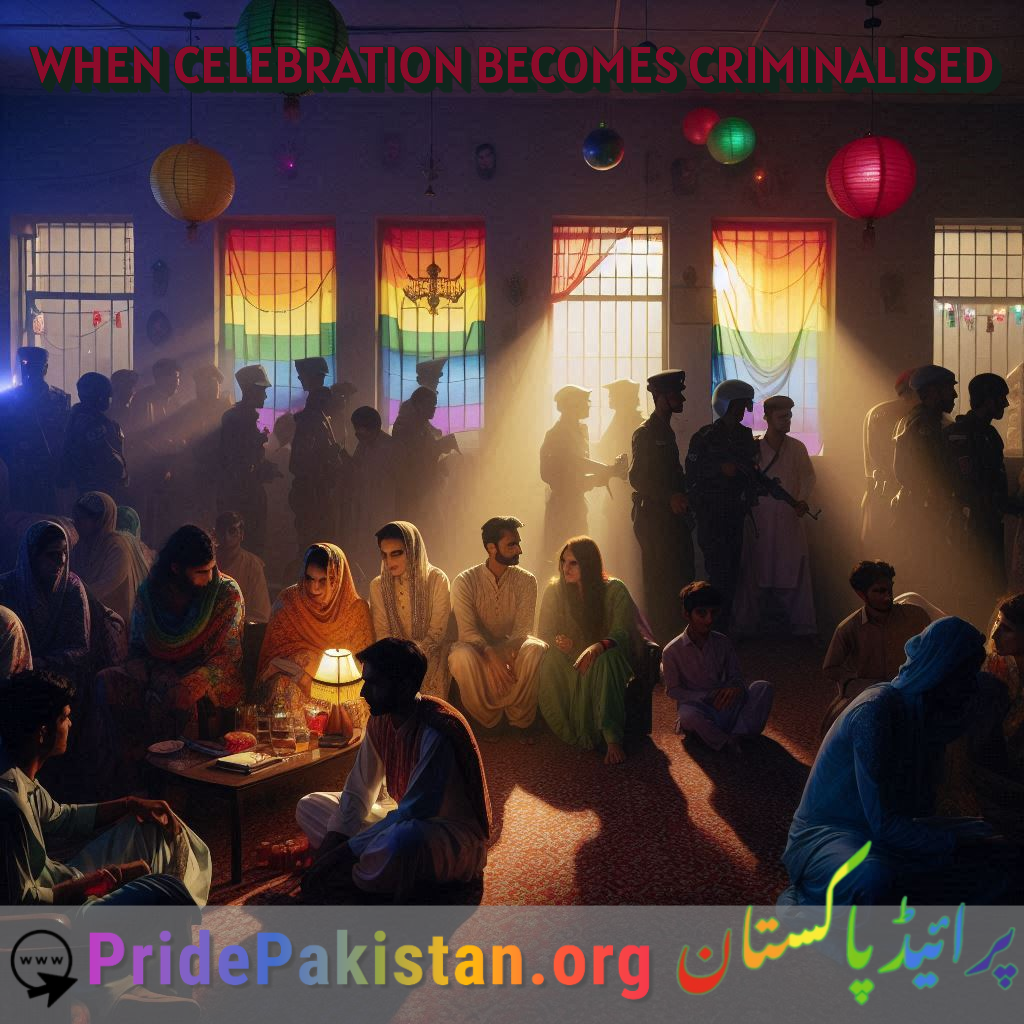
  • When Celebration Becomes Criminalized: Another front for Pakistan’s LGBTQI Community

    When Celebration Becomes Criminalized: Another front for Pakistan’s LGBTQI Community

    By Pride Pakistan

    In recent months, Pakistan has witnessed a troubling surge in police crackdowns on private gatherings labeled as “vulgar parties.” These raids often targeting LGBTQI+ individuals and queer participants, are carried out under Sections 292, 292-A, and 294 of the Pakistan Penal Code, alongside Section 6 of the Sound System Act. While these laws ostensibly aim to curb public obscenity and noise pollution, they are increasingly weaponized against marginalized communities, especially gay community members.

    The Reality Behind the Headlines

    Lahore Viral Party Case (August 2025)

    A private gathering in Lahore went viral after fashion designer Maria B posted videos online, accusing attendees, many of whom were queer “immoral conduct.” Nearly 60 individuals were detained under obscenity and sound system laws. The court later dismissed the case due to lack of evidence and procedural violations, but the damage was already done, reputations tarnished, trauma inflicted, and fear instilled for all the queer and gay gatherings across Pakistan.

    🔗 Read full story

    Okara Mehndi Function Raid (2020)

    A queer person dancing at a wedding event was arrested along with others for violating sound system laws. The police registered cases against 20 individuals, citing “vulgarity” and “public nuisance.”

    🔗 Police report

    Jaranwala Clash & SOP Reform (2024)

    A dance party involving transgender persons turned violent when police attempted a raid. The clash led to injuries and arrests, prompting Punjab Police to issue new SOPs barring male officers from frisking transgender individuals.

    🔗 SOP announcement

    Karachi DHA Riots (2019)

    Twenty-one transgender persons were arrested for rioting and alleged drug use after a complaint about “streetwalking.” The incident escalated into vandalism and further arrests.

    🔗 Express Tribune coverage

    The Unspoken Truth: Gay Parties and Silent Raids

    While transgender individuals often bear the brunt of publicized raids, gay men and queer gatherings are also frequently targeted, just less visibly. These events, often held discreetly in private homes or rented venues, are raided under similar obscenity and sound system laws. Yet, due to the deep taboo surrounding homosexuality, these cases rarely make it to social media or news outlets.

    Victims are silenced by shame, fear of outing, and lack of legal recourse. Many are denied access to lawyers, and few dare to challenge the charges in court. The absence of public support and the risk of being disowned by families or employers forces most to quietly endure the trauma. Pride Pakistan have been reported of such hundreds of incidents across Pakistan where gay gathering were raided by police.

    Legal Landscape: No Protection, No Counsel

    Pakistan’s legal system offers no explicit protection for LGBTQI individuals. In fact, vague terms like “obscenity” and “immoral conduct” are routinely used to criminalize queer existence. Once arrested, victims face:

    • No legal safeguards against discrimination
    • No access to LGBTQI-friendly lawyers
    • No privacy in police custody
    • No media advocacy, as most outlets avoid covering queer-related arrests

    A Message to Our Community: Stay Safe and be Proud of your Identity

    We understand the need to celebrate, connect, and express your identity. But in today’s climate, caution is not cowardice, it’s survival. If you’re planning a gathering:

    ✅ Safety Checklist

    • Keep gatherings small and discreet
    • Avoid loud music or public visibility
    • Do not post videos or photos online
    • Vet your guest list carefully
    • Have emergency contacts and legal aid numbers ready
    • Know your rights, but also know the risks

    What Pride Pakistan Is Doing

    At Pride Pakistan, we are working to:

    • Build a network of LGBTQI-friendly advocates
    • Advocate for legal reform and anti-discrimination protections
    • Provide emergency support for individuals facing police harassment
    • Raise awareness through storytelling and documentation

    If you or someone you know has been affected by such incidents, please reach out to us confidentially or by filling this form. You are not alone.

    https://forms.gle/Cwe36ZQiidC4aKkY9

    🌈 Stay Safe and be proud of your identity.

    Pride Pakistan