Month: October 2026

  • Diversity in Creation: Gender and Sexuality Before and During Early Islam

    Diversity in Creation: Gender and Sexuality Before and During Early Islam

    تخلیق میں تنوع: اسلام آنے سے پہلے اور ابتدائی اسلام کے دوران جنس اور صنف کا بیان

    When we talk about the history of Islam and the Arabian Peninsula, many people assume that society was completely rigid and uniform. However, history and religious traditions show a much more colorful and diverse reality. Long before Islam arrived in the 7th century, and continuing into the early days of the Muslim community, human beings expressed their genders and relationships in many different ways.

    Let us explore what history and sacred texts tell us about diversity, identity, and inclusion during those times.

    1. Pre-Islamic Arabia: A Diverse Society

    Before Islam came to what is today Saudi Arabia, the region was made up of various tribes with different customs. Society was not a single, strict block. People had diverse ways of living, dressing, and forming social bonds. While tribal rules were strong, gender roles and expressions varied widely across different communities and desert cultures.

    2. The Concept of Mukhannathun (Gender-Nonconforming Individuals)

    When Islam arrived in Mecca and Medina, society naturally included people who did not fit neatly into strict male or female roles. In early Islamic literature and Hadith (sayings of Prophet Muhammad), these individuals were called Mukhannathun.

    These were individuals assigned male at birth who expressed themselves through feminine manners, speech, or dress. Importantly, early Islamic records show that the Prophet Muhammad and his companions interacted with them. While there were social boundaries, the Prophet protected them from violent persecution and allowed them to live within society, proving that early Islamic society recognized and protected people who lived outside the standard gender binary.

    3. Divine Diversity in Creation

    One of the most beautiful themes in the Quran is that God loves diversity and made humans different on purpose. The Quran does not view differences as a mistake; instead, it describes human variety in shapes, colors, languages, and inner dispositions (Shakila) as signs of God’s greatness and creativity.

    For example, the Quran states in Surah Ar-Rum (30:22):

    “And of His signs is the creation of the heavens and the earth, and the diversity of your languages and your colors. Indeed, in that are signs for those of knowledge.”

    Furthermore, Surah Al-Hujurat (49:13) reminds us that humanity was created from male and female into nations and tribes so we may know one another, and that the most honored in the sight of God are those with the deepest moral character (Taqwa), not those who fit a rigid social mold.

    Looking back at pre-Islamic Arabia and early Islamic history teaches us that human diversity is natural and has always existed. By recognizing figures like the Mukhannathun and reflecting on Quranic verses about divine creation, we see that Islam’s core message is rooted in compassion, respect, and protecting human dignity.

    جب ہم اسلام اور عربستان (موجودہ سعودی عرب) کی تاریخ کے بارے میں بات کرتے ہیں، تو بہت سے لوگ یہ سوچتے ہیں کہ اس وقت کا معاشرہ بالکل سخت اور ایک جیسا تھا۔ لیکن تاریخ اور دینی روایات ایک بہت زیادہ رنگین اور مختلف حقیقت دکھاتی ہیںنت۔ ساتویں صدی میں اسلام آنے سے بہت پہلے، اور مسلمان معاشرے کے ابتدائی دنوں میں بھی، انسان اپنے صنف اور رشتے مختلف طریقوں سے ظاہر کرتے تھے۔

    دیکھتے ہیں کہ تاریخ اور مقدس کتابیں ہمیں اس وقت کے تنوع اور شناخت کے بارے میں کیا بتاتی ہیں۔

    ۱. اسلام سے پہلے کا عرب معاشرہ: ایک متنوع معاشرہ

    آج کے سعودی عرب کی زمین پر اسلام آنے سے پہلے، یہ علاقہ مختلف قبائل پر مشتمل تھا جن کے طریقے الگ الگ تھے۔ معاشرہ کوئی ایک سخت ضابطہ نہیں تھا۔ لوگوں کے رہنے، پہننے اور تعلقات بنانے کے طریقے مختلف تھے۔ اگرچہ قبائلی قوانین مضبوط تھے، لیکن صنف کے اظہار کے طریقے مختلف قبیلوں میں الگ الگ تھے۔

    ۲. مخنثون کا تصور (روایتی صنف سے ہٹ کر رہنے والے افراد)

    جب مکہ اور مدینہ میں اسلام آیا، تو معاشرے میں قدرتی طور پر ایسے لوگ بھی موجود تھے جو صرف مرد یا صرف عورت کے سخت اصولوں میں پورے نہیں اترتے تھے۔ ابتدائی اسلامی کتابوں اور احادیث میں ایسے لوگوں کو مخنثون کہا گیا۔

    یہ وہ لوگ تھے جو مرد پیدا ہوئے لیکن ان کا انداز، بول چال، یا لباس عورتوں جیسا تھا۔ سب سے اہم بات یہ ہے کہ ابتدائی اسلامی تاریخ بتاتی ہے کہ نبی کریم صلی اللہ علیہ وسلم اور آپ کے ساتھیوں کا ان کے ساتھ واسطہ پڑتا تھا۔ اگرچہ کچھ سماجی حدود تھیں، لیکن آپ صلی اللہ علیہ وسلم نے انہیں ظلم اور سزاؤں سے بچایا اور معاشرے کے اندر رہنے کی اجازت دی۔ اس سے یہ ثابت ہوتا ہے کہ ابتدائی اسلامی معاشرے نے ان لوگوں کو تسلیم کیا اور تحفظ دیا جو روایتی صنف کے دائرے سے باہر زندگی گزار رہے تھے۔

    ۳. تخلیق میں الہی تنوع

    قرآن مجید میں ایک بہت خوبصورت بات یہ کہی گئی ہے کہ اللہ کو تنوع پسند ہے اور اس نے انسانوں کو جان بوجھ کر الگ الگ بنایا ہے۔ قرآن فرق کو کوئی غلطی نہیں سمجھتا؛ بلکہ شکلوں، رنگوں، زبانوں اور اندرونی مزاج (شکلہ) کے تنوع کو اللہ کی عظمت اور کاریگری کی نشانی کہتا ہے۔

    مثال کے طور پر، سورۃ الروم (آیت ۲۲) میں اللہ فرماتا ہے:

    “اور اس کی نشانیوں میں سے آسمانوں اور زمین کی پیدائش ہے اور تمہاری زبانوں اور رنگوں کا اختلاف ہے۔ بے شک اس میں جاننے والوں کے لیے بہت سی نشانیاں ہیں۔”

    مزید یہ کہ، سورۃ الحجرات (آیت ۱۳) ہمیں یاد دلاتی ہے کہ اللہ نے ہمیں ایک مرد اور عورت سے پیدا کیا اور ہمیں قوموں اور قبیلوں میں بنایا تاکہ ہم ایک دوسرے کو جان سکیں، اور اللہ کے نزدیک سب سے زیادہ معزز وہ ہے جو سب سے زیادہ تقویٰ (نیک سیرت) والا ہے، نہ کہ وہ جو کسی سخت سماجی سانچے میں پورا اترتا ہو۔

    اسلام سے پہلے کے عرب اور ابتدائی اسلامی تاریخ کو دیکھنے سے ہمیں یہ سبق ملتا ہے کہ انسانی تنوع قدرتی ہے اور ہمیشہ سے موجود رہا ہے۔ مخنثون جیسی تاریخ کو سمجھ کر اور الہی تخلیق کے بارے میں قرآنی آیات پر غور کر کے، ہم یہ دیکھ سکتے ہیں کہ اسلام کا اصل پیغام شفقت، احترام اور انسانی عزت کے تحفظ پر مبنی ہے۔

    مشکل الفاظ کی وضاحت:

    یکساں (Uniform): یعنی ہر چیز کا ایک جیسا ہونا، کوئی فرق نہ ہونا۔ مثال: اگر اسکول کے تمام بچے بالکل ایک ہی رنگ کی نیلی قمیض پہنیں، تو اسے یکساں کہیں گے۔ عرب کا معاشرہ یکساں نہیں تھا بلکہ اس میں بہت سی مختلف روایات تھیں۔

    صنفی دائرے سے باہر (Gender-Nonconforming): وہ لوگ جن کا رویہ یا ظاہری شکل اس پرانی سوچ کے مطابق نہ ہو کہ مرد یا عورت کو “کیسا” دکھنا چاہیے یا کیسا برتاؤ کرنا چاہیے۔ مثال: ایک ایسا مرد جو نرم مزاجی اور عورتوں جیسا لباس اپنائے، وہ صنفی دائرے سے باہر کہلائے گا۔

    بائنری (Binary): کسی چیز کا سختی سے صرف دو حصوں میں بٹا ہونا۔ مثال: بجلی کا وہ بٹن جو یا تو صرف آن (ON) ہو یا صرف آف (OFF)، وہ بائنری ہے۔ صنف کے معاملے میں پرانی سوچ یہ کہتی ہے کہ انسان کو لازمی طور پر یا تو صرف مرد یا صرف عورت ہونا چاہیے۔

    مزاج (Dispositions): کسی انسان کی اندرونی فطرت اور سوچ کا طریقہ۔ مثال: ایک شخص قدرتی طور پر بہت خاموش اور پرسکون ہو سکتا ہے، جبکہ دوسرا بہت پرجوش اور باتونی ہو سکتا ہے؛ یہ دونوں الگ الگ مزاج ہیں۔

    Word s Explained:

    Gender-Nonconforming (جو روایتی صنف کے مطابق نہ ہوں): People whose behavior or appearance does not match traditional ideas of how men or women “should” look or act. Example: A man who adopts soft, gentle feminine manners or dress is gender-nonconforming.

    Binary (دو حصوں پر مشتمل): Something split strictly into two opposite options. Example: A light switch that is either only ON or only OFF is binary. Traditional gender views say a person must be strictly only male or only female.


    Dispositions (مزاج یا فطرت): A person’s natural qualities of mind and character. Example: One person might naturally be very quiet and calm, while another is energetic and loud; these are different dispositions
  • Breaking the Silence: Justice for Swat Student and the Epidemic of Violence Against Pakistan’s LGBTQ+ Community

    Breaking the Silence: Justice for Swat Student and the Epidemic of Violence Against Pakistan’s LGBTQ+ Community

    سوات کا واقعہ: خاموشی توڑنے کا وقت اور پاکستان میں ہم جنس پرست اور خواجہ سرا برادری پر تشدد کا المیہ

    A horrifying incident recently came to light on social media from Swat, Khyber Pakhtunkhwa. A ninth-grade student, Muhammad Sadeed, was lured to a local hujra under the pretense of a social gathering by his own schoolmates. There, he was sexually assaulted, forcibly filmed naked, threatened with murder, and subjected to blackmail. The perpetrators subsequently circulated the explicit video online.

    Swat Police, led by DPO Muhammad Umar Khan and SHO Zia-ur-Rehman of Saidu Sharif Police Station, acted on the circulating video and arrested three suspects: Abdullah, Sabir, and Muhammad Bilawal.

    While the swift police action in this specific case is a necessary step toward accountability, this incident is far from isolated. Across Pakistan, gay, bisexual, trans, and queer individuals face a daily reality of systemic violence, entrapment, and severe discrimination.

    Online platforms and dating apps are frequently weaponized by criminal networks and influential individuals to target vulnerable youth. Victims are systematically lured, physically assaulted, raped, recorded without consent, and blackmailed for money or forced silence under the threat of public exposure. In a society where queer identities carry heavy social stigma and legal risks, perpetrators operate with near-total impunity, knowing victims are often too terrified to seek help.

    For every case that makes headlines or results in police intervention, countlessly more remain buried in shame and fear. Powerful actors exploit social taboos to silence victims, leaving a trail of trauma that rarely reaches the public consciousness.

    We at Pride Pakistan demand comprehensive protection for all individuals regardless of their sexual orientation or gender identity, strict enforcement of privacy and anti-blackmail laws, and an immediate end to the culture of impunity that enables targeted abuse against marginalized communities. Violence is a crime, and no societal stigma should ever justify or cover up sexual violence.

    سوات سے سوشل میڈیا کے ذریعے ایک دردناک واقعہ سامنے آیا ہے جس نے سیکیورٹی اور معاشرتی رویوں پر سنجیدہ سوالات اٹھا دیے ہیں۔ سیدو شریف میں جماعت نہم کے ایک طالب علم محمد سدید کو پارٹی کے بہانے حجرے میں بلا کر اس کے ساتھ بدفعلی کی گئی، اس کی برہنہ ویڈیو بنائی گئی اور بعد میں اسے وائرل کر کے جان سے مارنے کی دھمکیاں دی گئیں۔

    سوات پولیس نے کارروائی کرتے ہوئے واقعے میں ملوث تین ملزمان عبداللہ، صابر اور محمد بلاول کو گرفتار کر لیا ہے۔

    اگرچہ اس مخصوص واقعے میں پولیس کی فوری کارروائی ایک مثبت قدم ہے، لیکن یہ کوئی ایک تنہا واقعہ نہیں ہے۔ پورے پاکستان میں ہم جنس پرست، خواجہ سرا اور دیگر غیر روایتی جنس رکھنے والے افراد کو روزمرہ کی بنیاد پر تشدد، بلیک میلنگ اور امتیازی سلوک کا سامنا کرنا پڑتا ہے۔

    آن لائن ایپس اور سوشل میڈیا پلیٹ فارمز کو اکثر ستم ظریف عناصر اور بااثر افراد کی جانب سے ہدف بنانے کے لیے استعمال کیا جاتا ہے۔ حاشیے پر موجود افراد کو آن لائن ورغلا کر بلیک میل کیا جاتا ہے، ان پر تشدد کیا جاتا ہے اور ان کی ذاتی زندگی کو عام کرنے کی دھمکی دے کر ان کا استحصال کیا جاتا ہے۔

    معاشرتی بدنامی اور قانونی پیچیدگیوں کے خوف سے اکثر متاثرین خاموش رہنے پر مجبور ہو جاتے ہیں، جس کا فائدہ اٹھا کر جرم کرنے والے آزاد گھومتے ہیں۔ بہت سے واقعات ایسے ہیں جو کبھی منظرِ عام پر نہیں آ پاتے۔

    ہم پرائیڈ پاکستان کے پلیٹ فارم سے مطالبہ کرتے ہیں کہ ہر شہری کی عزت اور سلامتی کا تحفظ یقینی بنایا جائے، آن لائن بلیک میلنگ کے خلاف سخت قوانین نافذ کیے جائیں اور جنسی تشدد اور استحصالی رویوں کا بلا تفریق خاتمہ کیا جائے۔ کسی بھی انسان کے خلاف تشدد جرم ہے اور اس پر کسی قسم کا سمجھوتہ نہیں ہونا چاہیے۔

  • Another Tragic Blow: FIA Offloads and Targets Gay Couple at Karachi Airport Over Same-Sex Marriage Plans

    Another Tragic Blow: FIA Offloads and Targets Gay Couple at Karachi Airport Over Same-Sex Marriage Plans

    ایک اور المناک واقعہ: کراچی ایئرپورٹ پر ہم جنس پرست جوڑے کو آف لوڈ کر کے نشانہ بنایا گیا

    The pervasive climate of fear, surveillance, and systemic targeting of the LGBTQ+ community in Pakistan has claimed yet another heavy toll. In mid-October 2026, the Federal Investigation Agency (FIA) immigration authorities at Jinnah International Airport in Karachi intercepted and offloaded a gay couple attempting to board a flight abroad.

    The couple, who had reportedly lived discreetly together and maintained a long-term relationship, were planning to travel to Thailand to formalize their relationship through a same-sex marriage, with ultimate aspirations of building a safe life together in Europe. Instead, their journey ended in state interrogation, public exposure, and legal harassment.

    According to reports from mainstream and investigative media outlets—including ProPakistani and The News—the two men were singled out during routine exit-control and immigration checks.Immigration officials flagged the passengers after closely scrutinizing their travel documents, questioning their intentions, and digging into their personal lives.

    The individuals were identified in reports as Shahid (from Muzaffargarh) and Khalil (from Sialkot). During the aggressive interrogation by FIA officials:

    • Khalil reportedly admitted that the two had first met back in 2017 and had maintained a committed relationship over the years.
    • Investigators extracted details indicating that Shahid had been providing Khalil with monthly financial support amounting to roughly Rs. 60,000.
    • Under intense pressure, they revealed their intentions to marry in Thailand and eventually seek refuge or a life together overseas.

    Rather than allowing them to seek safety or personal freedom, immigration authorities barred them from boarding, offloaded them from the aircraft, and handed them over for further investigation and legal action.

    Invasive Phone Searches: A Systemic Violation of Privacy

    While this high-profile incident unfolded under the glaring lights of an international airport, it is far from an isolated case. Across Pakistan, law enforcement agencies, police forces, and border security authorities routinely weaponize invasive phone searches against ordinary citizens, particularly targeting queer individuals.

    Security personnel at checkpoints and stations routinely demand access to personal cell phones, scanning private photo galleries, dating app histories, personal chats, and social media DMs. Finding any digital trace, chat log, or media depicting someone as gay is frequently used to justify harassment, blackmail, extortion, and arbitrary arrests.

    While thousands of discreet queer individuals live under constant threat of exposure inside the country, airport incidents like this gain immediate visibility because border authorities treat private personal lives as a matter of “state security” or immigration violation checks.

    The continuous policing of personal identity, love, and mobility violates basic human dignity. No one should be imprisoned, interrogated, or denied their freedom of movement simply because of who they love or whom they choose to marry.

    At Pride Pakistan, we condemn the ongoing surveillance, phone-checking culture, and state-backed harassment targeting the LGBTQ+ community. We stand in solidarity with Shahid, Khalil, and countless unnamed individuals who face systemic persecution daily. Privacy is a fundamental right, and love is never a crime.

    Sources & References:

    پاکستان میں خوف، نگرانی اور ہم جنس پرست برادری کو باقاعدہ ہدف بنانے کا ماحول ایک اور المناک واقعے کا سبب بن گیا ہے۔ اکتوبر دو ہزار چھبیس کے وسط میں، کراچی کے جناح انٹرنیشنل ایئرپورٹ پر فیڈرل انویسٹی گیشن ایجنسی (ایف آئی اے) کے امیگریشن حکام نے بیرونِ ملک جانے والے ایک ہم جنس پرست جوڑے کو پرواز سے اتار کر حراست میں لے لیا۔

    یہ جوڑا، جو گزشتہ کئی سالوں سے خاموشی اور پردہ داری کے ساتھ ایک دوسرے کے ساتھ رہ رہا تھا، اپنی شادی کی تقریب کے لیے تھائی لینڈ روانہ ہو رہا تھا تاکہ بعد میں یورپ جا کر ایک محفوظ اور پرسکون زندگی گزار سکے۔ لیکن ان کا یہ سفر ریاست کی تفتیش، ہراسانی اور قانونی مشکلات پر ختم ہوا۔

    کراچی ایئرپورٹ پر پیش آنے والا واقعہ

    مختلف صحافتی ذرائع (بشمول پرو پاکستانی، ڈیلی جنگ اور روزنامہ ایکسپریس) کے مطابق، ان دونوں افراد کو امیگریشن کی معمول کی جانچ پڑتال کے دوران روکا گیا۔ حکام نے ان کے سفری دستاویزات اور سفر کے مقاصد پر سخت سوالات اٹھائے۔

    رپورٹس میں ان افراد کی شناخت شاہد (جس کا تعلق مظفر گڑھ سے ہے) اور خلیل (جس کا تعلق سیالکوٹ سے ہے) کے ناموں سے ہوئی ہے:

    • دورانِ تفتیش یہ بات سامنے آئی کہ دونوں کی پہلی ملاقات دو ہزار سترہ میں ہوئی تھی اور وہ تب سے ایک دوسرے کے ساتھ قائم رشتے میں تھے۔
    • تفتیش میں یہ بھی ظاہر ہوا کہ شاہد اپنے ساتھی خلیل کو ماہانہ تقریباً ساٹھ ہزار روپے مالی معاونت فراہم کر رہا تھا۔
    • سخت ذہنی دباؤ اور تفتیش کے بعد دونوں نے اعتراف کیا کہ وہ تھائی لینڈ میں شادی کر کے یورپ میں آباد ہونا چاہتے تھے۔

    امیگریشن حکام نے انہیں پرواز پر سوار ہونے سے روک دیا، طیارے سے آف لوڈ کیا اور مزید تفتیش و قانونی کارروائی کے لیے تحویل میں لے لیا۔

    فون کی تلاشی اور نجی زندگی پر حملہ

    کراچی ایئرپورٹ کا یہ واقعہ اپنی نوعیت کا پہلا یا تنہا واقعہ نہیں ہے۔ پورے پاکستان میں پولیس، ایف آئی اے اور دیگر سیکیورٹی ادارے عام شہریوں بالخصوص ہم جنس پرست برادری کے خلاف فون کی جارحانہ تلاشی کا طریقہ کار استعمال کر رہے ہیں۔

    چیک پوسٹوں اور ایئرپورٹس پر شہریوں کے ذاتی موبائل فونز کی تلاشی لی جاتی ہے، جہاں ان کی ذاتی تصاویر، چیٹ ہسٹری اور سوشل میڈیا پیغام رسانی کو کھنگالا جاتا ہے۔ اگر کسی بھی شخص کے فون سے کوئی ایسی چیٹ یا تصویر مل جائے جس سے اس کی ہم جنس پرستی کا اشارہ ملتا ہو، تو اسے بلیک میلنگ، رقم بٹورنے اور غیر قانونی گرفتاریوں کے لیے استعمال کیا جاتا ہے۔

    ایئرپورٹ پر ہونے والے ایسے واقعات صرف اس لیے سامنے آ پاتے ہیں کیونکہ بارڈر سیکیورٹی اور امیگریشن حکام شہریوں کی ذاتی اور نجی زندگیوں کو “سیکیورٹی رسک” یا سفری بے ضابطگی بنا کر پیش کرتے ہیں۔

    انسانی حقوق اور یکجہتی کی اپیل

    کسی بھی فرد کی ذاتی شناخت، محبت اور نقل و حرکت کی آزادی پر پابندی عائد کرنا بنیادی انسانی حقوق اور انسانی وقار کے خلاف ہے۔ کسی بھی انسان کو صرف اس بنیاد پر گرفتار یا ہراساں نہیں کیا جانا چاہیے کہ وہ کس سے محبت کرتا ہے یا کس سے شادی کرنا چاہتا ہے۔

    پرائیڈ پاکستان اس بڑھتی ہوئی نگرانی، فون تلاشی کے کلچر اور ریاستی ہراسانی کی سخت الفاظ میں مذمت کرتا ہے۔ ہم شاہد، خلیل اور ان تمام گمنام افراد کے ساتھ مکمل یکجہتی کا اظہار کرتے ہیں جو روزانہ اس جبر کا سامنا کر رہے ہیں۔ پرائیویسی انسان کا بنیادی حق ہے، اور محبت کوئی جرم نہیں ہے۔

  • There’s a World Outside What I Show in Reality: In the Words of Ray Ahmad Rehan

    There’s a World Outside What I Show in Reality: In the Words of Ray Ahmad Rehan

    “ایک دنیا اس حقیقت سے باؤر بھی وجود رکھتی ہے”: ریحان احمد کی اپنی تحریریں اور آرٹ

    Reclaiming Space After losing Synchronization with Reality

    “After losing synchronization with reality in 2024 due to bipolar disorder and psychosis, I created my digital artbook to reclaim my agency, my education, and my space in this world.”

    I am sharing all of my artworks from my book, music video edits, and stories based on my journey. You can download or purchase my work from Gumroad or Amazon (Come Visit Soon?: Digital Artworks from an Inner World in Motion).

    Running my store and sharing my books was my way to get enough money for A-Level retakes and continue living independently in Pakistan until I could focus on my wellbeing and move out to complete further education after a huge education loss and gap since 2022.

    The Fragmented Mind & Multiple Universes

    “Why is my mind fragmented? There’s a world outside what I show in reality that exists simultaneously with other universes in my head, and my body has its limitations while running all these universes simultaneously.”

    I hope that I am not judged or dismissed. I couldn’t meet you all in the real world, but I hope that I reach you through art and creative means. Wherever I am in this world, I hope that my expressions, storytelling, and creativity connect or keep attached the bonds that I find truly unbreakable.

    I won’t die before I release my lifelong masterpiece—whether anyone wants to watch or read it or not.

    A South Asian Queer Voice Seeking Acceptance

    “May God keep me away from everything that attaches paradigms and assumptions with me. I have always explored unique paths and survived things no one knows about.”

    I deeply feel everything, and I want to paint my world based on creative creations from my life experience and imagination. I hope the global community accepts me because, after all, I am South Asian and I love making art to represent our community.

    Sharing this art with the global artist community in hopes of support—so I can survive the stakes that are stacked against me—is crucial to my survival. No one will ever know what I have been through and am still going through if I don’t speak up and raise my voice.

    ۱. ذہنی انتشار اور اپنی شناخت کی بحالی

    “دو ہزار چوبیس میں بائی پولر اور ذہنی بیماری کے باعث حقیقت سے تعلق ٹوٹنے کے بعد، میں نے اپنی ڈیجیٹل کتاب بنائی تاکہ اس دنیا میں اپنا آپ، اپنی تعلیم اور اپنا مقام دوبارہ حاصل کر سکوں۔”

    میں اپنی کتاب کے تمام آرٹ ورک اور کہانیاں شیئر کر رہا ہوں۔ میری کتاب (Come Visit Soon?) ایمیزون اور گم روڈ پر موجود ہے۔ میری کوشش تھی کہ میں کتابوں سے اتنی آمدنی حاصل کر سکوں تاکہ اے لیول کے امتحانات دوبارہ دے سکوں اور پاکستان میں آزادانہ طور پر زیست گزار سکوں، جب تک کہ میری صحت بہتر ہو جائے اور دو ہزار بائیس سے تعلیم میں آنے والے وقفے کو ختم کر کے آگے بڑھ سکوں۔

    ۲. کائنات کے مختلف زاویے اور فن کے ذریعے رابطہ

    “میرا ذہن بکھرا ہوا کیوں ہے؟ ایک دنیا اس حقیقت سے باہر بھی وجود رکھتی ہے جو میرے ذہن کی مختلف کائناتوں کے ساتھ ساتھ چلتی ہے، اور میرا جسم ان تمام دنیائوں کو ایک ساتھ سنبھالنے میں محدود ہے۔”

    میں حقیقی دنیا میں آپ سب سے نہ مل سکا، لیکن مجھے امید ہے کہ میں آرٹ اور تخلیق کے ذریعے آپ تک پہنچوں گا۔ میں اس دنیا میں جہاں بھی ہوں، مجھے امید ہے کہ میری تحریریں اور میرا آرٹ ان رشتوں کو جوڑے رکھے گا جنہیں میں مضبوط مانتا ہوں۔

    میں اپنا شاہکار جاری کیے بغیر ختم نہیں ہوں گا—چاہے کوئی اسے دیکھے یا نہ پڑھے۔

    ۳. جنوبی ایشیائی کوئیر آرٹسٹ کا پیغام

    “خدا مجھے ان تمام مفروضوں اور پابندیوں سے دور رکھے جو لوگ مجھ سے منسوب کرتے ہیں۔ میں نے ہمیشہ منفرد راستے تلاش کیے ہیں اور ان حالات کا سامنا کیا ہے جن کا کسی کو علم نہیں ہے۔”

    میں ہر چیز کو شدت سے محسوس کرتا ہوں اور اپنی زندگی کے تجربات اور تصورات کو کینوس پر اتارنا چاہتا ہوں۔ میں عالمی برادری سے یہ اپریل کرتا ہوں کہ وہ مجھے تسلیم کرے، کیونکہ میں جنوبی ایشیا سے ہوں اور اپنے لوگوں کی نمائندگی کرنا چاہتا ہوں۔ اپنی آواز اٹھانا میری بقا کے لیے ضروری ہے، کیونکہ اگر میں نہ بولا تو کسی کو کبھی معلوم نہیں ہو سکے گا کہ میں کس اذیت سے گزرا ہوں۔

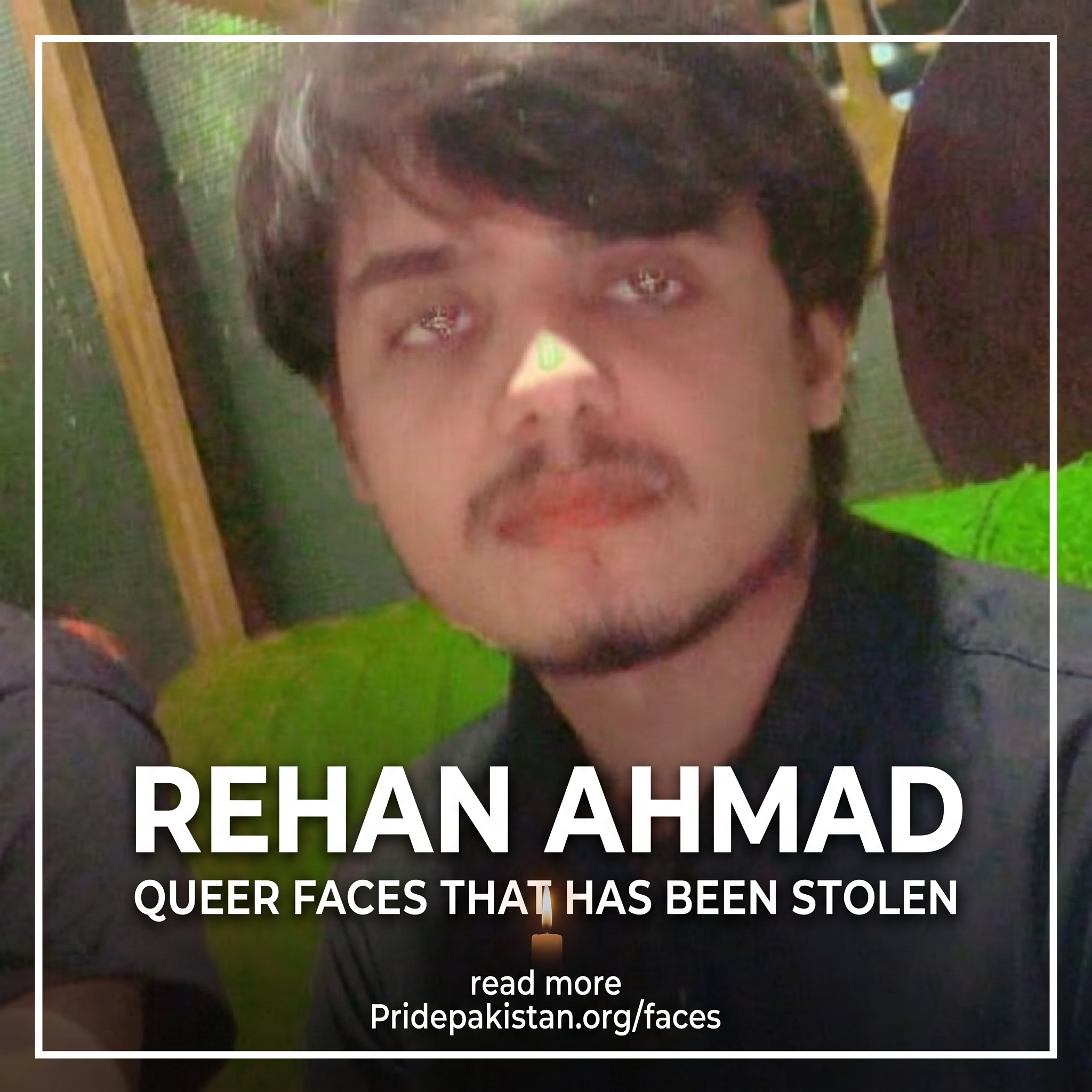
    🕯️ Honoring Rehan Ahmad:

    This blog post and the featured artwork belong to Ray Ahmad (Rehan)—an extraordinary queer poet, mathematician, and digital artist who is no longer with us. His books, including Come Visit Soon?: Digital Artworks from an Inner World in Motion, remain a testament to his genius and inner world.

    We extend our deepest gratitude to queer activist and influencer Ahtisham Bhatti for preserving Rehan’s memory, providing access to his writing, and helping us bring his voice to the PridePakistan.org platform.

    🕯️ ریحان احمد کو خراجِ تحسین:

    یہ مضمون اور شیئر کیا گیا آرٹ ورک ریحان احمد (Ray Ahmad) کی تخلیق ہے—ایک انتہائی باصلاحیت کوئیر شاعر، ریاضی دان اور ڈیجیٹل آرٹسٹ جو اب ہم میں موجود نہیں ہیں۔ ان کی کتابیں ان کی قابلیت اور اندرونی کائنات کی گواہی دیتی ہیں۔

    ہم کوئیر فعال کارکن اور انفلوئنسر احتشام کا تہہِ دل سے شکریہ ادا کرتے ہیں جنہوں نے ریحان کی تحریروں اور آرٹ کو محفوظ کیا اور پرائیڈ پاکستان کے پلیٹ فارم تک پہنچانے میں ہماری مدد کی۔

  • The Dangerous Impact of Digital Hate Campaigns Against LGBTQI+ Individuals in Pakistan

    The Dangerous Impact of Digital Hate Campaigns Against LGBTQI+ Individuals in Pakistan

    Digital spaces should serve as platforms for connection, community, and dialogue. However, in Pakistan, targeted online harassment and sensationalist reporting are being used to attack vulnerable individuals, leading to devastating real-world consequences.

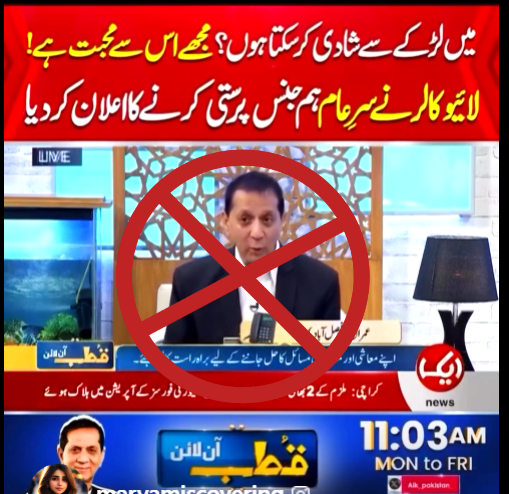
    Across platforms like Facebook, YouTube, and TikTok, several content creators and pages regularly publish videos targeting individuals perceived to be gay, transgender, or queer. By using out-of-context clips, filming individuals without consent, or even raiding private gatherings, these pages generate views through sensationalism and moral policing.

    This type of content frequently relies on unverified claims, character assassination, and harmful stereotypes—often attempting to link minority identities directly to criminality or social misconduct. In many instances, public figures and anchors actively call on authorities, employers, and families to take punitive action against individuals simply for their personal expression, appearance, or participation in private social events.

    The Real-World Consequences

    The impact of these digital campaigns extends far beyond online comment sections. When an individual’s personal life, private photos, or videos are broadcast online without consent, the immediate consequences can be catastrophic:

    • Job Loss and Economic Instability: Publicly targeting individuals often leads to immediate termination from employment and loss of professional livelihoods.
    • Family Separation: Disclosures forced by viral videos frequently result in physical expulsion from homes and complete loss of family support systems.
    • Physical Violence and Threats: Online hate campaigns generate severe safety risks, exposing targeted individuals to blackmail, physical assault, and severe harassment.
    • Mental Health Crisis: Persistent online hostility and public shaming create severe psychological distress, isolation, and anxiety for affected individuals and their communities.

    Addressing the spread of targeted harassment requires collective action from social media platforms, content creators, and the general public:

    1. Platform Policy Enforcement: Major networks must enforce their established community guidelines regarding harassment, privacy violations, hate speech, and doxxing.
    2. Responsible Media Ethics: Creators and media channels must respect basic privacy rights, avoid filming individuals without consent, and refrain from inciting hostility against marginalized groups.
    3. Digital Solidarity: Internet users can help reduce harm by reporting non-consensual videos, refusing to share sensationalist content, and supporting digital safety awareness.

    Protecting fundamental human dignity and privacy rights online is essential to ensuring a safer environment for everyone in society.

    جب آن لائن نفرت حقیقی زندگی کو نقصان پہنچاتی ہے: پاکستان میں ڈیجیٹل مہمات کے اثرات

    ڈیجیٹل پلیٹ فارمز کو رابطے اور گفتگو کے لیے استعمال ہونا چاہیے، لیکن بدقسمتی سے پاکستان میں سوشل میڈیا کا غلط استعمال بعض اوقات افراد کی نجی زندگی کو نشانہ بنانے کے لیے کیا جا رہا ہے، جس کے شدید منفی اثرات مرتب ہو رہے ہیں۔

    سنسنی خیز مواد اور نجی زندگی میں مداخلت

    فیس بک، یوٹیوب اور ٹک ٹاک پر کچھ پیجز اور مواد تخلیق کرنے والے افراد اکثر نجی تقاریب، ویڈیوز یا تصاویر کو بنا اجازت شائع کرتے ہیں۔ سنسنی خیزی اور بلاوجہ کی تنقید کے ذریعے ناظرین کی توجہ حاصل کرنے کی کوشش کی جاتی ہے، جس سے متعلقہ افراد کی کردار کشی ہوتی ہے۔

    ان ویڈیوز میں اکثر بغیر کسی ثبوت کے غلط الزامات لگائے جاتے ہیں اور افراد کو ان کی ذاتی زندگی، چال ڈھال یا لباس کی بنیاد پر نشانہ بنایا جاتا ہے۔ بعض اوقات متعلقہ حکام یا اداروں سے ان کے خلاف کارروائی کا مطالبہ بھی کیا جاتا ہے، جو کہ بنیادی انسانی حقوق اور پرائیویسی کی خلاف ورزی ہے۔

    آن لائن مہمات کے حقیقی زندگی پر اثرات

    جب کسی فرد کی نجی زندگی کو آن لائن وائرل کیا جاتا ہے تو اس کے نتائج صرف سوشل میڈیا تک محدود نہیں رہتے:

    روزگار کا نقصان: اس قسم کی مہمات کے نتیجے میں لوگوں کی ملازمتیں ختم ہو جاتی ہیں اور انہیں شدید معاشی مشکلات کا سامنا کرنا پڑتا ہے۔

    خاندانی و معاشرتی علیحدگی: آن لائن تشہیر کے بعد اکثر افراد کو ان کے گھروں اور خاندان سے الگ کر دیا جاتا ہے۔

    جسمانی خطرات اور ہراسانی: آن لائن نفرت انگیز مواد سے متعلقہ افراد کی سیکیورٹی کو شدید خطرات لاحق ہو جاتے ہیں اور انہیں بلیک میلنگ کا سامنا کرنا پڑتا ہے۔

    نفسیاتی دباؤ: مستقل تنقید اور ہراسانی سے افراد شدید ذہنی تناؤ اور خوف کا شکار ہوتے ہیں۔

    مسئلے کا حل اور ذمہ دارانہ طرز عمل

    اس صورتحال کو بہتر بنانے کے لیے درج ذیل اقدامات ضروری ہیں:

    1. سوشل میڈیا پالیسیوں کا نفاذ: پلیٹ فارمز کو ہراسانی، پرائیویسی کی خلاف ورزی اور نفرت انگیز مواد کے خلاف اپنی پالیسیوں پر سختی سے عمل کرنا چاہیے۔
    2. صحافتی و اخلاقی ذمہ داری: مواد تخلیق کرنے والوں کو پرائیویسی کے حقوق کا احترام کرنا چاہیے اور کسی بھی گروہ کے خلاف نفرت پھیلانے سے گریز کرنا چاہیے۔
    3. عوامی آگاہی: صارفین کو چاہیے کہ وہ بغیر اجازت بنائی گئی ویڈیوز کو آگے شیئر کرنے کے بجائے انہیں رپورٹ کریں۔

    ہر انسان کی پرائیویسی اور عزت نفس کا احترام ایک محفوظ اور باوقار معاشرے کی تشکیل کے لیے انتہائی ضروری ہے۔

  • The Grassroots Journey of PridePakistan.org

    The Grassroots Journey of PridePakistan.org

    ہماری تاریخ اور ارتقاء: پرائیڈ پاکستان کا زمینی سفر

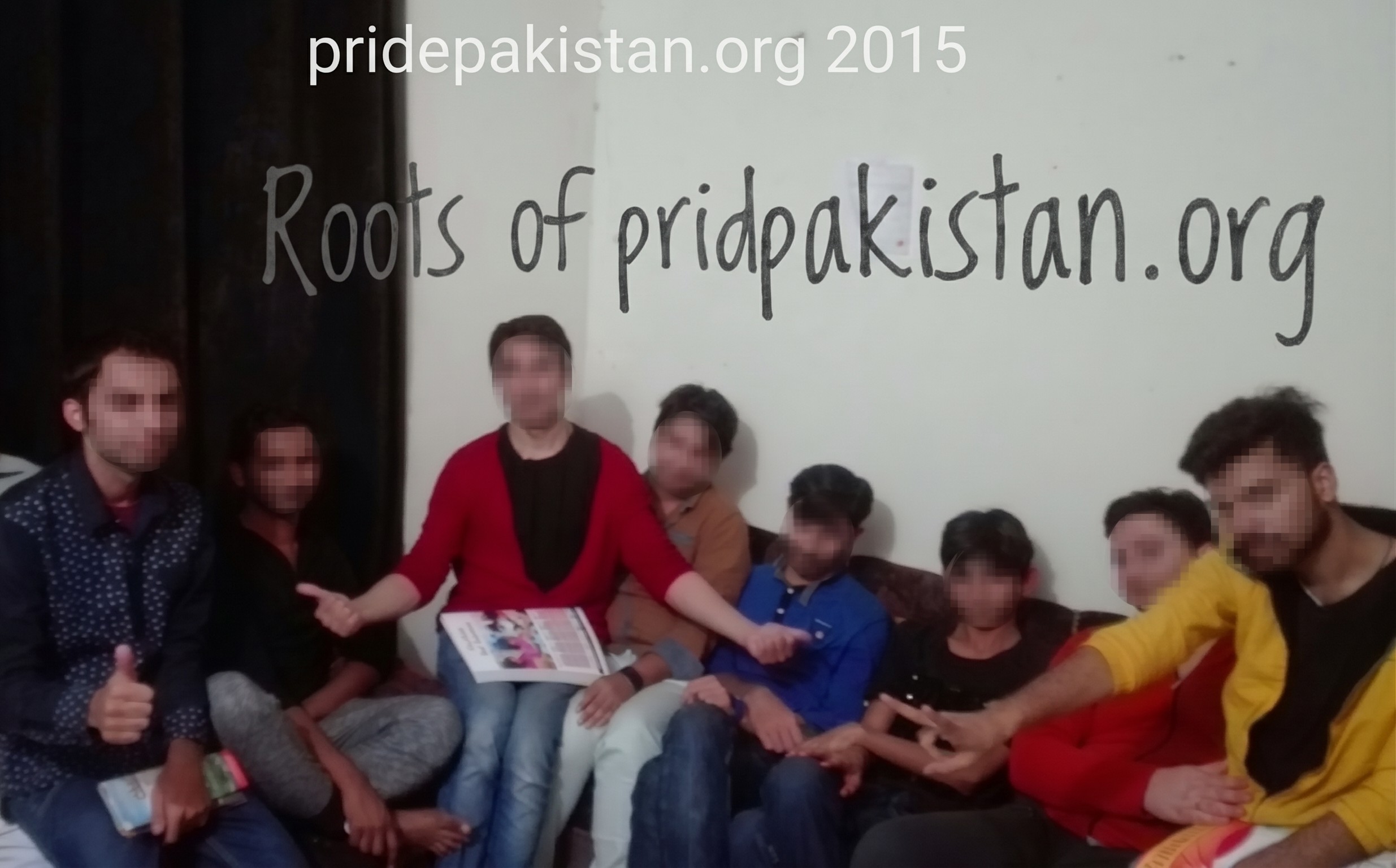
    2015 : Movement Over Registration: The Genesis

    PridePakistan.org did not begin overnight on a single calendar date, nor did it start as a formally registered legal entity. In Pakistan, Section 377 and widespread societal stigma make the legal registration of LGBTQI+ organizations impossible.

    The roots of our movement trace back to 2015, originating through youth-led Sexual and Reproductive Health and Rights (SRHR) initiatives supported by Rutgers Pakistan. This provided a rare, vital opening for young queer community members in smaller towns and urban hubs across Pakistan to organize local activities, build peer support networks, and discuss health rights safely.

    When Rutgers Pakistan and several other human rights organizations faced intense state pressure and eventual closure due to their advocacy for marginalized sexual health and rights, the activists refused to disperse. The work moved entirely underground, sustained by trusted peer networks and informal grassroots gatherings.

    2020 Underground Alliances & The “Pink Triangle”

    By 2020, as community resilience grew, the groundwork laid by founder and fellow activists transitioned into a more structured, confidential alliance network. Supported through strategic human rights initiatives , closed-space gatherings were organized in major urban areas.

    During this period, the “Pink Triangle” was formed a member alliance under the Pakistan LGBTQI Alliance umbrella designed to bring together diverse gay, bisexual, trans, and gender-nonconforming individuals under one unified banner. Through discrete Iftar dinners, capacity-building workshops on human rights (UDHR), HIV prevention, and peace-building, the network provided a safe haven for dozens of frontline activists. Afterwards Pink Trinangle also disapeared due to state pressure and security threaths.

    2024 The Shift to Decentralized Online Advocacy

    While in-person word-of-mouth networks created deep trust, physical gatherings were inherently limited by regional boundaries and severe security risks. Millions of queer Pakistanis living in rural districts, smaller towns, or conservative family structures remained completely isolated without access to safe information or support.

    Recognizing these limitations, our team made a strategic decision to transition into a decentralized, 100% volunteer-run digital platform.

    In 2024, PridePakistan.org formally launched its digital presence. By leveraging online resources, encrypted channels, data-driven demographic research, and educational archives, we expanded our reach from local city circles to serving over 17 million LGBTQI+ individuals across every district of Pakistan.

    تحریک کا آغاز: غیر رسمی اور بنیادی سفر (۲۰۱۵)

    پرائیڈ پاکستان کسی ایک دن اچانک یا کسی سرکاری دفتر میں رجسٹرڈ ہو کر وجود میں نہیں آئی۔ پاکستان میں دفعہ ۳۷۷ اور سماجی تعصبات کی وجہ سے ایل جی بی ٹی کیو آئی پلس تنظیمی رجسٹریشن ناممکن ہے۔

    ہماری تحریک کی جڑیں ۲۰۱۵ سے ملتی ہیں، جب رٹگرز پاکستان کی مدد سے صحت اور بنیادی حقوق کے پروگراموں کے ذریعے نوجوان کوئیر افراد کو اپنے شہروں میں چھوٹی سرگرمیاں منظم کرنے کا موقع ملا۔

    جب ریاستی پابندیوں کی وجہ سے ان اداروں کو بند کر دیا گیا، تو ہمارے ساتھیوں نے کام روکنے کے بجائے اسے مکمل طور پر غیر رسمی اور خفیہ نیٹ ورکس کے ذریعے جاری رکھا۔

    خفیہ بیٹھکیں اور “پنک ٹرائینگل” کا قیام (۲۰۲۰)

    ۲۰۲۰ میں بانی علی رضا خان اور ان کے ساتھیوں کی کاوشوں سے اس زمینی کام کو مزید مضبوط کیا گیا۔ بین الاقوامی انسانی حقوق کے فریم ورک (بشمول یورپی یونین کے تعاونی منصوبوں) کے تحت بڑے شہروں میں محفوظ اور خفیہ بیٹھکیں منعقد کی گئیں۔

    اسی دور میں “پنک ٹرائینگل” کا قیام عمل میں لایا گیا—جو پاکستان ایل جی بی ٹی کیو آئی الائنس کے تحت ایک ایسا پلیٹ فارم تھا جس کا مقصد تمام ہم جنس پرست، بائی سیکسول، اور خواجہ سرا افراد کو ایک پرچم تلے متحد کرنا تھا۔ افطار پارٹیوں، حقوقِ انسانی کی تربیت، اور ایچ آئی وی سے بچاؤ کی بیداری کے ذریعے درجنوں فعال کارکنوں کو ایک محفوظ چھت فراہم کی گئی۔

    اس کے بعد ریاستی دباؤ اور سیکورٹی خطرات کی وجہ سے گلابی مثلث بھی غائب ہو گیا

    آن لائن تعلیمی نیٹ ورک اور باقاعدہ آغاز (۲۰۲۴)

    اگرچہ زمینی بیٹھکوں نے گہرا اعتماد قائم کیا، لیکن سیکورٹی خدشات کی وجہ سے یہ کام چند شہروں تک محدود تھا۔ چھوٹے شہروں، دیہی علاقوں، اور روایتی خاندانوں میں رہنے والے لاکھوں کوئیر افراد تک معلومات نہیں پہنچ پا رہی تھیں۔

    اس ضرورت کو محسوس کرتے ہوئے، ہماری ٹیم نے مکمل طور پر رضا کارانہ اور ڈیجیٹل نظام اپنانے کا فیصلہ کیا۔

    ۲۰۲۴ میں، پرائیڈ پاکستان نے اپنی آن لائن ویب سائٹ اور ڈیجیٹل پلیٹ فارمز کا باقاعدہ آغاز کیا۔ سائنسی تحقیق، آبادیاتی ڈیٹا، اور تعلیمی مواد کے ذریعے ہم نے اپنے کام کو مقامی دائروں سے نکال کر پاکستان کے تمام اضلاع میں آباد ۱ کروڑ ۷۰ لاکھ سے زائد افراد کی خدمت کے لیے وقف کر دیا۔

  • The Stolen Voice of Rehan: Queer Resistance, Harassment, and Mysterious Death in Islamabad

    The Stolen Voice of Rehan: Queer Resistance, Harassment, and Mysterious Death in Islamabad

    Rehan was a young Pakistani queer individual whose voice vibrated with raw emotion, poetry, and vulnerable truths about navigating life, love, and identity in a deeply hostile society. Once verified across social media platforms, Rehan utilized Instagram and Twitter to share personal reflections, artistic verses, and direct messages with community networks, seeking solidarity in a world that routinely enforces silence.

    On September 12, the community received devastating news: a peer shared photographs confirming that Rehan’s body had been recovered under mysterious, unexplained circumstances from a lake in Islamabad.

    Targeted Harassment: Family Persecution and State Abuse

    Rehan’s tragic end was not an isolated incident, nor did it happen in a vacuum. Before his death, Rehan documented ongoing, severe harassment and psychological torture coming from multiple fronts:

    • Relational and Family Persecution: Like many queer youth in Pakistan, Rehan faced intense hostility, threats, and emotional abuse from relatives who viewed his identity as a source of dishonor.
    • Authority Harassment: Rehan was also subjected to targeted intimidation and harassment by local law enforcement and authorities, who routinely exploit Section 377 and social stigma to extort, threaten, and abuse queer individuals.

    Rehan’s struggle illustrates the terrifying reality for queer Pakistanis: when both the family unit and state institutions become sources of violence, there is virtually no safe haven left.

    A Broader Pattern Across Pakistan

    Rehan’s death is part of a growing, undocumented epidemic of mysterious deaths, forced disappearances, and targeted killings of LGBTQI+ individuals across Pakistan. From urban centers like Islamabad and Lahore to smaller towns across Punjab and Khyber Pakhtunkhwa, queer individuals routinely vanish, are found dead in unexplained circumstances, or are driven to extreme distress due to relentless state and societal torture.

    The Systemic Erasure of Truth

    In the days following Rehan’s death, a familiar pattern of digital and legal erasure unfolded:

    • Disappearing Digital Legacy: Rehan’s verified Instagram and Twitter handles—containing years of poetry, personal struggles, and queer activism—completely vanished from public view, wiped or deactivated following his death to bury his memory.
    • Media and Police Blackout: A search through Islamabad crime logs, mainstream news outlets, and police station registries yields zero official reports of the drowning. When families refuse to file an FIR or acknowledge a queer relative, the state treats the individual’s death as if it never occurred.
    • Vanishing Records: Even within encrypted community archives and inbox histories, past accounts and profiles vanished, leaving peer-to-peer social media posts as the sole surviving proof of Rehan’s life and tragic end.

    Rehan was an artist, a queer youth, and an integral part of our community. This profile stands as a permanent monument to Rehan’s memory—proof that Rehan lived, created, loved, and was taken from us far too soon.

    ریحان: ایک کوئیر شاعر جس کی آواز اور وجود کو مٹا دیا گیا

    ریحان ایک نوجوان پاکستانی کوئیر فرد تھے جن کی شاعراںہ تحریریں اور جذبات پاکستان کے سخت گیر معاشرے میں جینے، محبت اور پہچان کی سچی جدوجہد کا عکاس تھے۔ سوشل میڈیا پر ایک تصدیق شدہ پہچان رکھنے والے ریحان نے انسٹاگرام اور ٹوئٹر کا استعمال کرتے ہوئے ہمیشہ اپنی نظمیہ تحریریں، ذاتی احوال اور کمیونٹی کے لیے پیغامات شیئر کیے تاکہ ایک خاموش دنیا میں اپنی آواز پہنچا سکیں۔

    بارہ ستمبر کو کمیونٹی کو ایک ہولناک خبر موصول ہوئی، جب سوشل میڈیا پر ایک دوست نے تصویر کے ساتھ تصدیق کی کہ ریحان کی لاش اسلام آباد کی ایک جھیل سے پراسرار اور نامعلوم حالات میں برآمد ہوئی ہے۔

    منظم ہراسانی: خاندانی تعصب اور ریاستی جبر

    ریحان کا دردناک انجام کوئی واحد یا الگ تھلگ واقعہ نہیں تھا۔ اپنی وفات سے پہلے، ریحان نے اپنے پیغامات اور تحریروں میں ان مسلسل دھمکیوں اور شدید ہراسانی کا ذکر کیا جن کا انہیں متعدد اطراف سے سامنا تھا:

    خاندانی تعصب اور تشدد: پاکستان کے دیگر کوئیر نوجوانوں کی طرح، ریحان کو اپنے رشتہ داروں کی طرف سے شدید معاندانہ رویے، دھمکیوں اور جذباتی تشدد کا سامنا تھا جو ان کی پہچان کو اپنے لیے باعثِ شرم سمجھتے تھے۔

    ریاستی اداروں اور پولیس کی ہراسانی: ریحان کو مقامی پولیس اور انتظامیہ کی طرف سے بھی ہدف بنا کر بلیک میل اور ہراساں کیا جاتا تھا، جو کوئیر افراد کو ڈرانے دھمکانے اور ان کا استحصال کرنے کے لیے قانون اور سماجی تعصبات کا سہارا لیتے ہیں۔

    ریحان کی جدوجہد کوئیر پاکستانیوں کی اس ہولناک حقیقت کو ظاہر کرتی ہے کہ جب خاندان اور ریاستی ادارے دونوں ہی تشدد کا ذریعہ بن جائیں، تو انسان کے پاس چھپنے کے لیے کوئی محفوظ جگہ نہیں بچتی۔

    ملک بھر میں پھیلا ہوا ایک ہولناک سلسلہ

    ریحان کی موت پاکستان بھر میں ایل جی بی ٹی کیو آئی پلس افراد کی پراسرار اموات، جبری گمشدگیوں اور ٹارگٹڈ تشدد کے اس سلسلے کا حصہ ہے جسے کبھی سرکاری سطح پر ریکارڈ نہیں کیا جاتا۔ اسلام آباد اور لاہور جیسے بڑے شہروں سے لے کر پنجاب اور خیبر پختونخوا کے چھوٹے علاقوں تک، کوئیر افراد کو مسلسل خاموش کیا جا رہا ہے، وہ پراسرار حالات میں لاپتہ ہو جاتے ہیں یا تشدد سے تنگ آ کر ان کی زندگی چرا لی جاتی ہے۔

    ڈیجیٹل اور قانونی تاریخ کو مٹانے کا تسلسل

    ریحان کی وفات کے بعد وہی پرانا ہولناک سلسلہ دیکھنے کو ملا جو ہماری کمیونٹی کے ساتھ بار بار دہرایا جاتا ہے:

    ڈیجیٹل وجود کا خاتمہ: ریحان کے تصدیق شدہ انسٹاگرام اور ٹوئٹر اکاؤنٹس—جن میں ان کی سالوں کی شاعری اور جدوجہد کا ریکارڈ موجود تھا—اچانک منظرِ عام سے مکمل طور پر غائب کر دیے گئے تاکہ ان کی یادوں کو دفن کیا جا سکے۔

    میڈیا اور پولیس کی خاموشی: اسلام آباد کے مقامی پولیس ریکارڈ اور خبروں کے اداروں میں اس واقعے کی کوئی باقاعدہ رپورٹ نہیں ملتی۔ پاکستان میں جب خاندان والے پرچہ درج کرانے سے انکار کرتے ہیں، تو ریاست کوئیر افراد کی اموات کو مکمل طور پر نظر انداز کر دیتی ہے۔

    پیغامات کا غائب ہونا: یہاں تک کہ سوشل میڈیا کے ان باکسز سے بھی ریحان کا اکاؤنٹ ڈیلیٹ ہونے کی وجہ سے پرانے پیغامات غائب ہو گئے، جس کے بعد صرف دوستوں کی سوشل میڈیا پوسٹس ہی ان کے وجود کی آخری گواہی بچیں۔

    ریحان ایک شاعر، ایک کوئیر نوجوان اور ہماری برادری کا حصہ تھے۔ یہ بلاگ ان کی یاد میں ایک باوقار ڈیجیٹل منار کے طور پر قائم کیا گیا ہے—اس بات کا ثبوت کہ ریحان نے جنم لیا، شاعری کی، محبت کی، اور انہیں ہم سے بہت جلد چھین لیا گیا۔

    📌 Data Source & Correction Notice:

    The information regarding Rehan’s life, harassment, and death was gathered directly through underground social media community networks, peer documentation, and social media records, as formal police FIRs and mainstream news coverage are systematically suppressed. If you hold further information, screenshots of Rehan’s original poetry, or wish for any details on this memorial page to be updated, corrected, or removed for security reasons, please write to us directly through our secure contact forms.