
Living as a gay or queer individual in Pakistan has long required navigating systemic prejudice and quiet survival. However, a dangerous escalation by state authorities is making even basic existence increasingly perilous. Law enforcement and border control agencies—including the Federal Investigation Agency (FIA) and local police—are actively violating individual privacy by conducting random, arbitrary checks of personal mobile phones to target, blackmail, and arrest individuals based on private social media conversations and text messages.
This alarming pattern came to light once again in a recent case reported by national media (Jang News). A gay individual, previously deported from an European Union member state, was intercepted while traveling. During an inspection, FIA officers searched his personal phone, discovered private chat histories with his boyfriend, and subsequently arrested him, restricting his movement entirely on the grounds of his sexual orientation.
This case is not an isolated incident. It exposes two critical, interconnected human rights crises: the dangerous flaws in Western asylum deportations, and the expanding surveillance state within Pakistan.
From “Adult Content” to Criminalizing Identity
Previously, authorities often relied on vague statutes regarding illegal or explicit digital media to confiscate devices or intimidate individuals. Now, state agencies have moved far beyond checking for restricted media. Personal chats, private WhatsApp messages, dating app profiles, or simple expressions of affection between consenting adults are now being weaponized as grounds for arrest, false FIRs (First Information Reports), and detention.
When an individual’s private digital life is subjected to arbitrary search without a warrant or legal cause, the legal system ceases to operate on evidence of harm and instead becomes a tool for moral policing and state extortion.
The Deadly EU Connection
This case once again highlights the severe flaw in European immigration policies regarding queer asylum seekers. EU member states frequently reject asylum applications from LGBTQI+ Pakistanis under the false assumption that Pakistan is “safe enough” if individuals simply remain discreet.
Yet, as this incident proves, discretion is impossible in an environment of arbitrary digital stop-and-frisks. When European authorities deport queer individuals back to Pakistan, they send them directly into a system where border officials inspect devices, uncover their identity, and immediately detain them upon arrival. By ignoring these realities, EU states are actively feeding vulnerable individuals back into a pipeline of state persecution.
The Reality of Daily Life: Living in Constant Fear
The weaponization of digital devices makes it virtually impossible for queer Pakistanis to live a normal, peaceful life. The psychological and social impact of this surveillance includes:
- Constant Paranoia and Self-Censorship: Individuals are forced to constantly clear their search histories, delete private messages, or avoid keeping contact details of partners on their phones, fearing that a random police checkpoint or airport inspection could lead to immediate arrest.
- Fabricated Charges and Extortion: Knowing the intense social stigma and legal vulnerability surrounding same-sex relations, corrupt officials frequently use private chats to fabricate severe FIRs, forcing victims or their terrified families to pay heavy bribes to avoid public exposure.
- Complete Isolation: When digital spaces—the only place where many queer individuals can find community, peer support, or affirmative mental health advice—become surveillance traps, individuals are cut off from safe human connection, leading to severe mental health crises and despair.
A Call for Accountability and Digital Privacy
Every individual has a fundamental right to privacy, bodily autonomy, and freedom from arbitrary detention under international human rights law. State authorities in Pakistan must cease the illegal searching of personal electronic devices without due legal process and stop using private conversations to criminalize consenting adults.
At the same time, international protection agencies and European immigration tribunals must recognize that as long as state agencies in Pakistan use digital profiling and phone searches to arrest gay individuals, returning asylum seekers to the country remains a direct violation of international human rights and the principle of non-refoulement.
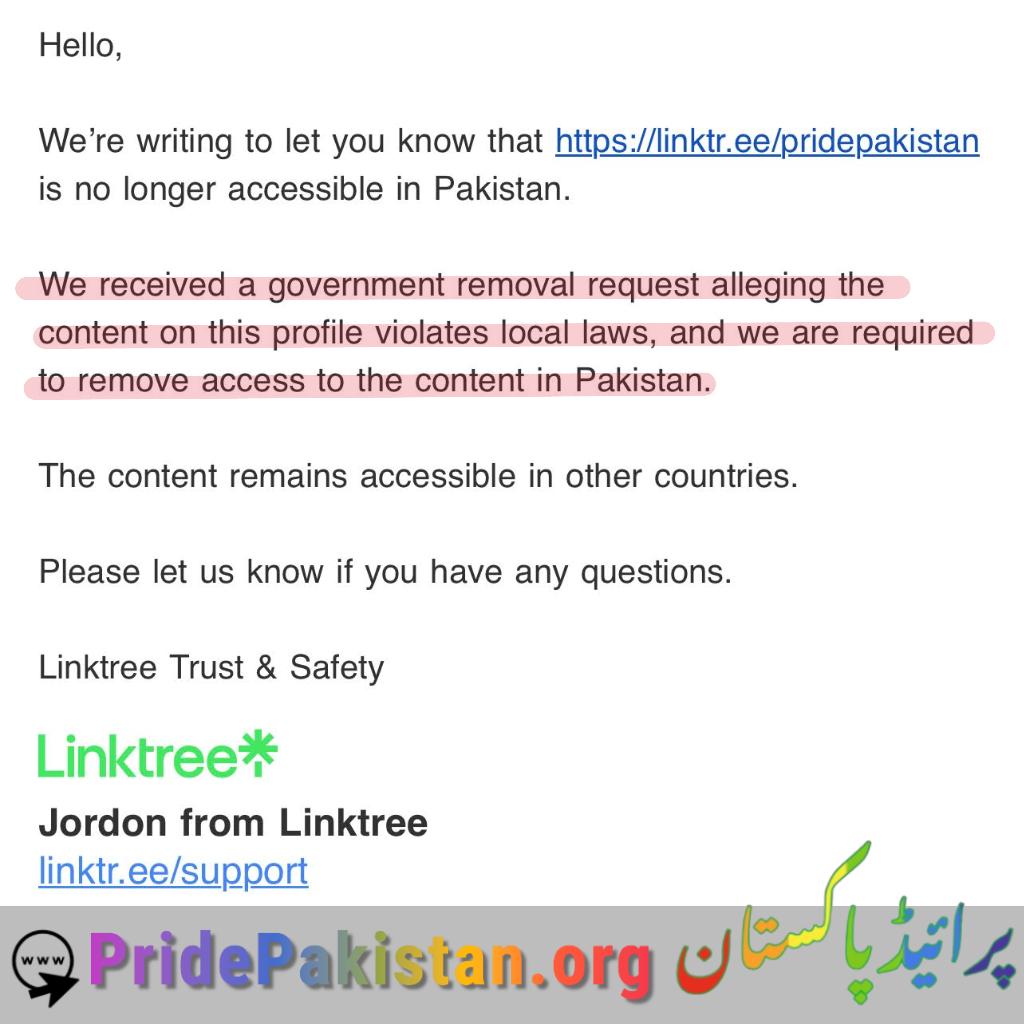
(Note: If you are accessing our website from within Pakistan, please ensure you use a VPN to view our resources safely.)

حد سے آگے: فونز کی تلاشی اور ڈیجیٹل نگرانی کے ذریعے پاکستانیوں کو نشانہ بنانے کا عمل
پاکستان میں ہم جنس پرست افراد کے لیے زندگی ہمیشہ سے مشکلات کا شکار رہی ہے، لیکن اب سرکاری اداروں کا نیا رویہ اس وجود کو مزید خطرناک بنا رہا ہے۔ قانون نافذ کرنے والے اور سرحدی سیکیورٹی کے ادارے، بشمول فیڈرل انویسٹی گیشن ایجنسی اور مقامی پولیس، عام شہریوں کے موبائل فونز کی تلاشی لے کر اور ان کے نجی میسجز اور سوشل میڈیا چیٹس کو بنیاد بنا کر گرفتاریوں اور بلیک میلنگ کا سلسلہ چلا رہے ہیں۔
یہ سنگین صورتحال حال ہی میں قومی اخبار جنگ کی رپورٹ کے ذریعے دوبارہ سامنے آئی۔ یورپی یونین کے ایک رکن ملک سے زبردستی واپس بھیجے گئے ایک شخص کو دورانِ سفر روک کر اس کے فون کی تلاشی لی گئی۔ متعلقہ اہلکاروں نے اس کے فون سے اس کے دوست کے ساتھ نجی چیٹ تلاش کی اور اس بنیاد پر اسے گرفتار کر کے اس کی نقل و حرکت پر مکمل پابندی لگا دی۔
یہ واقعہ کوئی واحد واقعہ نہیں ہے، بلکہ یہ دو بڑے مسائل کو اجاگر کرتا ہے: یورپ کی پناہ گزین پالیسیوں کی ناکامی اور پاکستان میں شہریوں کی پرائیویسی کی شدید خلاف ورزی۔
نجی معلومات سے لے کر گرفتاریوں تک
ماضی میں اکثر غیر قانونی مواد کا بہانہ بنا کر فون ضبط کیے جاتے تھے، لیکن اب ادارے نجی پیغامات، واٹس ایپ چیٹس، اور اپلیکشنز پر کی گئی گفتگو کو باقاعدہ مقدمات، جعلی ایف آئی آرز، اور حراست کی بنیاد بنا رہے ہیں۔
جب بغیر کسی قانونی جواز کے شہریوں کے موبائل فونز کی تلاشی لی جاتی ہے، تو قانون کا مقصد تحفظ کے بجائے عام لوگوں کو ڈرانے اور ان سے پیسے بٹورنے کا ذریعہ بن جاتا ہے۔
یورپی یونین کا خطرناک کردار
یہ واقعہ ایک بار پھر یورپ کی پناہ گزینوں سے متعلق پالیسی کی خامیاں سامنے لاتا ہے۔ یورپی ممالک اکثر یہ کہہ کر درخواستیں مسترد کر دیتے ہیں کہ پاکستان میں چھپ کر رہنا ممکن ہے۔
لیکن جب پاکستانی ادارے ایئرپورٹس پر فونز کی تلاشی لے کر لوگوں کو گرفتار کر رہے ہوں، تو ایسی صورت میں محتاط رہنا ناٹ ممکن ہو جاتا ہے۔ یورپ سے ڈیپورٹ کیے جانے والے افراد کو سیدھا ان اداروں کے حوالے کر دیا جاتا ہے جو ان کی نجی معلومات دیکھ کر انہیں فوری حراست میں لے لیتے ہیں۔
روزمرہ زندگی کے شدید اثرات
فونز کی غیر قانونی تلاشی نے عام شہریوں کی زندگیوں کو شدید خوف میں مبتلا کر دیا ہے:
- مسلسل خوف اور ہراس: لوگ اپنے فونز سے میسجز اور ہسٹری پاک کرنے پر مجبور ہیں تاکہ کسی بھی ناکے یا ایئرپورٹ پر تلاشی کے دوران گرفتاری سے بچ سکیں۔
- جعلی مقدمات اور بلیک میلنگ: نجی چیٹس کا سہارا لے کر جعلی پرچے کاٹ دیے جاتے ہیں اور لوگوں کو بلیک میل کر کے بھاری رقم وصول کی جاتی ہے۔
- تنہائی: جب آن لائن رابطے بھی غیر محفوظ ہو جائیں، تو لوگ ایک دوسرے سے کٹ جاتے ہیں اور شدید ذہنی تناؤ کا شکار ہو جاتے ہیں۔
پرائیویسی اور بنیادی حقوق کا مطالبہ
ہر شہری کا بنیادی حق ہے کہ اس کی پرائیویسی اور ذاتی زندگی کا احترام کیا جائے۔ پاکستان میں اداروں کو بغیر قانونی اجازت کے فونز کی تلاشی کا یہ سلسلہ فوری بند کرنا چاہیے۔
اس کے ساتھ ساتھ بین الاقوامی اداروں کو بھی یہ سمجھنا ہو گا کہ جب تک یہاں پرائیویٹ چیٹس کی بنیاد پر گرفتاریوں کا سلسلہ جاری ہے، تب تک لوگوں کو واپس بھیجنا انسانی حقوق کے بین الاقوامی اصولوں کی کھلی خلاف ورزی ہے۔
(نوٹ: پاکستان میں ہماری ویب سائٹ کھولنے کے لیے وی پی این کا استعمال کریں۔)