Welcome to Pride Pakistan’s resource center dedicated to exploring gender, sexuality, and faith. For many queer and transgender Muslims, reconciling spirituality with personal identity is a journey filled with profound questions. This portal aggregates historical facts, progressive Islamic scholarship, Quranic hermeneutics, and lived experiences to demonstrate that compassionate, affirming interpretations of Islam have always existed across history and continue to thrive today.
پرائیڈ پاکستان کے اس معلوماتی مرکز میں خوش آمدید، جو جنس، جنسیت اور اسلام کے باہمی تعلق کو سمجھنے کے لیے قائم کیا گیا ہے۔ ہم جنس پرست، بائی سیکسوئل، اور ٹرانس جینڈر مسلمانوں کے لیے اپنے ایمان اور شناخت کے درمیان ہم آہنگی پیدا کرنا ایک اہم اور گہرا روحانی سفر ہے۔ یہ پورٹل قرآنی تفسیر، اسلامی تاریخ، اور جدید ترقی پسند علماء کی تحریروں کو یکجا کرتا ہے تاکہ یہ واضح کیا جا سکے کہ اسلام میں شفقت، برابری اور تمام انسانوں کے احترام کا پیغام ہمیشہ سے موجود ہے۔
Section I: Gender & Sexuality Diversity Before & During Early Islam
پہلا حصہ: ابتدائی اسلام سے پہلے اور اس کے دوران جنسی اور صنفی تنوع
Pre-Islamic Arabia & Context: Exploration of dynamic social structures and varied expressions of gender and attraction existing across the Arabian peninsula prior to the 7th century.
The Concept of Mukhannathun (مخنثون): Historical documentation of gender-nonconforming individuals in Medina and Mecca. Early Hadith literature records the Prophet Muhammad’s interaction with mukhannathun, emphasizing protection against unjust persecution and establishing legal/social space for individuals outside strict gender binaries.
Divine Diversity in Creation: Highlight Quranic verses emphasizing that human diversity—in forms, colors, languages, and dispositions (Shakila)—is a deliberate divine sign (e.g., Surah Ar-Rum 30:22, Surah Al-Hujurat 49:13, Surah Al-Isra 17:84).
اسلام سے پہلے کا عرب معاشرہ اور پس منظر: ساتویں صدی سے قبل جزیرہ نما عرب میں موجود معاشرتی ڈھانچے اور صنفی و جنسی تنوع کا جائزہ۔
مخنثون کا تصور: مدینہ اور مکہ میں صنف سے ہٹ کر رہنے والے افراد کی تاریخی دستاویزات۔ احادیثِ مبارکہ میں نبی کریم صلی اللہ علیہ وسلم کا مخنث افراد کے ساتھ رویہ درج ہے، جو ظالمانہ ظلم سے تحفظ اور صنفِ روایتی سے ہٹ کر زندگی گزارنے والے افراد کے لیے معاشرتی و قانونی جگہ فراہم کرنے پر زور دیتا ہے۔
تخلیق میں الہی تنوع: قرآنی آیات جن میں اس بات پر زور دیا گیا ہے کہ انسانوں کا تنوع (شکلوں، رنگوں، زبانوں اور رجحانات میں) ایک سوچی سمجھی الہی نشانی ہے (مثلاً سورۃ الروم آیت ۲۲، سورۃ الحجرات آیت ۱۳، اور سورۃ الاسراء آیت ۸۴)۔
Section II: Queer History Within Islamic Civilizations
- Medieval & Classical Islamic Literature: Documentation of homoerotic poetry, literature, and social history across Abbasid Baghdad, Andalusian Spain, Ottoman Turkey, and Mughal South Asia (e.g., works of Abu Nuwas, Shah Hussain, and Sarmad Kashani).
- Jurisprudence & Fluidity: Historical legal texts (fiqh) that recognized ambiguous genitalia (Khuntha) and non-normative expressions long before modern Western terminology emerged.
Section III: Re-Examining the Story of the People of Lut (Prophet Sodom Narrative)
- Traditional vs. Contextual Analysis: Addressing the primary Quranic passages (Surah Al-A’raf, Surah Hud) traditionally cited against homosexuality.
- The Core Sin of Sodom: Scholarly breakdowns (by figures like Scott Siraj al-Haqq Kugle and Imam Muhsin Hendricks) showing that the condemnation in the Quran targets:
- Violent gang rape and xenophobic sexual assault of guests.
- Highway robbery, betrayal of hospitality, and socio-economic injustice.
- Forced sexual acts by men who otherwise had female spouses, transgressing against consensual relational bounds.
- Distinction Between Assault and Love: Re-framing the text to clarify that consensual, loving, same-sex relationships between committed partners are structurally distinct from the violent, non-consensual acts committed by the people of Lut.
Section IV: Personal Faith & Divine Autonomy
- “Religion is Between the Creator and the Created”: Emphasizing the core Quranic principle of Tawhid (Oneness of God) and individual responsibility (Surah Al-An’am 6:164).
- Rejection of Intermediaries: Affirming that no human, cleric, or community has the authority to declare another person’s faith invalid (Takfir), as judgment rests solely with Allah (Taqwa and Divine Justice).
Persian / Iranian & Multilingual Digital Platforms
- Six-Rang (Iranian Lesbian and Transgender Network): Focuses on educational content, legal awareness, and Persian-language resources bridging identity and regional history (Website: sixrang.org).
- Maha.queer / Persian Queer Accounts: Instagram-based educational movements utilizing historical manuscripts, theological breakdowns, and visual infographics highlighting queer history in the Middle East and Persianate culture.
International Organizations, Imams & Scholars
- Muslims for Progressive Values (MPV): Global movement offering progressive Islamic theology, gender justice toolkits, and Urdu educational pages (Website: mpvusa.org).
- The Inner Circle (South Africa): Founded by Imam Muhsin Hendricks, providing human rights advocacy and theological alignment for queer Muslims (Website: theinnercircle.org.za).
- Inclusive Mosque Initiative (UK): Creates intersectional, trauma-informed, and affirming spaces for worship (Website: inclusivemosque.org).
- Key Scholars & Authors:
- Dr. Scott Siraj al-Haqq Kugle: Author of Homosexuality in Islam: Critical Reflection on Gay, Lesbian, and Transgender Muslims.
- Dr. Amina Wadud: Islamic feminist scholar advocating for gender parity and inclusive theology.
- Dr. Ali Asani: Professor of Indo-Muslim and Islamic Religion and Cultures at Harvard University.
South Asian & Pakistani Context
- The Queer Muslim Project (TQMP): Asia’s digital platform amplifying queer Muslim voices through storytelling, art, and historical archiving (Website: tqmp.in).
- Mehrgarh & Khawaja Sira Movement: Documentation of Khawaja Sira heritage, legal activism in Pakistan (e.g., Transgender Persons Protection of Rights Act 2018), and indigenous historical presence within Sufi traditions in South Asia.
4. Key Questions & Answer Blueprint (FAQ Section)
[+] FAQ 1: Does Islam inherently reject non-heteronormative gender identities and sexual orientations?
    --> Brief Answer: Progressive scholars argue that the Quran affirms divine diversity in creation. Condemnations often stem from patriarchal cultural interpretations rather than explicit spiritual prohibitions against consensual love.

[+] FAQ 2: How do progressive scholars address the story of Prophet Lut (A.S.)?
    --> Brief Answer: Textual analysis indicates the sin of Sodom was unprovoked sexual violence, host-inhospitality, and gang rape, not consensual same-sex partnerships.

[+] FAQ 3: What is the status of transgender and gender-nonconforming people in Islamic tradition?
    --> Brief Answer: Classical jurisprudence acknowledged non-binary conditions (Khuntha) and gender-nonconforming individuals (Mukhannathun), granting them distinct legal protections and social roles.

[+] FAQ 4: Can I remain a practicing Muslim while identifying as LGBTQI+?
    --> Brief Answer: Yes. Faith is an unmediated relationship between an individual and Allah. No person or council holds the authority to strip a believer of their Muslim identity.
5. Source Links & Attribution Notice Template
Add a direct note at the bottom of the landing page:
Source Notice & Gratitude:
All educational materials, research papers, and translated texts hosted on this hub cite their original sources. Pride Pakistan explicitly acknowledges and credits the work of Muslims for Progressive Values (MPV), The Queer Muslim Project, Dr. Scott Siraj al-Haqq Kugle, and regional academic scholars. Direct hyperlinks to original publications are embedded throughout each module to foster transparent cross-platform learning.
یہاں پرائیڈ پاکستان کے اسلام اور جنسیت سے متعلق معلوماتی اور تعلیمی صفحے کا مکمل اردو ترجمہ پیش ہے، جسے خالص اردو رسم الخط میں تیار کیا گیا ہے:
۱. صفحہ اول کا تعارف (Landing Page Header)
- اسلام سے پہلے کا عرب معاشرہ اور پس منظر: ساتویں صدی سے قبل جزیرہ نما عرب میں موجود معاشرتی ڈھانچے اور صنفی و جنسی تنوع کا جائزہ۔
- مخنثون کا تصور: مدینہ اور مکہ میں صنف سے ہٹ کر رہنے والے افراد کی تاریخی دستاویزات۔ احادیثِ مبارکہ میں نبی کریم صلی اللہ علیہ وسلم کا مخنث افراد کے ساتھ رویہ درج ہے، جو ظالمانہ ظلم سے تحفظ اور صنفِ روایتی سے ہٹ کر زندگی گزارنے والے افراد کے لیے معاشرتی و قانونی جگہ فراہم کرنے پر زور دیتا ہے۔
- تخلیق میں الہی تنوع: قرآنی آیات جن میں اس بات پر زور دیا گیا ہے کہ انسانوں کا تنوع (شکلوں، رنگوں، زبانوں اور رجحانات میں) ایک سوچی سمجھی الہی نشانی ہے (مثلاً سورۃ الروم آیت ۲۲، سورۃ الحجرات آیت ۱۳، اور سورۃ الاسراء آیت ۸۴)۔
دوسرا حصہ: اسلامی تاریخ میں ہم جنس پسندی اور متنوع روایات
- قرون وسطیٰ اور کلاسیکی اسلامی ادب: عباسی بغداد، اندلس کے اسپین، عثمانی ترکی اور مغل دورِ جنوبی ایشیا کا ہم جنس پرستانہ شاعری، ادب اور سماجی تاریخ کا ریکارڈ (مثلاً ابو نواس، شاہ حسین، اور سرمد کاشانی کے کام)۔
- فقہ اور روانی: تاریخی فقہی کتب جن میں ایسے افراد کو تسلیم کیا گیا ہے جن کی جسمانی علامات مبہم تھیں یا جو روایتی دائرے سے باہر تھے، اور یہ جدید دور کی مغربی اصطلاحات کے وجود میں آنے سے بہت پہلے تسلیم کیا گیا تھا۔
تیسرا حصہ: قومِ لوط کے قصے کی نئی تشریح
- روایتی بمقابلہ سیاق و سباق کا تجزیہ: ان بنیادی قرآنی آیات کا جائزہ (سورۃ الاعراف، سورۃ ہود) جو روایتی طور پر ہم جنس پسندی کی مخالفت میں پیش کی جاتی ہیں۔
- قومِ لوط کا اصل گناہ: علماء (جیسے سکاٹ سراج الحق کگل اور امام محسن ہینڈرکس) کے تجزیے جو یہ ظاہر کرتے ہیں کہ قرآن میں مذمت کا ہدف درج ذیل چیزیں تھیں: ۱۔ زبردستی گروہی زیادتی اور مہمانوں پر جنسی و نسلی حملہ۔ ۲۔ ڈکیتی، مہمان نوازی سے خیانت، اور معاشی ناانصافی۔ ۳۔ ایسے مردوں کی طرف سے زبردستی کے جنسی افعال جو دوسری صورت میں عورتوں سے ازدواجی تعلق رکھتے تھے، اور باہمی رضامندی کی حدود سے تجاوز کرتے تھے۔
- حملے اور محبت میں فرق: متن کی اس طرح تشریح کرنا کہ باہمی رضامندی اور محبت پر مبنی ایک ہی جنس کے افراد کے سنجیدہ رشتے، قومِ لوط کے پرتشدد اور غیر رضامندانہ افعال سے بنیادی طور پر مختلف ہیں۔
چوتھا حصہ: ذاتی ایمان اور الہی خودمختاری
- “دین خدا اور بندے کے درمیان کا معاملہ ہے”: توحید کے بنیادی قرآنی اصول اور انفرادی ذمہ داری پر زور (سورۃ الانعام آیت ۱۶۴)۔
- درمیان میں واسطوں کا انکار: اس بات کی تصدیق کہ کسی بھی انسان، عالم، یا جماعت کو یہ اختیار حاصل نہیں ہے کہ وہ کسی دوسرے شخص کے ایمان کو باطل قرار دے (تکفیر کرے)، کیونکہ فیصلہ صرف اللہ کے ہاتھ میں ہے (تقویٰ اور الہی انصاف)۔
۳. عالمی اور علاقائی ترقی پسند مسلم وسائل
فارسی، ایرانی اور کثیر لسانی ڈیجیٹل پلیٹ فارمز
- شش رنگ (ایرانی لیسبیئن اور ٹرانس جینڈر نیٹ ورک): تعلیمی مواد، قانونی بیداری، اور فارسی زبان کے وسائل پر توجہ مرکوز کرتا ہے جو شناخت اور علاقائی تاریخ کو آپس میں جوڑتے ہیں۔
- فارسی ہم جنس پسند تعلیمی اکاؤنٹس: انسٹاگرام پر مبنی تعلیمی تحریکیں جو تاریخی مسودات، دینی تجزیوں، اور بصری خاکوں کے ذریعے مشرق وسطیٰ اور فارسی ثقافت کی تاریخ کو اجاگر کرتی ہیں۔
بین الاقوامی تنظیمیں، ائمہ اور علماء
- مسلمز فار پروگریسو ویلیوز (MPV): عالمی تحریک جو ترقی پسند اسلامی الہیات، صنفی انصاف کے ٹول کٹس، اور اردو کے تعلیمی صفحات فراہم کرتی ہے۔
- دی انر سرکل (جنوبی افریقہ): امام محسن ہینڈرکس کی قائم کردہ تنظیم، جو ہم جنس پسند مسلمانوں کے لیے انسانی حقوق کی وکالت اور دینی ہم آہنگی فراہم کرتی ہے۔
- انکلوسیو مسجد انیشیٹو (برطانیہ): عبادت کے لیے ایسے شمولیت پر مبنی، صدمے سے پاک اور توثیقی مقامات بناتی ہے۔
- اہم علماء اور مصنفین:
- ڈاکٹر سکاٹ سراج الحق کگل: مصنف “اسلام میں ہم جنس پسندی: ہم جنس پرست، لیسبیئن اور ٹرانس جینڈر مسلمانوں پر تنقیدی غور”۔
- ڈاکٹر آمنہ ودود: اسلامی نسوانی عالمہ جو صنفی برابری اور شمولیت پر مبنی الہیات کی حامی ہیں۔
- ڈاکٹر علی آسانی: ہارورڈ یونیورسٹی میں انڈو مسلم اور اسلامی مذہب و ثقافت کے پروفیسر۔
جنوبی ایشیائی اور پاکستانی پس منظر
- دی کیور مسلمان پروجیکٹ: کہانی سنانے، فن اور تاریخی آرکائیوز کے ذریعے ہم جنس پرست مسلم آوازوں کو وسعت دینے والا ایشیا کا ڈیجیٹل پلیٹ فارم۔
- مہر گڑھ اور خواجہ سرا تحریک: خواجہ سرا ورثے کی دستاویزات، پاکستان میں قانونی سرگرمی (مثلاً خواجہ سراؤں کے حقوق کے تحفظ کا ایکٹ ۲۰۱۸ء)، اور جنوبی ایشیا کی صوفی روایات میں مقامی تاریخی موجودگی۔
۴. عام سوالات اور جوابات (ایف اے کیو)
[+] سوال ۱: کیا اسلام بنیادی طور پر غیر روایتی صنفی شناخت اور جنسی رجحانات کو مسترد کرتا ہے؟
    --> مختصر جواب: ترقی پسند علماء کا استدلال ہے کہ قرآن تخلیق میں الہی تنوع کی تصدیق کرتا ہے۔ مذمت اکثر صنفِ مخالف کے جبر پر مبنی روایتی تشریحات سے پیدا ہوتی ہے نہ کہ باہمی رضامندی کی محبت کے خلاف واضح روحانی پابندیوں سے۔

[+] سوال ۲: ترقی پسند علماء حضرت لوط علیہ السلام کے قصے کو کیسے بیان کرتے ہیں؟
    --> مختصر جواب: متن کے تجزیے سے معلوم ہوتا ہے کہ سدوم کا گناہ بلا اشتعال جنسی تشدد، مہمان نوازی کی عدم ادائیگی اور گروہی زیادتی تھا، نہ کہ باہمی رضامندی والے ہم جنس رشتے۔

[+] سوال ۳: اسلامی روایت میں مخنث اور روایتی صنفی دائرے سے باہر کے لوگوں کا کیا مقام ہے؟
    --> مختصر جواب: کلاسیکی فقہ نے غیر بائنری حالتوں (خنثیٰ) اور صنفی دائرے سے ہٹ کر رہنے والے افراد (مخنثون) کو تسلیم کیا، اور انہیں الگ قانونی تحفظات اور معاشرتی کردار عطا کیے۔

[+] سوال ۴: کیا میں ہم جنس پرست شناخت رکھنے کے باوجود ایک پریکٹسنگ مسلمان رہ سکتا ہوں؟
    --> مختصر جواب: ہاں۔ ایمان ایک فرد اور اللہ کے درمیان بلاواسطہ تعلق ہے۔ کوئی بھی شخص یا کونسل کسی مومن کی مسلم شناخت چھیننے کا اختیار نہیں رکھتی۔
۵. ماخذ کے روابط اور کریڈٹ کا نوٹس
صفحے کے نیچے ایک واضح نوٹ شامل کیا جائے:
ماخذ کا نوٹس اور شکریہ:
اس معلوماتی مرکز پر موجود تمام تعلیمی مواد، ریسرچ پیپرز، اور ترجمہ شدہ متن کے اصل ذرائع درج ہیں۔ پرائیڈ پاکستان “مسلمز فار پروگریسو ویلیوز”، “دی کیور مسلمان پروجیکٹ”، ڈاکٹر سکاٹ سراج الحق کگل، اور علاقائی تعلیمی علماء کے کام کا صریحاً اعتراف کرتا ہے اور ان کا شکریہ ادا کرتا ہے۔ تمام مطالعے کو شفاف بنانے کے لیے اصل مطبوعات کے براہ راست ہائپر لنکس ہر حصے میں موجود ہیں۔
Explore Our Inspiring LGBTQ+ Muslim Stories
Discover a thoughtful selection of visuals celebrating the vibrant spirit of LGBTQ+ Muslims and South Asians.
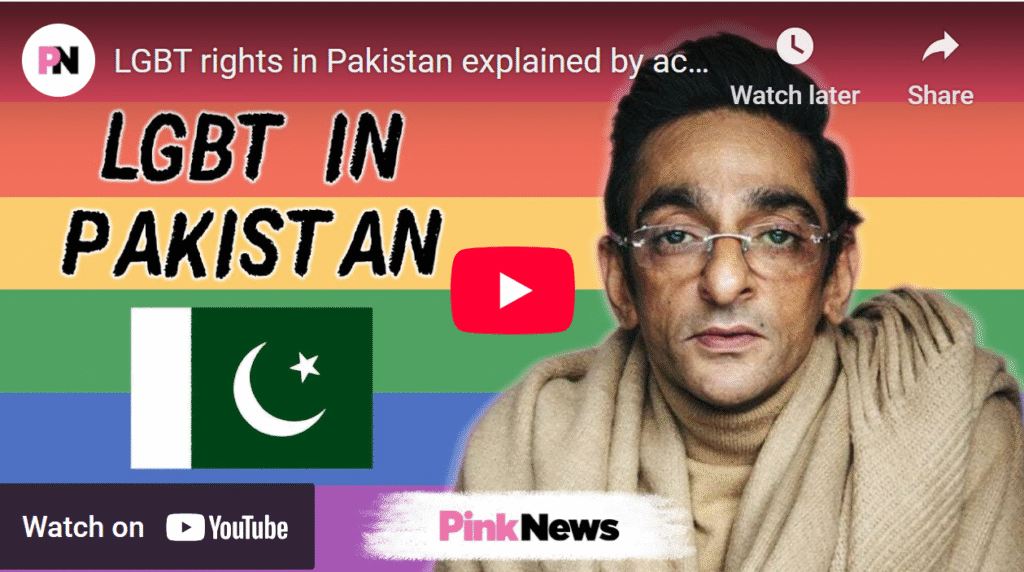
Qasim Iqbal: Speaking Out on Islam and LGBTQI Rights in Pakistan
in a country where LGBTQI voices are often silenced, Qasim Iqbal, a leading activist, has courageously spoken out about the realities faced by queer people in Pakistan. In this short but powerful video interview with PinkNews on Jun 4, 2020, he explains how laws, social stigma, and religious hate combine to make life unsafe for LGBTQI individuals.
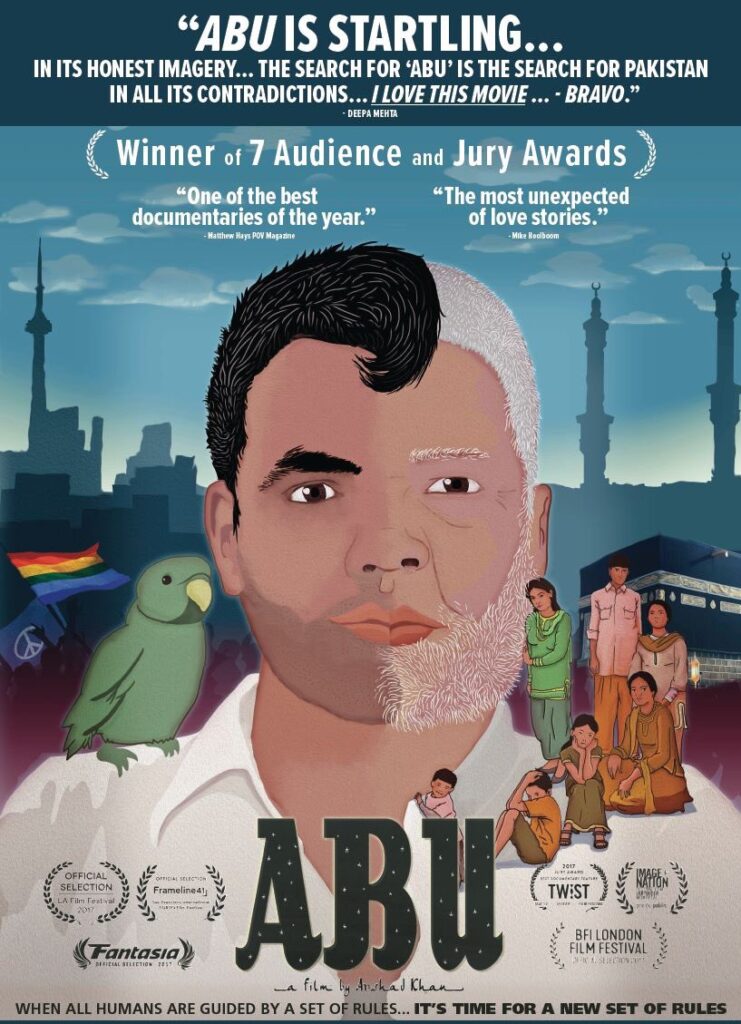
Arshad Khan: A Gay Son and His Muslim Father
Arshad Khan, a Pakistani-Canadian filmmaker and founder of Abu Films, has become a powerful voice in global cinema. His deeply personal work explores themes of migration, identity, sexuality, and the struggle of reconciling being gay with a devout Muslim upbringing.
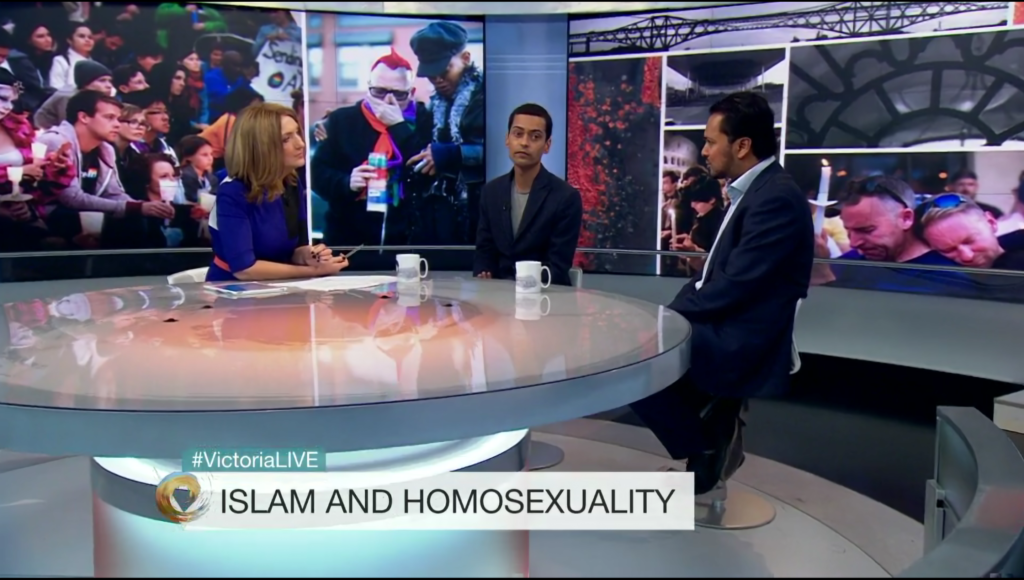
The Victoria Derbyshire Programme, featuring Asif Quraishi (gay and Muslim) and Imam Ajmal Masroor.
The central debate—captured by the quote “I believe you can be both gay and Muslim”—explores the diverse interpretations within our faith. Asif Quraishi argues for the Quran’s openness, while Imam Ajmal Masroor stresses the Islamic imperative for tolerance and acceptance for all people, even amidst theological disagreement.
Discover LGBTQ+ Muslim and South Asian Resources
Access a curated selection of cultural and educational materials fostering inclusion and acceptance.

Inclusive Faith Dialogues
Understand how faith and LGBTQ+ identities intersect within Muslim and South Asian communities.
Documentaries & Media
Discover impactful films like ‘Allah Loves Equality’ promoting awareness and empathy.
Support Networks
Find groups and organizations offering safe spaces and advocacy for LGBTQ+ Muslims.
Educational Resources
Access guides and articles designed to empower and inform your journey of acceptance.
Leave a Reply