Category: Violence

  • Legal Support & State Prosecution Advice

    Legal Support & State Prosecution Advice

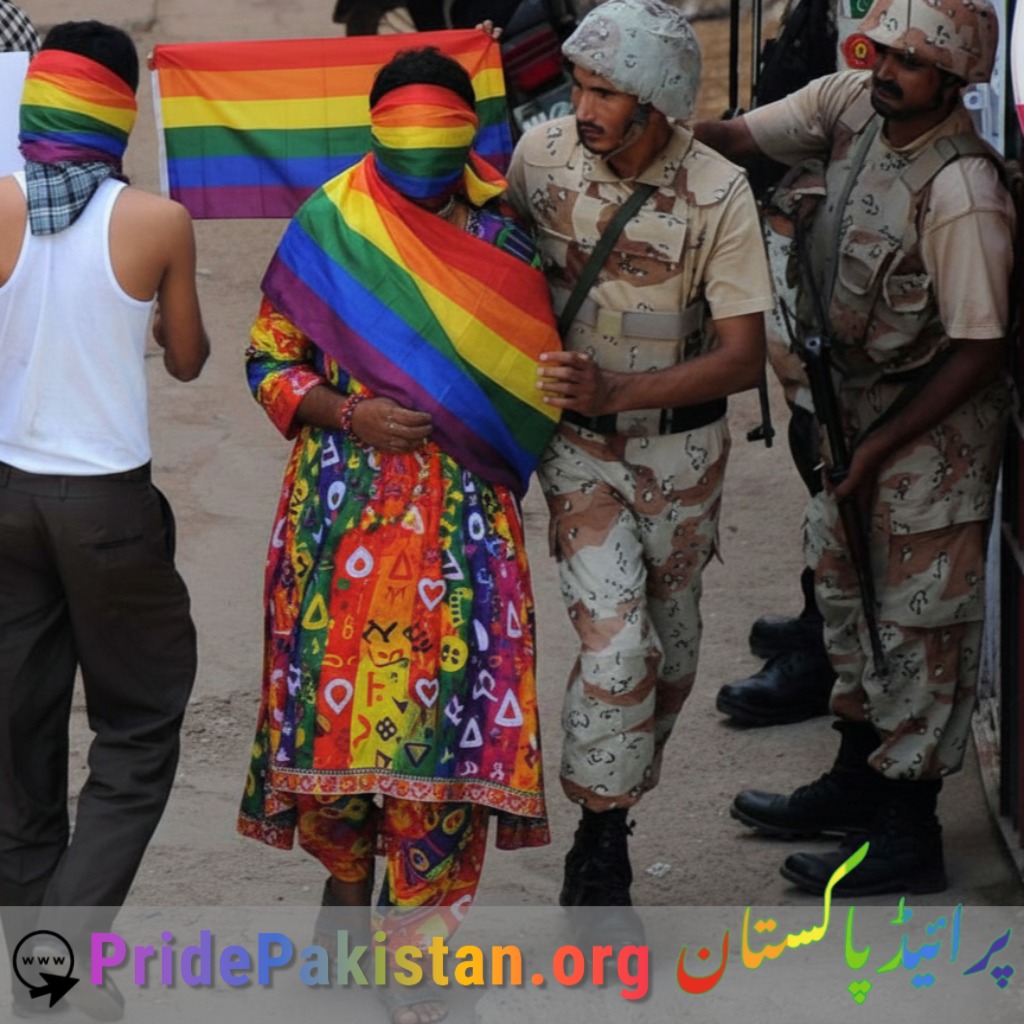
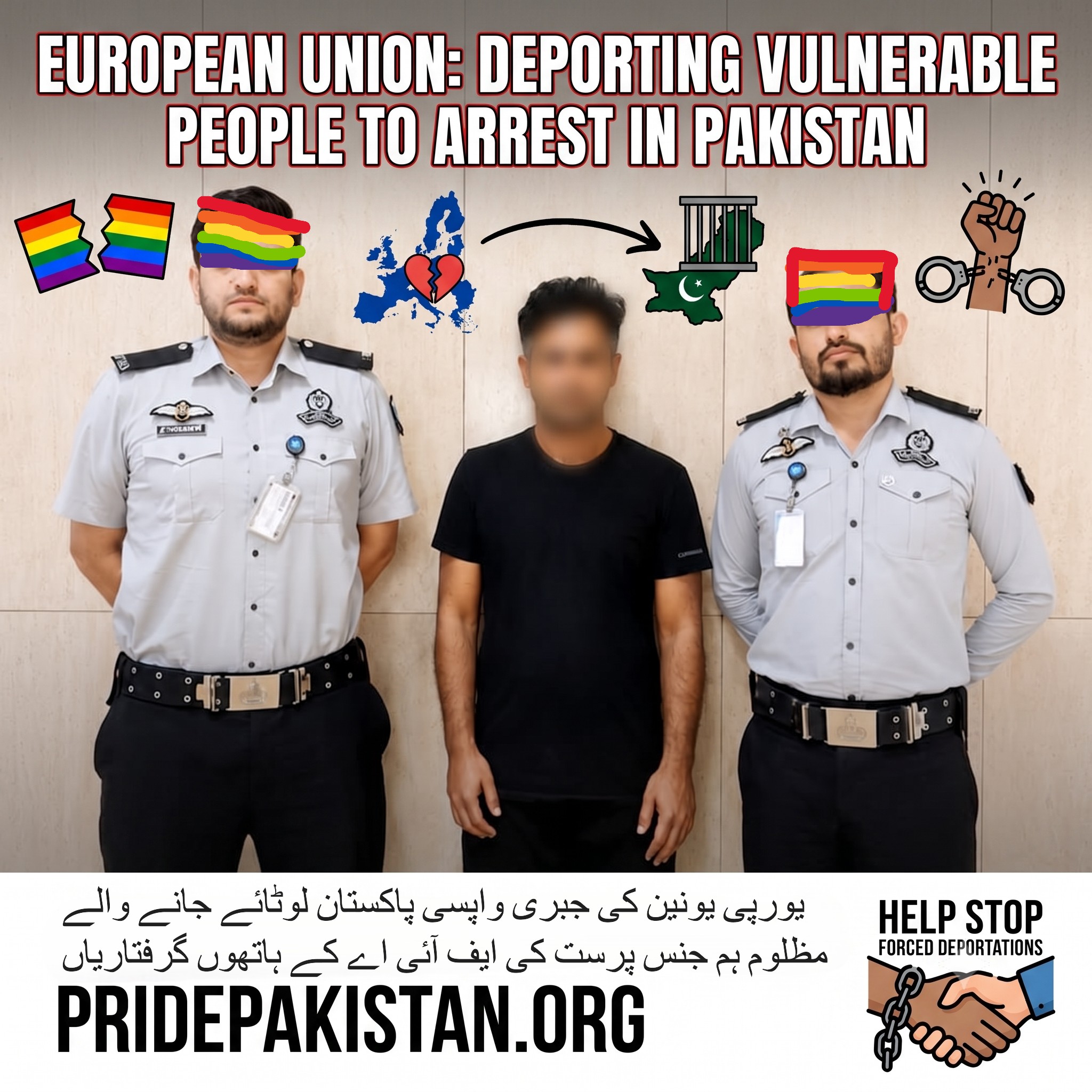
    At PridePakistan.org, it deeply saddens us that you are in a position where you need to look for legal support. Facing state authorities, arbitrary arrests, or fraudulent cases (fake FIRs) is one of the most terrifying experiences an individual can face in Pakistan. We see your struggle, we understand your fear, and you are not alone.

    Please Note Our Limitations: Pride Pakistan is a grassroots, volunteer-led group. We do not have the financial resources or permanent legal staff to hire lawyers, pay bail, or represent you directly in court. If you would like to be kept informed about future direct legal aid programs or resource updates, please fill out our official Membership Form.

    The Harsh Legal Reality in Pakistan

    In Pakistan, there are zero laws protecting gay, lesbian, or queer individuals from state prosecution or discriminatory authorities. In fact, homosexual activity remains explicitly criminalized under Article 377 of the Pakistan Penal Code (PPC). Furthermore, the state frequently weaponizes laws like the Prevention of Electronic Crimes Act (PECA) to target individuals for the digital content they view or share.

    Because of this systemic prejudice, authorities and corrupt officers often use “fake FIRs” or manufactured charges to extort, blackmail, or imprison members of our community.

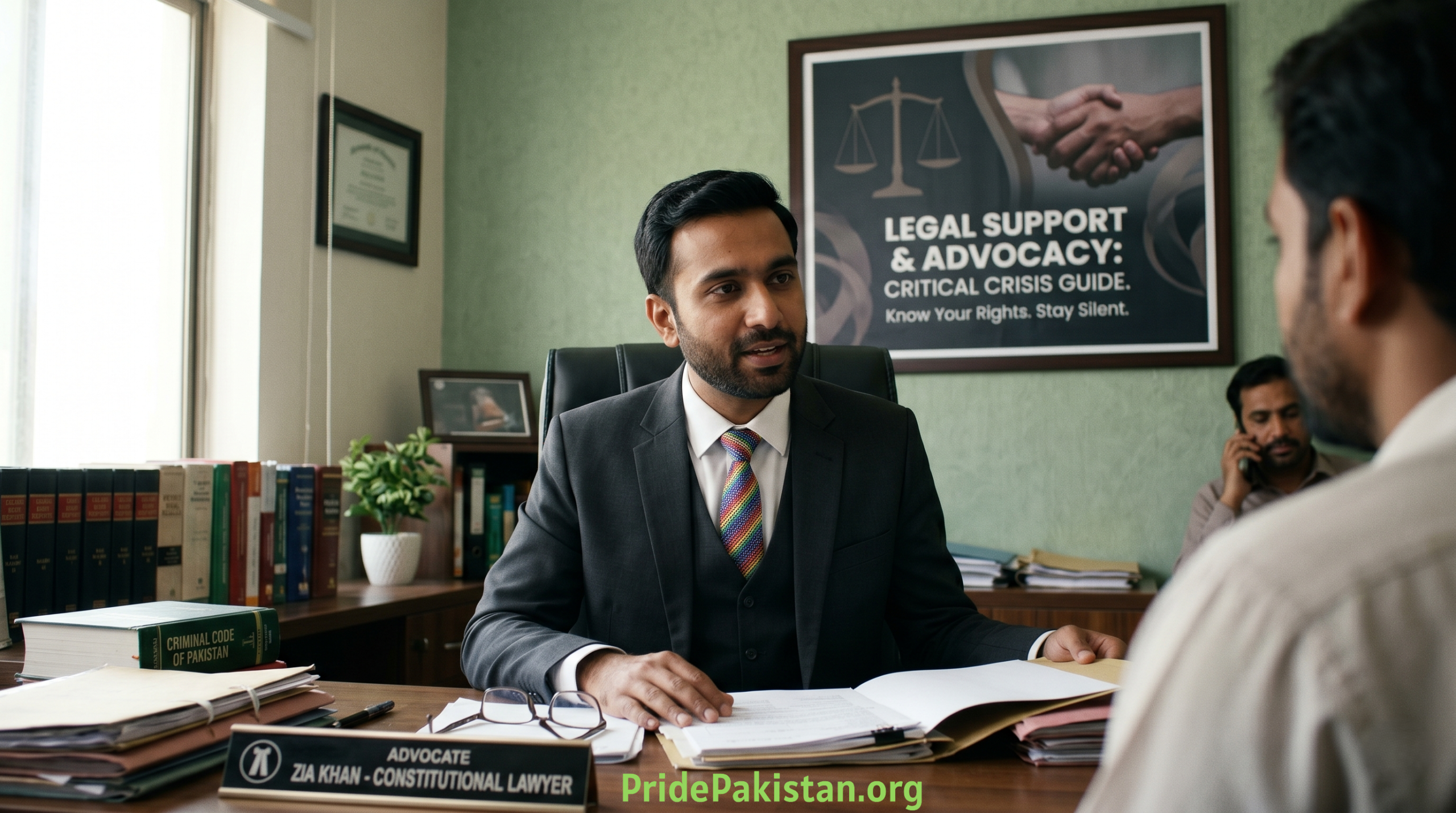
    Critical Crisis Guide: What to Do If You Are Arrested

    If you find yourself detained by the police or are being threatened with a fake FIR, your immediate actions are vital to your defense. Most authorities look to gather information quickly under duress to build a case against you.

    1. Exercise Your Right to Stay Silent

    • Do not confess and do not provide details: You are not legally required to incriminate yourself. Politely but firmly state that you will not give a formal statement or answer specific questions until you have a lawyer present.
    • Do not reveal your identity or community connections: Avoid sharing details about your personal life, your orientation, or your friends. Any name or number you give can be used to target other vulnerable individuals.

    2. The Danger of Forced Video Confessions and Torture

    • It is a common practice for local police to use physical or psychological torture to force individuals to record video confessions or sign blank papers. They might threaten you with brutal violence if you do not admit to a crime.
    • They may also fabricate evidence, such as claiming the “recovery of drugs” that you did not possess, or planting adult/pornographic content onto your mobile phone during an illegal search.
    • Important Legal Defense: If you are forced to make a statement or video confession under police influence, torture, or threat of violence, this can be legally challenged in court. A confession made to a police officer while in custody is generally not admissible as primary evidence under Article 38 of the Qanun-e-Shahadat Order, 1984. Tell your lawyer immediately if any statement or video was forced out of you.

    3. Access to a Lawyer and Free Legal Aid

    • Under Article 10 of the Constitution of Pakistan, every arrested person has the right to consult and be defended by a legal practitioner of their choice.
    • The Reality of State Counsel: While international standards demand that the state provide a lawyer if you cannot afford one, the local public defender system is heavily underfunded and deeply flawed. In Pakistan, state authorities can and do prosecute individuals without functional representation.
    • according to reports by the World Organisation Against Torture (OMCT), approximately 70 percent of individuals in Pakistani prisons are held without proper or complete trials, often trapped in the judicial system simply because they lack legal counsel.

    How to Choose a Safe Lawyer

    When seeking representation, do not randomly select a lawyer from the court gates, as many hold deeply homophobic views.

    • Look for Gender-Affirming Allies: Seek out lawyers who have an established history of working on human rights, women’s rights, or transgender issues. These professionals are far more likely to understand bodily autonomy, privacy, and systemic police misconduct.
    • Transgender Representation: Look to pioneers like Advocate Nisha Rao in Karachi, a professional transgender lawyer who deeply understands gender-related laws and local police vulnerabilities.
    • Consult Protective Desks: In major cities, you can reach out to dedicated Protection Centers (such as the Tahaffuz Centers in Punjab or Gender Protection Units) to connect with vetted, friendly legal professionals.

    Nationwide Legal Aid and Human Rights Resource Table

    The table below lists established legal aid clinics, human rights organizations, and support groups across different regions of Pakistan. These organizations provide pro-bono representation, legal advice, or protection tracking for marginalized communities.

    Region / CityOrganization NameOffice Location / Address DetailsHelpline / Contact NumberNature of Services & Focus Area
    National / DigitalPeace & Justice Network (PJN)Nationwide Networks / Mobile App: Haqq0800-46723 (Safeguarding Helpline)Legal empowerment, legal literacy, digital rights tracking, and legal aid referral networks.
    National / DigitalGender Rights Watch (GRW)Active online network with legal advocatesinfo@genderrightswatch.orgHuman rights defense, tracking vulnerabilities, and linking marginalized youth to safe advocates. Member of ILGA Asia.
    National / PolicyHuman Rights Watch (HRW)Global Network (Pakistan Monitoring)via website portalsStrategic documentation of state atrocities and advocacy for structural transitions.
    Karachi / SindhAdvocate Nisha Rao’s ChambersDefence View Market Road, BB16, Karachi+92 21 3234 5678Direct criminal defense, bail requests, and specialized gender-expert legal representation.
    Karachi / SindhLegal Aid Society (LAS)Main Office: Karachi, Sindh0800-70806 (Toll-Free) / +92 21 3563 4112 / info@las.org.pkPro-bono legal aid clinics, child and gender security advocacy, and representation for marginalized populations.
    Karachi / SindhGender Interactive Alliance (GIA)Karachi, Sindhvia public social portalsGrassroots documentation, crisis intervention, and localized protection support for gender-diverse communities.
    Lahore / PunjabAGHS Legal Aid Cell (Asma Jahangir Cell)Main Chambers: Lahore, Punjab0800-00123 (UAN) / aghslaw.netFree, high-quality legal representation for victims of human rights abuses, unlawful detentions, and state overreach.
    Lahore / PunjabJustice Project Pakistan (JPP)Lahore, Punjabjpp.org.pkStrategic litigation, fighting systemic judicial errors, and representation for vulnerable prisoners facing harsh sentences.
    Lahore / PunjabDastak Charitable TrustLahore, Punjabvia primary human rights desksEmergency shelter protection, crisis intervention, and associated legal advisory for victims of systemic violence.
    Lahore / PunjabKhawaja Sira Society (KSS)Lahore, Punjabvia local community centersLocalized peer support, discrimination tracking, and referrals to friendly lawyers for local police disputes.
    Multan / South PunjabLegal Aid Services (LAS Network)Serving South Punjab and lower regions0800-70806Connecting rural and regional victims of fake FIRs with urban human rights defense networks.
    Peshawar / KPKBlue VeinsPeshawar, Khyber Pakhtunkhwavia provincial civil society linksLocalized advocacy for vulnerable groups, tracking police misconduct, and human rights legal counseling.
    Islamabad / NorthPODA PakistanIslamabad Capital Territory / Regional Desksvia main NGO portalRural development, legal literacy training, and localized rights defense infrastructure.
    Islamabad / RegionalForum for Dignity Initiatives (FDI)Islamabad, Pakistanvia advocacy networksResearch, structural transition monitoring, and capacity building for marginalized groups facing systemic oppression.

    We are actively working to expand our connections with independent, gender-expert defense attorneys across less-represented regions like Quetta and Gilgit. Stay safe, understand your rights, and secure your digital communications.

  • I was tired of hiding – My journey as a Pakistani bisexual asylum-seeking mother

    I was tired of hiding – My journey as a Pakistani bisexual asylum-seeking mother

    I’m from Pakistan — a place where the word “bisexual” doesn’t even exist in most conversations. Growing up as a girl, I was always told how to behave: don’t speak to boys, don’t question elders, and one day, marry the man your parents choose for you. But what nobody knew was that while I was told to fear boys, I was quietly developing feelings for girls. I didn’t have a name for it. I just knew I felt something different when I hugged a close friend, or when I imagined a future — it wasn’t always with a man. 

    In my culture, talking about sexuality is like lighting a fire in a dry field — it burns everything. So I stayed quiet. I obeyed. And eventually, I was married off in an arranged marriage. I met my husband for the first time after the wedding. There was no connection. There was no love. Only expectations, and soon after, violence. I told him once, half-joking, that I sometimes had feelings for women. He laughed it off. But when I moved to the UK later and began studying, I met LGBTQ+ groups for the first time — people who lived freely and loved openly. For the first time in my life, I started to understand myself. I learned the word “bisexual,” and more importantly, I finally accepted myself. 

    That’s when everything began to unravel. 

    When I told my husband again — this time seriously — he became aggressive. He told me it was sinful, disgusting, a disgrace to his family. The emotional abuse became physical. When he assaulted me, I went to the police. I had finally found the courage to speak out. But I didn’t know that reporting him would lead him to expose me to my family in Pakistan. From that point, the threats became real. My family told me I had no shame. That a woman like me shouldn’t be allowed to raise a daughter. That I would bring dishonour on them all. They said if I returned to Pakistan, I would be dealt with — for them, that meant punishment, even death, to “make an example.” 

    At that moment, I knew I couldn’t go back. Not for myself, and not for my child. 

    In my culture, talking about sexuality is like lighting a fire in a dry field.

    I applied for asylum in the UK as a bisexual woman in 2022, after trying to manage everything quietly for so long. I didn’t know at first that I could claim asylum based on my sexuality — it wasn’t something people talk about. I was scared, ashamed, and alone. But eventually I found out through others, and I began the process. My interviews took time — months of waiting, preparing, and trying to stay emotionally strong. The process itself was heavy. In my main interview, I had to talk about parts of my life I had buried deep. I had to explain trauma, abuse, and fear to strangers — and try to stay composed, because I knew they were watching closely to see if I was “credible enough.” 

    Being a person seeking asylum is not easy. Emotionally, it’s isolating. Financially, I have worked hard, starting from a team member job to now becoming an assistant manager. I pay taxes. I never took benefits. I’m doing my best, not just to survive, but to give my child a normal, peaceful life — something I never had. But mentally, the weight is always there: will they believe me? Will they send me back? 

    I live every day knowing that if I were forced to return, I could lose my child — or worse. That fear never leaves. 

    Rainbow Migration came into my life like a quiet light. I was referred to them by someone I met through a support circle. I reached out nervously, unsure if anyone would care or understand. But from the beginning, they were kind, welcoming, and respectful. They helped me understand the asylum process, offered emotional support, and gave me a sense of community I hadn’t felt in years. Without Rainbow Migration, I would have felt truly alone in this journey. They reminded me that I’m not the only one — and that my life, my voice, and my truth matter. 

    I haven’t been detained, but I’ve heard stories from others, and I live with the constant anxiety that something could go wrong. For women like me — bisexual, South Asian, single mothers — the fear is always layered: fear of violence, of judgment, of being forgotten. 

    But I’m still here. I’m still standing. And I want others to know that no matter how broken you feel, no matter how unsafe the world has made you feel — you are not wrong for being who you are. 

    I used to hide everything about myself, even from myself. Now, even in fear, I choose to live truthfully. Not just for me, but for my child — to  grow up in a world where there my child never has to hide who they are.

    The original post is written by a Rainbow Migration UK user and published in DIVA magazine.

    Read the original article on Rainbow Migration UK site here

    Read the original article on DIVA magazine site here

  • Murtaza’s story

    Murtaza’s story

    My name is Murtaza* and I am a gay man from Pakistan. My boyfriend Ali* and I were in a relationship for 7 years before we left Pakistan. We always wanted to live as a couple, but it was never possible there. Before we left, I was the director of my own company where he worked as a manager. We were able to travel to different countries for business, but also spend quality time together which was only possible abroad. 

    When his extended family found out he was travelling with me, they became very suspicious. After we came back from a long trip, they started questioning why I was spending so much money and giving these opportunities to my boyfriend but not any of the other managers. They started harming Ali and his family. 

    When I had a chance to come to the UK for a meeting a few months later, I wanted to take Ali with me as usual. His family stopped him and told him that people were talking about us and it would give a bad impression for him to go with me. Ali didn’t listen to them and told them he was going with a different director instead. When we were in the UK, his family found out that he lied and he was here with me, his boyfriend. They started threatening us, saying “If you come back, we will not spare you. We will kill you. We’ll make an example of you because you are giving a bad name to the family, the country and the religion.” 

    “When we were in the UK, his family found out that he lied and he was here with me, his boyfriend. They started threatening us, saying “If you come back, we will not spare you. We will kill you.””

    I had already known about Rainbow Migration because I used to search online for organisations who may be able to help, even when I was still in Pakistan. When we started receiving the threats and knew that we could not go back to Pakistan, I emailed Rainbow Migration for information and they replied straight away. Within a couple of hours, the Legal Services Manager called me and guided me through the entire process, what’s going to happen and how to apply for asylum if we’re in fear of persecution, and encouraged us to apply if we think our life is in danger. We followed her advice exactly and called the Home Office, who arranged the initial interview after 3-4 days. 

    My boyfriend had a substantive interview just over a year after we first claimed asylum, while I had to wait about 18 months. We were both granted status shortly after the interviews. We had a lot of evidence because we had already been in a relationship for 7 years by the time we applied for asylum. We had pictures together throughout our relationship, back in Pakistan and in different countries, and evidence that we travelled together. Since coming to the UK, we have been living together. We were out and always looked after each other.  

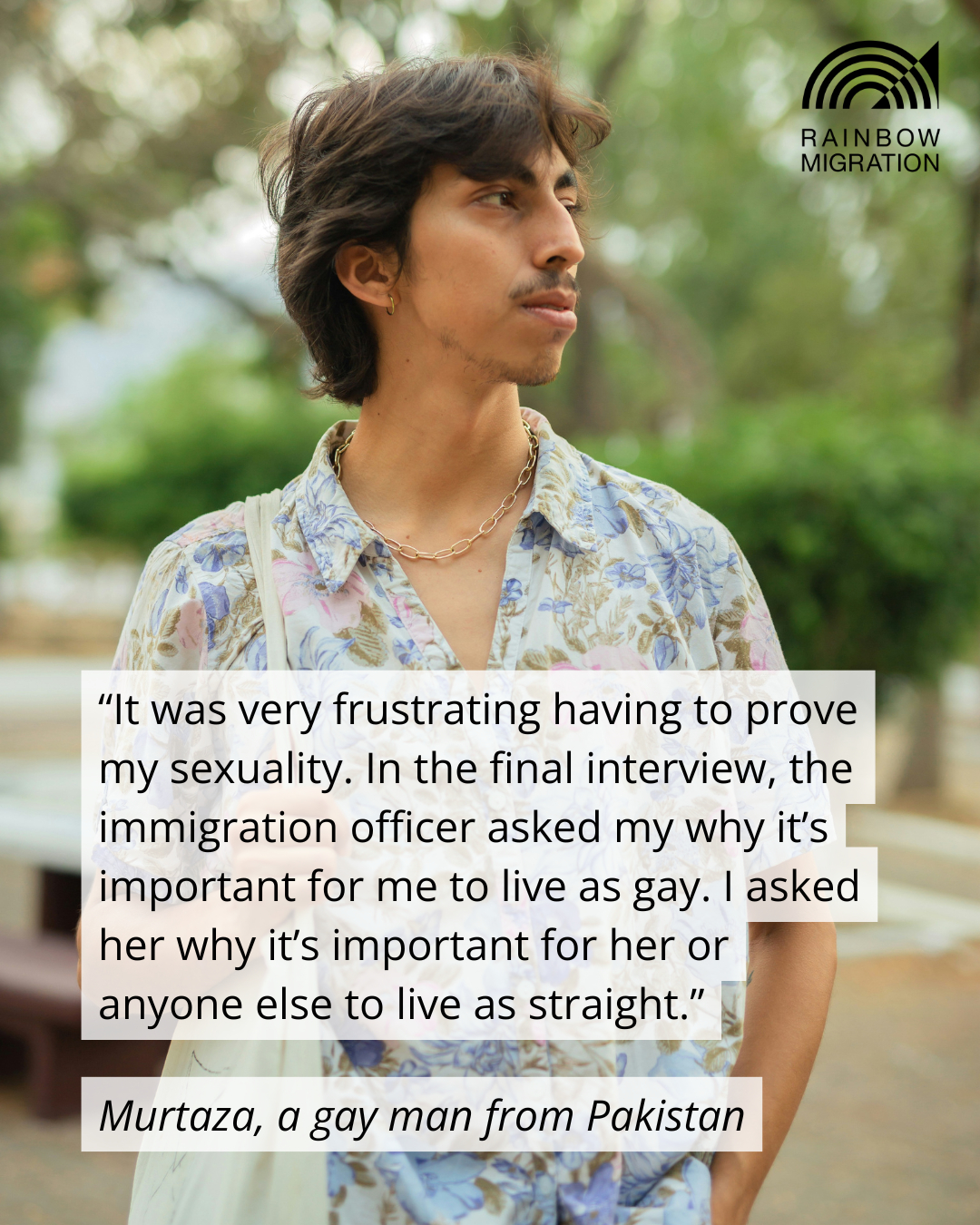
    It was very frustrating having to prove my sexuality. In the final interview, the immigration officer asked my why it’s important for me to live as gay. I asked her why it’s important for her or anyone else to live as straight. If it’s important for a straight couple to live openly, then it’s our right to live as an open couple as well. These questions should not be there in the first place – they would never ask a straight person this.

    Rainbow Migration was very helpful because they referred us to pro bono lawyers. Amina* kept following everything that was happening, and Farah* was very nice and helpful as well. She used to run the online Asylum Advice Sessions and reply to my emails. I had a very good experience with Rainbow Migration. If Rainbow Migration was not there, [getting refugee status] would not have been possible in our case. 

    Before Rainbow Migration referred us to pro bono lawyers, I spoke to a couple of lawyers but they were not interested in the case. They were only after money. The only people who were willing to help were asking for £7,000 which we could not afford, and it was very hard to find legal aid. I left everything back in Pakistan, I had no money and we were only surviving because our family and friends were supporting us for basic necessities. 

    “It was very frustrating having to prove my sexuality. In the final interview, the immigration officer asked my why it’s important for me to live as gay. I asked her why it’s important for her or anyone else to live as straight.”

    It was very frustrating waiting over a year while we were not allowed to work. We are really lucky that we had some savings and family and friends who supported us, so we did not live in government accommodation. I’m very grateful to them for helping us, but I feel guilty that they had to spend the money. I had no other choice. People seeking asylum should be given decisions faster and allowed to work and support themselves. Many people don’t come from wealthy backgrounds and don’t have people to support them, so they have to survive off less than £200 a month, which is not enough to do anything. 

    It’s really frustrating to hear the comments about people seeking asylum. People come here for protection, when they are not safe in their countries. Personally, I had a very well-off life in Pakistan, and we only came to the UK to live as a couple. I didn’t even tell anyone here was seeking asylum. I’m sure many others are in the same situation.   

    Now that I have refugee status, I am doing some online work and my partner is learning English and working as a delivery driver. I have a lot of experience but I have not been able to find a job yet, as everywhere I apply says I am overqualified or I need experience in the UK. The other difficulty that we are facing is that we are limited in the countries we can travel to, and their different rules for people with travel documents than passports.  

    I’m glad that I’m in a safer environment and that Ali and I can live as a couple – that’s the most important thing. Still, even though it’s very safe here, I still see that some people are unhappy or annoyed when they see us together, but not when they see straight couples. We came all this way, but if there are a lot of people, I hesitate to show affection to my boyfriend. I hope that will change soon. 

    *Names have been changed to protect the identities of the interviewee and his partner.

    This article is being shared from RainbowMigration UK page. Read the original article on Rainbow Migration UK site here

  • Ahmad’s Story: Threatened with Death for Being Gay – A Reality for Many in Pakistan

    Ahmad’s Story: Threatened with Death for Being Gay – A Reality for Many in Pakistan

    This article is based on a story originally published by the Peter Tatchell Foundation. You can read the original article here: https://petertatchellfoundation.org/ahmad-received-death-threats-from-his-uncle-who-was-ex-military/

    Ahmad grew up in a small town in Pakistan, the only son among his siblings. Like many gay boys in conservative environments, he sensed early on that he was “different,” though he didn’t yet have the language to describe it. While his male classmates flirted with girls, Ahmad felt no such attraction. He dismissed it as shyness—until he met Wahid.

    Their friendship was innocent, but one morning on a crowded school ride, Ahmad’s arm brushed Wahid’s. That brief moment triggered a rush of emotions he had never experienced before. It was the first time he realised he was attracted to another boy.

    But in Pakistan, such a realisation is not just confusing—it is dangerous.

    Growing Up Gay in a Society That Sees You as a Crime

    Ahmad grew up hearing that being gay was sinful, shameful, and punishable. He lived in constant fear of being discovered. His fears were not imaginary. In a nearby town, two boys were caught in a relationship. Their families beat them and killed them in the name of “honour.” No one expressed sympathy—not even Ahmad’s own relatives.

    This brutal reality shaped Ahmad’s teenage years. He carried a secret that could cost him his life.

    As Ahmad grew older, his family began pressuring him to marry a woman. He stalled by focusing on his studies, but the pressure never stopped.

    In 2023, he moved to the UK for further education. For the first time, he felt a small sense of freedom. But even from afar, the expectations followed him. One day, his uncle—an ex‑military officer, called to inform him that his marriage had been arranged. Ahmad was told to return to Pakistan, get married, and then resume his studies. If he refused, his uncle would cut off financial support.

    For the first time in his life, Ahmad told the truth.

    The reaction was immediate and violent. His family called him a disgrace. His uncle threatened to kill him if he ever returned to Pakistan. Ahmad knew these were not empty threats. His uncle had connections, influence, and the ability to carry out such violence without consequence.

    With no safe home to return to, Ahmad applied for asylum in the UK. Like many LGBTQI asylum seekers, he found himself in a painful limbo:

    • He is not allowed to work.
    • He struggles to survive week to week.
    • He depends on the kindness of friends.
    • He lives with uncertainty, unable to return to Pakistan and unsure if he will be allowed to stay in the UK.

    This is the reality for countless gay men fleeing Pakistan. Many lose everything—family, home, financial stability, and mental health. Some are deported back to danger. Others end up in detention centres or psychiatric wards in countries that claim to be “safe.” Many take dangerous migration routes and lose their lives on the way.

    Ahmad is one of the lucky ones—he survived long enough to seek help.

    Despite everything, Ahmad dreams of a future where he can live freely, love without fear, and build a career helping others. He hopes to work in the legal sector and contribute to the country that gave him refuge.

    His story is not just about survival—it is about resilience, courage, and the universal desire to live authentically.

    Ahmad’s experience reflects the reality of many gay men in Pakistan:

    • Threats from family members
    • Forced marriages
    • Honour‑based violence
    • Social and religious condemnation
    • Lack of legal protection
    • Dangerous migration journeys
    • Trauma in asylum systems abroad

    At PridePakistan.org, we share these stories to raise awareness and to support those who are still living in fear.

    This article is based on a story originally published by the Peter Tatchell Foundation.
    👉 Read the original article here:
    https://petertatchellfoundation.org/ahmad-received-death-threats-from-his-uncle-who-was-ex-military/

    More about asylum on our Asylum Support page

    Asylum Seeking – Pride Pakistan

  • Escalating Persecution: A Dark Chapter for the Gay Community in Pakistan and the Digital Witch Hunt by FIA & NCCIA

    Escalating Persecution: A Dark Chapter for the Gay Community in Pakistan and the Digital Witch Hunt by FIA & NCCIA

    A Statement of Solidarity and Urgent Concern

    At PridePakistan.org, we stand in unwavering solidarity with every member of the LGBTQI community currently living under a shadow of fear in Pakistan. Our organization is deeply saddened and outraged by the escalating wave of arrests, digital surveillance, and state-sponsored harassment targeting individuals based on their sexual orientation and gender identity.

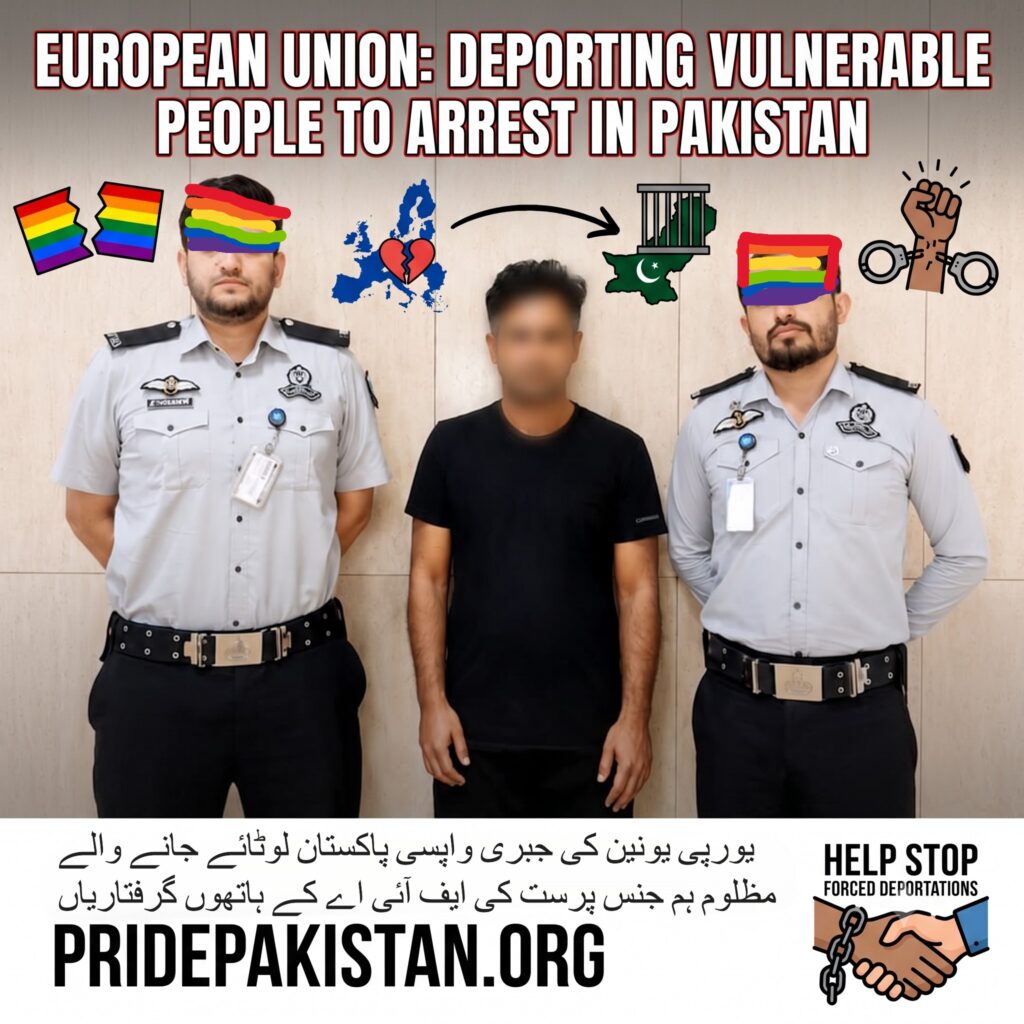
    For too long, the international community has been told a convenient narrative: that while homosexuality is technically illegal in Pakistan under colonial-era laws, the state does not actively “prosecute” people for being gay. We are here to tell you that this narrative is a myth. Today, the persecution has moved from the streets to the digital world. The Federal Investigation Agency (FIA) and the National Cyber Crime Investigation Agency (NCCIA) have launched a coordinated crackdown, not just by blocking websites like our own (PridePakistan.org) and popular dating platforms, but by actively hunting down those who attempt to access these safe spaces.

    The Digital Trap: Entrapment and Human Rights Violations

    The Pakistani state is utilizing the NCCIA and FIA to turn the internet into a minefield for the gay community. It is no longer just about censorship; it is about entrapment. Reports indicate that security agencies are monitoring dating platforms and using them to lure community members into “honey traps,” leading to public shaming, arrests, and the registration of First Information Reports (FIRs).

    The blocking of PridePakistan.org and other support resources is a direct attempt to isolate the community, cutting off access to mental health support, legal advice, and a sense of belonging. Even more alarming is the arrest of individuals simply for trying to bypass these blocks to find connection in a society that continues to marginalize them.

    The Reality of Torture and Daily FIRs

    PridePakistan issues this strong statement today because we can no longer remain silent about the volume of suffering we witness. On a daily basis, PridePakistan receives thousands of messages and calls for help. Our community members report:

    • Systemic Torture: Individuals taken into custody by the FIA and police are often subjected to physical and psychological torture.
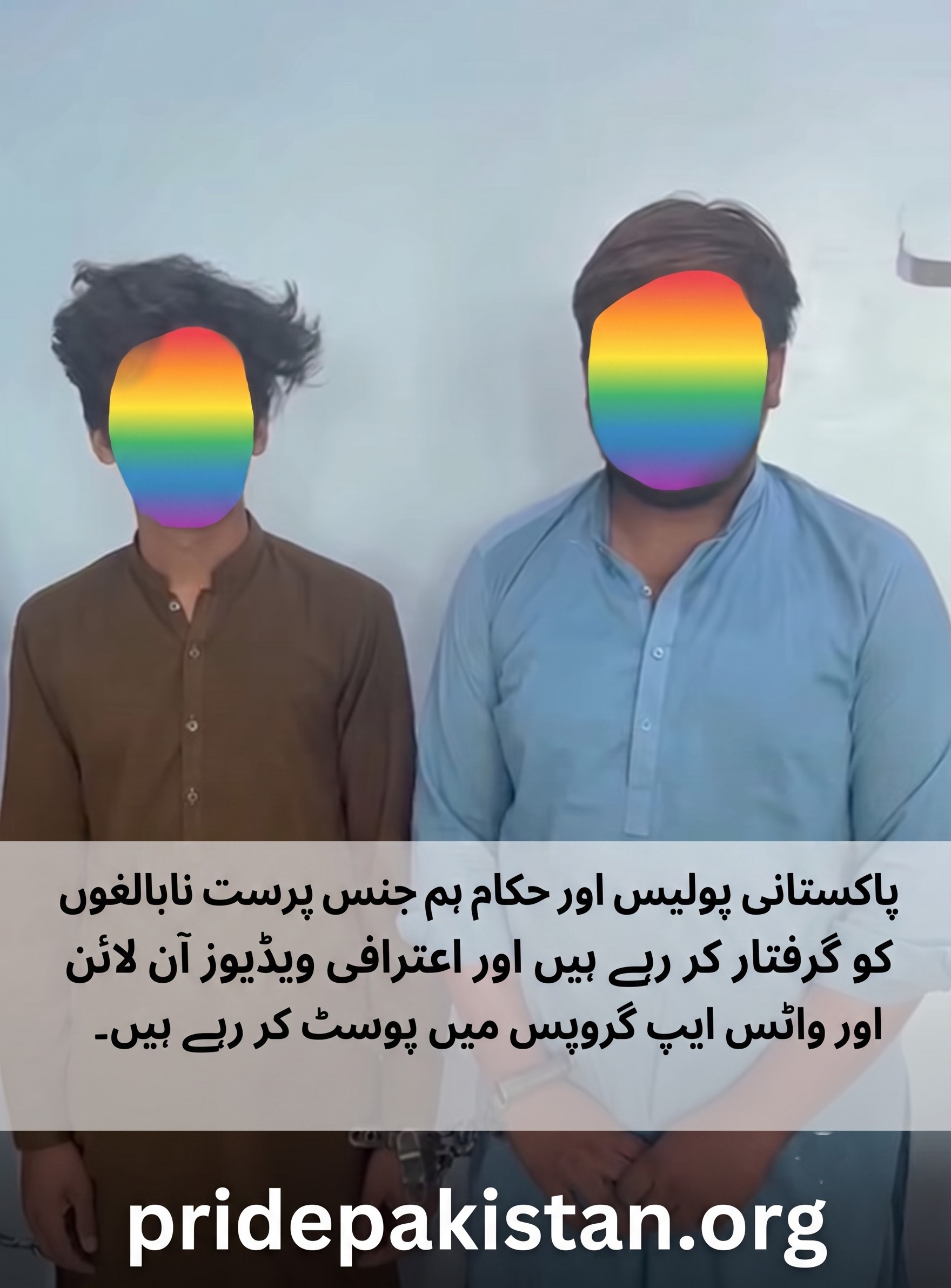
    • Illegal FIRs: Authorities are using broad “obscenity” and “cybercrime” laws to register cases against gay men, often without any evidence of a crime other than their identity.
    • Blackmail: These arrests often lead to state-sanctioned extortion, where victims are forced to pay bribes to avoid public exposure or further violence.

    These actions are a blatant violation of fundamental human rights, including the right to privacy, the right to assembly, and the right to live free from torture.

    Reframing the Narrative: From “Criminals” to Human Beings

    Recent Urdu news reports (linked below) have characterized these incidents as the “arrest of homosexual gangs” or the “busting of unethical networks.” We want to rephrase these events for what they truly are: The targeting of vulnerable citizens seeking connection.

    Where the local media says “FIA arrests gang involved in unethical activities,” we say: “State agencies target individuals seeking safe digital spaces for community building.” Where headlines scream “Homosexual network busted via mobile apps,” we recognize: “The state is violating the digital privacy of LGBTQI individuals to justify illegal detention.”

    We urge the Pakistani state to remember that the gay community in Pakistan consists of its own citizens—doctors, engineers, students, and workers—who deserve the same protection of law as any other individual.

    Call to Action

    We call upon human rights organizations, both local and international, to take notice of the FIA and NCCIA’s targeted campaign against the gay community in Pakistan. Privacy is a human right. Connection is a human right. Freedom from torture is a human right.

    To our community members: Please stay safe. Use high-quality VPNs, be cautious of who you meet via digital platforms, and know that PridePakistan.org continues to fight for your visibility and safety, even when the state tries to switch off our lights.

    References and News Archive

    The following reports document the recent surge in state actions against the community. We include these to show the scale of the crackdown, while condemning the derogatory language often used by these outlets:

    1. BBC Urdu: Crackdown on social media and dating apps
    2. Daily Pakistan: FIA actions against dating platform users
    3. Jang News: Reports on arrests related to digital networking
    4. City42: Police and FIA raids on community members
    5. Express News: Targeted arrests of gay individuals in major cities
    6. Googly News: The state’s focus on “Blue” apps and digital surveillance

  • Emergencies

    Emergencies

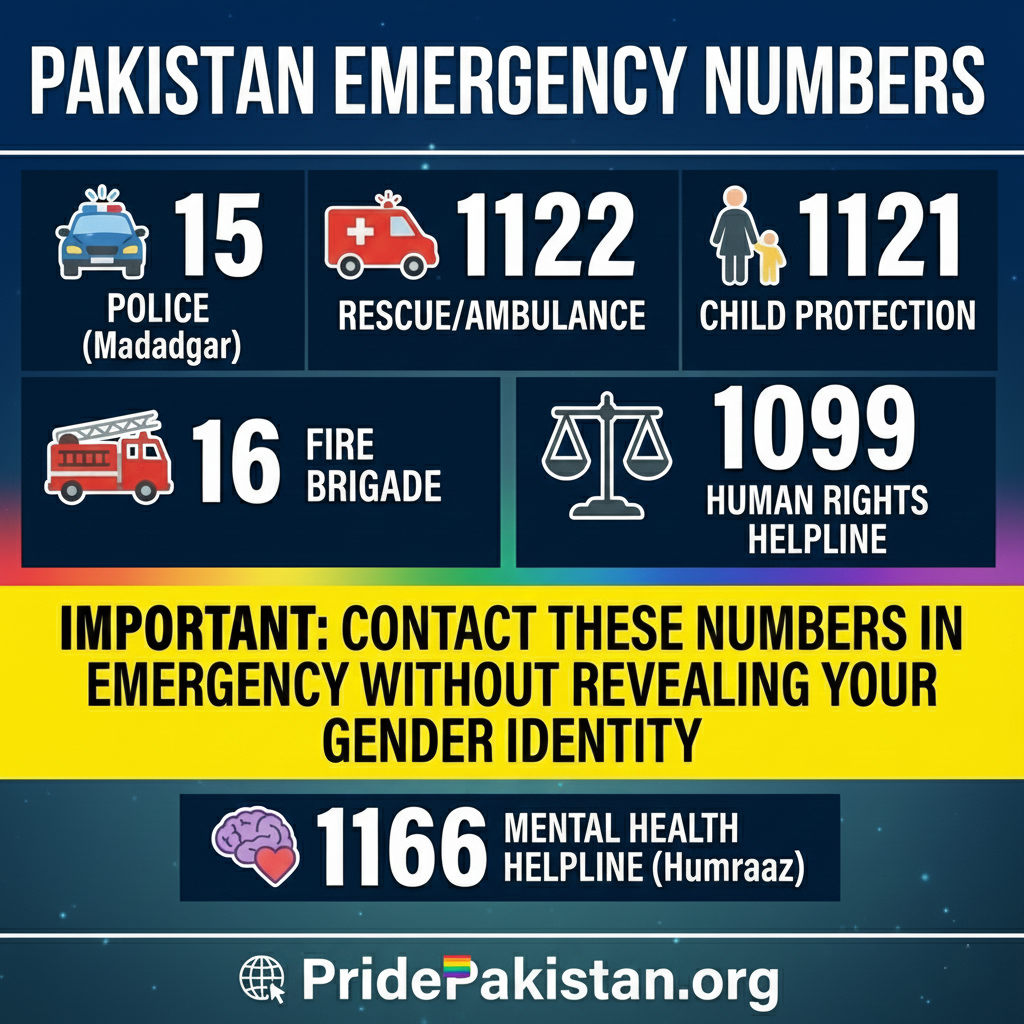
    At PridePakistan.org, we know that in moments of extreme crisis, whether you are facing physical violence, a forced marriage, or thoughts of self-harm—finding help can feel impossible. Please remember that our organization does not have its own rescue teams; we rely on these public services to keep you safe.

    CategoryServiceNumberWhy Contact This Number?
    Life & SafetyPolice Emergency15For immediate physical danger, theft, or assault.
    All-in-One RescueRescue 11221122Primary contact for ambulance, fire, or disaster rescue (Best in Punjab/KPK).
    Ambulance (NGO)Edhi Foundation115Reliable, nationwide medical transport.
    Ambulance (NGO)Chhipa1020Extremely fast emergency transport (Best in Karachi/Sindh).
    Ambulance (Private)Aman Ambulance1021Advanced life-support medical emergencies.
    Fire EmergencyFire Brigade16For active fire situations if 1122 is unavailable.
    Online SafetyFIA Cybercrime1991If you are being blackmailed, harassed online, or your private photos are being leaked.
    Human RightsMO Human Rights1099To report illegal confinement, forced marriage, or torture.
    Child SafetyChild Protection1121For those under 18 facing family violence or abuse.
    Mental HealthHumraaz (Govt)1166For suicide prevention and immediate psychological support.
    Security (Rural)Rangers1101For security assistance in areas where Rangers are active.
    Security (Border)Coast Guards1102For emergencies in coastal rural regions.

    🛡️ Your Safety Protocol

    In any emergency call to 15 or 1122, you do not need to disclose your sexual orientation or gender identity. Focus on the physical threat: State clearly if you are being attacked, if there is a medical emergency, or if you are being held against your will.

    • Privacy is protection: Keep your identity private during the initial call to ensure responders arrive quickly without bias.

    🚨 Emergency Contacts by Region

    While 1122 (Rescue) and 15 (Police) are the standard for most of Pakistan, here are the specific contacts for administrative and rural territories:

    Federal & Northern Territories

    • Islamabad (ICT): Police: 15 or (051) 9102108
      • Rescue/Ambulance: 1122
    • Gilgit-Baltistan (GB): Police: 15
      • Rescue 1122: Active in major districts like Gilgit and Skardu.
    • Azad Jammu & Kashmir (AJK): Police: 15
      • Rescue 1122: Dial 1122 for ambulance and disaster relief.

    Rural and Border Area Assistance (Army/Paramilitary)

    In remote or rural areas where police presence may be thin, these paramilitary forces often provide security:

    • Rangers (Sindh/Punjab): 1101
    • Frontier Corps (KPK/Balochistan): Contact local checkposts or dial 1122 to be routed to the nearest security assistance.
    • Coast Guards (Coastal Rural areas): 1102

    👮 Tahafuz Centers & Specialized Police Support

    If you feel you must disclose your queer identity to seek protection, we recommend visiting a Tahafuz Center (Protection Center). These are specialized desks within police stations designed to support marginalized groups.

    While these desks are specifically for transgender individuals, the officers there are often trained to be more empathetic. You may find it safer to speak with a Transgender Police Officer about your situation than a regular officer.

    • Rawalpindi: Tahafuz Center, Police Lines HQ.
      • Contact: (051) 9292675
    • Lahore: Multiple “Meesaq” and “Tahafuz” centers (e.g., Liberty Khidmat Markaz).
    • Multan: Tahafuz Center at Police Lines Multan.
    • Karachi: Gender Protection Unit at various Model Police Stations.

    Advice: When approaching these centers, you can ask to speak specifically with the Transgender Victim Support Officer (TVSO). While you may be gay or lesbian, these officers are your best chance for a non-judgmental hearing within the police system.

    ⚖️ Human Rights & Child Protection

    If your rights are being violated by your family (forced marriage, conversion therapy, or confinement), use these official oversight numbers:

    • Ministry of Human Rights Helpline: 1099 (National)
    • Child Protection & Welfare (For those under 18): 1121
    • FIA Cybercrime (Blackmailing/Online Harassment): 1991

    💚 Mental Health & Suicidal Thoughts

    If the psychological pressure of forced marriage or family stigma feels unbearable, please do not give up. You are loved, and your life has immense value. If you are having thoughts of suicide or self-harm, please visit our dedicated support section immediately for professional, discreet help:

    CLICK HERE FOR PRIDEPAKISTAN MENTAL HEALTH SUPPORT

    Direct Helplines for Crisis:

    • Humraaz (Govt Mental Health): 1166
    • Taskeen Helpline: 0316-8275336
    • Umang Suicide Prevention: 0311-7786264

    📝 Report an Incident

    If you have used any of these services and faced discrimination or been refused help because of your identity, please let us know. We document these cases to fight for better protections for the LGBTQIA+ community in Pakistan.

    LINK TO REPORT EMERGENCY SERVICE DISCRIMINATION

    https://forms.gle/WoFG466RTBB44PXg9

  • Life as a Gay Asylum Seeker from Pakistan

    Life as a Gay Asylum Seeker from Pakistan

    This article is reposted with credit to DesiBlitz and Shezad’s interview on YouTube.

    Shezad’s Story

    Shezad, a Pakistani gay man, shared his journey of seeking asylum abroad. His story reflects the painful reality faced by many LGBTQI people in Pakistan: living under constant fear of violence, rejection from family, and the impossibility of living openly.

    In his interview, Shezad describes the challenges of leaving Pakistan in search of safety and dignity. Yet even after reaching a “safe” country, asylum seekers often face new struggles—long waits in detention centers, psychological trauma, and the uncertainty of whether their applications will be accepted.

    The Harsh Reality for Gay Asylum Seekers

    For many gay men leaving Pakistan, the dream of a happy life abroad comes at a devastating cost:

    • Loss of money and resources during dangerous journeys.
    • Risk of death while traveling or crossing borders.
    • Depression and isolation in asylum centers.
    • Application refusals, leaving individuals in limbo or facing deportation.
    • Detention in prisons or psychiatric wards in countries that claim to be “safe.”

    Many governments still consider Pakistan a “safe country” for bisexual and gay men if they remain discreet. This dangerous assumption ignores the reality: discretion often means living in silence, fear, and denial of identity.

    Why This Matters

    Shezad’s story is not unique. It represents countless gay and queer men from Pakistan who are forced to choose between survival and authenticity. Without resources or visibility, many lose their lives—whether through suicide, family violence, or systemic neglect.

    At PridePakistan.org, we believe no one should have to hide their identity to stay alive. We provide support resources for:

    • Asylum seekers navigating complex legal systems.
    • Psychological support for those facing trauma.
    • Shelter and emergency aid for LGBTQI people in crisis.

    We thank DesiBlitz and Shezad for sharing this important story. By amplifying these voices, we hope to raise awareness of the urgent need for safe spaces, advocacy, and solidarity for Pakistani gay men and the wider LGBTQI community.

    👉 Read the original story on DesiBlitz and watch Shezad’s interview on YouTube.

    DESIblitz retells the harrowing tale of one man’s experience as a gay asylum seeker from Pakistan. We reveal the real-life story of Shezad*.

    By Ruby Hashmi

    Updated   April 2, 2025

    “Gay means to be happy. But I’ve never felt any sense of happiness”

    Life as a gay asylum seeker from Pakistan is a traumatic experience filled with uncertainty, dread and panic.

    India reached a pivotal moment in history on September 6, 2018. Article 377, notorious for its prohibition of homosexual activity, was repealed.

    The Supreme Court of India declared Article 377 “irrational, indefensible and manifestly arbitrary,” rendering its application to consensual sexual conduct between adults obsolete.

    Article 377 of The Penal Code of 1860 was first introduced by the British throughout their rule of India, criminalising all sexual acts deemed “against the order of nature.”

    Whilst Indians have since celebrated this victory, Pakistan and Bangladesh still adhere to the Victorian era law where homosexual acts can be punishable by prison sentences.

    For those Pakistanis who cannot survive the law and restrictions, the only way out for them is to seek asylum and seek refuge in another country. Especially, if they are found out or get in trouble with the authorities.

    We follow one such story of Shezad Ahmed*, a gay asylum seeker who fled Pakistan to the UK to help him openly accept his sexuality.

    Asylum Claims in the UK

    Based on experimental statistics, 6% of all asylum claims from 1 July 2015 and 31 March 2017 were on the basis of sexual orientation.

    The highest number of asylum claims where sexual orientation was raised as part of the basis of the claim came from Pakistan – where 1,000 claims were made.

    Even so, very few asylum claims on the basis of sexuality are accepted in the UK.

    Gay asylum seekers form a minority within a minority, making them susceptible to prejudice and discrimination on more than one ground.

    On the one hand, they are ostracised for their sexuality. On the other, they are condemned by nationals for their unfamiliar origins.

    A community virtually unheard of in the mainstream media, DESIblitz delves more into this stigmatised area of life.

    We come face to face with Shezad, who shares his tumultuous journey as a gay asylum seeker from Pakistan.

    Painful Beginnings

    Shezad’s story begins in Peshawar, Pakistan. He was born into a working-class family and grew up in a poverty-stricken home, with a drug addict for a father.

    He was forcibly removed out of education at the tender age of 11 to enter the world of manual labour.

    After spending time away from home, he recalls a harrowing encounter with a friend of his uncle which he believes was a turning point in his life.

    Shezad, tentatively, says:

    “What I’m about to tell you I don’t even think I’ve told immigration.

    “I was about 13 or 14 … I woke up in the middle of the night. I don’t remember the time. I don’t know what happened exactly, but when I looked down I had no trousers on.

    “Whatever happened after that, all I know is that I had become obsessed with sex. I tried to have sex with objects, anything I could.”

    From this point onward, he adopted a strong sense of fear in his daily life regarding his sexuality, something he would have to keep a secret in order to survive.

    His first relationship with a man developed with a fellow colleague, soon after establishing his own business.

    Though he strove to live his own life freely, it wasn’t long before family pressures began to consume him. Especially, expectations around marriage.

    At around 30 years of age, he married his first cousin at the behest of his mother.

    Though he delayed the marriage for as long as he could, Shezad had little choice in the matter. The decision for him to marry his cousin was made even before he was born.

    After spending some time with his wife in Pakistan, he later moved to Saudi Arabia, where life got no easier.

    “I was scared. If the authorities found out [about my sexuality] they would behead me.”

    Aside from strict Saudi laws, the citizens also gave Shezad a hard time, in particular when he was attacked in a brutal hate crime. Regardless, he still masked the truth in fear of his own life.

    “I was so scared of the authorities that I didn’t say anything. So, I just said that I had an accident.

    After enduring several years of hardship in Saudi Arabia, he returned to his motherland, where he continued living his loveless marriage and engaged in another relationship with a man for a number of years.

    As his mental health began to deteriorate and he knew he had to get away from the life he was living.

    He decided to come to England in search of a better and more acceptable life.

    “I always thought I’d earn enough money to leave Pakistan. It was always my thought process.

    “I knew my whole life I couldn’t live in Pakistan but I had no means to get out. When I found a way, I came here.”

    Unfortunately, Shezad faced difficulties even in the UK after fleeing Pakistan.

    He found himself homeless on several occasions; often having to sleep outside, in the car, or seeking refuge in a friend’s house if he was ever granted the opportunity.

    Whilst he was informed of LGBT support groups by his lawyer, he found it difficult to relate to others. His inability to speak English formed a barrier with locals, and he was afraid to confide in other South Asians in fear of judgement.

    ‘Proving’ his Homosexuality

    Shezad had the misfortune of meeting people who could not accept him as a part of their social circle.

    “I finally started going to meetings, but even so, I felt very alone.

    “My problem is that I can’t share my pain with anyone. I’d rather put myself through pain than put others through pain.”

    Even within the LGBT community, he bore the brunt of prejudice and discrimination.

    “When I went to LGBT meetings, some people wouldn’t talk to me, some wouldn’t shake my hand.”

    “They’d say it was because I was an asylum seeker, or I was Pakistani, or they didn’t believe I was gay.

    “Many people do this to me. They don’t like me, they get angry at me. I can’t tell if it’s because there’s something wrong with me. Am I lacking something?”

    Fortunately, Shezad managed to gain a support system around him, in particular, from his doctor.

    “There is no person better than my doctor. He looked after me, he helped me. I feel better talking to Asians about being gay now.

    “My doctor knew everything about me and still helped me with everything.”

    Like many gay asylum seekers, Shezad found it difficult to ‘prove’ his sexuality to the authorities, which is often a requirement in UK law.

    “If this [being gay] was a medical situation it would be so much easier. But it’s not. It’s a feeling.”

    Gay asylum seekers were often subjected to ‘homosexuality tests,’ a series of psychological tests to ‘prove’ their sexuality.

    However, in January 2018, these were outlawed after being deemed a violation of human rights by The European Court of Justice.

    Family and Community Reactions

    Despite fathering three children, which does question Shezad’s sexuality as to whether he is bi-sexual or homosexual; he strongly condemns the idea of living with them.

    Speaking about how they would react to his orientation, he says:

    “I don’t want my children to live with me. They would have a difficult life and so would I.

    “Maybe you can accept this but in Pakistan, they can’t. When they grow up, how will they accept that their father is gay?

    “I want to help them with all their worldly needs, but it’s not suitable for us to live together.

    “Nor my wife, nor anyone else in Pakistan knows that I’m gay. If anyone found out I wouldn’t have been able to come here. How would I? I would have died already.

    “There was one guy in my village whose penis, nose, ears and tongue were chopped off. That was his punishment for being gay.

    “You can hit someone, but to chop off their body parts? That’s too much.

    “If anyone in my family knew I was gay, they’d want to end me.”

    “Gay means to be happy. But I’ve never felt any sense of happiness from being gay. I’ve been punishing myself. I have no power to change how I feel. What you are, you are.”

    Accepting his Sexuality

    Despite the numerous hardships, Shezad confidently states that he would much rather live in England than in Pakistan.

    “I had no option. I couldn’t live there, even though I had a home, everything. I wasn’t happy. I couldn’t handle it.

    When asked if he feels happy, Shezad humbly responds:

    “Yes, I am happy. I have friends around me. How can I not say I’m happy when I can sit among three people and openly tell them I’m gay? That is happiness for me.”

    Accepting his own sexuality has been a major challenge for Shezad as he explains:

    “I tried to change this about myself. I’ve tried so hard. I punished myself as well as enduring other peoples’ punishments.

    “I’m strong. But when it comes to being gay I become so weak.

    “Eventually I said to myself, ‘Okay, I’m gay.’ No one can do anything about it.”

    As a concluding statement, Shezad bravely requests:

    “I just want people to understand that gay is gay. You can’t do anything about it. That is all.”

    People like Shezad are not alone. 20% of Pakistani asylum claims were made on the basis of sexual orientation between July 2015 and March 2017.

    Many gay asylum seekers find themselves shunned by society, with little to no support from those around them. Yet, those like Shezad continue to show courage in the face of adversity.

    Until security is guaranteed, gay asylum seekers will continue in their tireless pursuit of a safe haven.

    In situations where a life is at stake, the situation becomes very dangerous for individuals like Shezad who try to fit in but find it difficult even in the country they are born due to their sexual oreintation.

    If you or anyone you know is personally affected by Shezad’s story, please do not hesitate to contact the following organisations:

     * Names are changed for anonymity.

  • Find LGBTQI Friends and Peer Support

    Find LGBTQI Friends and Peer Support

    Living as an LGBTQI person in Pakistan can be isolating and dangerous. Many queer individuals feel alone, unable to share their identity with family or society. Yet, finding friends and partners who understand you is essential for mental health, emotional resilience, and a better life.

    Many LGBTQI couples in Pakistan live together in hiding, and some who had the resources have traveled abroad and married. Building friendships and peer support networks is not just about romance — it’s about survival, joy, and solidarity.

    🚫 Risks on Dating Platforms in Pakistan

    Due to censorship and surveillance, most LGBTQI websites and dating apps are blocked in Pakistan. The Federal Investigation Agency (FIA), National Cyber Crime Investigation Agency (NCCIA), and other security bodies have used honey traps on blocked gay dating apps accessed via VPNs and proxies.

    Now, even VPNs and proxies are being blocked, making access more dangerous. Homophobic gangs and individuals also use these apps to target LGBTQI people, leading to blackmail, extortion, and in some tragic cases, murder. Victims often cannot go to the police due to fear of further persecution.

    📱 Apps You Can Use to Connect

    Despite restrictions, many people still use general messaging and social media apps to find LGBTQI friends

    Social Media & Messaging Apps

    1. WhatsApp
    2. Facebook
    3. Instagram
    4. TikTok
    5. YouTube
    6. Viber
    7. WeChat
    8. Telegram
    9. Snapchat
    10. Twitter/X

    LGBTQI Dating Apps (Use with caution)

    1. Grindr
    2. Blued
    3. Taimi
    4. Hornet
    5. Scruff
    6. Jack’d
    7. Lex
    8. Her
    9. Feeld
    10. OkCupid

    🌈 PridePakistan.org Peer Support Group

    We understand how hard it is to find safe spaces. That’s why PridePakistan.org offers a peer support group for LGBTQI individuals in Pakistan. You can:

    • Join private group chats
    • Attend virtual meetups
    • Share your story anonymously
    • Find friends and mentors

    To join, please fill out our membership form. We protect your privacy and never share your data.

    You are not alone. There are thousands of LGBTQI people in Pakistan who are looking for connection, friendship, and love. Building community is an act of courage and healing. Whether you’re seeking a friend, a partner, or just someone to talk to — you deserve safety, joy, and support.

    🛡️ Safety Tips for Online Connection

    If you choose to connect online:

    • Never share personal details (address, workplace, ID) until trust is built.
    • Use encrypted messaging apps and avoid apps that require location sharing.
    • Meet in public places if you decide to meet someone.
    • Avoid using VPNs or proxies unless you are confident in their safety.
    • Report suspicious behavior to trusted community groups.

    Report an Incident

    If you have used any of these services and faced discrimination or been refused help because of your identity, please let us know. We document these cases to fight for better protections for the LGBTQIA+ community in Pakistan.

    LINK TO REPORT DISCRIMINATION

    https://forms.gle/WoFG466RTBB44PXg9

  • PTA’s War on LGBTQIA+ Visibility — A Systemic Attack on Digital Rights

    PTA’s War on LGBTQIA+ Visibility — A Systemic Attack on Digital Rights

    PridePakistan.org Condemns PTA’s Censorship and Harassment of LGBTQIA+ Voices

    Pride Pakistan strongly condemns the ongoing censorship and intimidation campaign by the Pakistan Telecommunication Authority (PTA) targeting LGBTQIA+ content, platforms, and individuals. These actions are part of a long-standing pattern of digital repression and harassment that seeks to erase queer existence from Pakistan’s online and public spaces.

    For years, LGBTQIA+ Pakistanis have relied on digital platforms to connect, organize, and survive. But the Pakistan Telecommunication Authority (PTA) has systematically worked to dismantle these lifelines — banning apps, filtering content, and harassing community members.

    🔒 Recent Escalation: Targeting PridePakistan.org

    In October 2025, PTA escalated its censorship efforts by pressuring Meta (Instagram) to restrict LGBTQIA+ content — including posts from PridePakistan’s official account. Our website has also faced interference, with attempts to block access and silence our support resources.

    This is not an isolated incident. It reflects a broader campaign to suppress queer voices and criminalize visibility.

    🧑‍🤝‍🧑 Harassment of Volunteers

    Our volunteer members have faced repeated harassment — including online abuse, surveillance, and threats. Some have been questioned by authorities, while others have had their social media accounts flagged or restricted simply for advocating LGBTQIA+ rights.

    This intimidation is designed to instill fear and discourage activism. We will not be silenced.

    📵 PTA’s History of Censorship

    PTA’s actions against LGBTQIA+ platforms include:

    • Banning Grindr, Tinder, and other dating apps in 2020, citing “immoral content” — a move widely condemned by rights groups The New Arab IBTimes India
    • Blocking access to all gay porn sites in Pakistan, regardless of content type or safety measures
    • Filtering and removing social media posts that express support for LGBTQIA+ rights, identities, or events
    • Issuing takedown requests to global platforms like Meta, demanding the removal of queer content from Pakistani feeds

    These actions violate basic digital rights and disproportionately target marginalized communities.

    Timeline of PTA’s censorship actions against LGBTQIA+ content from 2020 to 2025

    • September 2020: PTA bans Grindr, Tinder, and other dating apps for “immoral content”
    • 2021–2023: PTA blocks gay porn sites and filters LGBTQIA+ hashtags on social media
    • August 2025: PTA requests Meta (Instagram) to restrict LGBTQIA+ content from PridePakistan
    • October 2025: PTA interferes with access to PridePakistan.org and flags queer visibility posts

    📣 Our Response

    Pride Pakistan stands firm in our mission to provide:

    • Safe, accessible support resources for LGBTQIA+ individuals
    • Mental health and legal guidance
    • Community-building and advocacy tools
    • Visibility campaigns that challenge stigma and promote acceptance

    We call on:

    • Social media platforms to resist censorship and protect queer content
    • Civil society and allies to speak out against digital repression
    • International watchdogs to hold PTA accountable for rights violations

    🌈 We Will Not Be Erased

    LGBTQIA+ Pakistanis exist. We resist. We build.
    No amount of censorship can erase our truth.

    🔗 References

    1. Pakistan bans dating apps Tinder, Grindr over ‘immoral’ content – The New Arab
    2. Pakistan swipes left on Tinder, Grindr – IBTimes India
    3. Pakistan’s move to ban gay dating apps seen as crackdown – The Commune
    4. Digital Policy Alert – PTA blocks five dating apps

  • Online Hate Campaigns Against LGBTQI+ Pakistanis, A Dangerous Trend

    Online Hate Campaigns Against LGBTQI+ Pakistanis, A Dangerous Trend

    Pride Pakistan unequivocally condemns the rising wave of homophobic rhetoric and online hate targeting LGBTQI+ individuals in Pakistan. In recent weeks, several public figures and influencers have used their platforms to incite hostility, spread misinformation, and dehumanize queer and trans communities.

    This is not free speech, it is targeted harassment. It endangers lives, fuels stigma, and undermines the basic human rights of LGBTQI+ Pakistanis.

    We call on civil society, media platforms, and allies to stand against this hate. We urge social media companies to enforce their policies against harassment and hate speech. And we reaffirm our commitment to protecting and uplifting LGBTQI+ voices across Pakistan.

    In recent months, Pakistan’s LGBTQI+ community has faced an alarming surge in online hate campaigns led by influential figures with large followings. These campaigns not only spread misinformation but also incite violence and deepen societal stigma.

    🔥 Who’s Spreading the Hate?

    Among the most vocal are:

    • Senator Mushtaq Ahmad Khan (@SenatorMushtaq) – A member of Jamaat-e-Islami, he has repeatedly used his platform to denounce LGBTQI+ visibility, framing it as a threat to national values. In a recent podcast with Raja Zia ul Haq, he criticized the “rise of LGBTQ in Pakistan” and called for stricter controls on queer expression YouTube.
    • Raja Zia ul Haq (@qaiseraraja) – Known for his YouTube content and public lectures, Raja Zia has amplified anti-LGBTQI+ narratives, often portraying queer identities as moral corruption. His content regularly misrepresents LGBTQI+ lives and fuels public hostility YouTube.
    • @njia_B – A lesser-known but increasingly vocal account that has shared homophobic tweets targeting queer activists and organizations, often using religious and nationalist rhetoric to justify hate.
    • Maria B (@MariaBDesigns) – The fashion designer has repeatedly made inflammatory statements about LGBTQI+ individuals. In a podcast, she claimed that “80% of men in Pakistan’s fashion industry are LGBTQ” and criticized queer visibility as a moral threat. More recently, she described an alleged LGBTQ-themed event in Lahore as “satanic,” sparking widespread backlash and a legal complaint from the transgender community. BOL News.

    These individuals are not engaging in debate — they are inciting discrimination. Their words have real-world consequences, especially in a country where LGBTQI+ people already face legal ambiguity, social exclusion, and threats to their safety Equaldex rajuakon.com.

    📉 The Impact on LGBTQI+ Lives

    Pakistan ranks low on global LGBTQI+ acceptance indices. According to Equaldex, over 88% of surveyed Pakistanis in 2022 said homosexuality was unjustifiable, and nearly 60% would not accept queer neighbors Equaldex. These attitudes are reinforced by online hate, making it harder for LGBTQI+ individuals to access healthcare, legal protection, and community support.

    🛡️ What We Stand For

    Pride Pakistan exists to challenge this narrative. We provide:

    • Mental health and crisis support
    • Legal guidance and safe reporting tools
    • Community resources and visibility campaigns
    • Advocacy for policy change and public education

    We believe every person deserves dignity, safety, and freedom — regardless of their gender identity or sexual orientation.

    📣 Call to Action

    We urge:

    • Social media platforms to enforce anti-hate policies and suspend accounts inciting violence
    • Journalists and educators to challenge misinformation and amplify queer voices
    • Allies and civil society to speak out and support inclusive spaces

    Hate has no place in our society. Silence is complicity.

    🔗 References

    1. Straight as a Rainbow? Evolving Attitudes Toward Homosexuality in Pakistan – Springer
    2. LGBT Rights in Pakistan – Equaldex
    3. RISE OF LGBTQ IN PAKISTAN – YouTube Podcast with Senator Mushtaq & Raja Zia ul Haq
    4. Homosexuality in Pakistan – Raju Akon
    5. Pakistan LGBTQI+ Resources – Rights in Exile
    6. Maria B criticises alleged LGBTQ event in Lahore – Bol News