Tag: history

  • The Khawaja Sira Pride: The Transgender Rights Battle

    The Khawaja Sira Pride: The Transgender Rights Battle

    The period between 2018 and 2024 stands as one of the most historical yet turbulent eras for the Transgender community in Pakistan. It began with a monumental victory: the passing of the Transgender Persons (Protection of Rights) Act in 2018. This law was a beacon of hope, granting transgender individuals the right to self-identify their gender on official documents, providing protections against discrimination in housing and employment, and recognizing their fundamental human rights. It was a rare moment where Pakistan led the way in progressive legislation for marginalized identities.

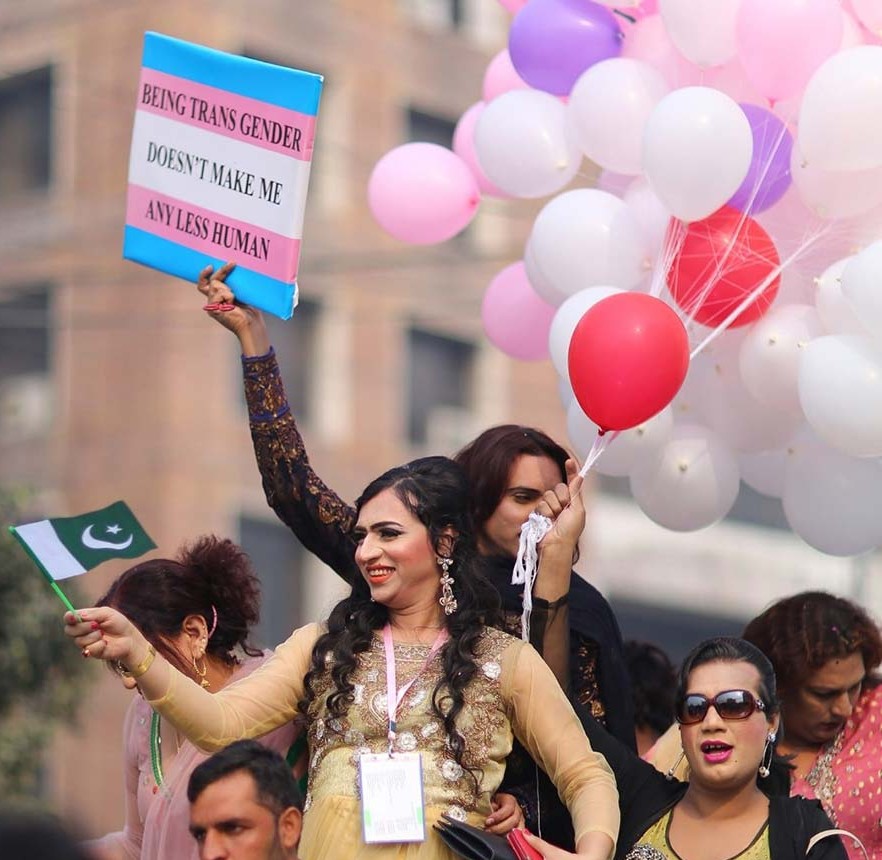
    Central to this struggle was the tireless work of activists like Jannat Ali. As a prominent transgender rights activist and performer, Jannat Ali was a vital voice in the consultations that led to the 2018 Act. Her activism went beyond the halls of parliament; she was a cultural pioneer who organized the first Transgender Pride (The Khawaja Sira Pride) in Lahore. Through these public marches, she brought the community’s joy, struggle, and resilience into the streets, challenging the status quo and demanding visibility in a society that had long pushed them to the margins.

    However, the victory was short-lived as a massive wave of disinformation and extremist backlash began to target the community. Conservative groups and religious political parties launched a campaign to dismantle the law, claiming it promoted “Western values” and was un-Islamic. This led to the law being challenged in the Federal Shariat Court in 2023, which resulted in significant rollbacks, particularly regarding the right to self-identify. The legal victory was turned into a legal battleground, shifting the focus away from human rights toward a narrow, clinical definition of identity.

    The personal cost of this battle was devastating for those on the front lines. Despite her immense contributions, Jannat Ali faced severe death threats and relentless harassment from extremist elements. The very state that had passed the law often failed to protect its champions. In a heartbreaking turn of events, the person who had organized Prides and fought for the law was forced to leave Pakistan to seek safety in exile. Her departure reflects the tragic reality of many Pakistani LGBTQI activists who find that their own homeland becomes a place of peril for the very courage it once celebrated.

    دو ہزار اٹھارہ سے دو ہزار چوبیس تک کا عرصہ پاکستان میں ٹرانس جینڈر کمیونٹی کے لیے جہاں تاریخی کامیابیوں کا دور تھا وہیں یہ شدید ترین آزمائشوں کا وقت بھی ثابت ہوا۔ اس سفر کا آغاز دو ہزار اٹھارہ میں ٹرانس جینڈر پرسنز پروٹیکشن آف رائٹس ایکٹ کی منظوری سے ہوا جس نے ایک نئی امید پیدا کی۔ اس قانون نے خواجہ سراؤں کو یہ حق دیا کہ وہ اپنی شناخت کا فیصلہ خود کریں اور سرکاری دستاویزات پر اپنی مرضی کی جنس درج کروا سکیں۔ یہ قانون رہائش، روزگار اور تعلیم میں ان کے خلاف امتیازی سلوک کو روکنے اور انہیں بنیادی انسانی حقوق فراہم کرنے کی ایک اہم دستاویز تھی۔

    اس جدوجہد میں جِنت علی جیسی سرگرم کارکنوں کا کردار سنہری حروف سے لکھنے کے قابل ہے۔ جِنت علی نے نہ صرف اس قانون کی منظوری کے لیے پارلیمانی سطح پر مشاورت میں حصہ لیا بلکہ وہ ایک ثقافتی علمبردار بھی ثابت ہوئیں۔ انہوں نے لاہور میں پہلی بار خواجہ سرا پرائیڈ یعنی ٹرانس جینڈر مارچ کا انعقاد کیا جس نے برادری کی خوشی، دکھ اور ہمت کو سڑکوں پر لا کر معاشرے کی تنگ نظری کو چیلنج کیا۔ انہوں نے یہ ثابت کیا کہ خواجہ سرا صرف بھیک مانگنے یا ناچنے کے لیے نہیں بلکہ وہ ایک باوقار شناخت کے حامل شہری ہیں۔

    بدقسمتی سے اس کامیابی کے فوراً بعد انتہا پسند عناصر اور قدامت پسند گروہوں کی جانب سے ایک منظم مہم شروع کر دی گئی۔ غلط معلومات پھیلا کر اس انسانی حقوق کے قانون کو “غیر اسلامی” اور “مغربی ایجنڈا” قرار دے دیا گیا۔ اس مخالفت کا نتیجہ یہ نکلا کہ دو ہزار تئیس میں وفاقی شرعی عدالت میں اس قانون کو چیلنج کر دیا گیا جس کے نتیجے میں اس کی کئی اہم شقیں خاص طور پر اپنی مرضی کی صنفی شناخت کا حق ختم کر دیا گیا۔ یوں ایک قانونی فتح کو قانونی جنگ میں بدل دیا گیا جس سے پوری کمیونٹی عدم تحفظ کا شکار ہو گئی۔

    اس مہم جوئی کی سب سے بھاری قیمت ان کارکنوں کو چکانی پڑی جو اس تحریک کا چہرہ تھے۔ جِنت علی کو ان کی خدمات کے بدلے میں انتہا پسندوں کی جانب سے قتل کی دھمکیاں دی گئیں اور ان کا جینا محال کر دیا گیا۔ وہ ریاست جو قانون پاس کر چکی تھی، اپنے ان ہیروز کو تحفظ فراہم کرنے میں ناکام رہی۔ بالآخر حالات اس حد تک خراب ہو گئے کہ وہ جِنت علی جنہوں نے پرائیڈ مارچ منظم کیے تھے، انہیں اپنی جان بچانے کے لیے پاکستان چھوڑ کر جلاوطنی اختیار کرنی پڑی۔ ان کا جانا اس تلخ حقیقت کو ظاہر کرتا ہے کہ پاکستان میں حقوق کی بات کرنے والوں کو اکثر اپنے ہی وطن میں اجنبی بنا دیا جاتا ہے۔
  • The US Embassy Incident & Extremist Backlash 2011 : A Turning Point for Safety

    The US Embassy Incident & Extremist Backlash 2011 : A Turning Point for Safety

    The 2011 US Embassy Pride incident stands as one of the most polarizing and consequential moments in the modern history of LGBTQI activism in Pakistan.

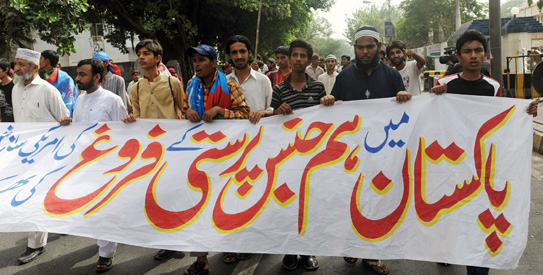
    On June 26, 2011, the US Embassy in Islamabad hosted its first-ever “Gay, Lesbian, Bisexual, and Transgender (GLBT) Pride Celebration,” an event intended to show solidarity with the local community and promote human rights. While the gathering was private and held within the embassy walls, the subsequent news release triggered a massive and violent wave of backlash from religious extremist groups and conservative political parties. Protests erupted in major cities like Karachi, Lahore, and Islamabad, with demonstrators burning effigies and accusing the organizers of “cultural terrorism” and attempting to impose “Western values” on an Islamic society.

    This backlash was not merely rhetorical; it led to a severe tightening of security and surveillance over local activists. The incident inadvertently created a narrative that linked LGBTQI rights exclusively to foreign intervention, making the lives of grassroots activists even more dangerous. Many organizations were forced to go underground, and the “visibility” gained from the event came at a staggering cost to the safety of ordinary queer Pakistanis who had no diplomatic protection.

    میں امریکی سفارت خانے میں ہونے والی پرائیڈ تقریب پاکستان میں ایل جی بی ٹی کیو آئی (LGBTQI) تحریک کی جدید تاریخ کے سب سے زیادہ متنازعہ اور اثر انداز لمحات میں سے ایک مانی جاتی ہے

    ۔ 26 جون 2011 کو اسلام آباد میں امریکی سفارت خانے نے اپنی پہلی “گے، لیسبیئن، بائی سیکشول، اور ٹرانس جینڈر (GLBT) پرائیڈ” تقریب کی میزبانی کی، جس کا مقصد مقامی کمیونٹی کے ساتھ اظہارِ یکجہتی اور انسانی حقوق کا فروغ تھا۔ اگرچہ یہ ایک نجی تقریب تھی جو سفارت خانے کی دیواروں کے اندر منعقد ہوئی، لیکن اس کی خبر منظرِ عام پر آتے ہی مذہبی انتہا پسند گروہوں اور قدامت پسند سیاسی جماعتوں کی جانب سے شدید ردِعمل اور پرتشدد احتجاج کا سلسلہ شروع ہو گیا۔ کراچی، لاہور اور اسلام آباد جیسے بڑے شہروں میں مظاہرے ہوئے جہاں پتلے جلائے گئے اور منتظمین پر “ثقافتی دہشت گردی” اور اسلامی معاشرے پر “مغربی اقدار” مسلط کرنے کے الزامات لگائے گئے

    ۔ یہ ردِعمل صرف بیان بازی تک محدود نہیں رہا، بلکہ اس کے نتیجے میں مقامی کارکنوں کی نگرانی اور سیکورٹی میں شدید سختی کر دی گئی۔ اس واقعے نے نادانستہ طور پر ایک ایسا بیانیہ پیدا کر دیا جس نے ایل جی بی ٹی کیو آئی حقوق کو مکمل طور پر بیرونی مداخلت سے جوڑ دیا، جس سے عام کارکنوں کی زندگیاں مزید خطرے میں پڑ گئیں۔ کئی تنظیمیں روپوش ہونے پر مجبور ہو گئیں، اور اس تقریب سے حاصل ہونے والی “نمایاں پہچان” کی قیمت ان عام پاکستانیوں کو اپنی حفاظت کی صورت میں چکانی پڑی جنہیں کوئی سفارتی تحفظ حاصل نہیں تھا۔

  • The Era of NAZ: From Empowerment to the Shadows

    The Era of NAZ: From Empowerment to the Shadows

    ناز کا دور: بااختیار ہونے سے سائے تک کا سفر

    English Version Urdu Version
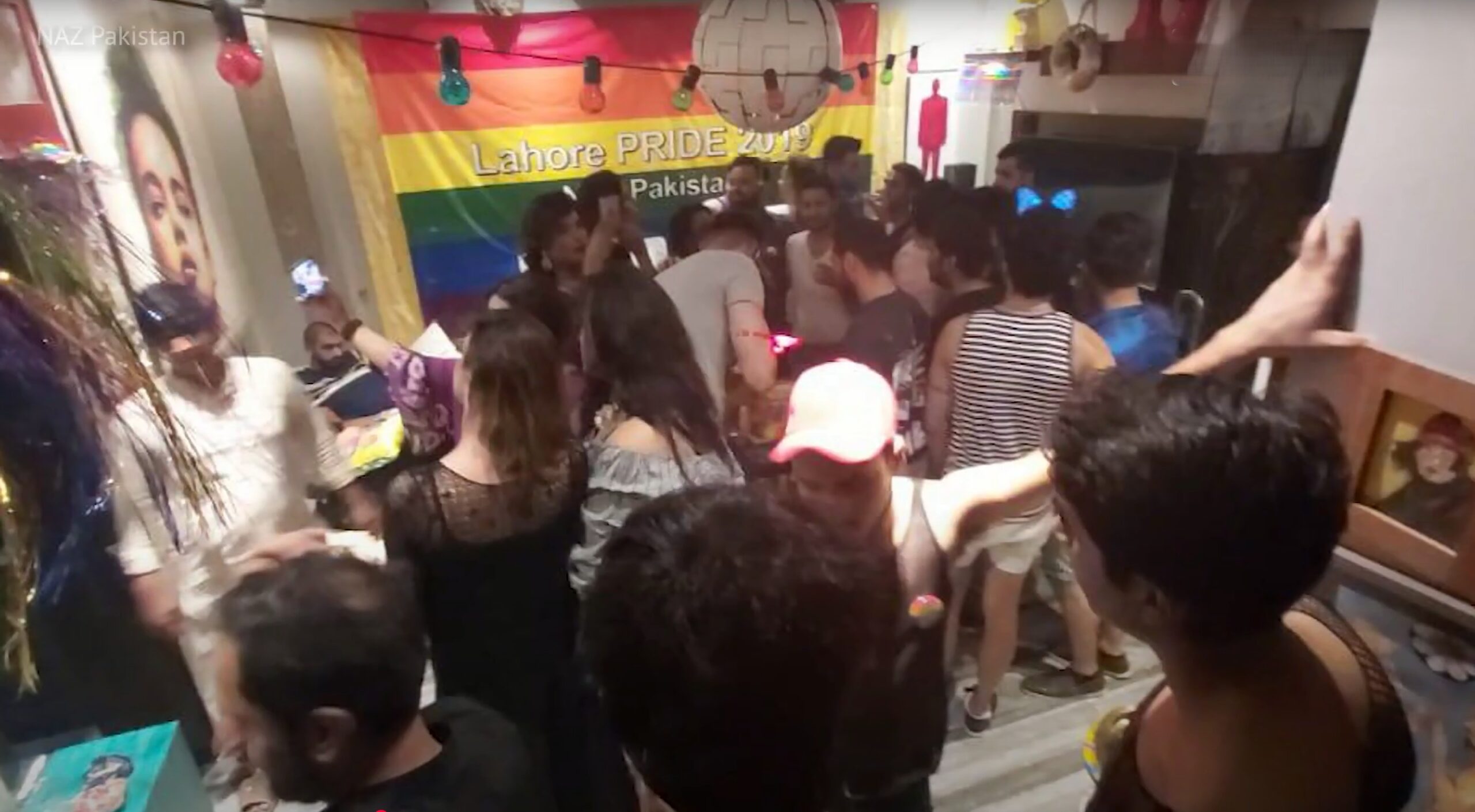
    The Peak of Visibility: Lahore Pride 2019
    Between 2010 and 2019, the NAZ Male Health Alliance stood as a beacon of hope. It empowered thousands, culminating in events like the Lahore Underground Pride of 2019. For a brief moment, behind closed doors, the gay community felt safe, seen, and organized. These gatherings were not just parties; they were acts of resistance and spaces for healing.
    نمایاں ہونے کا عروج: لاہور پرائیڈ 2019
    سے 2019 کے درمیان، ‘ناز میل ہیلتھ الائنس’ امید کی ایک کرن بن کر ابھرا۔ اس نے ہزاروں لوگوں کو بااختیار بنایا، جس کا نتیجہ 2019 کی لاہور انڈر گراؤنڈ پرائیڈ جیسی سرگرمیوں کی صورت میں نکلا۔ بند دروازوں کے پیچھے، گے کمیونٹی نے خود کو محفوظ اور منظم محسوس کیا۔ یہ اجتماعات صرف محفلیں نہیں تھیں، بلکہ یہ مزاحمت اور حوصلہ افزائی کے مراکز تھے۔
    The Brutal Crackdown: Raids and Trauma
    As visibility increased, so did state surveillance. The “safe spaces” were shattered by violent police raids. Officers began beating participants, extorting money, and recording humiliating videos to threaten people with exposure. Many victims were sexually abused during these raids—traumas that remain unspoken due to the fear of further persecution. Most of these incidents never reached the news, leaving the victims to suffer in silence.
    بدترین کریک ڈاؤن: چھاپے اور صدمات
    جیسے جیسے کمیونٹی کی سرگرمیاں بڑھیں، ریاستی نگرانی میں بھی اضافہ ہوا۔ پولیس کے پرتشدد چھاپوں نے “محفوظ مقامات” کو تباہ کر دیا۔ افسران نے شرکاء کو مارنا پیٹنا، پیسے بٹورنا اور لوگوں کی تذلیل کی ویڈیوز بنانا شروع کر دیں تاکہ انہیں بے نقاب کرنے کی دھمکیاں دی جا سکیں۔ ان چھاپوں کے دوران کئی افراد کو جنسی تشدد کا نشانہ بنایا گیا—ایسے صدمات جن پر آج بھی خوف کی وجہ سے خاموشی چھائی ہوئی ہے۔
    Legal Weaponization: Drugs and PECA Laws
    The state moved from physical violence to legal warfare. Activists were jailed under fake FIRs for drug possession or “vulgarity.” Mobile phones were searched, and individuals were charged under pornography and cybercrime laws for simply having private community chats. This systemic targeting forced NAZ to close its doors in 2021, and the “Pink Triangle” alliance became decentralized as leaders fled the country or went into deep hiding.
    قانون کا غلط استعمال: منشیات اور سائبر کرائم قوانین
    ریاست نے جسمانی تشدد سے قانونی جنگ کی طرف رخ کر لیا۔ کارکنوں کو منشیات یا “فحاشی” کی جھوٹی ایف آئی آرز کے تحت جیلوں میں ڈال دیا گیا۔ موبائل فونز کی تلاشی لی گئی اور محض نجی کمیونٹی چیٹس کی بنیاد پر لوگوں پر فحاشی اور سائبر کرائم کے مقدمات درج کیے گئے۔ اس منظم نشانہ دہی نے 2021 میں ناز کو اپنے دفاتر بند کرنے پر مجبور کر دیا، اور بہت سے رہنما ملک چھوڑ کر چلے گئے یا روپوش ہو گئے۔
    2025: A Landscape of Fear
    Today, the climate in Lahore is more dangerous than ever. Religious extremist officers and security agencies actively target any gathering. A recent example is the 2025 Lahore transgender art event by Jane Hasseen and Zanan Khana, which faced severe backlash and legal threats. PridePakistan.org now works to bridge this gap, moving our activism online to ensure that while our physical spaces are under siege, our ideology remains unbreakable.
    2025: خوف کا سماں
    آج لاہور میں حالات پہلے سے کہیں زیادہ خطرناک ہیں۔ مذہبی انتہا پسند افسران اور سیکورٹی ایجنسیوں کے اہلکار کسی بھی اجتماع کو نشانہ بناتے ہیں۔ اس کی تازہ مثال 2025 میں جین حسین اور زنان خانہ کے زیرِ اہتمام ہونے والی ٹرانس جینڈر آرٹ نمائش ہے، جسے شدید مخالفت اور قانونی دھمکیوں کا سامنا کرنا پڑا۔ اب پرائیڈ پاکستان اس فاصلے کو ختم کرنے کے لیے ڈیجیٹل میدان میں کام کر رہا ہے تاکہ ہماری آواز دبنے نہ پائے۔

  • The Great Disruption: How Section 377 Colonized the Pakistani Mind

    The Great Disruption: How Section 377 Colonized the Pakistani Mind

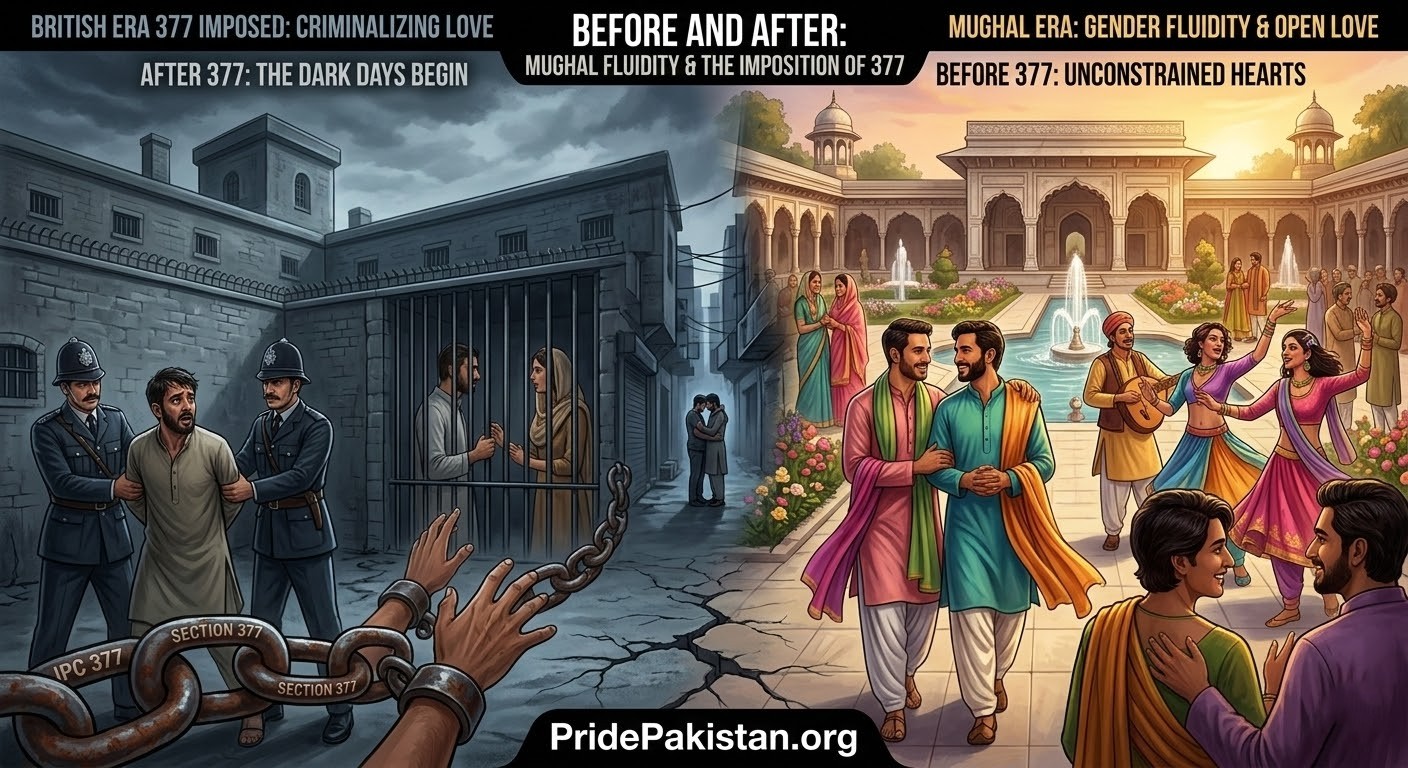
    The homophobia we face in Pakistan today is not an “Islamic” invention; it is a British export. To understand why we are criminalized today, we must look at the year 1860—the year our indigenous fluidity was replaced by Victorian shame.

    1860: The Arrival of Lord Macaulay’s Law

    Before the British Raj, there was no systematic legal “hunt” for same-sex intimacy in the subcontinent. This changed when Lord Thomas Macaulay drafted the Indian Penal Code (IPC). He introduced Section 377, which criminalized “carnal intercourse against the order of nature.”

    The British viewed the subcontinent’s tolerance for diverse genders and desires as “oriental depravity.” They didn’t just bring railroads; they brought a rigid, Christian-Victorian morality that sought to “civilize” us by making us ashamed of our own history.

    1947: A Stolen Independence

    When Pakistan gained independence in 1947, we rightfully celebrated our freedom from the British. However, while the British left, their laws remained. Pakistan inherited the Penal Code almost in its entirety. Section 377—a law written by a man who had never been to Pakistan for a society he didn’t understand—became the law of our new land. Instead of reclaiming our pre-colonial tolerance, the new state kept the colonial tools of policing private lives.

    The Dark Layers of the 1980s

    The situation worsened during the era of Zia-ul-Haq. Under the guise of “Islamization,” the state added the Hudood Ordinances on top of the existing British Section 377. This created a dual-threat legal system where colonial law and a specific, rigid interpretation of Sharia combined to push the LGBTQI community further into the shadows.

    Section 377 Today: More Than Just a Law

    Today, Section 377 is rarely used for actual convictions, but it serves a more sinister purpose: Blackmail and Erasure.

    • Police Harassment: It gives authorities a tool to intimidate, extort, and harass gay men and trans individuals.
    • The War on Ideology: Because “unnatural offenses” are on the books, any attempt to promote “Pride Ideology”—the simple idea that we deserve dignity—is labeled as “promoting obscenity” or “acting against the state.”
    • Digital Targets: Laws like PECA are now being used to target gay dating apps and websites, citing the “unnatural” nature of the community defined by Section 377.

    By keeping this colonial law, we are continuing the work of the British Raj every single day. True independence for Pakistan will only come when we strip away these foreign layers of shame and return to our roots of compassion and diversity.

    نوآبادیاتی دور کی وراثت: دفعہ 377 نے پاکستانی ذہن کو کیسے غلام بنایا

    پاکستان میں آج ہمیں جس نفرت یا ہومو فوبیا کا سامنا ہے، وہ اسلامی نہیں بلکہ برطانوی ایجاد ہے۔ ہماری اصل تاریخ کو 1860 میں اس وقت مسخ کیا گیا جب انگریزوں نے یہاں کے مقامی کلچر پر اپنی اخلاقیات مسلط کیں۔

    1860: لارڈ میکالے کا قانون

    برطانوی راج سے پہلے برصغیر میں نجی زندگیوں پر کوئی باقاعدہ قانونی قدغن نہیں تھی۔ لیکن انگریزوں نے انڈین پینل کوڈ (IPC) کے ذریعے دفعہ 377 متعارف کرائی، جس نے “فطرت کے خلاف” جنسی تعلقات کو جرم قرار دے دیا۔ انگریزوں کی نظر میں جنوبی ایشیا کی صنف اور محبت کے حوالے سے رواداری “پسماندگی” تھی۔ انہوں نے صرف ریلوے نہیں بچھائی، بلکہ ہمیں اپنی ہی تاریخ سے شرمندہ کرنے کے لیے وکٹورین اخلاقیات کا لبادہ پہنا دیا۔

    1947: ایک ادھوری آزادی

    جب 1947 میں پاکستان آزاد ہوا تو ہم نے انگریزوں سے سیاسی آزادی تو حاصل کر لی، لیکن ان کے بنائے ہوئے قوانین کو سینے سے لگائے رکھا۔ دفعہ 377، جو ایک ایسے شخص (لارڈ میکالے) نے لکھی تھی جسے ہماری ثقافت کا علم تک نہیں تھا، ہمارے نئے ملک کا قانون بن گئی۔ ہم نے اپنی قدیم رواداری کو اپنانے کے بجائے نوآبادیاتی دور کے ان اوزاروں کو برقرار رکھا جو لوگوں کی نجی زندگیوں کو کنٹرول کرتے تھے۔

    دفعہ 377 آج کے دور میں

    آج دفعہ 377 کا استعمال سزا دینے سے زیادہ بلیک میلنگ اور ہراساں کرنے کے لیے کیا جاتا ہے:

    پولیس گردی: یہ قانون پولیس کو اختیار دیتا ہے کہ وہ گے (Gay) اور ٹرانس جینڈر افراد کو ڈرائے دھمکائے اور ان سے رقم بٹورے۔

    نظریاتی جنگ: اسی قانون کی وجہ سے “پرائیڈ” یا برابری کی بات کرنے والوں پر “فحاشی” پھیلانے کا الزام لگایا جاتا ہے۔

    ڈیجیٹل سنسرشپ: اب اسی نوآبادیاتی سوچ کے تحت ویب سائٹس اور ایپس کو بلاک کیا جاتا ہے۔

    سچی آزادی تبھی ملے گی جب ہم انگریزوں کے دیے ہوئے ان شرمناک قوانین کو ختم کر کے اپنی اصل تاریخ، یعنی ہمدردی اور تنوع کی طرف لوٹیں گے۔