The Spark: Why We Refuse to Let Stigma Dictate the Narrative
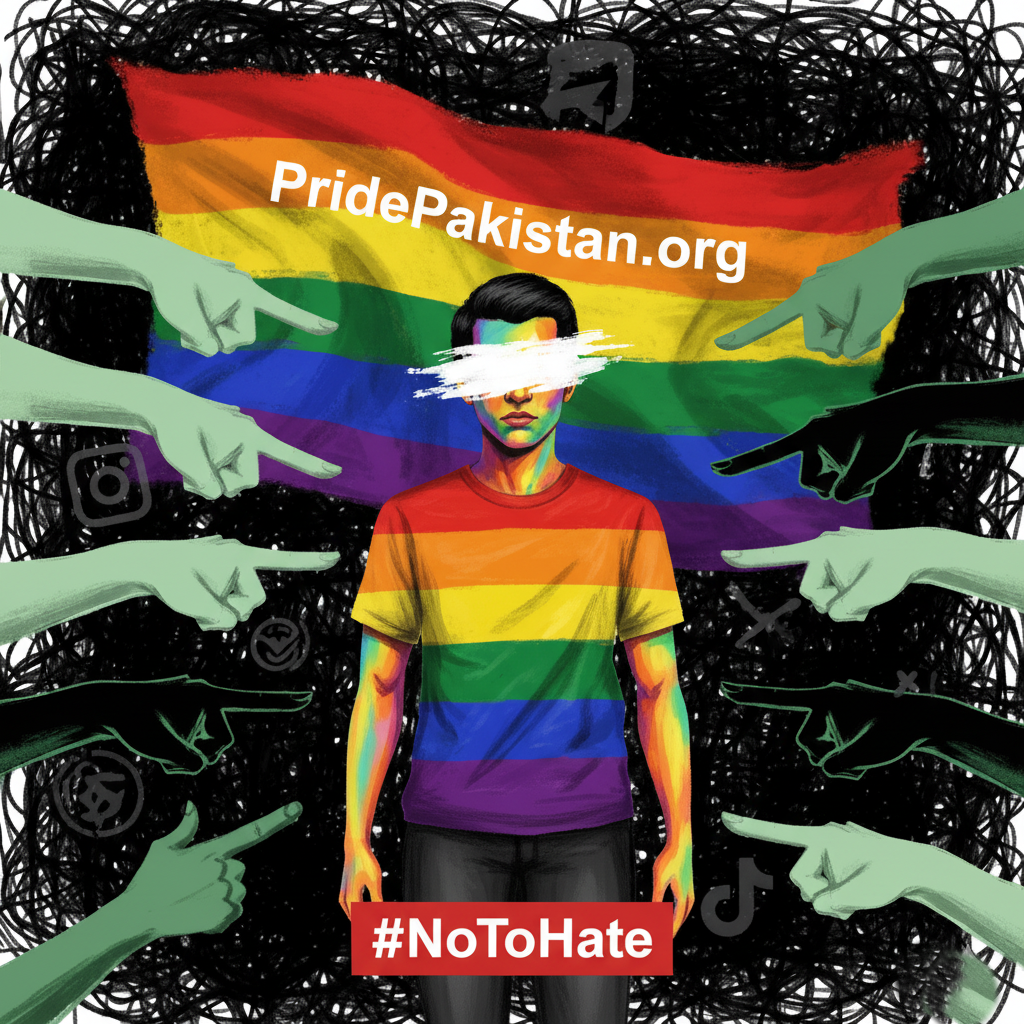
Recently, a viral video interview featuring transgender activist Surkhina (Hina Baloch) sparked an intense, highly polarized storm across Pakistani social media platforms. In a provocative taunt aimed at challenging the country’s deep-rooted hypocrisy, Surkhina claimed that “80% of Pakistan is gay.” While the statement was clearly delivered to expose the massive, open secrets of hidden sexual orientations suppressed under the weight of compulsory heterosexuality, the mainstream narrative immediately weaponized it. Right-wing extremist groups and homophobic commentators jumped on this hyperbole, using it to fuel moral panic, delegitimize human rights advocacy, and spread toxic misinformation online.
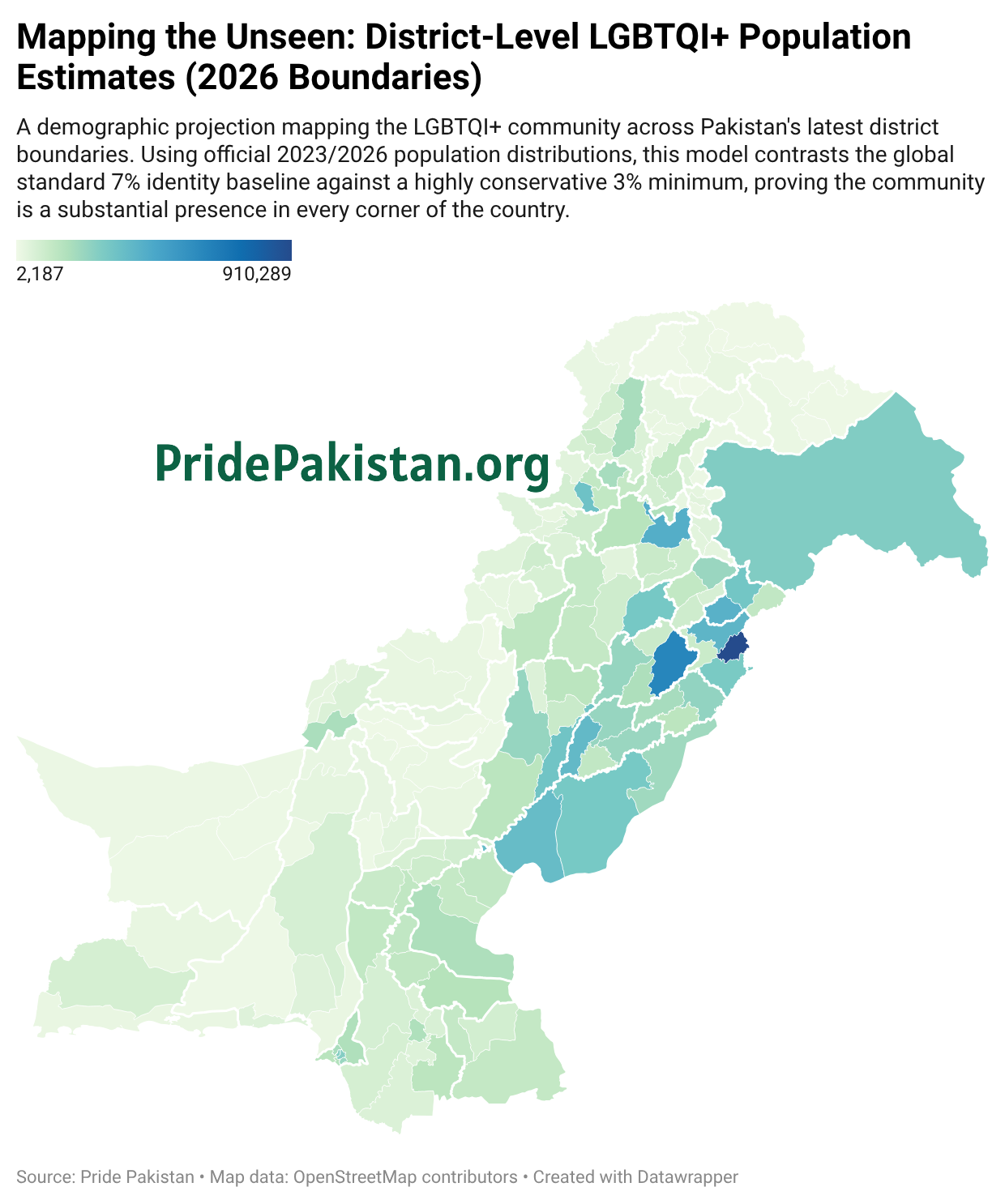
At PridePakistan.org, we realized that in the complete absence of reliable, transparent, and safe tracking from state institutions, the vacuum is filled either by exaggerated claims or total erasure. The state tells the world we do not exist; extremists claim we are an ideological contagion. We decided it was time to provide the real, scientifically verifiable data. Today, we are proud to launch Pakistan’s first interactive, district-by-district LGBTQI+ population map.
The Scientific Baseline: How We Quantify the Invisible
How do you map an underground community facing structural state terrorism, arbitrary cyber-raids under PECA laws, and forced institutionalization? You turn to standard public health methodologies and demographic science.
To counter both conservative undercounts and viral internet rumors, we applied a globally recognized statistical extrapolation model across Pakistan’s latest 2026 administrative district boundaries:
The Standard Identity Baseline (7%): Decades of independent demographic documentation compiled by global entities (such as the Kinsey Institute and the Williams Institute) demonstrate that sexual and gender minorities consistently constitute between 5% to 10% of any given human population. Our map utilizes a standard, realistic 7% multiplier applied against the official national census counts. This places Pakistan’s actual LGBTQI+ population at an estimated 16.8 million individuals.
The Conservative Minimum (3%): To maintain absolute scientific defense against skeptics, our interactive data features a local hover tooltip displaying a 3% absolute minimum baseline. Even at this highly restrictive margin, the sheer volume proves that queer people are not an isolated anomaly—they are thousands of citizens breathing in every local neighborhood.
Explore the Live Interactive Map
Our data maps the community across all four provinces, the federal capital, and regional territories. Hover over your district below to see the standard demographic estimates and conservative baseline ranges of our community members living there.
The Power of Data in an Era of Erasure
This map is more than just raw data; it is an act of digital resistance. When state agencies like the NCCIA actively infiltrate queer networking applications, kidnap adult consenting individuals for extortion, and shut down reproductive healthcare organizations like Rutgers Pakistan, numbers become our shield.
When you see that a single district like Lahore holds nearly a million queer individuals, or that Karachi Central houses over a quarter of a million, the narrative changes. We are your doctors, your teachers, your siblings, and your children. We are woven into the very fabric of this land, from the historical shrines of Madho Lal Hussain to the modern digital frontier. We are here, we are millions, and we will no longer be erased by the state or misrepresented by rumors.
پرائیڈ پاکستان میں ہمیں اس بات کا شدید رنج ہے کہ آپ کو قانونی مدد کی تلاش کے لیے اس صفحے پر آنا پڑا۔ پاکستان میں ریاستی حکام کا سامنا کرنا، بے بنیاد گرفتاریاں یا جھوٹے مقدمات کا شکار ہونا کسی بھی انسان کے لیے انتہائی خوفناک تجربہ ہوتا ہے۔ ہم آپ کی جدوجہد کو سمجھتے ہیں، آپ کے خوف کو محسوس کرتے ہیں، اور آپ اس راستے میں اکیلے نہیں ہیں۔
ہماری حدود کو مدِ نظر رکھیں
پرائیڈ پاکستان رضاکاروں پر مشتمل ایک تنظیم ہے۔ ہمارے پاس وکیل کرنے، ضمانت کی رقم ادا کرنے یا عدالتوں میں آپ کی نمائندگی کے لیے مالی وسائل یا مستقل قانونی عملہ موجود نہیں ہے۔ اگر آپ مستقبل میں ہماری براہِ راست قانونی امداد کے منصوبوں سے باخبر رہنا چاہتے ہیں تو ہمارا میمبرشپ فارم پر کریں۔
پاکستان میں تلخ قانونی حقائق
پاکستان میں ہم جنس پرست یا مختلف شناخت رکھنے والے افراد کو ریاستی کارروائی یا امتیازی سلوک سے بچانے کے لیے کوئی قانون موجود نہیں ہے۔ تعزیراتِ پاکستان کی دفعہ ۳۷۷ کے تحت ہم جنس پرستی کو باقاعدہ جرم قرار دیا گیا ہے۔ اس کے علاوہ ریاستی ادارے اکثر الیکٹرانک جرائم کی روک تھام کے قانون کا سہارا لے کر لوگوں کو ان کے فون یا انٹرنیٹ پر موجود مواد کی بنیاد پر نشانہ بناتے ہیں۔
اس امتیازی نظام کی وجہ سے پولیس اور فاسد اہلکار اکثر ہماری برادری کے لوگوں سے پیسے بٹھورنے، بلیک میل کرنے یا جیل میں ڈالنے کے لیے جھوٹے مقدمات کا سہارا لیتے ہیں۔
ہنگامی صورتحال کے لیے رہنمائی
گرفتاری کی صورت میں کیا کریں
اگر آپ کو پولیس حراست میں لے لے یا آپ کو جھوٹے مقدمے کی دھمکی دی جائے تو آپ کے فوری اقدامات آپ کے دفاع کے لیے انتہائی اہم ہیں۔ زیادہ تر ادارے دباؤ ڈال کر جلد از جلد معلومات حاصل کرنے کی کوشش کرتے ہیں تاکہ مقدمہ قائم کیا جا سکے۔
۱۔ خاموش رہنے کے حق کا استعمال کریں
اعترافِ جرم نہ کریں اور تفصیلات نہ بتائیں: قانوناً آپ پر اپنے خلاف بیان دینے کی کوئی پابندی نہیں ہے۔ انتہائی ادب لیکن مضبوطی سے کہیں کہ آپ وکیل کی موجودگی کے بغیر کوئی رسمی بیان یا سوالات کے جوابات نہیں دیں گے۔
اپنی شناخت یا برادری کے رابطے ظاہر نہ کریں: اپنی ذات، جنسیت یا دوستوں کے بارے میں معلومات نہ دیں۔ آپ کا دیا گیا کوئی بھی نام یا نمبر دیگر مظلوم افراد کو خطرے میں ڈال سکتا ہے۔
۲۔ زبردستی کے اعترافی بیانات اور تشدد کا خطرہ
مقامی پولیس کا یہ عام طریقہ کار ہے کہ وہ جسمانی یا ذہنی تشدد کے ذریعے لوگوں سے اعترافی ویڈیوز بنواتی ہے یا سادے کاغذات پر دستخط کرواتی ہے۔ وہ جرم تسلیم نہ کرنے پر شدید تشدد کی دھمکیاں دے سکتے ہیں۔
وہ جھوٹے ثبوت بھی بنا سکتے ہیں، جیسے کہ ایسی منشیات کی برآمدگی کا دعویٰ جو آپ کے پاس نہیں تھیں، یا غیر قانونی تلاشی کے دوران آپ کے فون میں ایسا مواد ڈالنا جو آپ کا نہیں تھا۔
اہم قانونی دفاع: اگر آپ سے پولیس کے دباؤ، تشدد یا دھمکی کے تحت کوئی بیان یا اعترافی ویڈیو بنوائی جائے تو اسے عدالت میں چیلنج کیا جا سکتا ہے۔ قانونِ شہادت کے آرٹیکل ۳۸ کے تحت حراست کے دوران پولیس اہلکار کے سامنے دیا گیا اعترافی بیان بنیادی ثبوت کے طور پر قابلِ قبول نہیں ہوتا۔ اگر آپ سے زبردستی کوئی بیان لیا گیا ہو تو فوراً اپنے وکیل کو بتائیں۔
۳۔ وکیل تک رسائی اور مفت قانونی امداد
آئینِ پاکستان کے آرٹیکل ۱۰ کے تحت ہر گرفتار شخص کو اپنی پسند کے وکیل سے مشورہ کرنے اور دفاع کا مکمل حق حاصل ہے۔
سرکاری وکیل کی حقیقت: اگرچہ بین الاقوامی اصولوں کے مطابق غریب افراد کو سرکاری وکیل فراہم کرنا ریاست کی ذمہ داری ہے، لیکن پاکستان میں یہ نظام انتہائی ناقص اور غیر فعال ہے۔ یہاں اکثر لوگوں کو بغیر کسی مؤثر وکیل کے مقدمات کا سامنا کرنا پڑتا ہے۔
بین الاقوامی تنظیموں کی رپورٹس کے مطابق پاکستان کی جیلوں میں موجود تقریباً ۷۰ فیصد افراد بغیر کسی مکمل کیس یا ٹرائل کے قید ہیں، اور وہ صرف اس لیے نظام میں پھنسے ہوئے ہیں کیونکہ ان کے پاس وکیل موجود نہیں ہے۔
محفوظ وکیل کا انتخاب کیسے کریں
کیس کی پیروی کے لیے عدالت کے دروازوں سے اچانک کسی بھی وکیل کا انتخاب نہ کریں، کیونکہ اکثر وکلاء امتیازی سوچ رکھتے ہیں۔
انسانی حقوق کے علمبردار وکلاء کی تلاش کریں: ایسے وکلاء کا انتخاب کریں جو انسانی حقوق، خواتین کے حقوق یا خواجہ سرا برادری کے مسائل پر کام کرنے کا تجربہ رکھتے ہوں۔ ایسے ماہرین ذاتی آزادی، پرائیویسی اور پولیس کی بدعنوانی کو بہتر سمجھتے ہیں۔
خواجہ سرا وکلاء کی نمائندگی: کراچی میں ایڈووکیٹ نیشا راؤ جیسے رہنما وکلاء سے رابطہ کریں، جو جنسی قوانین اور پولیس کے رویوں کو گہرائی سے سمجھتے ہیں۔
حفاظتی ڈیسک سے رابطہ کریں: بڑے شہروں میں آپ پولیس کے تحفظ مراکز جیسے کہ پنجاب کے تحفظ سینٹرز سے رابطہ کر کے محفوظ اور پیشہ ور وکلاء تک رسائی حاصل کر سکتے ہیں۔
ملک گیر قانونی امداد اور انسانی حقوق کی تنظیمیں
ذیل میں پاکستان کے مختلف علاقوں میں کام کرنے والی مفت قانونی امداد کے کلینکس، انسانی حقوق کی تنظیموں اور امدادی گروہوں کی فہرست دی گئی ہے۔ یہ تنظیمیں مظلوم طبقے کے لیے مفت قانونی مشورہ، عدالتوں میں نمائندگی اور تحفظ فراہم کرتی ہیں۔
ڈیجیٹل ڈیفینڈرز پاکستان: آن لائن پرائیویسی، ڈیجیٹل حقوق اور سائبر کرائم کے قوانین سے متعلق قانونی معلومات اور تحفظ فراہم کرتی ہے۔
عاصمہ جہانگیر لیگل ایڈ سیل: خواتین اور مظلوم افراد کے لیے مفت قانونی امداد اور عدالتوں میں نمائندگی فراہم کرتی ہے۔
جسٹس پروجیکٹ پاکستان: سنگین مقدمات اور زیرِ حراست افراد کے بنیادی انسانی حقوق کے تحفظ کے لیے کام کرتی ہے۔
بلو وینز: خیبر پختونخوا میں انسانی حقوق اور خواجہ سرا برادری کے تحفظ کے لیے امداد فراہم کرتی ہے۔
At PridePakistan.org, it deeply saddens us that you are in a position where you need to look for legal support. Facing state authorities, arbitrary arrests, or fraudulent cases (fake FIRs) is one of the most terrifying experiences an individual can face in Pakistan. We see your struggle, we understand your fear, and you are not alone.
Please Note Our Limitations: Pride Pakistan is a grassroots, volunteer-led group. We do not have the financial resources or permanent legal staff to hire lawyers, pay bail, or represent you directly in court. If you would like to be kept informed about future direct legal aid programs or resource updates, please fill out our official Membership Form.
The Harsh Legal Reality in Pakistan
In Pakistan, there are zero laws protecting gay, lesbian, or queer individuals from state prosecution or discriminatory authorities. In fact, homosexual activity remains explicitly criminalized under Article 377 of the Pakistan Penal Code (PPC). Furthermore, the state frequently weaponizes laws like the Prevention of Electronic Crimes Act (PECA) to target individuals for the digital content they view or share.
Because of this systemic prejudice, authorities and corrupt officers often use “fake FIRs” or manufactured charges to extort, blackmail, or imprison members of our community.
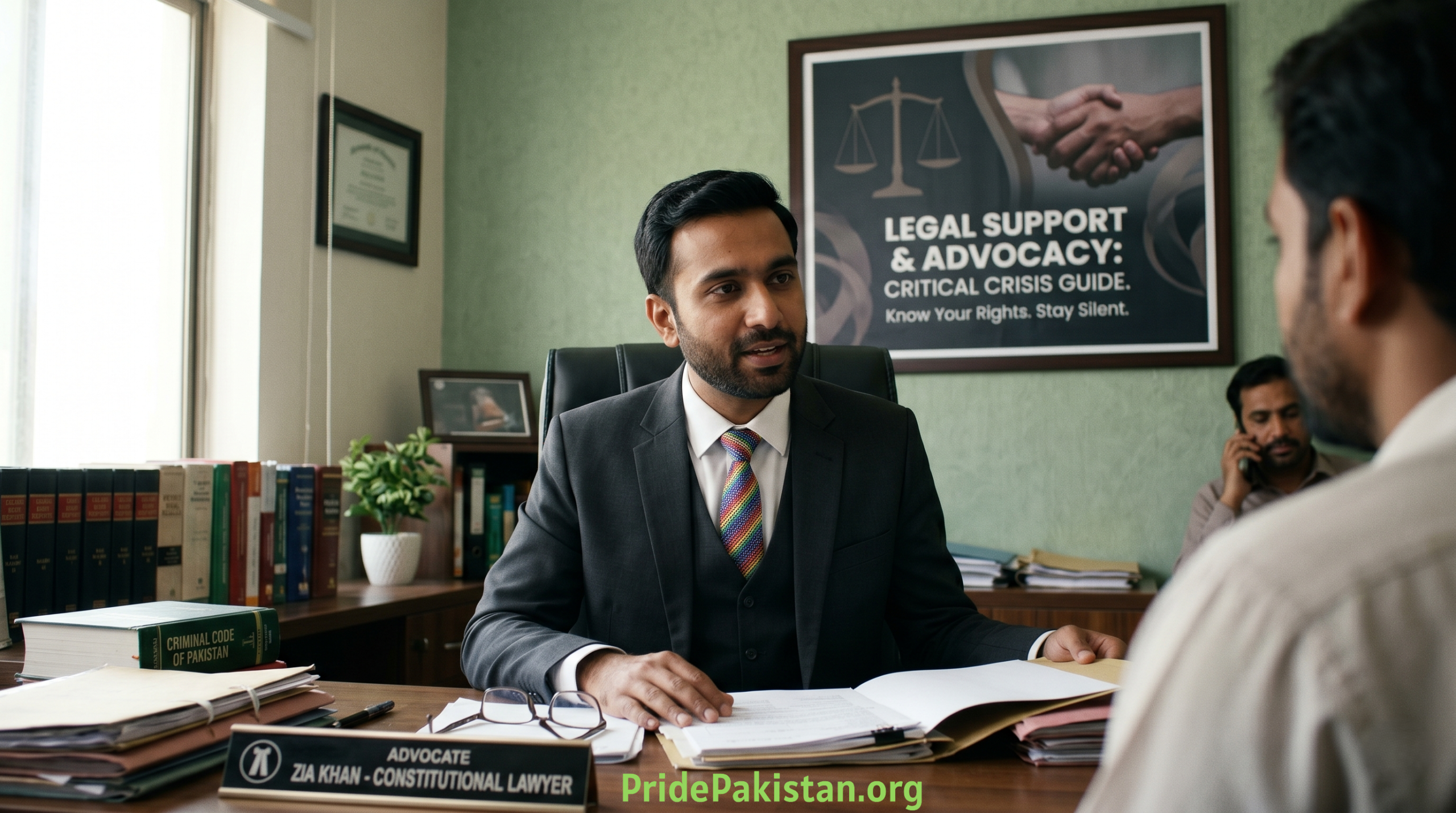
Critical Crisis Guide: What to Do If You Are Arrested
If you find yourself detained by the police or are being threatened with a fake FIR, your immediate actions are vital to your defense. Most authorities look to gather information quickly under duress to build a case against you.
1. Exercise Your Right to Stay Silent
Do not confess and do not provide details: You are not legally required to incriminate yourself. Politely but firmly state that you will not give a formal statement or answer specific questions until you have a lawyer present.
Do not reveal your identity or community connections: Avoid sharing details about your personal life, your orientation, or your friends. Any name or number you give can be used to target other vulnerable individuals.
2. The Danger of Forced Video Confessions and Torture
It is a common practice for local police to use physical or psychological torture to force individuals to record video confessions or sign blank papers. They might threaten you with brutal violence if you do not admit to a crime.
They may also fabricate evidence, such as claiming the “recovery of drugs” that you did not possess, or planting adult/pornographic content onto your mobile phone during an illegal search.
Important Legal Defense: If you are forced to make a statement or video confession under police influence, torture, or threat of violence, this can be legally challenged in court. A confession made to a police officer while in custody is generally not admissible as primary evidence under Article 38 of the Qanun-e-Shahadat Order, 1984. Tell your lawyer immediately if any statement or video was forced out of you.
3. Access to a Lawyer and Free Legal Aid
Under Article 10 of the Constitution of Pakistan, every arrested person has the right to consult and be defended by a legal practitioner of their choice.
The Reality of State Counsel: While international standards demand that the state provide a lawyer if you cannot afford one, the local public defender system is heavily underfunded and deeply flawed. In Pakistan, state authorities can and do prosecute individuals without functional representation.
according to reports by the World Organisation Against Torture (OMCT), approximately 70 percent of individuals in Pakistani prisons are held without proper or complete trials, often trapped in the judicial system simply because they lack legal counsel.
How to Choose a Safe Lawyer
When seeking representation, do not randomly select a lawyer from the court gates, as many hold deeply homophobic views.
Look for Gender-Affirming Allies: Seek out lawyers who have an established history of working on human rights, women’s rights, or transgender issues. These professionals are far more likely to understand bodily autonomy, privacy, and systemic police misconduct.
Transgender Representation: Look to pioneers like Advocate Nisha Rao in Karachi, a professional transgender lawyer who deeply understands gender-related laws and local police vulnerabilities.
Consult Protective Desks: In major cities, you can reach out to dedicated Protection Centers (such as the Tahaffuz Centers in Punjab or Gender Protection Units) to connect with vetted, friendly legal professionals.
Nationwide Legal Aid and Human Rights Resource Table
The table below lists established legal aid clinics, human rights organizations, and support groups across different regions of Pakistan. These organizations provide pro-bono representation, legal advice, or protection tracking for marginalized communities.
Region / City
Organization Name
Office Location / Address Details
Helpline / Contact Number
Nature of Services & Focus Area
National / Digital
Peace & Justice Network (PJN)
Nationwide Networks / Mobile App: Haqq
0800-46723 (Safeguarding Helpline)
Legal empowerment, legal literacy, digital rights tracking, and legal aid referral networks.
National / Digital
Gender Rights Watch (GRW)
Active online network with legal advocates
info@genderrightswatch.org
Human rights defense, tracking vulnerabilities, and linking marginalized youth to safe advocates. Member of ILGA Asia.
National / Policy
Human Rights Watch (HRW)
Global Network (Pakistan Monitoring)
via website portals
Strategic documentation of state atrocities and advocacy for structural transitions.
Karachi / Sindh
Advocate Nisha Rao’s Chambers
Defence View Market Road, BB16, Karachi
+92 21 3234 5678
Direct criminal defense, bail requests, and specialized gender-expert legal representation.
Strategic litigation, fighting systemic judicial errors, and representation for vulnerable prisoners facing harsh sentences.
Lahore / Punjab
Dastak Charitable Trust
Lahore, Punjab
via primary human rights desks
Emergency shelter protection, crisis intervention, and associated legal advisory for victims of systemic violence.
Lahore / Punjab
Khawaja Sira Society (KSS)
Lahore, Punjab
via local community centers
Localized peer support, discrimination tracking, and referrals to friendly lawyers for local police disputes.
Multan / South Punjab
Legal Aid Services (LAS Network)
Serving South Punjab and lower regions
0800-70806
Connecting rural and regional victims of fake FIRs with urban human rights defense networks.
Peshawar / KPK
Blue Veins
Peshawar, Khyber Pakhtunkhwa
via provincial civil society links
Localized advocacy for vulnerable groups, tracking police misconduct, and human rights legal counseling.
Islamabad / North
PODA Pakistan
Islamabad Capital Territory / Regional Desks
via main NGO portal
Rural development, legal literacy training, and localized rights defense infrastructure.
Islamabad / Regional
Forum for Dignity Initiatives (FDI)
Islamabad, Pakistan
via advocacy networks
Research, structural transition monitoring, and capacity building for marginalized groups facing systemic oppression.
We are actively working to expand our connections with independent, gender-expert defense attorneys across less-represented regions like Quetta and Gilgit. Stay safe, understand your rights, and secure your digital communications.
Digital Rights and Legal Protection Resources For individuals facing digital harassment, online threats, or police surveillance involving personal devices, Digital Defenders Pakistan provides comprehensive resources on digital rights, privacy laws, and legal protection. Their platform offers guidance on navigating cybercrime legislation, securing personal data, and accessing local non-governmental organizational support when facing online intimidation.
I’m from Pakistan — a place where the word “bisexual” doesn’t even exist in most conversations. Growing up as a girl, I was always told how to behave: don’t speak to boys, don’t question elders, and one day, marry the man your parents choose for you. But what nobody knew was that while I was told to fear boys, I was quietly developing feelings for girls. I didn’t have a name for it. I just knew I felt something different when I hugged a close friend, or when I imagined a future — it wasn’t always with a man.
In my culture, talking about sexuality is like lighting a fire in a dry field — it burns everything. So I stayed quiet. I obeyed. And eventually, I was married off in an arranged marriage. I met my husband for the first time after the wedding. There was no connection. There was no love. Only expectations, and soon after, violence. I told him once, half-joking, that I sometimes had feelings for women. He laughed it off. But when I moved to the UK later and began studying, I met LGBTQ+ groups for the first time — people who lived freely and loved openly. For the first time in my life, I started to understand myself. I learned the word “bisexual,” and more importantly, I finally accepted myself.
That’s when everything began to unravel.
When I told my husband again — this time seriously — he became aggressive. He told me it was sinful, disgusting, a disgrace to his family. The emotional abuse became physical. When he assaulted me, I went to the police. I had finally found the courage to speak out. But I didn’t know that reporting him would lead him to expose me to my family in Pakistan. From that point, the threats became real. My family told me I had no shame. That a woman like me shouldn’t be allowed to raise a daughter. That I would bring dishonour on them all. They said if I returned to Pakistan, I would be dealt with — for them, that meant punishment, even death, to “make an example.”
At that moment, I knew I couldn’t go back. Not for myself, and not for my child.
In my culture, talking about sexuality is like lighting a fire in a dry field.
I applied for asylum in the UK as a bisexual woman in 2022, after trying to manage everything quietly for so long. I didn’t know at first that I could claim asylum based on my sexuality — it wasn’t something people talk about. I was scared, ashamed, and alone. But eventually I found out through others, and I began the process. My interviews took time — months of waiting, preparing, and trying to stay emotionally strong. The process itself was heavy. In my main interview, I had to talk about parts of my life I had buried deep. I had to explain trauma, abuse, and fear to strangers — and try to stay composed, because I knew they were watching closely to see if I was “credible enough.”
Being a person seeking asylum is not easy. Emotionally, it’s isolating. Financially, I have worked hard, starting from a team member job to now becoming an assistant manager. I pay taxes. I never took benefits. I’m doing my best, not just to survive, but to give my child a normal, peaceful life — something I never had. But mentally, the weight is always there: will they believe me? Will they send me back?
I live every day knowing that if I were forced to return, I could lose my child — or worse. That fear never leaves.
Rainbow Migration came into my life like a quiet light. I was referred to them by someone I met through a support circle. I reached out nervously, unsure if anyone would care or understand. But from the beginning, they were kind, welcoming, and respectful. They helped me understand the asylum process, offered emotional support, and gave me a sense of community I hadn’t felt in years. Without Rainbow Migration, I would have felt truly alone in this journey. They reminded me that I’m not the only one — and that my life, my voice, and my truth matter.
I haven’t been detained, but I’ve heard stories from others, and I live with the constant anxiety that something could go wrong. For women like me — bisexual, South Asian, single mothers — the fear is always layered: fear of violence, of judgment, of being forgotten.
But I’m still here. I’m still standing. And I want others to know that no matter how broken you feel, no matter how unsafe the world has made you feel — you are not wrong for being who you are.
I used to hide everything about myself, even from myself. Now, even in fear, I choose to live truthfully. Not just for me, but for my child — to grow up in a world where there my child never has to hide who they are.
The original post is written by a Rainbow Migration UK user and published in DIVA magazine.
Read the original article on Rainbow Migration UK site here
Read the original article on DIVA magazine site here
My name is Murtaza* and I am a gay man from Pakistan. My boyfriend Ali* and I were in a relationship for 7 years before we left Pakistan. We always wanted to live as a couple, but it was never possible there. Before we left, I was the director of my own company where he worked as a manager. We were able to travel to different countries for business, but also spend quality time together which was only possible abroad.
When his extended family found out he was travelling with me, they became very suspicious. After we came back from a long trip, they started questioning why I was spending so much money and giving these opportunities to my boyfriend but not any of the other managers. They started harming Ali and his family.
When I had a chance to come to the UK for a meeting a few months later, I wanted to take Ali with me as usual. His family stopped him and told him that people were talking about us and it would give a bad impression for him to go with me. Ali didn’t listen to them and told them he was going with a different director instead. When we were in the UK, his family found out that he lied and he was here with me, his boyfriend. They started threatening us, saying “If you come back, we will not spare you. We will kill you. We’ll make an example of you because you are giving a bad name to the family, the country and the religion.”
“When we were in the UK, his family found out that he lied and he was here with me, his boyfriend. They started threatening us, saying “If you come back, we will not spare you. We will kill you.””
I had already known about Rainbow Migration because I used to search online for organisations who may be able to help, even when I was still in Pakistan. When we started receiving the threats and knew that we could not go back to Pakistan, I emailed Rainbow Migration for information and they replied straight away. Within a couple of hours, the Legal Services Manager called me and guided me through the entire process, what’s going to happen and how to apply for asylum if we’re in fear of persecution, and encouraged us to apply if we think our life is in danger. We followed her advice exactly and called the Home Office, who arranged the initial interview after 3-4 days.
My boyfriend had a substantive interview just over a year after we first claimed asylum, while I had to wait about 18 months. We were both granted status shortly after the interviews. We had a lot of evidence because we had already been in a relationship for 7 years by the time we applied for asylum. We had pictures together throughout our relationship, back in Pakistan and in different countries, and evidence that we travelled together. Since coming to the UK, we have been living together. We were out and always looked after each other.
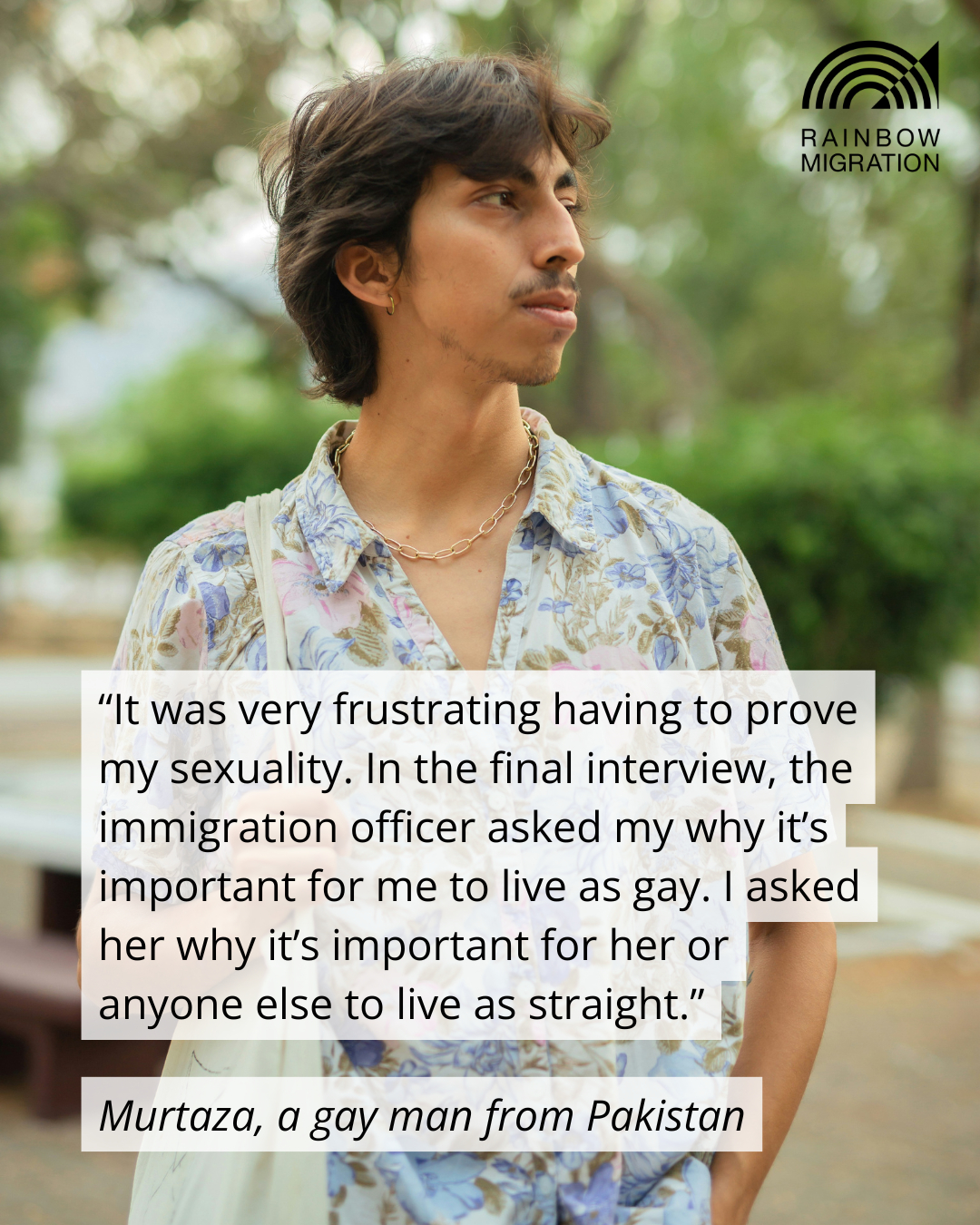
It was very frustrating having to prove my sexuality. In the final interview, the immigration officer asked my why it’s important for me to live as gay. I asked her why it’s important for her or anyone else to live as straight. If it’s important for a straight couple to live openly, then it’s our right to live as an open couple as well. These questions should not be there in the first place – they would never ask a straight person this.
Rainbow Migration was very helpful because they referred us to pro bono lawyers. Amina* kept following everything that was happening, and Farah* was very nice and helpful as well. She used to run the online Asylum Advice Sessions and reply to my emails. I had a very good experience with Rainbow Migration. If Rainbow Migration was not there, [getting refugee status] would not have been possible in our case.
Before Rainbow Migration referred us to pro bono lawyers, I spoke to a couple of lawyers but they were not interested in the case. They were only after money. The only people who were willing to help were asking for £7,000 which we could not afford, and it was very hard to find legal aid. I left everything back in Pakistan, I had no money and we were only surviving because our family and friends were supporting us for basic necessities.
“It was very frustrating having to prove my sexuality. In the final interview, the immigration officer asked my why it’s important for me to live as gay. I asked her why it’s important for her or anyone else to live as straight.”
It was very frustrating waiting over a year while we were not allowed to work. We are really lucky that we had some savings and family and friends who supported us, so we did not live in government accommodation. I’m very grateful to them for helping us, but I feel guilty that they had to spend the money. I had no other choice. People seeking asylum should be given decisions faster and allowed to work and support themselves. Many people don’t come from wealthy backgrounds and don’t have people to support them, so they have to survive off less than £200 a month, which is not enough to do anything.
It’s really frustrating to hear the comments about people seeking asylum. People come here for protection, when they are not safe in their countries. Personally, I had a very well-off life in Pakistan, and we only came to the UK to live as a couple. I didn’t even tell anyone here was seeking asylum. I’m sure many others are in the same situation.
Now that I have refugee status, I am doing some online work and my partner is learning English and working as a delivery driver. I have a lot of experience but I have not been able to find a job yet, as everywhere I apply says I am overqualified or I need experience in the UK. The other difficulty that we are facing is that we are limited in the countries we can travel to, and their different rules for people with travel documents than passports.
I’m glad that I’m in a safer environment and that Ali and I can live as a couple – that’s the most important thing. Still, even though it’s very safe here, I still see that some people are unhappy or annoyed when they see us together, but not when they see straight couples. We came all this way, but if there are a lot of people, I hesitate to show affection to my boyfriend. I hope that will change soon.
*Names have been changed to protect the identities of the interviewee and his partner.
This article is being shared from RainbowMigration UK page. Read the original article on Rainbow Migration UK site here
This page is designed to help our community understand the difference between who they are (Gender Identity) and how they choose to express that identity, while addressing specific lived experiences and queries common in our context.
صنفی شناخت: ہم کون ہیں
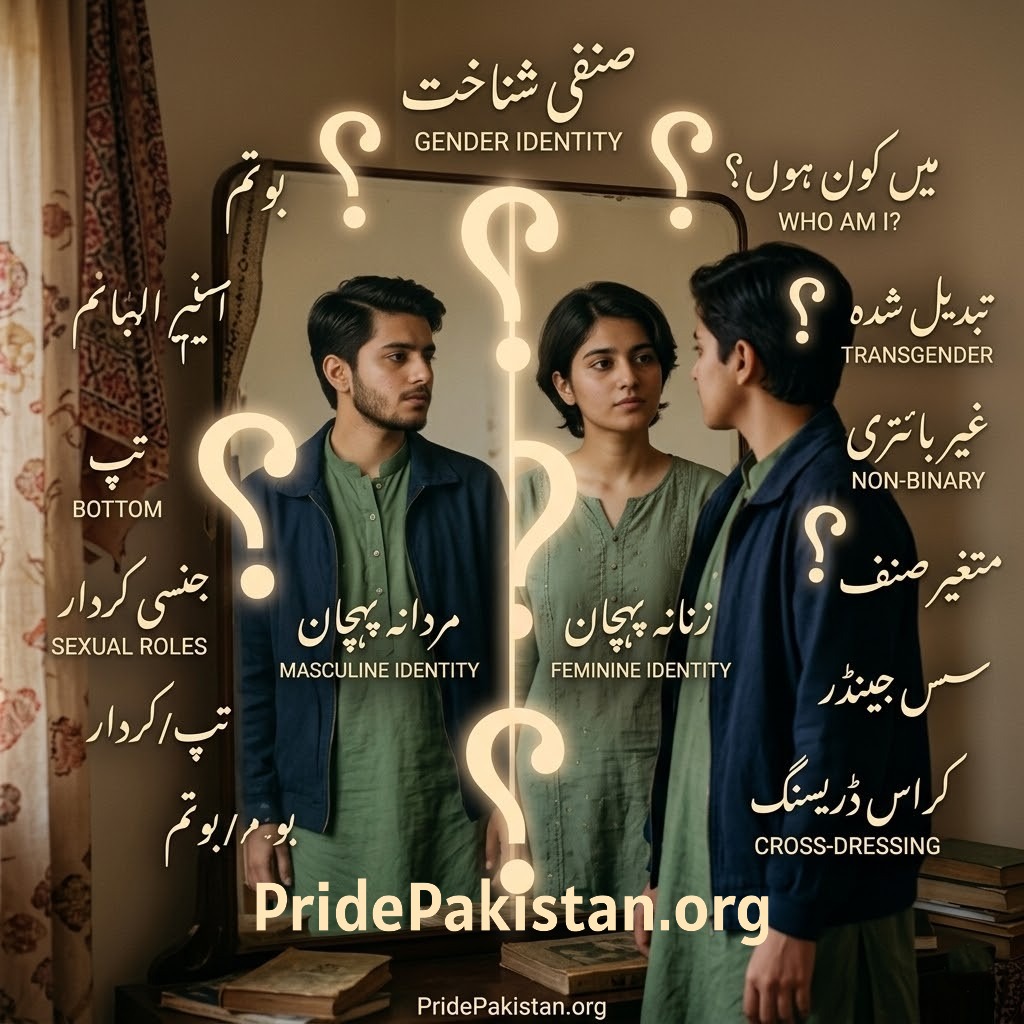
Gender identity is your internal sense of being. It is about how you feel inside, which may or may not match the sex you were assigned at birth.
1. Cisgender | سس جینڈر (روایتی صنفی شناخت)
Definition: Someone whose gender identity matches the sex they were assigned at birth.
تعریف: ایسا شخص جس کی صنفی شناخت وہی ہو جو پیدائش کے وقت اسے دی گئی تھی (مثلاً مرد پیدا ہوا اور خود کو مرد ہی مانتا ہے)۔
Example: A person born male who feels completely comfortable identifying as a man.
مثال: ایک شخص جو مرد پیدا ہوا اور وہ مرد کی حیثیت میں خود کو مکمل طور پر درست محسوس کرتا ہے۔
Definition: An umbrella term for people whose gender identity differs from their birth sex.
تعریف: ان لوگوں کے لیے ایک وسیع اصطلاح جن کی صنفی شناخت ان کی پیدائش کے وقت کی صنف سے مختلف ہو۔
Example: A person assigned female at birth who identifies and lives as a man (Trans man).
مثال: ایک شخص جسے پیدائش پر عورت قرار دیا گیا مگر وہ اپنی پہچان ایک مرد کے طور پر کرتا ہے (ٹرانس مرد)۔
3. Non-Binary / Genderqueer | غیر بائنری / جینڈر کوئیر
Definition: Someone who does not identify strictly as a man or a woman. They may feel like both, neither, or something else entirely.
تعریف: وہ شخص جو خود کو صرف مرد یا عورت کے روایتی خانوں میں محدود نہیں پاتا۔ وہ دونوں محسوس کر سکتا ہے یا ان سے الگ بھی۔
Example: A person who expresses their gender through a mix of masculine and feminine traits.
مثال: ایک ایسا شخص جو اپنی پہچان میں مردانہ اور زنانہ دونوں خصوصیات رکھتا ہو۔
4. Gender Fluid | جینڈر فلوئیڈ (متغیر صنف)
Definition: A person whose gender identity changes over time. They may feel like one gender at one stage of their life or day, and another gender at another time.
تعریف: ایسا شخص جس کی صنفی شناخت وقت کے ساتھ بدلتی رہتی ہے۔ وہ زندگی کے کسی حصے میں خود کو ایک صنف اور دوسرے حصے میں دوسری صنف محسوس کر سکتا ہے۔
Example: Someone who lives as a man in professional life but identifies with their feminine side in private or at different stages of their journey.
مثال: ایک ایسا شخص جو کام کی جگہ پر مرد کے طور پر رہتا ہے لیکن نجی زندگی یا زندگی کے مختلف ادوار میں اپنی زنانہ شناخت کے ساتھ جڑ جاتا ہے۔
Complex Situations & Gender Expression
پیچیدہ حالات اور صنفی اظہار
It is important to distinguish between who you are (Gender) and what you do or wear (Expression/Role).
یہ سمجھنا ضروری ہے کہ آپ کون ہیں (صنف) اور آپ کیا پہنتے یا کرتے ہیں (اظہار) دو الگ چیزیں ہیں۔
Cross-Dressing in Marriage: A married man who enjoys wearing female clothes does not necessarily mean he is a trans woman. This can be a form of Gender Expression or a fetish. If he still identifies as a man, his gender remains male.
شادی شدہ زندگی میں کراس ڈریسنگ: ایک شادی شدہ مرد اگر زنانہ کپڑے پہننا پسند کرتا ہے تو اس کا مطلب لازمی طور پر یہ نہیں کہ وہ ٹرانس عورت ہے۔ یہ صنفی اظہار کی ایک قسم ہو سکتی ہے۔ اگر وہ اب بھی خود کو مرد ہی مانتا ہے تو اس کی صنف مرد ہی رہے گی۔
Role Reversal in Partners: If a male wants his female partner to act or dress like a male, this is often related to Sexual Dynamics or roles rather than a change in gender identity.
ساتھی کا مردانہ روپ: اگر کوئی مرد اپنی خاتون ساتھی سے یہ چاہے کہ وہ مردوں کی طرح رہے یا لباس پہنے، تو اس کا تعلق عموماً جنسی ترجیحات یا کرداروں سے ہوتا ہے، صنفی شناخت سے نہیں۔
Sexual Desires & Trans-Attraction: A man who wishes to be dominated or penetrated by a transgender woman (with male genitals) is exploring a Sexual Role. This does not change his identity as a man, nor does it define the trans woman’s gender—she is a woman regardless of her genitals or her role in bed (Top/Bottom).
جنسی خواہشات اور ٹرانس کشش: اگر کوئی مرد کسی ٹرانس خاتون سے جنسی تعلق (دبنا یا دخول) رکھنا چاہتا ہے، تو یہ اس کا جنسی کردار ہے۔ اس سے اس مرد کی شناخت نہیں بدلتی۔ اسی طرح، ایک ٹرانس عورت اپنی جسمانی ساخت کے باوجود جنسی عمل میں فعال (Top) یا مغلوب (Dominated) دونوں ہو سکتی ہے، اس سے اس کی عورت ہونے کی پہچان پر فرق نہیں پڑتا۔
Confused About Your Gender?
کیا آپ اپنی صنف کے بارے میں الجھن کا شکار ہیں؟
If you feel like your gender changes or you are unsure, remember:
اگر آپ کو لگتا ہے کہ آپ کی صنف بدلتی رہتی ہے یا آپ غیر یقینی کا شکار ہیں، تو یاد رکھیں:
Identity vs. Action: Wanting to wear certain clothes or having specific sexual fantasies doesn’t always mean your gender has changed. Look at how you want the world to see you daily.پہچان بمقابلہ عمل: مخصوص لباس پہننے یا جنسی خیالات رکھنے کا مطلب ہمیشہ یہ نہیں ہوتا کہ آپ کی صنف بدل گئی ہے۔ یہ دیکھیں کہ آپ روزمرہ زندگی میں دنیا کے سامنے اپنی پہچان کیا چاہتے ہیں۔
Fluidity is Valid: It is okay to feel like a man today and more feminine tomorrow. You don’t have to choose a side immediately.تبدیلی نارمل ہے: اگر آپ آج خود کو مرد اور کل زنانہ محسوس کرتے ہیں، تو یہ ٹھیک ہے۔ آپ کو فوری طور پر کسی ایک طرف کا انتخاب کرنے کی ضرورت نہیں۔
Explore Roles vs. Identity: If your queries are more about who is the “Top” or “Bottom” in bed, or about specific attractions, please refer to our [Sexual Roles & Orientation Section]. Gender is about Internal Self, not just sexual acts.کردار بمقابلہ شناخت: اگر آپ کے سوالات جنسی ملاپ کے کرداروں (تپ یا بوتم) کے بارے میں ہیں، تو براہ کرم ہمارا [جنسی کردار اور میلان کا سیکشن] دیکھیں۔ صنف کا تعلق آپ کی اندرونی ذات سے ہے، صرف جنسی عمل سے نہیں۔
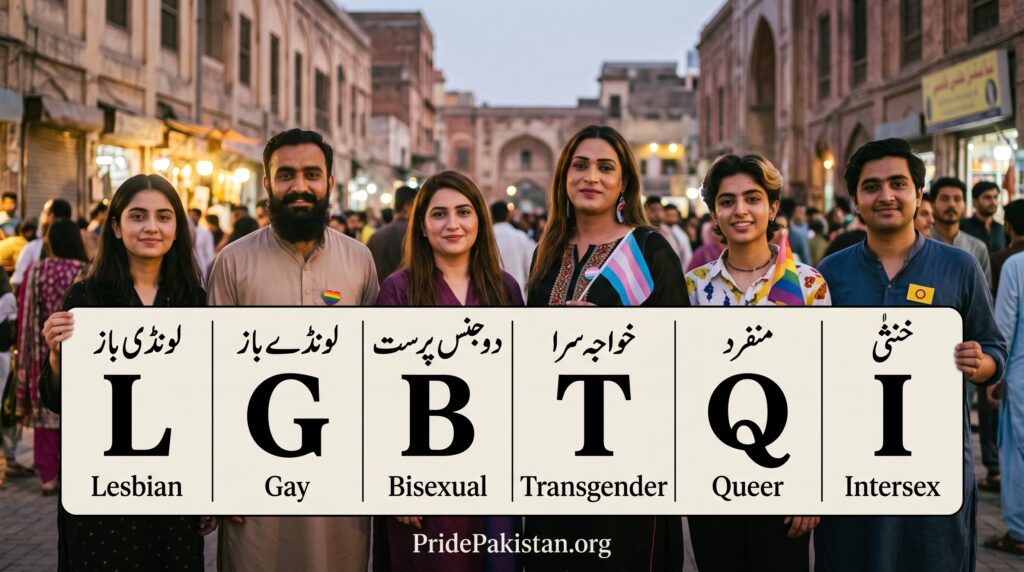
Here is a comprehensive draft for your Genders & Identities page to clearly define the acronym LGBTQI+ in both English and Urdu.
For terms that lack a single direct translation in classical Urdu, multiple clear, respectful options have been provided—ranging from formal literature to community-accepted regional language. In accordance with your preferences, no English alphabets are used within the Urdu text.
Understanding LGBTQI+: Terms & Urdu Translations
ایل جی بی ٹی کیو آئی پلس کی اصطلاحات اور ان کی اردو تعبیرات
Introduction / تعارف
English
The acronym LGBTQI+ represents a broad, diverse, and vibrant global community of individuals defined by their unique sexual orientations, gender identities, and biological variations. While these English letters are widely used in international human rights frameworks, explaining these identities within a South Asian context requires language that honors both scientific accuracy and cultural dignity.
At PridePakistan.org, we break down each letter of the acronym, providing primary and alternative Urdu translations to help community members, allies, and researchers communicate with clarity and respect.
اردو
اصطلاح ایل جی بی ٹی کیو آئی پلس دنیا بھر کے ان افراد کی نمائندگی کرتی ہے جو مختلف جنسی رجحانات، صنفی پہچانوں اور حیاتیاتی خصوصیات کے حامل ہیں۔ اگرچہ یہ انگریزی حروف عالمی سطح پر انسانی حقوق کے فریم ورک میں استعمال ہوتے ہیں، لیکن جنوبی ایشیائی تناظر میں ان پہچانوں کی وضاحت کے لیے ایسی زبان کی ضرورت ہے جو سائنسی درستگی اور ثقافتی وقار دونوں کا احترام کرے۔
پرائیڈ پاکستان میں ہم اس اصطلاح کے ہر حرف کی آسان وضاحت پیش کر رہے ہیں، اور ساتھ ہی اردو میں متعدد متبادل الفاظ فراہم کر رہے ہیں تاکہ کمیونٹی کے ممبران اور تحقیق کرنے والے باوقار انداز میں گفتگو کر سکیں۔
1. L – Lesbian / لیزبین
English
A woman (or non-binary individual) who is emotionally, romantically, or sexually attracted to other women.
Primary Urdu Translation: ہم جنس پرست عورت
Alternative Options for Urdu:
ہم جنس پرستخواتین
لونڈی باز
Urdu Definition
ایک ایسی عورت (یا غیر روایتی صنف رکھنے والا فرد) جو جذباتی، رومانوی یا جنسی طور پر دوسری خواتین کی طرف راغب ہو۔
2. G – Gay / گے
English
An individual (most commonly used for men) who is emotionally, romantically, or sexually attracted to people of the same gender.
Primary Urdu Translation: ہم جنس پرست مرد
Alternative Options for Urdu:
لونڈے باز
Urdu Definition
ایک ایسا مرد جو جذباتی، رومانوی یا جنسی طور پر اپنے ہی جیسے دوسرے مردوں کی طرف راغب ہو۔
3. B – Bisexual / بائی سیکسول
English
An individual who has the potential to feel emotionally, romantically, or sexually attracted to people of more than one gender (for example, to both men and women).
Primary Urdu Translation: دوجنسی رجحان رکھنے والا
Alternative Options for Urdu:
دو جنس پسند
دو جنس پرست
Urdu Definition
ایک ایسا انسان جو ایک سے زائد اصناف (مثلاً مرد اور عورت دونوں) کی طرف جذباتی، رومانوی یا جنسی کشش محسوس کرنے کی صلاحیت رکھتا ہو۔
4. T – Transgender / ٹرانس جینڈر
English
An umbrella term describing people whose gender identity, expression, or behavior differs from the sex assigned to them at birth.
Urdu Translation: خواجہ سرا
Urdu Definition
ایک ایسا جامع لفظ جو ان افراد کے لیے استعمال ہوتا ہے جن کی اندرونی صنفی پہچان یا سچی ذات ان کی پیدائش کے وقت طے کی گئی جنس سے مختلف ہو۔
5. Q – Queer / کوئیر
English
An inclusive umbrella term used by individuals who do not fit into rigid heterosexual norms or the gender binary. Historically re-appropriated from a negative word into a powerful identifier of political and social pride.
Primary Urdu Translation:منفرد
Urdu Definition
ایک ایسا عمومی اور وسیع لفظ جو ان تمام افراد کی نمائندگی کرتا ہے جو سماج کے بنائے ہوئے سخت نظام یا روایتی جنسی سانچوں کو قبول نہیں کرتے۔
6. I – Intersex / انٹرسیکس
English
A term describing individuals born with reproductive anatomy, chromosomes, or biological sex characteristics that do not fit typical medical definitions of male or female bodies.
Primary Urdu Translation:خنثٰی
Alternative Options for Urdu:
پیدائشی خنثٰی
Urdu Definition
ان افراد کے لیے استعمال ہونے والی طبی اصطلاح جو ایسی جسمانی یا حیاتیاتی خصوصیات کے ساتھ پیدا ہوتے ہیں جو عام مردانہ یا زنانہ جسم کے معیاری طبی سانچوں میں پوری نہیں اترتیں۔
7. The “+” Plus Sign / پلس (+) کا نشان
English
The + sign signifies inclusivity. It acknowledges that gender, sexuality, and human desire are infinite spectrums that include many other identities not fully captured by the main letters—such as Asexual (A-sexual), Pansexual, Non-Binary, and regional indigenous identities.
Primary Urdu Translation: مزید پہچانیں / لامحدود
Urdu Definition
یہ نشان اس بات کی علامت ہے کہ انسان کی پہچان اور محبت کا دائرہ محدود نہیں ہے۔ یہ دیگر تمام پہچانوں (جیسے غیر جنسی، نان بائنری اور علاقائی شناختیں) کو بھی اپنے اندر شامل کرتا ہے۔
پاکستان میں ایل جی بی ٹی کیو آئی کمیونٹی کو باہر سے دیکھنے والے اسے ایک متحد گروہ سمجھتے ہیں جو ریاست کی ناانصافیوں کے خلاف کھڑا ہے لیکن حقیقت بہت مختلف اور تکلیف دہ ہے پرائیڈ پاکستان نے یہ محسوس کیا ہے کہ ریاست اور سماج کی طرف سے ملنے والی نفرت اب کمیونٹی کے اندر بھی جڑیں پکڑ چکی ہے مسلسل خوف اور قانونی پابندیوں نے ایسا ماحول پیدا کر دیا ہے جہاں لوگ اپنی بقا کی خاطر اپنے ہی ساتھیوں کے خلاف توانائی استعمال کرنے لگے ہیں
وفاقی شرعی عدالت کا معاملہ اور کمیونٹی کی تقسیم
اس اندرونی ٹوٹ پھوٹ کی سب سے بڑی مثال دو ہزار تئیس میں ٹرانس جینڈر ایکٹ کے خلاف ہونے والی قانونی جنگ ہے اس وقت صرف مذہبی حلقے ہی اس قانون کے خلاف نہیں تھے بلکہ ٹرانس جینڈر کمیونٹی کے ہی کچھ گروہوں نے اپنے ہی لوگوں کے خلاف عدالت کا دروازہ کھٹکھٹایا انہوں نے یہ موقف اختیار کیا کہ صنفی شناخت کا حق غیر اسلامی ہے ان گروہوں نے صرف مخصوص جسمانی حالت والے افراد کو تسلیم کرنے کی حمایت کی اور ان تمام لوگوں کو کمیونٹی سے بے دخل کرنے کی کوشش کی جو اپنی شناخت کی بنیاد پر زندگی گزارنا چاہتے ہیں یہ قدم سماجی قبولیت حاصل کرنے کی ایک ناکام کوشش تھی جس نے پوری کمیونٹی کو ناقابل تلافی نقصان پہنچایا
ٹرانس جینڈر اور ہم جنسی پرستوں کے درمیان دوری
ایک اور بڑا مسئلہ کچھ ٹرانس جینڈر گروہوں کی طرف سے ہم جنسی پرست مردوں اور خواتین کے خلاف نفرت کا پھیلاؤ ہے اپنی بقا کی خاطر یہ گروہ اکثر یہ کہتے نظر آتے ہیں کہ ٹرانس ہونا تو ایک قدرتی حالت ہے جو اسلام میں جائز ہے لیکن ہم جنسی پرستی ایک گناہ ہے یہ بیانیہ ریاست کی طرف سے ہونے والے ظلم کو مزید جواز فراہم کرتا ہے اور کمیونٹی کو حصوں میں تقسیم کر دیتا ہے
ٹرانس جینڈر مردوں کی محرومیاں
ہماری کمیونٹی میں ٹرانس جینڈر خواتین کو تو کسی حد تک پہچان ملی ہے لیکن ٹرانس جینڈر مرد اب بھی مکمل طور پر نظر انداز کیے جاتے ہیں ٹرانس جینڈر مردوں کو دوہری مشکلات کا سامنا ہے انہیں گھروں میں خواتین پر لگنے والی پابندیوں کا سامنا کرنا پڑتا ہے اور کمیونٹی کے اندر بھی انہیں وہ مقام اور مدد نہیں ملتی جو دوسروں کو حاصل ہے
ذہنی صحت اور اندرونی نفرت کی وجوہات
یہ تمام اختلافات اس لیے نہیں ہیں کہ لوگ برے ہیں بلکہ اس کی اصل وجہ وہ ذہنی دباؤ اور مذہبی خوف ہے جو بچپن سے ان کے ذہنوں میں ڈالا جاتا ہے جب ایک انسان کو مسلسل یہ بتایا جائے کہ اس کا وجود جادو یا بیماری ہے تو وہ خود کو درست ثابت کرنے کے لیے اپنے سے زیادہ کمزور ساتھیوں پر حملہ کرتا ہے مناسب علاج اور ہمدردی نہ ملنے کی وجہ سے یہ غصہ اندرونی نفرت کی شکل اختیار کر لیتا ہے
پرائیڈ پاکستان کا پیغام واضح ہے کہ جب تک ہم سب متحد نہیں ہوں گے کوئی بھی آزاد نہیں ہو سکے گا ہم جنسی پرست ہوں یا ٹرانس جینڈر سب کا دشمن ایک ہی نظام ہے ہمیں ایک دوسرے کو نیچا دکھانے کے بجائے ایک دوسرے کا سہارا بننا ہو گا ہماری بقا صرف اسی صورت میں ممکن ہے اگر ہم اس تقسیم کو ختم کریں اور ایک دوسرے کے حقوق کے لیے آواز اٹھائیں
For those looking at Pakistan from the outside, the LGBTQI+ community is often seen as a single, unified front fighting against a common wall of state-sanctioned discrimination. But the reality inside the community is far more complex and, at times, heartbreaking.
As an organization, PridePakistan.org has witnessed a growing and dangerous trend: the internalizing of state-sponsored hate. The constant pressure from the state, religious authorities, and social stigma has created a “pressure cooker” effect where community members, driven by trauma and a desperate need for social survival, begin to use their energy against one another.
1. The “Divide and Rule” of the Federal Shariat Court
The most prominent example of this internal fracture occurred during the 2023 Federal Shariat Court (FSC) challenge against the Transgender Persons (Protection of Rights) Act of 2018.
In a shocking turn of events, it was not just conservative religious clerics leading the charge ; it was certain factions of the transgender community itself. These groups argued that the law’s provision for “self-perceived identity” was “un-Islamic.” By advocating for a definition of transgender identity rooted strictly in biological “intersex” conditions, they effectively threw their own community members, those who transitioned socially or medically under the bus.
This was a calculated move for social survival. By aligning themselves with the “Islamic” definition of identity, these groups sought to gain state legitimacy at the expense of others, successfully convincing the court that their peers were “imposters.”
2. “Trans is Islamic, Gay is Not”: The War on Sexual Orientation
Perhaps the most damaging conflict is the growing hostility from some transgender groups toward the gay and lesbian community. In a bid to be accepted by mainstream Pakistani society, many trans activists have begun to publicly distance themselves from “gay rights.”
We frequently see online rhetoric claiming: “Being transgender is a medical condition recognized by Islam, but being gay is a sin prohibited by the Quran.” This narrative is a survival tactic, but it is a deadly one. It validates the state’s persecution of gay and lesbian people while falsely promising “safety” to the transgender community. In reality, it only weakens the collective voice of all gender and sexual minorities, allowing the state to dismantle our rights piece by piece.
3. The Invisibility of Trans Men
Within the gender-diverse movement, space is not shared equally. While trans women (often associated with the historical Khwaja Sira culture) have achieved some level of public visibility, appearing in films, media, and even government roles, trans men remain almost entirely invisible.
Trans men in Pakistan face a double burden. Because they are often assigned female at birth (AFAB), they are subjected to the extreme restrictions placed on women in Pakistani society, including “honor”-based surveillance and limited mobility. Within the LGBTQI+ movement, they are often sidelined. Trans women’s organizations frequently fail to include the unique needs of trans men in their advocacy, leaving them without a guru system, without a community, and without a voice.
4. Mental Health: The Root of the Conflict
Why is this happening? It is not because our community is “hateful.” It is because of Internalized Stigma and Religious Trauma.
When you are told from birth that your existence is “black magic,” a “spiritual disease,” or an “affront to God,” you develop a deep-seated need to prove you are “one of the good ones.” This leads to:
Horizontal Hostility: Attacking those within your community who are “more different” than you to appear more “normal” to the state.
Trauma-Induced Aggression: When mental health support is unavailable and you are forced into “conversion” sessions, that suppressed anger often manifests as hate toward your peers.
At Pride Pakistan, we believe that no one is free until we are all free. Using our energy to fight each other only does the state’s work for them. We must recognize that the “Islamic vs. Un-Islamic” debate is a trap designed to divide us.
We call for a community that:
Centers Trans Men: Recognizing that visibility is a right, not a privilege for one group.
Rejects the “Gay vs. Trans” Divide: Understanding that our struggles are linked by the same systemic oppression.
Prioritizes Healing: Moving away from religious shaming and toward affirmative, secular support.
Our survival depends on unity. If we continue to tear each other down to satisfy a state that wants us all gone, we will have no one left to stand with.
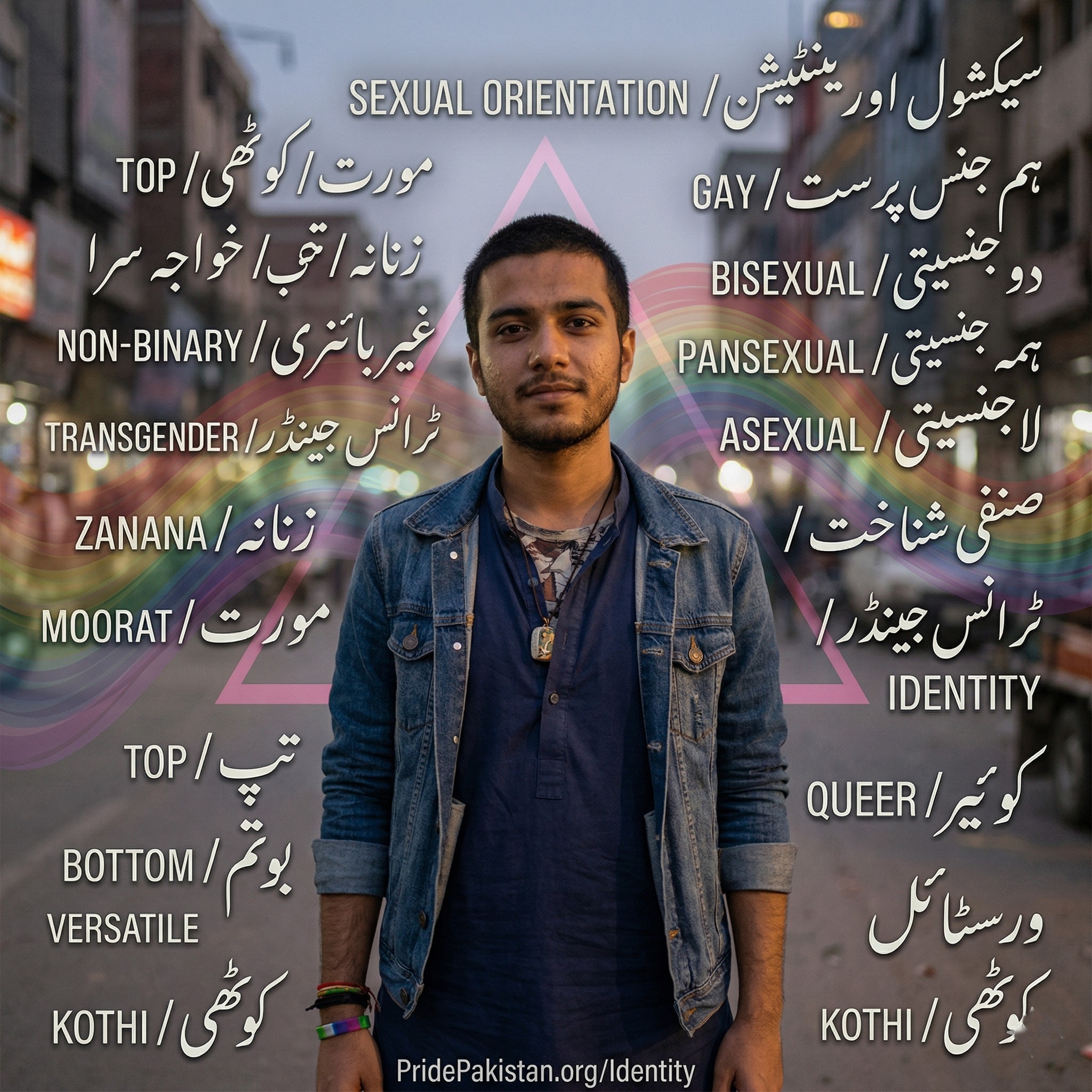
زبان خود کو سمجھنے کی کلید ہے۔ بہت عرصے سے پاکستان میں ہماری کمیونٹی کو ایسے خانوں میں بند کرنے کی کوشش کی گئی ہے جو ہم پر پورے نہیں اترتے، یا الفاظ کی کمی کی وجہ سے ہمیں خاموش رکھا گیا ہے۔ یہ حصہ ہماری شناختوں کے خوبصورت تنوع کو سمجھنے کے لیے ایک گائیڈ ہے—جو عالمی اصطلاحات اور ہماری اپنی بھرپور جنوبی ایشیائی وراثت کے درمیان ایک پل کا کام کرتا ہے۔
ا۔ جنسی میلان: ہم کس سے محبت کرتے ہیں
جنسی میلان آپ کے دل کی کشش کے بارے میں ہے۔ چاہے آپ اپنی ہی صنف کی طرف راغب ہوں، ایک سے زیادہ اصناف کی طرف، یا آپ کو کسی قسم کی کشش محسوس نہ ہوتی ہو، آپ کی حقیقت کے لیے ایک لفظ موجود ہے۔
ہم جنس پرست: وہ شخص جو بنیادی طور پر اپنی ہی صنف کی طرف کشش محسوس کرے۔
دو جنسیتی: ایک سے زیادہ اصناف کی طرف کشش۔
ہمہ جنسیتی: صنف سے قطع نظر لوگوں کی طرف کشش۔
لا جنسیتی: وہ حالت جہاں جنسی کشش بہت کم یا نہ ہونے کے برابر ہو۔
[مزید پڑھیں: جنسی میلان کے مختلف رنگوں کی تلاش]
۲۔ صنفی شناخت: ہم کون ہیں
صنفی شناخت آپ کا اپنا اندرونی احساس ہے کہ آپ مرد ہیں، عورت ہیں، دونوں ہیں یا کوئی بھی نہیں ہیں۔ یہ اس صنف سے مختلف ہے جو پیدائش کے وقت آپ کو دی گئی تھی۔
ٹرانس جینڈر: ان لوگوں کے لیے ایک وسیع اصطلاح جن کی صنفی شناخت ان کی پیدائش کے وقت کی صنف سے مختلف ہو۔
غیر بائنری: وہ شخص جو خود کو مکمل طور پر صرف مرد یا عورت کے طور پر نہیں پہچانتا۔
جینڈر کوئیر: صنفی اظہار اور شناخت میں لچک اور تبدیلی۔
[مزید پڑھیں: مرد اور عورت کی تقسیم سے بالاتر صنف کو سمجھنا]
۳۔ ہماری جڑیں: جنوبی ایشیائی اور روایتی اصطلاحات
مغربی لیبلز کے آنے سے بہت پہلے، ہمارے خطے میں صنف اور خواہش کے لیے اپنے الفاظ موجود تھے۔ ان الفاظ کو دوبارہ اپنانا ہماری اپنی تاریخ سے جڑنے کا ایک طریقہ ہے۔
خواجہ سرا: جنوبی ایشیا میں ٹرانس جینڈر اور غیر بائنری افراد کے لیے ایک تاریخی اور روحانی شناخت۔
زنانہ: کمیونٹی کے اندر اکثر ان لوگوں کے لیے استعمال ہونے والی اصطلاح جن کا مزاج یا اظہار نسائی ہو۔
مورت: کسی شخص کی شکل، صورت یا پہچان کے لیے ایک خوبصورت اور روایتی لفظ۔
[مزید پڑھیں: اپنی مقامی اور دیسی زبان کو دوبارہ اپنانا]
۴۔ کمیونٹی کی زبان: کردار اور سماجی میل جول
پاکستان میں گے (Gay) اور کوئیر کمیونٹی کے اندر، مخصوص اصطلاحات مختلف کرداروں اور تعلقات کی نوعیت کو بیان کرنے کے لیے استعمال ہوتی ہیں۔ ان کو سمجھنا کمیونٹی میں محفوظ طریقے سے گھلنے ملنے میں مدد دیتا ہے۔
تپ: عام طور پر تعلق میں زیادہ فعال یا غالب ساتھی کے لیے استعمال ہوتا ہے۔
بوتم: عام طور پر تعلق میں زیادہ وصول کنندہ یا مغلوب ساتھی کے لیے استعمال ہوتا ہے۔
ورسٹائل: وہ شخص جو دونوں کرداروں میں خوشی محسوس کرے۔
کوتھی اور پانتھی: صنفی اور جنسی کرداروں کو بیان کرنے کے لیے استعمال ہونے والی قدیم علاقائی اصطلاحات۔
[مزید پڑھیں: کمیونٹی کے کرداروں اور مخصوص بول چال کی گائیڈ]
۵۔ کوئیر: ایک وسیع پہچان
کسی زمانے میں “کوئیر” کا لفظ طنز کے طور پر استعمال ہوتا تھا، لیکن اب عالمی سطح پر اور پاکستان میں ہماری کمیونٹی نے اسے فخر کے ساتھ ایک سیاسی اور سماجی شناخت کے طور پر اپنا لیا ہے۔ یہ لفظ ہر اس شخص کے لیے ہے جو خود کو مروجہ خانوں میں بند نہیں کرنا چاہتا اور فخر سے کہتا ہے کہ “میں مختلف ہوں اور مجھے اس پر ناز ہے”۔
Language is the key to understanding who we are. For too long, our community in Pakistan has been forced into boxes that don’t fit, or silenced by a lack of words. This section is a guide to the beautiful diversity of our identities—bridging the gap between global terminology and our rich South Asian heritage.
Sexual orientation is about your heart’s attraction. Whether you are attracted to the same gender, multiple genders, or experience no attraction, there is a word for your truth.
Gay / ہم جنس پرست: A person attracted primarily to the same gender.
Bisexual / دو جنسیتی: Attraction to more than one gender.
Pansexual / ہمہ جنسیتی: Attraction to people regardless of their gender.
Asexual / لاجنسیتی: Experiencing little to no sexual attraction.
Within the gay and queer community in Pakistan, specific terms are used to describe roles and relationship dynamics. Understanding these helps in navigating the social scene safely.
Top / تپ: Usually refers to the more dominant or active partner.
Bottom / بوتم: Usually refers to the more receptive partner.
Versatile / ورسٹائل: Someone who enjoys both roles.
Kothi & Panthi: Traditional regional terms used to describe roles and feminine/masculine dynamics.
Once used as a slur, “Queer” has been reclaimed by our community globally and in Pakistan as a political and social identity that rejects rigid boxes. It is a way to say, “I am different, and I am proud.”
[Read More: Why we use the word Queer]
شناخت کا قطب نما: اصطلاحات، لیبل اور پہچان
زبان خود کو سمجھنے کی کلید ہے۔ بہت عرصے سے پاکستان میں ہماری کمیونٹی کو ایسے خانوں میں بند کرنے کی کوشش کی گئی ہے جو ہم پر پورے نہیں اترتے، یا الفاظ کی کمی کی وجہ سے ہمیں خاموش رکھا گیا ہے۔ یہ حصہ ہماری شناختوں کے خوبصورت تنوع کو سمجھنے کے لیے ایک گائیڈ ہے—جو عالمی اصطلاحات اور ہماری اپنی بھرپور جنوبی ایشیائی وراثت کے درمیان ایک پل کا کام کرتا ہے۔
ا۔ جنسی میلان: ہم کس سے محبت کرتے ہیں
جنسی میلان آپ کے دل کی کشش کے بارے میں ہے۔ چاہے آپ اپنی ہی صنف کی طرف راغب ہوں، ایک سے زیادہ اصناف کی طرف، یا آپ کو کسی قسم کی کشش محسوس نہ ہوتی ہو، آپ کی حقیقت کے لیے ایک لفظ موجود ہے۔
ہم جنس پرست: وہ شخص جو بنیادی طور پر اپنی ہی صنف کی طرف کشش محسوس کرے۔
دو جنسیتی: ایک سے زیادہ اصناف کی طرف کشش۔
ہمہ جنسیتی: صنف سے قطع نظر لوگوں کی طرف کشش۔
لا جنسیتی: وہ حالت جہاں جنسی کشش بہت کم یا نہ ہونے کے برابر ہو۔
[مزید پڑھیں: جنسی میلان کے مختلف رنگوں کی تلاش]
۲۔ صنفی شناخت: ہم کون ہیں
صنفی شناخت آپ کا اپنا اندرونی احساس ہے کہ آپ مرد ہیں، عورت ہیں، دونوں ہیں یا کوئی بھی نہیں ہیں۔ یہ اس صنف سے مختلف ہے جو پیدائش کے وقت آپ کو دی گئی تھی۔
ٹرانس جینڈر: ان لوگوں کے لیے ایک وسیع اصطلاح جن کی صنفی شناخت ان کی پیدائش کے وقت کی صنف سے مختلف ہو۔
غیر بائنری: وہ شخص جو خود کو مکمل طور پر صرف مرد یا عورت کے طور پر نہیں پہچانتا۔
جینڈر کوئیر: صنفی اظہار اور شناخت میں لچک اور تبدیلی۔
[مزید پڑھیں: مرد اور عورت کی تقسیم سے بالاتر صنف کو سمجھنا]
۳۔ ہماری جڑیں: جنوبی ایشیائی اور روایتی اصطلاحات
مغربی لیبلز کے آنے سے بہت پہلے، ہمارے خطے میں صنف اور خواہش کے لیے اپنے الفاظ موجود تھے۔ ان الفاظ کو دوبارہ اپنانا ہماری اپنی تاریخ سے جڑنے کا ایک طریقہ ہے۔
خواجہ سرا: جنوبی ایشیا میں ٹرانس جینڈر اور غیر بائنری افراد کے لیے ایک تاریخی اور روحانی شناخت۔
زنانہ: کمیونٹی کے اندر اکثر ان لوگوں کے لیے استعمال ہونے والی اصطلاح جن کا مزاج یا اظہار نسائی ہو۔
مورت: کسی شخص کی شکل، صورت یا پہچان کے لیے ایک خوبصورت اور روایتی لفظ۔
[مزید پڑھیں: اپنی مقامی اور دیسی زبان کو دوبارہ اپنانا]
۴۔ کمیونٹی کی زبان: کردار اور سماجی میل جول
پاکستان میں گے (Gay) اور کوئیر کمیونٹی کے اندر، مخصوص اصطلاحات مختلف کرداروں اور تعلقات کی نوعیت کو بیان کرنے کے لیے استعمال ہوتی ہیں۔ ان کو سمجھنا کمیونٹی میں محفوظ طریقے سے گھلنے ملنے میں مدد دیتا ہے۔
تپ: عام طور پر تعلق میں زیادہ فعال یا غالب ساتھی کے لیے استعمال ہوتا ہے۔
بوتم: عام طور پر تعلق میں زیادہ وصول کنندہ یا مغلوب ساتھی کے لیے استعمال ہوتا ہے۔
ورسٹائل: وہ شخص جو دونوں کرداروں میں خوشی محسوس کرے۔
کوتھی اور پانتھی: صنفی اور جنسی کرداروں کو بیان کرنے کے لیے استعمال ہونے والی قدیم علاقائی اصطلاحات۔
[مزید پڑھیں: کمیونٹی کے کرداروں اور مخصوص بول چال کی گائیڈ]
۵۔ کوئیر: ایک وسیع پہچان
کسی زمانے میں “کوئیر” کا لفظ طنز کے طور پر استعمال ہوتا تھا، لیکن اب عالمی سطح پر اور پاکستان میں ہماری کمیونٹی نے اسے فخر کے ساتھ ایک سیاسی اور سماجی شناخت کے طور پر اپنا لیا ہے۔ یہ لفظ ہر اس شخص کے لیے ہے جو خود کو مروجہ خانوں میں بند نہیں کرنا چاہتا اور فخر سے کہتا ہے کہ “میں مختلف ہوں اور مجھے اس پر ناز ہے”۔
The period between 2018 and 2024 stands as one of the most historical yet turbulent eras for the Transgender community in Pakistan. It began with a monumental victory: the passing of the Transgender Persons (Protection of Rights) Act in 2018. This law was a beacon of hope, granting transgender individuals the right to self-identify their gender on official documents, providing protections against discrimination in housing and employment, and recognizing their fundamental human rights. It was a rare moment where Pakistan led the way in progressive legislation for marginalized identities.
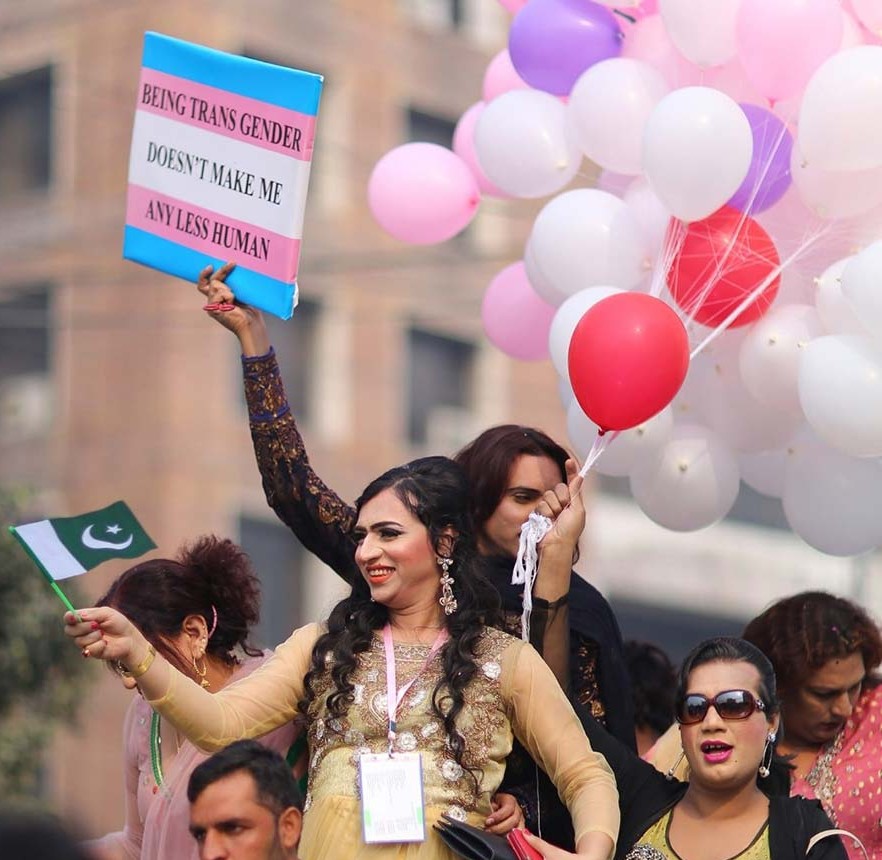
Central to this struggle was the tireless work of activists like Jannat Ali. As a prominent transgender rights activist and performer, Jannat Ali was a vital voice in the consultations that led to the 2018 Act. Her activism went beyond the halls of parliament; she was a cultural pioneer who organized the first Transgender Pride (The Khawaja Sira Pride) in Lahore. Through these public marches, she brought the community’s joy, struggle, and resilience into the streets, challenging the status quo and demanding visibility in a society that had long pushed them to the margins.
However, the victory was short-lived as a massive wave of disinformation and extremist backlash began to target the community. Conservative groups and religious political parties launched a campaign to dismantle the law, claiming it promoted “Western values” and was un-Islamic. This led to the law being challenged in the Federal Shariat Court in 2023, which resulted in significant rollbacks, particularly regarding the right to self-identify. The legal victory was turned into a legal battleground, shifting the focus away from human rights toward a narrow, clinical definition of identity.
The personal cost of this battle was devastating for those on the front lines. Despite her immense contributions, Jannat Ali faced severe death threats and relentless harassment from extremist elements. The very state that had passed the law often failed to protect its champions. In a heartbreaking turn of events, the person who had organized Prides and fought for the law was forced to leave Pakistan to seek safety in exile. Her departure reflects the tragic reality of many Pakistani LGBTQI activists who find that their own homeland becomes a place of peril for the very courage it once celebrated.
دو ہزار اٹھارہ سے دو ہزار چوبیس تک کا عرصہ پاکستان میں ٹرانس جینڈر کمیونٹی کے لیے جہاں تاریخی کامیابیوں کا دور تھا وہیں یہ شدید ترین آزمائشوں کا وقت بھی ثابت ہوا۔ اس سفر کا آغاز دو ہزار اٹھارہ میں ٹرانس جینڈر پرسنز پروٹیکشن آف رائٹس ایکٹ کی منظوری سے ہوا جس نے ایک نئی امید پیدا کی۔ اس قانون نے خواجہ سراؤں کو یہ حق دیا کہ وہ اپنی شناخت کا فیصلہ خود کریں اور سرکاری دستاویزات پر اپنی مرضی کی جنس درج کروا سکیں۔ یہ قانون رہائش، روزگار اور تعلیم میں ان کے خلاف امتیازی سلوک کو روکنے اور انہیں بنیادی انسانی حقوق فراہم کرنے کی ایک اہم دستاویز تھی۔
اس جدوجہد میں جِنت علی جیسی سرگرم کارکنوں کا کردار سنہری حروف سے لکھنے کے قابل ہے۔ جِنت علی نے نہ صرف اس قانون کی منظوری کے لیے پارلیمانی سطح پر مشاورت میں حصہ لیا بلکہ وہ ایک ثقافتی علمبردار بھی ثابت ہوئیں۔ انہوں نے لاہور میں پہلی بار خواجہ سرا پرائیڈ یعنی ٹرانس جینڈر مارچ کا انعقاد کیا جس نے برادری کی خوشی، دکھ اور ہمت کو سڑکوں پر لا کر معاشرے کی تنگ نظری کو چیلنج کیا۔ انہوں نے یہ ثابت کیا کہ خواجہ سرا صرف بھیک مانگنے یا ناچنے کے لیے نہیں بلکہ وہ ایک باوقار شناخت کے حامل شہری ہیں۔
بدقسمتی سے اس کامیابی کے فوراً بعد انتہا پسند عناصر اور قدامت پسند گروہوں کی جانب سے ایک منظم مہم شروع کر دی گئی۔ غلط معلومات پھیلا کر اس انسانی حقوق کے قانون کو “غیر اسلامی” اور “مغربی ایجنڈا” قرار دے دیا گیا۔ اس مخالفت کا نتیجہ یہ نکلا کہ دو ہزار تئیس میں وفاقی شرعی عدالت میں اس قانون کو چیلنج کر دیا گیا جس کے نتیجے میں اس کی کئی اہم شقیں خاص طور پر اپنی مرضی کی صنفی شناخت کا حق ختم کر دیا گیا۔ یوں ایک قانونی فتح کو قانونی جنگ میں بدل دیا گیا جس سے پوری کمیونٹی عدم تحفظ کا شکار ہو گئی۔
اس مہم جوئی کی سب سے بھاری قیمت ان کارکنوں کو چکانی پڑی جو اس تحریک کا چہرہ تھے۔ جِنت علی کو ان کی خدمات کے بدلے میں انتہا پسندوں کی جانب سے قتل کی دھمکیاں دی گئیں اور ان کا جینا محال کر دیا گیا۔ وہ ریاست جو قانون پاس کر چکی تھی، اپنے ان ہیروز کو تحفظ فراہم کرنے میں ناکام رہی۔ بالآخر حالات اس حد تک خراب ہو گئے کہ وہ جِنت علی جنہوں نے پرائیڈ مارچ منظم کیے تھے، انہیں اپنی جان بچانے کے لیے پاکستان چھوڑ کر جلاوطنی اختیار کرنی پڑی۔ ان کا جانا اس تلخ حقیقت کو ظاہر کرتا ہے کہ پاکستان میں حقوق کی بات کرنے والوں کو اکثر اپنے ہی وطن میں اجنبی بنا دیا جاتا ہے۔