Month: July 2026

  • Call for Collaborators: Shaping Islam & LGBTQI+ Inclusivity

    Call for Collaborators: Shaping Islam & LGBTQI+ Inclusivity

    Call for Collaborators: Shaping Islam & LGBTQI+ Inclusivity 🌙🏳️‍🌈

    At Pride Pakistan, we are expanding our educational resources to bridge the gap between faith, identity, and academic truth. We are seeking progressive, same-sex oriented (gay/homosexual) Imams, Islamic scholars, and religious researchers who speak English or Urdu to help us curate a comprehensive, scientifically and textually grounded Islam & LGBTQI+ FAQ and guidance section.

    If you have a background in Islamic jurisprudence, theology, or history, and wish to help us build a safe, dignified, and academically rigorous space for queer Muslims, we want to hear from you. Your privacy and security are our absolute priorities, and all collaborations can be kept strictly confidential.

    🔗 Reach out to us securely via our platform or DM us directly: https://pridepakistan.org

    Urdu Version (اردو)

    : شمولیت کا پیغام: اسلام اور ایل جی بی ٹی کیو آئی پلس رہنمائی کے لیے اشتراکِ عمل 🌙🏳️‍🌈

    پرائیڈ پاکستان اپنے تعلیمی اور معلوماتی سیکشن کو وسعت دے رہا ہے تاکہ عقیدے اور جنسی پہچان کے درمیان موجود خلا کو علمی بنیادوں پر پُر کیا جا سکے۔ ہم ایسے ترقی پسند، ہم جنس پسند (گے) ائمہ مساجد، اسلامی اسکالرز اور مذہبی محققین کی تلاش میں ہیں جو انگریزی یا اردو بولتے ہوں اور اسلام اور ایل جی بی ٹی کیو آئی پلس کے حوالے سے ایک جامع معلوماتی گائیڈ (FAQs) تیار کرنے میں ہماری مدد کر سکیں۔

    اگر آپ اسلامی فقہ، الہیات یا تاریخ کا پس منظر رکھتے ہیں اور کوئیر مسلمانوں کے لیے ایک محفوظ اور باوقار علمی مواد تیار کرنا چاہتے ہیں، تو ہم سے رابطہ کریں۔ آپ کا تحفظ اور رازداری ہماری اولین ترجیح ہے، اور تمام روابط کو مکمل طور پر خفیہ رکھا جا سکتا ہے۔

    🔗 ہم سے محفوظ طریقے سے رابطہ کریں: https://pridepakistan.org

    Sindhi Version (سنڌي)

    اسلام ۽ ايل جي بي ٽي ڪيو آءِ پلس بابت رهنمائي لاءِ مذهبي اسڪالرز سان رابطي جو سڏ 🌙🏳️‍🌈

    پرائيڊ پاڪستان پنهنجي تعليمي سيڪشن کي وڌائي رهيو آهي ته جيئن عقيدي ۽ جنسي سڃاڻپ جي وچ ۾ موجود فاصلن کي علمي بنيادن تي ختم ڪري سگهجي. اسان کي اهڙن ترقي پسند، هم جنس پرست (گي) امامن، اسلامي اسڪالرز ۽ مذهبي محققن جي ڳولا آهي جيڪي انگريزي يا اردو ڳالهائيندڙ هجن ۽ اسلام ۽ ايل جي بي ٽي ڪيو آءِ پلس بابت هڪ جامع گائيڊ تيار ڪرڻ ۾ اسان جي مدد ڪن.

    جيڪڏهن توهان اسلامي فقه يا تاريخ جو پس منظر رکو ٿا ۽ ڪوئير مسلمانن لاءِ هڪ محفوظ علمي مواد تيار ڪرڻ چاهيو ٿا، ته اسان سان رابطو ڪريو. توهان جي پرائيويسي ۽ سڪيورٽي اسان جي پهرين ترجيح آهي ۽ هي رابطو مڪمل طور تي خفيه رکيو ويندو.

    🔗 اسان سان رابطو ڪريو: https://pridepakistan.org

    Pashto Version (پښتو)

    د اسلام او ایل جي بي ټي کیو آئي پلس لارښود لپاره د مذهبي پوهانو سره د همکارۍ غږ 🌙🏳️‍🌈

    پرایډ پاکستان خپل تعلیمي برخې ته پراختیا ورکوي ترڅو د عقیدې او جنسي هویت ترمنځ شتون لرونکي واټنونه په علمي توګه له منځه یوسي. موږ د داسې پرمختللو، همجنس پالو (ګې) د جوماتونو امامانو، اسلامي سکالرانو او مذهبي څیړونکو په لټه کې یو چې په انګلیسي یا اردو خبرې کولی شي او د اسلام او ایل جي بي ټي کیو آئي پلس په اړه د یو جامع لارښود په جوړولو کې راسره مرسته وکړي.

    که تاسو په اسلامي فقه، الهیاتو یا تاریخ کې شالید لرئ او غواړئ د کوئیر مسلمانانو لپاره یو خوندي او باوقاره علمي مواد چمتو کړئ، نو له موږ سره اړیکه ونیسئ. ستاسو خوندیتوب او رازداري زموږ ترټولو لومړیتوب دی او دا همکاري په بشپړ ډول پټه ساتل کیدی شي.

    🔗 له موږ سره په خوندي توګه اړیکه ونیسئ: https://pridepakistan.org

  • A Life Behind Walls: The Persecution of LGBTQ+ People in Pakistan

    A Life Behind Walls: The Persecution of LGBTQ+ People in Pakistan

    From a colonial-era criminal code to a national internet firewall, the machinery that keeps queer Pakistanis silent has never been larger — or better documented. A review of the laws, the violence, and the crackdown of 2024–2026.

    By Qasim Shah | Pride Pakistan | 7 July 2026

    On the night of 10 September 2025, police in Swabi district, Khyber Pakhtunkhwa, raided a musical show and arrested 226 people. Among those taken were transgender performers whose only livelihood is dancing at such gatherings. Within days, a committee of local elders had formed with a single stated purpose: to expel every transgender person from the district.

    Trans residents told reporters they were afraid to leave their homes. ILGA Asia condemned the campaign as targeted harassment demanding the attention of the international community. No one was arrested that night for violence. No one was arrested for theft. They were arrested for music, for dancing, and — beneath the official language of “obscenity” — for existing in public while being the wrong kind of person.

    This is what persecution looks like in Pakistan today. It is rarely a courtroom. It is a raid, a mob, a family council, a blocked website, a phone call that begins with a slur. This article sets out, with sources, how that machinery works.

    The law: a colonial inheritance Pakistan chose to keep

    The foundation is Section 377 of the Pakistan Penal Code, drafted by British colonial administrators in 1860 and retained ever since. It criminalises “carnal intercourse against the order of nature” and carries penalties ranging from two years to life imprisonment, according to the Human Dignity Trust’s country profile.

    Layered on top is the Hudood Ordinance of 1979, which imported Sharia-derived punishments — up to 100 lashes, and in theory death by stoning for married persons — for sexual relations outside marriage. No execution for same-sex conduct is known to have been carried out in Pakistan, but the death penalty’s theoretical availability does its work anyway: it tells every gay, lesbian and bisexual Pakistani what the state thinks their love is worth.

    The state’s position is not a relic passively left on the books. In November 2022, the Punjab government banned the Cannes-winning film Joyland for depicting a relationship between a man and a transgender woman — a ban Amnesty International called on Pakistan to reverse, and which remains in force in Punjab even after the federal ban was lifted.

    Rarely prosecuted, constantly weaponised

    Defenders of the status quo sometimes point out that formal prosecutions under Section 377 are rare. This is true — and it profoundly misunderstands how the law is used.

    Prosecutions do happen. Research compiled by the Immigration and Refugee Board of Canada, citing the Neengar Society, documented at least ten prosecutions under Section 377 in the city of Multan alone, two of which ended in ten-year prison sentences. In 2015, police in Jaffarabad, Balochistan, arrested two young men and their friends after reports of a secret “marriage”; the couple told investigators it had been a joke between friends. They were charged under Section 377 regardless.

    But the law’s daily function is not prosecution. It is leverage. The same IRB research records what every queer Pakistani already knows: police use the threat of arrest to extort money and sexual favours, and blackmailers use the threat of exposure to extract everything else. A charge that will “probably be dropped” is still a night in a cell, a name in a police register, a family informed, a life ended in every way that matters. The UK Home Office’s own November 2025 Country Policy and Information Note records that gay men are targeted through dating apps for extortion and violence, and that state protection is, in practice, unavailable.

    And when queer life becomes visible, the state reacts with force even without Section 377. In May 2024, a man who filed a simple application to open a gay social club in Abbottabad was committed to a psychiatric hospital, his friends barred from seeing him, while religious figures accused him of working for foreign powers.

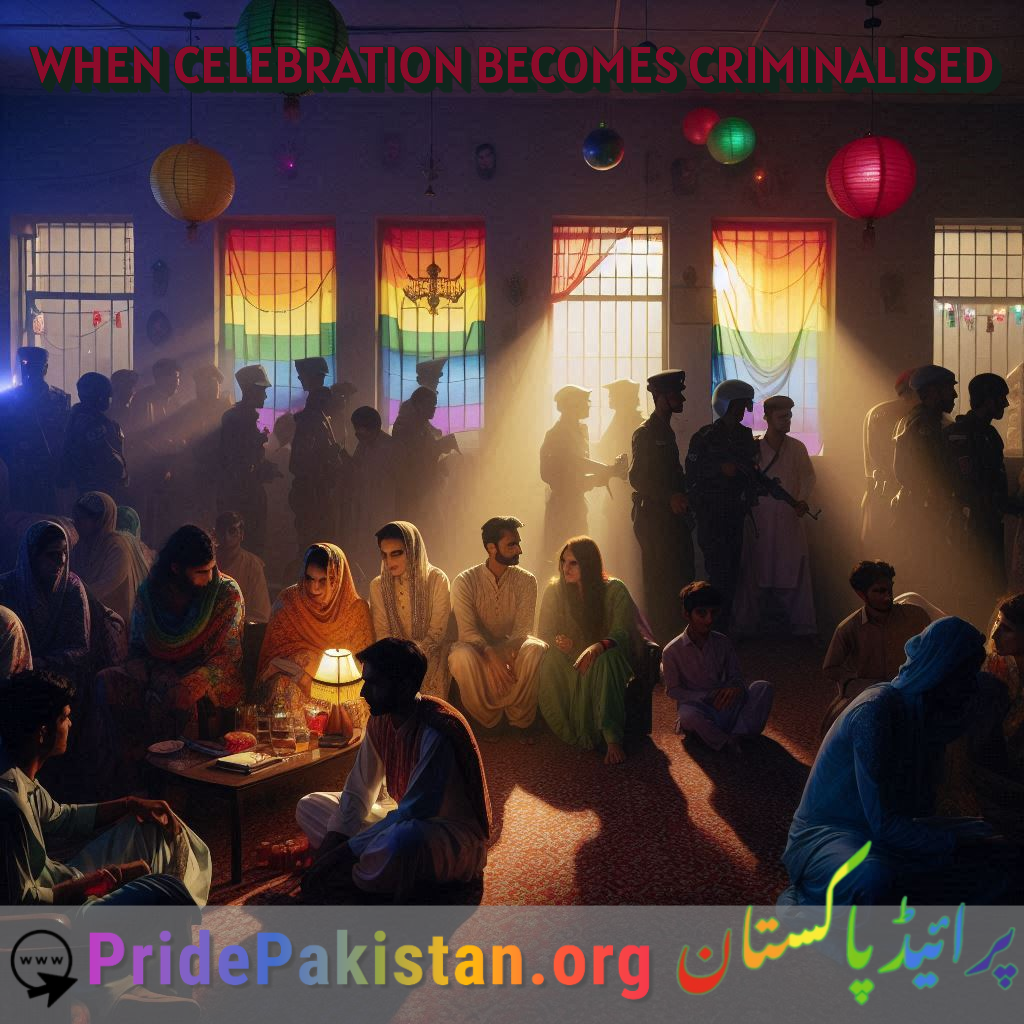
    In August 2025, Lahore police arrested transgender people and others over a private party after videos went viral — a case a magistrate threw out for total lack of evidence, noting police had recovered no obscene material at all and had followed almost no lawful procedure. The dismissal is welcome; the raid is the point. As we wrote at the time, celebration itself has been criminalised.

    The violence that never reaches a courtroom

    For most LGBTQ+ Pakistanis, the greatest danger is not the police but the people closest to them. A survey cited in the UK Home Office’s country evidence documented 956 recorded violations against LGBTQ+ people between 2016 and 2022 — verbal harassment, sexual assault, rape, and physical abuse — with three-quarters of victims being transgender, and most victims knowing their attackers.

    The patterns are grimly consistent:

    • Gay and bisexual men are entrapped through dating apps by gangs who film, rob, blackmail and sometimes kill them. Families respond to discovery not with rejection alone but with violence, forced heterosexual marriage as a “cure”, and — in tribal and rural contexts — killing in the name of honour.
    • Lesbian and bisexual women face forced marriage, domestic violence and so-called corrective rape, with even less visibility and even fewer avenues of escape.
    • Family and community “justice” — the jirga, the elders’ committee, the honour code — operates as a parallel legal system from which there is no appeal. The Swabi expulsion committee is simply this system operating in the open.

    The state does not merely fail to protect against this violence; its criminal law guarantees that victims cannot go to the police without confessing to a crime.

    Transgender Pakistanis: rights granted, then taken back

    Pakistan briefly appeared to be an exception on transgender rights. The Transgender Persons (Protection of Rights) Act 2018 recognised self-identified gender and offered anti-discrimination protections. But on 19 May 2023, the Federal Shariat Court struck down its core provisions as “un-Islamic”, ruling that gender cannot follow “self-perceived identity”. Activists are appealing, but the signal was received across the country.

    What followed has been the most violent period for trans Pakistanis in recent memory. Local organisations documented 55 killings of transgender people in Sindh province between 2022 and September 2025, including 17 in Karachi. In September 2025, three transgender women were shot dead together on the outskirts of Karachi.

    Reporting into early 2026 describes officials and violence together reversing a decade of fragile progress. Human Rights Watch’s World Report records that trans people are among the victims of honour killings by their own relatives.

    The digital wall: erasing the community online

    For a community that cannot gather in public, the internet was the only commons — and Pakistan is now walling it off. Under the Prevention of Electronic Crimes Act (PECA) 2016, more than 1.4 million URLs have been blocked, according to Freedom House’s Freedom on the Net 2025 report. In the 2023–24 financial year alone, of 109,771 URLs blocked, the majority — 55,723 — were blocked for “morality”: the administrative category under which queer life is deleted from the Pakistani internet.

    Since 2024, the state has deployed a national firewall built on imported surveillance technology — the Web Monitoring System and Lawful Intercept Management System — whose rollout has been linked to nationwide connectivity disruptions and which Pakistan’s own press describes as an opaque instrument of control.

    The practical effect for our community is simple: LGBTQ+ resources, health information and community platforms — including this organisation’s own website — are unreachable from inside Pakistan without circumvention tools that are themselves being squeezed.

    An LGBTQ+ Pakistani in 2026 is thus cut off three times over: from public space by the mob, from legal protection by Section 377, and from the digital world by the firewall.

    What the world’s own evidence says

    None of this is hidden. The UK Home Office’s November 2025 country policy note itself records the dating-app entrapment, the forced marriages, the family violence, the absence of state protection, and the reality that most gay Pakistanis conceal their identity to survive. Immigration law practitioners have publicly criticised the note’s own summary for downplaying what its underlying evidence shows — a reminder that even the governments assessing our community’s safety must be held to their own sources.

    The evidence is consistent across every serious body that has looked: the Human Dignity Trust, the ILGA World Database, OutRight International, Human Rights Watch, and the Immigration and Refugee Board of Canada. Criminalisation, family violence, police extortion, digital erasure, no protection. The record is not contested. It is only ignored.

    If you need help

    • Inside Pakistan: Prioritise your safety. Use a reputable VPN before accessing any LGBTQ+ resource, lock down social media privacy settings, and be extremely cautious with dating apps — entrapment gangs are active. Our community channels (contact details on this site) can connect you with discreet peer support.
    • If you are in danger and need to leave: Rainbow Railroad helps LGBTQI+ people escape state and community violence.
    • In the diaspora (UK): Galop supports LGBT+ victims of abuse and hate crime; Switchboard offers a listening service; Hidayah supports LGBTQI+ Muslims specifically.
    • Documentation and advocacy: Human Dignity Trust, OutRight International, ILGA Asia, and Amnesty International all document violations in Pakistan; if you can safely record what happened to you, your testimony strengthens the record on which the world judges Pakistan.

    Note: Anyone facing an immigration or protection decision should consult a qualified legal professional; nothing in this article is legal advice.

    Conclusion: the cost of being seen

    Pakistan’s persecution of its LGBTQ+ citizens does not need gallows or mass trials. It needs only what it already has: a law that makes us criminals, families licensed to punish us, police who profit from our fear, courts that undo our rights, and a firewall that deletes our voices.

    The 226 people arrested in Swabi for attending a musical show; the man sent to a psychiatric ward for asking permission to open a club; the three women shot together in Karachi; the fifty-five killed in Sindh whose names most of Pakistan will never learn — they are not exceptions to the system. They are the system.

    We publish this record because the first act of persecution is always the same: to make its victims invisible. We decline to be.

    Pride Pakistan is a community organisation supporting LGBTQI+ Pakistanis at home and in the diaspora. Sources accessed and verified 7 July 2026.

    References

    1. UK Home Office, Country Policy and Information Note — Sexual orientation and gender identity or expression, Pakistan (November 2025): gov.uk
    2. Free Movement, Concerns raised about changes to Home Office’s country evidence on Pakistan for LGBT+ people (2 January 2026): freemovement.org.uk
    3. Human Dignity Trust, Criminalisation of LGBT People in Pakistan: humandignitytrust.org
    4. Immigration and Refugee Board of Canada, Responses to Information Requests — Pakistan: irb-cisr.gc.ca
    5. Dawn, Swabi police arrest 226 people for ‘resisting raid on musical show’ (September 2025): dawn.com
    6. Dawn, Elders form body to ‘expel’ transgenders from Swabi (September 2025): dawn.com
    7. ILGA Asia, Pakistan: Targeted harassment and expulsion of transgender individuals across Khyber Pakhtunkhwa needs to stop (October 2025): ilgaasia.org
    8. NBC News, Three transgender women are shot and killed in Pakistan’s largest city (September 2025): nbcnews.com
    9. Erasing 76 Crimes, Anti-trans officials and violence reverse progress for transgender Pakistanis (3 February 2026): 76crimes.com
    10. JURIST, Pakistan Federal Shariat Court rules against landmark transgender rights legislation (May 2023): jurist.org
    11. NBC News, Pakistani trans activists to appeal Shariah court ruling (2023): nbcnews.com
    12. The Express Tribune, Gay couple arrested in Balochistan after secret ‘marriage’ (June 2015): tribune.com.pk
    13. PinkNews, Man held in mental hospital after trying to set up Pakistan gay club (10 June 2024): thepinknews.com
    14. Dawn, Case dismissed against transgender persons held for organising ‘objectionable’ party in Lahore (August 2025): dawn.com
    15. Human Rights Watch, Pakistan Province Bans Film about Trans Character (29 November 2022): hrw.org
    16. Amnesty International, Pakistan: Ban on film Joyland must be reversed immediately (November 2022): amnesty.org
    17. Freedom House, Freedom on the Net 2025: Pakistan: freedomhouse.org
    18. Dawn, Firewall confusion (editorial): dawn.com
    19. Human Rights Watch, World Report 2025: Pakistan: hrw.org
    20. ILGA World Database, LGBTI Rights in Pakistan: database.ilga.org
    21. OutRight International, Pakistan: outrightinternational.org
    22. Rainbow Railroad: rainbowrailroad.org
  • islam

    Explore Our Commitment to LGBTQ+ Inclusion in Islam

    This section shares our dedication to supporting LGBTQ+ Muslims and South Asians, highlighting our goals of promoting understanding, acceptance, and cultural awareness through empowering resources and stories.

    Explore Our Inspiring LGBTQ+ Muslim Stories

    Discover a thoughtful selection of visuals celebrating the vibrant spirit of LGBTQ+ Muslims and South Asians.

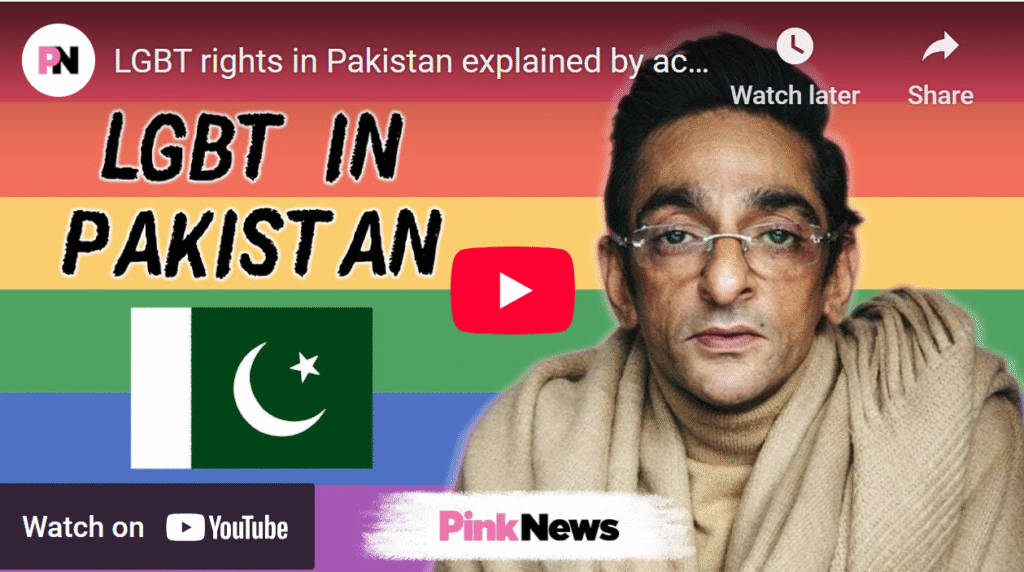
    Qasim Iqbal: Speaking Out on Islam and LGBTQI Rights in Pakistan

    in a country where LGBTQI voices are often silenced, Qasim Iqbal, a leading activist, has courageously spoken out about the realities faced by queer people in Pakistan. In this short but powerful video interview with PinkNews on Jun 4, 2020, he explains how laws, social stigma, and religious hate combine to make life unsafe for LGBTQI individuals.

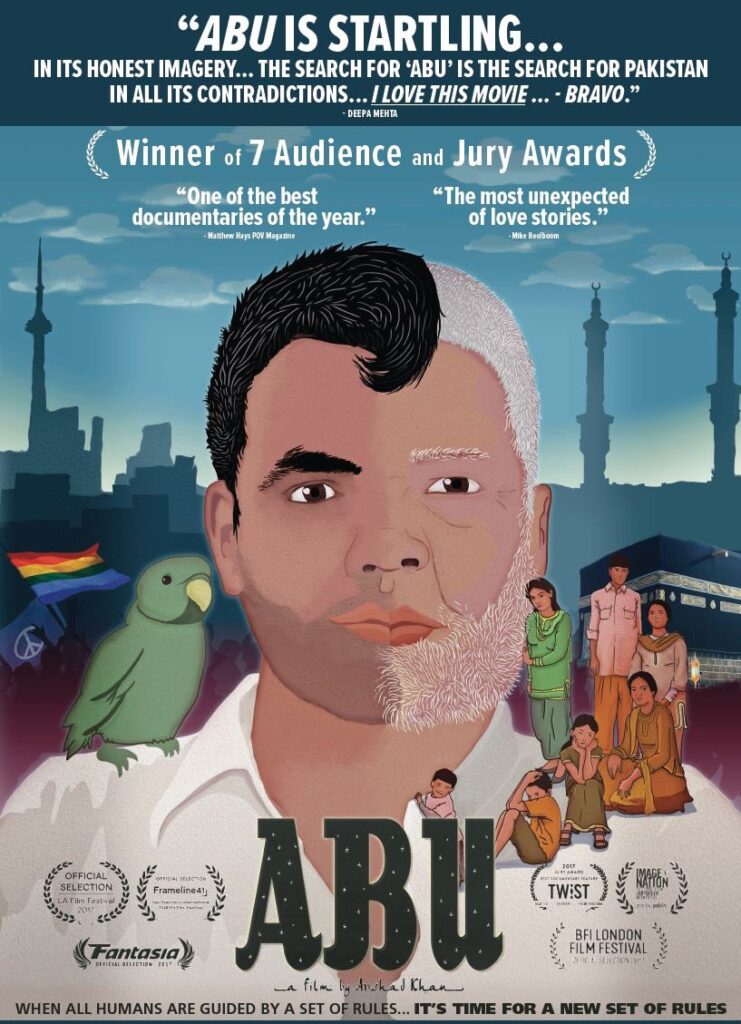
    Arshad Khan: A Gay Son and His Muslim Father

    Arshad Khan, a Pakistani-Canadian filmmaker and founder of Abu Films, has become a powerful voice in global cinema. His deeply personal work explores themes of migration, identity, sexuality, and the struggle of reconciling being gay with a devout Muslim upbringing.

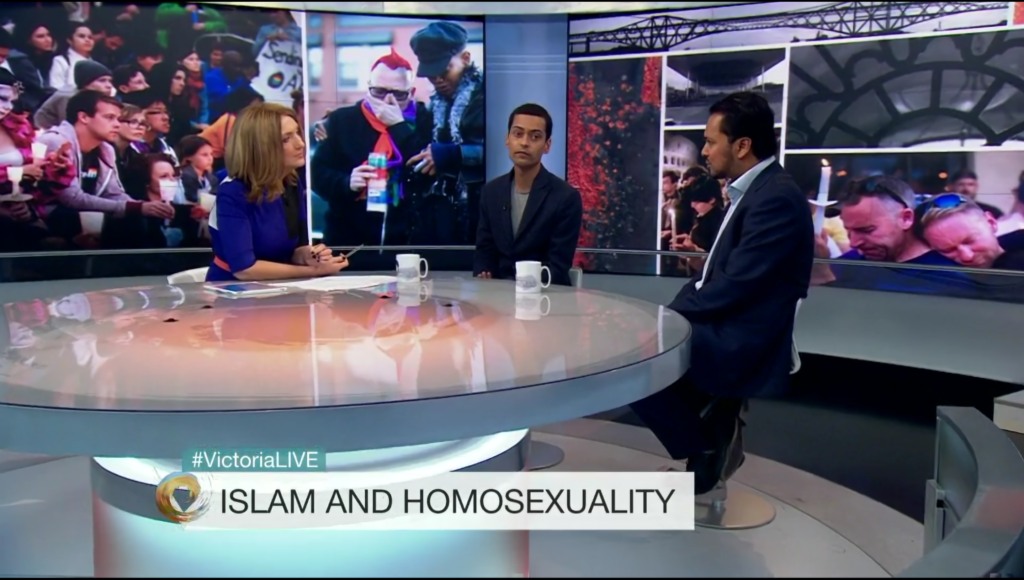
    The Victoria Derbyshire Programme, featuring Asif Quraishi (gay and Muslim) and Imam Ajmal Masroor.

    The central debate—captured by the quote “I believe you can be both gay and Muslim”—explores the diverse interpretations within our faith. Asif Quraishi argues for the Quran’s openness, while Imam Ajmal Masroor stresses the Islamic imperative for tolerance and acceptance for all people, even amidst theological disagreement.

    Discover LGBTQ+ Muslim and South Asian Resources

    Access a curated selection of cultural and educational materials fostering inclusion and acceptance.

    Inclusive Faith Dialogues

    Understand how faith and LGBTQ+ identities intersect within Muslim and South Asian communities.

    Documentaries & Media

    Discover impactful films like ‘Allah Loves Equality’ promoting awareness and empathy.

    Support Networks

    Find groups and organizations offering safe spaces and advocacy for LGBTQ+ Muslims.

    Educational Resources

    Access guides and articles designed to empower and inform your journey of acceptance.

  • Roles & Dynamics

    Roles & Dynamics

    Roles & Dynamics

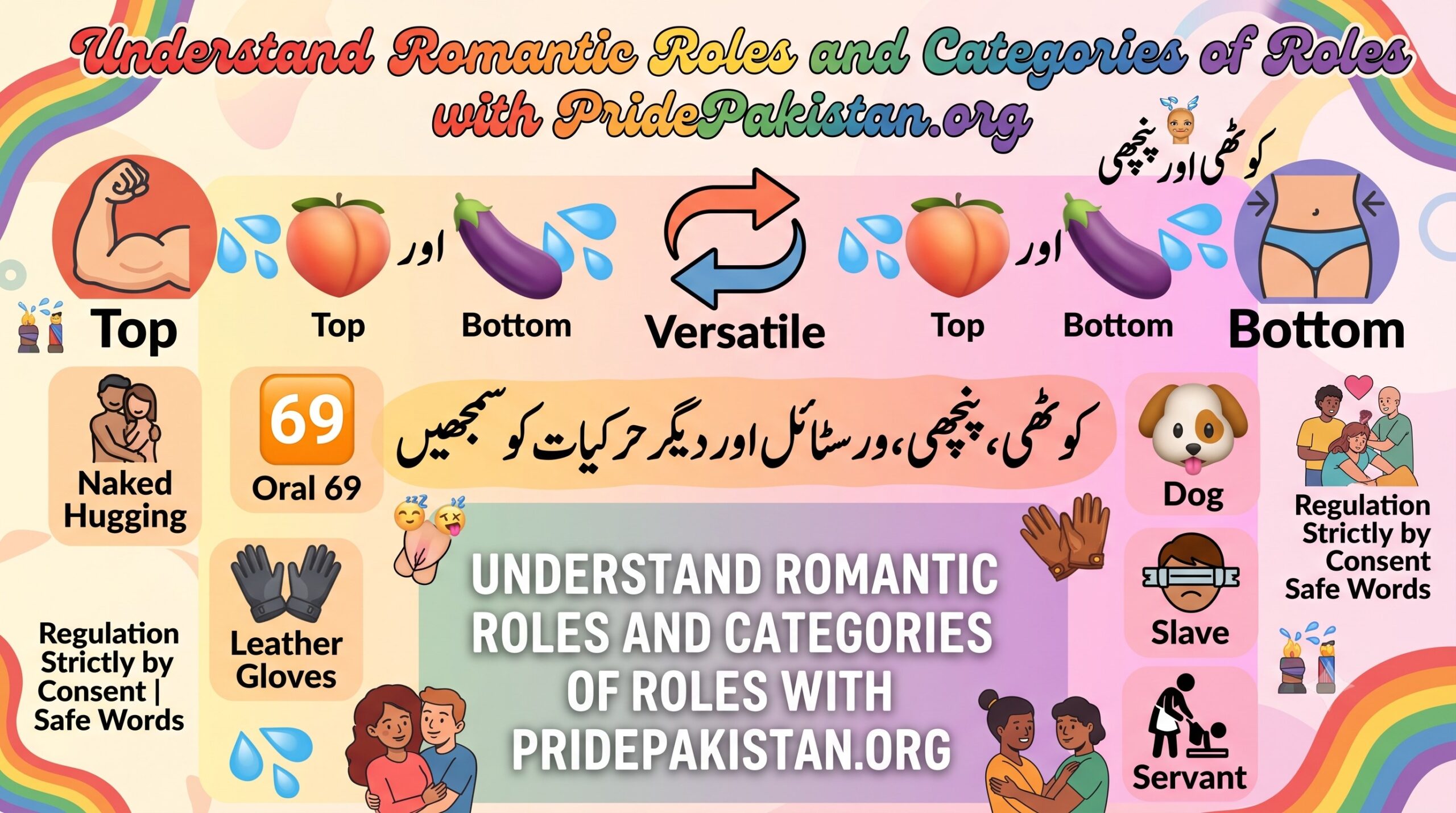
    کردار اور جنسی حرکیات

    Human intimacy is diverse, fluid, and deeply personal. Within the queer community, individuals establish specific roles, preferences, and boundary dynamics to navigate physical and emotional connections safely and consensually. Unfortunately, patriarchal systems often try to force these complex desires into rigid binaries, associating certain roles with dominance and others with weakness or shame.

    At PridePakistan.org, we break down these physical dynamics using clear, non-judgmental terminology. Whether exploring traditional South Asian definitions or navigating modern global subcultures, understanding these concepts ensures that every individual can communicate their desires with dignity, clarity, and absolute consent.

    اردو

    انسانی قربت متنوع، لچکدار اور گہری ذاتی ہوتی ہے۔ کوئیر برادری کے اندر، افراد جسمانی اور جذباتی تعلقات کو محفوظ اور باہمی رضامندی سے چلانے کے لیے مخصوص کردار، ترجیحات اور حدود کا تعین کرتے ہیں۔ بدقسمتی سے، پدرشاہی نظام اکثر ان پیچیدہ خواہشات کو زبردستی روایتی سانچوں میں ڈھالنے کی کوشش کرتا ہے، جس میں کچھ کرداروں کو تسلط اور دوسروں کو کمزوری یا شرم سے جوڑ دیا جاتا ہے۔

    پرائیڈ پاکستان میں ہم ان جسمانی حرکیات کو بغیر کسی تعصب کے واضح اصطلاحات کے ساتھ بیان کرتے ہیں۔ چاہے وہ جنوبی ایشیا کی روایتی تعریفیں ہوں یا جدید عالمی ثقافت، ان تصورات کو سمجھنا اس بات کو یقینی بناتا ہے کہ ہر انسان اپنی خواہشات کا اظہار وقار، وضوح اور مکمل رضامندی کے ساتھ کر سکے۔

    1. Traditional South Asian Roles / روایتی جنوبی ایشیائی کردار

    Kothi & Panthi / کوٹھی اور پنچھی

    • English: Traditional, deeply rooted South Asian concepts defining behavioral and sexual roles. A Kothi generally expresses feminine traits and prefers a receptive, nurturing, or bottom role during physical intimacy. A Panthi embodies masculine presentation and typically takes the penetrative or top role. These historical terms validate gender variance and relational roles outside Western paradigms.
    • Urdu: یہ جنوبی ایشیا کے روایتی اور گہرے تصورات ہیں جو رویے اور جنسی کرداروں کی وضاحت کرتے ہیں۔ ‘کوٹھی’ عام طور پر نسوانی خصوصیات کا اظہار کرتا ہے اور جسمانی قربت کے دوران وصول کنندہ (باٹم) کے کردار کو ترجیح دیتا ہے۔ دوسری طرف، ‘پنچھی’ مردانہ اندازِ بیان کو اپناتا ہے اور عام طور پر دخول کرنے والے (ٹاپ) کا کردار ادا کرتا ہے۔ یہ تاریخی اصطلاحات مغربی نظام سے باہر صنف اور تعلقات کی توثیق کرتی ہیں۔

    Chutu & Bundu / چُوتو اور بُنڈو

    • English: Derived directly from the regional anatomical terms Chuut and Bund, these words explicitly describe an individual who prefers or plays the bottom role during sexual intercourse, utilizing their rear for pleasure. While mainstream heterosexual digital spaces often weaponize these terms as street slurs, within the queer registry, they are accurate behavioral descriptors of sexual position preferences.
    • Urdu: یہ الفاظ براہِ راست مقامی اعضاء ‘چُھوت’ اور ‘بُنڈ’ سے ماخوذ ہیں اور واضح طور پر ایسے فرد کو بیان کرتے ہیں جو جنسی ملاپ کے دوران باٹم کے کردار کو ترجیح دیتا ہے یا خوشی کے لیے اس کا استعمال کرتا ہے۔ اگرچہ عام معاشرے کے ڈیجیٹل حلقوں میں ان الفاظ کو طعنوں کے طور پر استعمال کیا جاتا ہے، لیکن کوئیر ریکارڈ میں یہ جنسی پوزیشن کی ترجیحات کے درست عکاس ہیں۔

    2. Global & Evolving Sexual Positions / عالمی اور جدید جنسی کردار

    Top / ٹاپ

    • English: Globally defines the active or penetrative partner during sexual intercourse. It is crucial to decouple this role from biological anatomy: a transgender individual with male genitalia can comfortably play a top role, and similarly, a female or a wife in a straight or queer relationship can fulfill the top role (such as through pegging or structural dominance). Recently, many heterosexual men seeking quick sexual release on networking apps have also adopted this word to indicate they are strictly present to penetrate and satisfy themselves without emotional reciprocity.
    • Urdu: عالمی سطح پر اس سے مراد جنسی ملاپ کے دوران سرگرم یا دخول کرنے والا ساتھی ہے۔ اس کردار کو حیاتیاتی اعضاء سے الگ کر کے دیکھنا انتہائی ضروری ہے، مثال کے طور پر، مردانہ اعضاء رکھنے والا ایک ٹرانس جینڈر فرد آسانی سے ٹاپ کا کردار ادا کر سکتا ہے، اور اسی طرح، کسی سیدھے یا کوئیر تعلقات میں ایک عورت یا بیوی بھی ٹاپ کا کردار ادا کر سکتی ہے۔ حال ہی میں، بہت سے سیدھے مردوں نے بھی نیٹ ورکنگ ایپس پر فوری جنسی تسکین کے لیے اس لفظ کو اپنانا شروع کر دیا ہے تاکہ یہ ظاہر کیا جا سکے کہ وہ جذباتی تعلق کے بغیر صرف اپنی تسکین کے لیے سرگرم کردار ادا کرنے آئے ہیں۔

    Bottom / باٹم

    • English: Defines the receptive partner during physical intimacy. This role is rooted entirely in physical and emotional comfort, involving receiving penetration or focusing on receptive pleasure. It carries zero correlation to submissiveness in everyday life, as an individual can be highly powerful socially while preferring a bottom role intimately.
    • Urdu: اس سے مراد جسمانی قربت کے دوران وصول کنندہ ساتھی ہے۔ یہ کردار مکمل طور پر جسمانی اور جذباتی سکون پر مبنی ہوتا ہے، جس میں دخول قبول کرنا یا جنسی لذت حاصل کرنا شامل ہے۔ اس کا روزمرہ کی زندگی میں عاجزی یا کمتری سے کوئی تعلق نہیں ہے، کیونکہ ایک شخص سماجی طور پر انتہائی طاقتور ہو سکتا ہے جبکہ نجی زندگی میں باٹم کردار کو ترجیح دیتا ہو۔

    Versatile / ورسٹائل

    • English: Describes an individual who enjoys, adapts to, and engages in both top and bottom roles depending on the partner, context, mood, or emotional connection. It represents flexibility and the rejection of rigid positional binaries.
    • Urdu: یہ ایسے فرد کو ظاہر کرتا ہے جو اپنے ساتھی، ماحول، مزاج یا جذباتی تعلق کے لحاظ سے ٹاپ اور باٹم دونوں کرداروں سے لطف اندوز ہوتا ہے اور انہیں اپناتا ہے۔ یہ لچک اور جنسی پوزیشنوں کے سخت سانچوں کو مسترد کرنے کی علامت ہے۔

    3. Spectrums of Romance & Non-Penetrative Intimacy / رومانس اور غیر دخولی قربت کے درجات

    Intimacy is not limited to intercourse. For different people, physical and romantic connections exist at distinct levels:

    • Naked Hugging / صرف برہنہ گلے ملنا: Individuals who find profound emotional and physical validation simply by holding each other close, skin-to-skin, without progressing to genital friction.
      • Urdu: وہ افراد جو بغیر کسی جنسی ملاپ کے، صرف ایک دوسرے کو برہنہ حالت میں گلے لگا کر اور جلد سے جلد چھو کر گہرا جذباتی اور جسمانی سکون حاصل کرتے ہیں۔
    • Oral Body Love / صرف زبانی جسمانی محبت: Focuses on full-body kissing, caressing, massaging, and using the lips and tongue across non-genital parts of the partner’s anatomy to express deep affection.
      • Urdu: گہری محبت کے اظہار کے لیے اعضاءِ تناسل کے علاوہ پارٹنر کے پورے جسم کو چومنے، مساج کرنے اور ہونٹوں اور زبان کے استعمال پر توجہ مرکوز کرنا۔
    • Oral & Genital Sucking (69) / زبانی جنسی ملاپ اور چوسنا: Engaging in oral stimulation of the genitals, either sequentially or simultaneously through the classic structural position known globally as sixty-nine, maximizing mutual erotic pleasure without penetration.
      • Urdu: اعضاءِ تناسل کو زبان اور منہ کے ذریعے متحرک کرنا، چاہے وہ باری باری ہو یا ایک ہی وقت میں ایک مخصوص پوزیشن کے ذریعے کیا جائے جس میں دونوں ساتھی بیک وقت ایک دوسرے کو زبانی لذت فراہم کرتے ہیں۔

    4. Global Fetish & BDSM Concepts / عالمی فیش اور بی ڈی ایس ایم تصورات

    For Pakistani LGBTQI+ community members navigating platforms like Grindr without prior exposure to global queer spaces, terms surrounding fetishes and BDSM can feel overwhelming. Here is a clear breakdown:

    Fetish / فیش

    • English: An intense sexual attraction to a specific non-living object, a specific body part (such as feet), or a highly particular scenario. Fetishes are healthy expressions of adult desire. Some individuals prefer Outdoor Fetishes (engaging in intimacy in semi-public or natural settings for the thrill of vulnerability), while others engage in Group Fetishes (sharing erotic spaces with multiple consensual partners to break isolation).
    • Urdu: کسی مخصوص بے جان چیز، جسم کے کسی خاص حصے (جیسے پاؤں)، یا کسی خاص منظر نامے کی طرف شدید جنسی کشش محسوس کرنا۔ یہ بالغ افراد کی خواہشات کا ایک عام اظہار ہے۔ کچھ لوگ بیرونی مقامات پر جنسی عمل کو ترجیح دیتے ہیں (جیسے کسی قدرتی ماحول میں قربت حاصل کرنا)، جبکہ کچھ لوگ اجتماعی شکل میں اس کا تجربہ کرتے ہیں (جہاں متعدد رضامند ساتھی ایک ساتھ جنسی عمل کا حصہ بنتے ہیں)۔

    BDSM Overview / بی ڈی ایس ایم کا جائزہ

    • English: An acronym standing for Bondage & Discipline, Dominance & Submission, Sadism & Masochism. It revolves entirely around structured, pre-negotiated boundaries, strict consent, and safe words. It is an exploration of power dynamics, trust, and physical sensations.
    • Urdu: یہ اصطلاح مختلف جنسی ترجیحات کا مجموعہ ہے جس میں رسیوں سے باندھنا، نظم و ضبط، تسلط قائم کرنا، دوسرے کے سامنے ہتھیار ڈالنا، اور جسمانی یا جذباتی احساسات کے ذریعے لذت حاصل کرنا شامل ہے۔ یہ مکمل طور پر پہلے سے طے شدہ حدود، سخت رضامندی اور حفاظتی الفاظ کے گرد گھومتا ہے، جہاں طاقت اور اعتماد کا تجربہ کیا جاتا ہے۔

    Sub-Identity Terms: Slave, Dog, and Servant / غلام، کتا اور نوکر

    • English: Within BDSM subcultures, these words do not mean literal human rights abuses or forced labor. They are psychological roles adopted voluntarily during consensual roleplay. A Slave or Servant willingly gives up control to a dominant partner for erotic pleasure, serving their desires inside a safe boundaries framework. A Dog roleplay refers to puppy play, where an individual finds comfort, stress-relief, and erotic satisfaction by adopting the submissive, playful traits of an animal.
    • Urdu: ان اصطلاحات کا مطلب حقیقی انسانی حقوق کی خلاف ورزی یا زبردستی مزدوری نہیں ہے۔ یہ نفسیاتی کردار ہیں جو باہمی رضامندی سے کھیل کے دوران اپنائے جاتے ہیں۔ ایک ‘غلام’ یا ‘نوکر’ جنسی لذت کے لیے رضاکارانہ طور پر اپنا کنٹرول ایک غالب ساتھی کے حوالے کر دیتا ہے۔ ‘کتا’ یا جانور کا کردار اپنانے سے مراد وہ کھیل ہے جہاں ایک فرد کسی وفادار جانور کی خصوصیات اپنا کر ذہنی سکون، تناؤ سے نجات اور جنسی تسکین حاصل کرتا ہے۔

    Latex / لیٹیکس

    • English: A specific fetish involving wearing skin-tight clothing made of rubber or latex material. It provides an intense tactile sensation, restricts the skin, and creates a visual aesthetic of absolute containment, highly popular in global queer leather and fetish communities.
    • Urdu: یہ ایک مخصوص لباس کا شوق ہے جس میں ربڑ یا چمکیلے مادے سے بنے ہوئے چست کپڑے پہنے جاتے ہیں۔ یہ جسم کو ایک خاص لمس فراہم کرتا ہے، جلد کو جکڑتا ہے، اور عالمی کوئیر برادری میں جنسی تسکین کے ایک خاص انداز کے طور پر مقبول ہے۔

    Practical Context Examples / عملی زندگی سے مثالیں

    Context 1: Deconstructing “Top” and Anatomy

    • English Misconception: Online users assume: “If a trans woman has male parts, she must act as a man in bed.”
    • Pride Pakistan Correction: Identity does not dictate sexual positioning. A trans woman can play a top role while remaining entirely a woman, just as a cisgender straight woman can take the active top position with her husband.
    • Urdu Example: عام طور پر لوگ سمجھتے ہیں کہ اگر کوئی ٹرانس خاتون مردانہ اعضاء رکھتی ہے تو وہ جنسی عمل میں مرد کا ہی کردار ادا کرے گی۔ لیکن ہم واضح کرتے ہیں کہ پہچان جنسی پوزیشن کا تعین نہیں کرتی۔ ایک ٹرانس خاتون مکمل طور پر عورت رہتے ہوئے بھی ٹاپ کا کردار ادا کر سکتی ہے، بالکل ویسے ہی جیسے ایک عام سیدھی عورت اپنے شوہر کے ساتھ سرگرم کردار ادا کر سکتی ہے۔

    Context 2: Understanding Grinder/BDSM Roles Safely

    • English Misconception: A new user sees “Looking for a sub slave” on an app and worries it refers to human trafficking.
    • Pride Pakistan Correction: Within the digital queer framework, this is a call for a consensual, submissive partner interested in power-play roleplay, regulated strictly by safe words.
    • Urdu Example: جب کوئی نیا صارف کسی ایپ پر یہ دیکھتا ہے کہ کسی کو ‘غلام ساتھی’ کی تلاش ہے، تو وہ پریشان ہو سکتا ہے کہ یہ کوئی جرم ہے۔ لیکن ہم واضح کرتے ہیں کہ کوئیر نیٹ ورک کے اندر اس سے مراد ایک ایسا رضامند ساتھی ہے جو کھیل کے طور پر کچھ وقت کے لیے اپنا کنٹرول دوسرے کو دینے میں جنسی دلچسپی رکھتا ہو۔

  • Learn about so called Taboo words and terms

    Learn about so called Taboo words and terms

    Pakistani and South Asian & Traditional Terms

    جنوبی ایشیائی اور روایتی اصطلاحات

    Introduction / تعارف

    Language is a reflection of history, culture, and power. For decades, the authentic vocabulary used to describe sexual orientation, gender expression, and intimacy in the Indus Valley has been systematically erased or twisted. Colonial legal frameworks and modern digital platforms have weaponized traditional words, turning beautiful, historically validated identities into derogatory slurs or associating them with criminal behavior.

    At PridePakistan.org, we are reclaiming our linguistic heritage. By breaking down these terms through classical literature, regional etymology (Urdu, Punjabi, Sindhi), and historical contexts, we deconstruct the taboos manufactured by mainstream society. This dictionary serves as a guide to understanding how our ancestors viewed love, gender, and desire before colonial enforcement altered public morality.

    اردو

    زبان تاریخ، ثقافت اور طاقت کا عکس ہوتی ہے۔ دہائیوں سے وادیِ سندھ میں جنسی رجحان، صنفی اظہار اور انسیت کو بیان کرنے والے حقیقی الفاظ کو باقاعدہ منصوبہ بندی کے تحت مٹانے یا مسخ کرنے کی کوشش کی گئی ہے۔ نوآبادیاتی دور کے قوانین اور موجودہ ڈیجیٹل پلیٹ فارمز نے روایتی الفاظ کو ایک ہتھیار کے طور پر استعمال کیا ہے، جس کی وجہ سے خوبصورت اور تاریخی طور پر ثابت شدہ پہچانوں کو گالیوں میں تبدیل کر دیا گیا یا انہیں مجرمانہ سرگرمیوں سے جوڑ دیا گیا۔

    پرائیڈ پاکستان میں ہم اپنے لسانی ورثے کو دوبارہ حاصل کر رہے ہیں۔ کلاسیکی ادب، علاقائی لسانیات (اردو، پنجابی، سندھی) اور تاریخی سیاق و سباق کے ذریعے ان الفاظ کا تجزیہ کر کے ہم معاشرے کے بنائے ہوئے ممنوعات کو ختم کر رہے ہیں۔ یہ لغت اس بات کو سمجھنے کے لیے ایک رہنما ہے کہ ہمارے اسلاف نوآبادیاتی نظام سے پہلے محبت، صنف اور خواہش کو کس نظر سے دیکھتے تھے۔

    1. Core Identity & Expression Terms / بنیادی پہچان اور صنفی اظہار

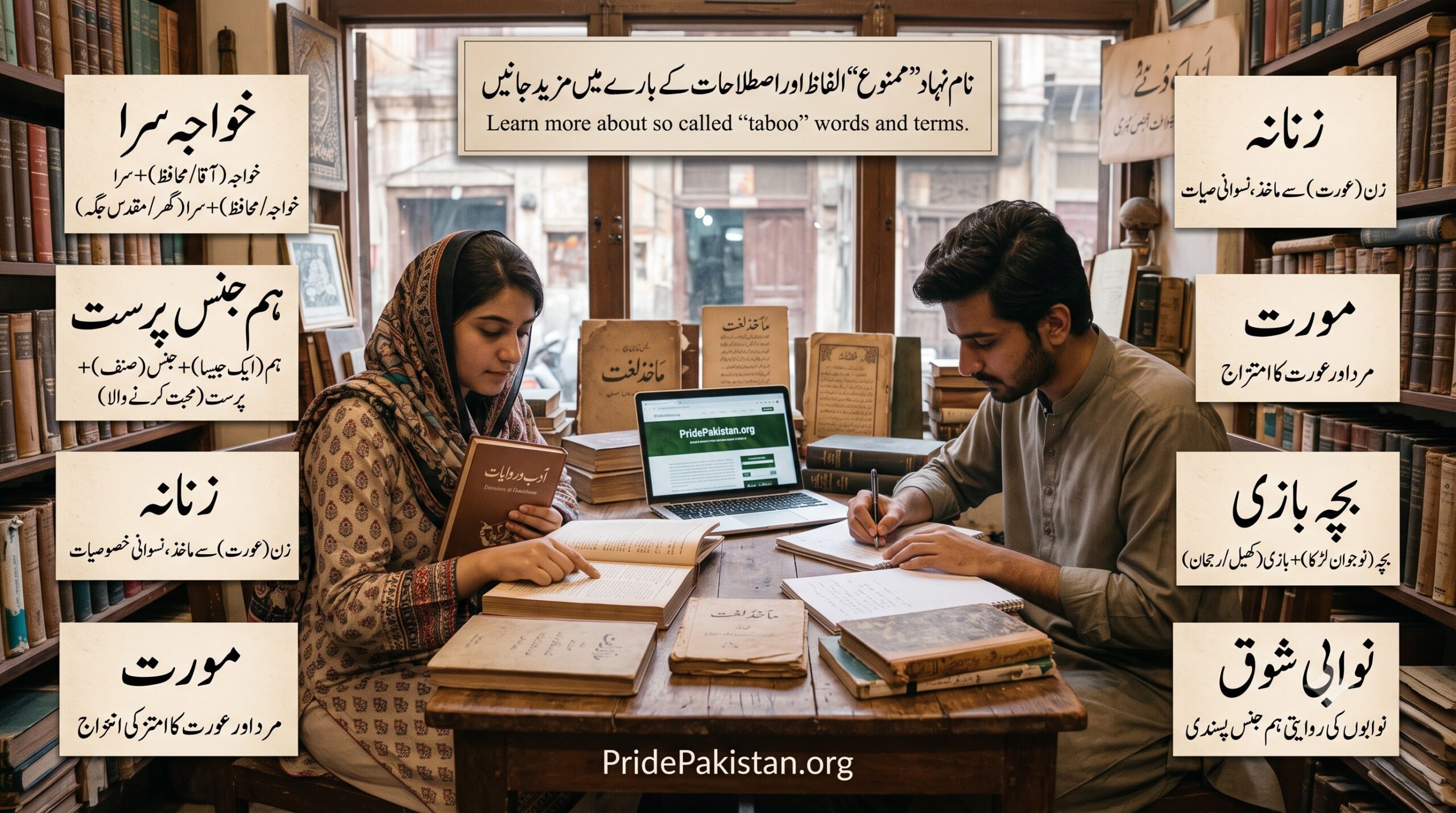
    Khawaja Sira / خواجہ سرا

    • English: A historic, respected South Asian identity encompassing transgender, intersex, and non-binary individuals. Historically holding positions of high governance, royal security, and spiritual guardianship in the Mughal era, it represents a distinct cultural institution that transcends Western binary frameworks.
    • Urdu: جنوبی ایشیا کی ایک تاریخی اور معزز پہچان جس میں ٹرانس جینڈر، انٹرسیکس اور نان بائنری افراد شامل ہیں۔ مغلیہ دور میں اعلیٰ حکومتی عہدوں، شاہی سیکیورٹی اور روحانی سرپرستی پر فائز رہنے والی یہ شناخت ایک الگ ثقافتی ادارے کی نمائندگی کرتی ہے جو مغربی صنفی نظام سے بالکل مختلف ہے۔

    Zanana & Mardana / زنانہ اور مردانہ

    • English: Zanana (derived from Zan, meaning woman) refers to a male or female individual who naturally embodies, expresses, or prefers feminine traits, behaviors, and styles. Conversely, Mardana (derived from Mard, meaning man) denotes a person exhibiting masculine traits. In traditional queer culture, these terms validate internal expressions rather than biological assignments.
    • Urdu: زنانہ (جس کا ماخذ ‘زن’ یعنی عورت ہے) سے مراد ایسا مرد یا عورت ہے جو فطری طور پر نسوانی خصوصیات، رویوں اور انداز کا اظہار کرے یا اسے ترجیح دے۔ اس کے برعکس، مردانہ (‘مرد’ سے ماخذ) سے مراد وہ شخص ہے جو مردانہ خصوصیات کا اظہار کرے۔ روایتی کوئیر ثقافت میں یہ الفاظ حیاتیاتی صنف کے بجائے اندرونی اظہار کی تصدیق کرتے ہیں۔

    Moorat / مورت

    • English: Etymologically a blend of Mard (man) and Aurat (woman), or derived from the classical word for an idol or reflection. It designates a queer person whose expression fluidly combines both masculine and feminine energies, or exists entirely outside the gender binary.
    • Urdu: لسانی طور پر یہ لفظ ‘مرد’ اور ‘عورت’ کا مجموعہ ہے، یا کسی عکس یا مورتی کے کلاسیکی مفہوم سے ماخوذ ہے۔ یہ ایک ایسے کوئیر فرد کو ظاہر کرتا ہے جس کا اظہار مردانہ اور نسوانی دونوں توانائیوں کا امتزاج ہو، یا جو صنف کے روایتی نظام سے بالکل باہر وجود رکھتا ہو۔

    2. Reclaiming Desire & Affection / محبت اور جنسی رجحان کی بحالی

    Humjins & Humjins Parast / ہم جنس اور ہم جنس پرست

    • English: A direct and beautiful translation for same-sex attraction. Humjins combines Hum (same) and Jins (sex/gender). Parast is a classical Persian/Urdu suffix denoting deep devotion, adoration, or love (found in positive terms like Khuda-Parast—devoted to God, or Muhabbat-Parast—devoted to love). While online homophobia tries to paint Humjins Parast as a negative label, it is a highly dignified, positive term for the gay and lesbian community, meaning “one who adores and loves their own gender.”
    • Urdu: ہم جنس پرستی کا ایک خوبصورت اور براہِ راست ترجمہ۔ ‘ہم جنس’ دو الفاظ ‘ہم’ (ایک جیسا) اور ‘جنس’ کا مجموعہ ہے۔ ‘پرست’ فارسی اور اردو کا ایک کلاسیکی لاحقہ ہے جو گہری عقیدت، محبت یا وابستگی کو ظاہر کرتا ہے (جیسے مثبت الفاظ ‘خدا پرست’ یا ‘محبت پرست’ میں استعمال ہوتا ہے)۔ اگرچہ آن لائن نفرت انگیز مواد میں اسے منفی رنگ دینے کی کوشش کی جاتی ہے، لیکن یہ گے اور لیزبین کمیونٹی کے لیے ایک انتہائی باوقار اور مثبت اصطلاح ہے، جس کا مطلب ہے “اپنی جنس سے محبت اور عقیدت رکھنے والا۔”

    Bacha Bazi & Bachi Bazi / بچہ بازی اور بچی بازی

    • English: In classical Urdu and regional Persian, the word Bacha historically means a young man or guy, not a child. Bacha Bazi culturally meant a man who is romantically or physically attracted to young men. Homophobic actors online have deliberately twisted this into a synonym for pedophilia to criminalize gay men. In authentic language, it simply means being attracted to guys. A similar cross-cultural concept exists in French with the phrase amour avec garçon (romance with a young man/boy), which represents historic same-sex attraction, not a criminal act. Its feminine equivalent, Bachi Bazi, properly describes a lesbian individual who loves and is attracted to other women.
    • Urdu: کلاسیکی اردو اور علاقائی زبانوں میں ‘بچہ’ کا لفظ تاریخی طور پر ایک نوجوان مرد یا لڑکے کے لیے استعمال ہوتا رہا ہے، کسی معصوم بچے کے لیے نہیں۔ ثقافتی طور پر ‘بچہ بازی’ سے مراد ایسا مرد تھا جو نوجوان مردوں کی طرف رومانوی یا جنسی رجحان رکھتا ہو۔ انٹرنیٹ پر کچھ عناصر نے گے مردوں کو نشانہ بنانے کے لیے اسے جان بوجھ کر بچوں کے استحصال سے جوڑ دیا۔ حقیقی زبان میں اس کا مطلب صرف لڑکوں کی طرف راغب ہونا ہے۔ اسی طرح کی ایک مثال فرانسیسی زبان میں ملتی ہے جہاں ایک اصطلاح استعمال ہوتی ہے جس کا مطلب نوجوان لڑکے سے محبت ہے، جو کہ ایک تاریخی جنسی رجحان کی علامت ہے نہ کہ کسی جرم کی۔ اس کی نسوانی شکل ‘بچی بازی’ ہے، جو لیزبین خواتین کے لیے استعمال ہوتی ہے جو دوسری خواتین سے محبت کرتی ہیں۔

    LondayBaz & LondiBaz / لونڈے باز اور لونڈی باز

    • English: LondayBaz breaks down into Londay (young men/guys) and Baz (one who plays, engages, or is oriented toward). It defines a man who is exclusively attracted to other men. Mainstream media has often used it as a derogatory online slang, but its core etymology is a direct behavioral identifier for gay men. The feminine counterpart is LondiBaz (derived from Londi, meaning female/girl), describing a female who is romantically and sexually attracted to other females.
    • Urdu: ‘لونڈے باز’ کا لفظ دو حصوں ‘لونڈے’ (نوجوان مرد) اور ‘باز’ (شوق رکھنے والا یا رجحان رکھنے والا) سے مل کر بنا ہے۔ یہ ایسے مرد کی نشاندہی کرتا ہے جو دوسرے مردوں کی طرف جنسی یا رومانوی رجحان رکھتا ہو۔ اگرچہ میڈیا میں اسے ایک منفی لفظ کے طور پر استعمال کیا گیا، لیکن اس کا اصل لسانی ماخذ گے مردوں کی پہچان ہے۔ اس کے برعکس خواتین کے لیے ‘لونڈی باز’ (‘لونڈی’ یعنی لڑکی سے ماخذ) استعمال ہوتا ہے، جو دوسری خواتین میں دلچسپی رکھنے والی لیزبین خاتون کو ظاہر کرتا ہے۔

    Nawabi Shook / نوابی شوق

    • English: Originating from the historical practices of the Nawabs and rulers of the Indus Valley and surrounding regions, who openly maintained male consorts and celebrated same-sex desire in royal courts. Today, young people and online queer subcultures have adapted Nawabi Shook as a trendy, localized term to describe a guy having an interest in boys, or a female interested in females, honoring a royal history of fluid sexuality.
    • Urdu: اس اصطلاح کا آغاز وادیِ سندھ اور ارد گرد کے علاقوں کے نوابوں اور حکمرانوں کے تاریخی احوال سے ہوتا ہے، جو شاہی درباروں میں مرد ساتھیوں کو اپنے ساتھ رکھتے تھے اور ہم جنس پسندی کو قبول کرتے تھے۔ آج کل کی نوجوان نسل اور آن لائن کوئیر حلقوں نے ‘نوابی شوق’ کو ایک جدید روایتی اصطلاح کے طور پر اپنایا ہے، جو مردوں کی مردوں میں یا خواتین کی خواتین میں جنسی دلچسپی کو ظاہر کرتا ہے۔

    3. Anatomy, Identity & Erotic Roles / اعضاء، پہچان اور جنسی کردار

    Anatomical Reclamation: Lun, Bund, and Chut / لُن، بُنڈ اور چُھوت

    • English: In formal medical or legal Urdu literature, bodily organs are referred to by rigid terms like Azu-e-Tanasul (penis) or Andam-e-Nehani (vagina). However, the new generation of queer advocates and local subcultures uses direct, unfiltered language to talk about their bodies. Lun translates directly to penis, Bund refers to the rear/anus, and Chut refers to the vagina. Reclaiming these words strips away the shame imposed on human anatomy by conservative taboos.
    • Urdu: رسمی یا قانونی اردو ادب میں انسانی اعضاء کے لیے ‘عضوِ تناسل’ یا ‘اندامِ نہانی’ جیسے پیچیدہ الفاظ استعمال کیے جاتے ہیں۔ تاہم، کوئیر وکلاء اور نئی نسل کی مقامی کمیونٹی اپنے جسم کے بارے میں بات کرنے کے لیے براہِ راست اور واضح الفاظ کا استعمال کرتی ہے۔ ‘لُن’ سے مراد مردانہ عضو، ‘بُنڈ’ سے مراد کولہے یا مقعد، اور ‘چُھوت’ سے مراد زنانہ عضو ہے۔ ان الفاظ کا عام استعمال انسانی جسم کے گرد قائم کردہ روایتی شرم اور ممنوعات کو ختم کرتا ہے۔

    Chutu & Boundu / چُوتو اور بُنڈو

    • English: Derived directly from the anatomical words Chuut and Bund, these terms are utilized within local underground spaces to describe sexual roles. A Chutu or Boundu refers to an individual who plays the bottom/receptive role during sexual intercourse or utilizes their rear for intimacy. While historically used as a crude street insult by the straight community, within the queer spectrum, it is an authentic descriptor of sexual preference and identity.
    • Urdu: یہ الفاظ براہِ راست جسمانی اعضاء ‘چُھوت’ اور ‘بُنڈ’ سے ماخوذ ہیں اور مقامی خفیہ حلقوں میں جنسی کرداروں کو بیان کرنے کے لیے استعمال ہوتے ہیں۔ ‘چُوتو’ یا ‘بُنڈو’ سے مراد وہ فرد ہے جو جنسی تعلق کے دوران وصول کنندہ (باٹم) کا کردار ادا کرتا ہے۔ اگرچہ ماضی میں عام معاشرے نے اسے ایک توہین آمیز لفظ کے طور پر استعمال کیا، لیکن کوئیر حلقوں میں یہ جنسی ترجیح کو بیان کرنے کا ایک حقیقی ذریعہ ہے۔

    Khassi / خصی

    • English: Literally meaning castrated or possessing lower testosterone producing organs, this term has been historically used as an online slur to de-masculinize gay men or individuals who do not conform to toxic hyper-masculinity. In historical and veterinary literature, it is a simple physiological state, and its weaponization as an insult is countered by embracing physical diversity.
    • Urdu: لغوی معنی کے لحاظ سے اس سے مراد وہ شخص ہے جس کے ٹیسٹوسٹیرون پیدا کرنے والے اعضاء کو ناکارہ کر دیا گیا ہو یا وہ پیدائشی طور پر ایسے ہوں۔ انٹرنیٹ پر اس لفظ کو اکثر گے مردوں کی مردانگی کو کم تر دکھانے کے لیے ایک طعنے کے طور پر استعمال کیا جاتا ہے، جبکہ تاریخی طور پر یہ صرف ایک جسمانی کیفیت کو ظاہر کرتا ہے۔

    4. Historically Exploited Terms / تاریخی طور پر مسخ کیے گئے الفاظ

    Tharki & Tharak / تھرکی اور تھرک

    • English: Mainstream society uses Tharki as a highly negative label for a pervert. However, in classical regional linguistics, Tharak means a deep, unyielding passion, obsession, or intense desire for something beautiful. We break down this word to show that having an intense sexual or romantic longing (Tharak) is a normal human trait, not a moral failure.
    • Urdu: عام معاشرہ ‘تھرکی’ کا لفظ کسی ہوس پرست شخص کے لیے انتہائی منفی معنوں میں استعمال کرتا ہے۔ لیکن کلاسیکی علاقائی لسانیات میں ‘تھرک’ کا مطلب کسی خوبصورت چیز کے لیے گہرا جنون، شدید لگن یا گہری خواہش ہے۔ ہم اس لفظ کا تجزیہ اس لیے کرتے ہیں تاکہ واضح ہو سکے کہ شدید رومانوی یا جنسی خواہش رکھنا ایک عام انسانی جبلت ہے، کوئی اخلاقی برائی نہیں۔

    Randi & Rakhail / رنڈی اور رکھیل

    • English: In ancient Urdu literature, Randi simply meant a woman or a widow. Over time, patriarchal and moralistic shifts turned it into a severe insult used exclusively against female sex workers or women who assert bodily autonomy. Similarly, Rakhail historically defined a female partner kept outside formal state-recognized marriage networks, often representing women bought or sustained through financial contracts. Understanding these histories exposes how language is manipulated to control women and sexual behavior.
    • Urdu: قدیم اردو ادب میں ‘رنڈی’ کا لفظ صرف ایک عورت یا بیوہ کے لیے استعمال ہوتا تھا۔ وقت گزرنے کے ساتھ، پدرشاہی اور اخلاقی تبدیلیوں نے اسے ایک سخت گالی بنا دیا جو اب جنسی کارکن خواتین یا اپنی مرضی سے زندگی گزارنے والی عورتوں کے خلاف استعمال ہوتا ہے۔ اسی طرح ‘رکھیل’ تاریخی طور پر اس خاتون کو کہا جاتا تھا جو باقاعدہ شادی کے نظام سے باہر کسی مرد کے ساتھ مالی معاہدے کے تحت رہتی تھی۔ ان تاریخوں کو سمجھنا یہ ظاہر کرتا ہے کہ کس طرح عورتوں اور ان کے جنسی رویوں کو کنٹرول کرنے کے لیے زبان کا غلط استعمال کیا گیا۔

    5. Hijra Farsi: Transgender Subculture Lexicon / ہجڑا فارسی: ٹرانس جینڈر ثقافت کے خفیہ الفاظ

    In Pakistan, the transgender and Khawaja Sira communities developed a secret, highly protected dialect known as Hijra Farsi or Koti Lingo to communicate safely in hostile environments. Here are key terms from their authentic cultural vocabulary:

    Giriya / گریا

    • English: A deeply important term within the transgender culture meaning a cisgender boyfriend, partner, or husband. It represents the emotional and protective anchor for a Khawaja Sira individual in a hostile society.
    • Urdu: ٹرانس جینڈر ثقافت کا ایک انتہائی اہم لفظ جس کا مطلب کمیونٹی سے باہر کا کوئی بوائے فرینڈ، پارٹنر یا شوہر ہے۔ یہ معاشرتی دباؤ کے خلاف ایک خواجہ سرا کے رومانوی اور حفاظتی سہارے کی نمائندگی کرتا ہے۔

    Joban / جوبن

    • English: While in classical Urdu Joban means youth or prime beauty, in local queer and trans language, it is used as an adjective to describe something as excellent, perfect, beautiful, or high-quality.
    • Urdu: اگرچہ کلاسیکی اردو میں ‘جوبن’ کا مطلب جوانی یا حسن کا عروج ہے، لیکن مقامی کوئیر اور ٹرانس ثقافت میں یہ کسی چیز کو بہترین، خوبصورت، یا شاندار قرار دینے کے لیے استعمال ہوتا ہے۔

    Patawa / پتاوا

    • English: The specific subcultural word used to define semen or sperm. It is part of the secret vocabulary used to discuss sexual health, intimacy, and biological realities safely without outsiders understanding.
    • Urdu: ٹرانس جینڈر برادری کا ایک مخصوص خفیہ لفظ جو مادۂ منویہ یا سپرم کے لیے استعمال ہوتا ہے۔ یہ بیرونی لوگوں سے چھپ کر اپنی جنسی صحت اور نجی زندگی کے بارے میں بات کرنے کا ایک ذریعہ ہے۔

    Beely & Dera / بیلی اور ڈیرہ

    • English: Beely is used within the subculture to describe gangs, hostile operators, or bad guys who pose a physical threat to the community. Dera refers to the collective home, sanctuary, or commune run by a Guru, serving as a safe space for marginalized individuals.
    • Urdu: ‘بیلی’ کا لفظ برادری کے خفیہ حلقوں میں ان گروہوں یا برے لوگوں کے لیے استعمال ہوتا ہے جو کمیونٹی کے لیے جسمانی خطرہ بنتے ہیں۔ ‘ڈیرہ’ سے مراد وہ مشترکہ گھر یا پناہ گاہ ہے جسے کوئی گرو چلاتا ہے، جو بے سہارا کوئیر افراد کے لیے ایک محفوظ جگہ کا کام کرتا ہے۔

    Practical Context Examples / عملی زندگی سے مثالیں

    Context 1: Reclaiming “Humjins Parast” from Online Stigma

    • English Mistreatment: A right-wing blog post writes: “These Humjins Parast networks are destroying our traditional fabric.” (Attempting to use the word as an unnatural, ideological accusation).
    • Pride Pakistan Correction: We reclaim the beauty of the prefix. When someone says they are a Humjins Parast, they are stating they are a devotee of love within their own gender, carrying the same linguistic dignity as a Muhabbat Parast (a devotee of love).
    • Urdu Example: جب کوئی انتہا پسند ویب سائٹ لکھتی ہے کہ “یہ ہم جنس پرست لوگ معاشرہ خراب کر رہے ہیں” تو وہ اسے ایک جرم بنا کر پیش کرتے ہیں۔ لیکن ہم اس کے لاحقے کی خوبصورتی کو بحال کرتے ہیں۔ جب کوئی خود کو ‘ہم جنس پرست’ کہتا ہے، تو اس کا مطلب ہے کہ وہ اپنی صنف میں محبت کا عقیدت مند ہے، بالکل ویسے ہی جیسے کوئی ‘محبت پرست’ ہوتا ہے۔

    Context 2: Differentiating Identity from Criminality in “Bacha Bazi”

    • English Mistreatment: A mainstream talk show host claims: “Bacha bazi is a dangerous threat to our children.” (Confusing a historical terms for adult same-sex attraction with child abuse).
    • Pride Pakistan Correction: We clarify the etymology. In pure Urdu literature, a Bacha is an attractive young guy. Bacha Bazi is historically the attraction toward young men. Concurrently, if a lesbian woman expresses love for other females, she engages in Bachi Bazi. Neither term involves minors; they are traditional expressions of adult same-sex love.
    • Urdu Example: جب ٹی وی چینلز پر کہا جاتا ہے کہ “بچہ بازی بچوں کے لیے خطرہ ہے” تو وہ ایک تاریخی رومانوی اصطلاح کو بچوں کے استحصال کے ساتھ خلط ملط کر دیتے ہیں۔ ہم واضح کرتے ہیں کہ کلاسیکی اردو میں ‘بچہ’ سے مراد نوجوان لڑکا ہے۔ بچہ بازی نوجوان مردوں کی آپسی محبت ہے، اور اسی طرح جب کوئی لیزبین خاتون دوسری خاتون سے محبت کرتی ہے تو اسے ‘بچی بازی’ کہا جاتا ہے۔ ان کا بچوں کے ساتھ کوئی تعلق نہیں، یہ بالغ افراد کی ہم جنس پسندی کا روایتی اظہار ہیں۔