Author: PridePakistan

  • Support Pride Pakistan: How You Can Help the LGBTQ+ Community in Pakistan

    Support Pride Pakistan: How You Can Help the LGBTQ+ Community in Pakistan

    The Fight for Safety and Identity

    In many parts of the world, Pride is a celebration. In Pakistan, it is a struggle for survival. Pride Pakistan is a community-driven organization providing a lifeline for those living in fear due to their sexual orientation or gender identity.

    Why Your Donation Matters

    Your support goes directly toward:

    • Digital Security: Protecting our community’s data from tracking and hackers.
    • Emergency Assistance: Funding for safe housing, food, and medicine for those in immediate danger.
    • Legal & Asylum Support: Guiding individuals through the complex process of finding international safety.

    https://gofund.me/0d4a84f64

    How to Help Beyond Donating

    If you cannot contribute financially, you can still make an impact by sharing our mission. Follow Pride Pakistan on social media and spread our link to reach more allies globally.

    پرائیڈ پاکستان کی حمایت کریں: ہم جنس پرست کمیونٹی کے لیے ایک پناہ گاہ

    پاکستان میں اپنی شناخت کے ساتھ جینا ایک بڑی جدوجہد ہے۔ کا مقصد ان لوگوں کی مدد کرنا ہے جنہیں قانونی، طبی یا حفاظتی مسائل کا سامنا ہے۔ آپ کا عطیہ کسی کی زندگی بچا سکتا ہے۔ براہ کرم ہمارے پیج پر جا کر اپنی استطاعت کے مطابق مدد کریں اور اس پیغام کو دوسروں تک پہنچائیں۔

  • Shah Hussain & Madho Lal: A Love That Defied Borders

    Shah Hussain & Madho Lal: A Love That Defied Borders

    شاہ حسین اور مادھو لال: وہ محبت جس نے تمام حدیں توڑ دیں

    English Version Urdu Version
    Beyond Gender and Religion
    The 16th-century Sufi poet Shah Hussain (known as Madho Lal Hussain) remains a pillar of Punjabi culture. His life offers a profound lesson: that true love does not seek genders, nor does it see religions. His devotion to the Hindu youth, Madho Lal, remains the ultimate symbol of a love that transcends every social and spiritual boundary.
    صنف اور مذہب سے بالا تر
    سولہویں صدی کے صوفی شاعر شاہ حسین (جنہیں مادھو لال حسین کے نام سے جانا جاتا ہے) پنجاب کی ثقافت کا ایک اہم ستون ہیں۔ ان کی زندگی ایک عظیم سبق دیتی ہے: کہ سچی محبت نہ تو صنف دیکھتی ہے اور نہ ہی مذہب۔ ایک ہندو نوجوان ’مادھو لال‘ کے لیے ان کی عقیدت ایک ایسی محبت کی علامت ہے جو تمام سماجی اور روحانی حدود کو عبور کر گئی۔
    The Meeting of Souls
    Shah Hussain, a Muslim saint and weaver, saw Madho Lal in Lahore and was instantly consumed by a divine attraction. Unlike the rigid morality of today, their union was celebrated by the people. They became so inseparable that Hussain added Madho’s name to his own, becoming “Madho Lal Hussain,” symbolizing the merging of two souls into one identity.
    دو روحوں کا ملاپ
    شاہ حسین، جو ایک مسلمان بزرگ اور جولاہے تھے، نے لاہور میں مادھو لال کو دیکھا اور فوری طور پر ایک الہی کشش کا شکار ہو گئے۔ آج کی سخت گیر اخلاقیات کے برعکس، اس دور کے لوگوں نے ان کے ملاپ کو سراہا تھا۔ وہ ایک دوسرے میں اس قدر مگن ہو گئے کہ حسین نے مادھو کا نام اپنے نام کا حصہ بنا لیا اور “مادھو لال حسین” کہلائے، جو دو روحوں کے ایک پہچان میں ضم ہونے کی علامت ہے۔
    The Spiritual Gay Icon
    Their love was not just physical; it was a spiritual revolution. By loving a man of a different faith, Shah Hussain demonstrated that the path to God is found through the human heart. In a society that forces gay Muslims to choose between faith and identity, the story of Madho Lal Hussain proves that you can be beloved by God while loving another man.
    روحانی اور ہم جنس پرستانہ علامت
    ان کی محبت صرف جسمانی نہیں تھی، بلکہ ایک روحانی انقلاب تھا۔ ایک دوسرے مذہب کے مرد سے محبت کر کے، شاہ حسین نے یہ ثابت کیا کہ خدا تک پہنچنے کا راستہ انسانی دل سے ہو کر گزرتا ہے۔ ایک ایسے معاشرے میں جو گے مسلمانوں کو مذہب یا شناخت میں سے کسی ایک کو چننے پر مجبور کرتا ہے، مادھو لال حسین کی داستان ثابت کرتی ہے کہ آپ ایک مرد سے محبت کرتے ہوئے بھی خدا کے محبوب ہو سکتے ہیں۔
    Mela Chiraghan: The Legacy of Light
    To this day, they are buried side-by-side in the same shrine in Lahore. Every year, thousands of devotees celebrate the “Festival of Lights” (Mela Chiraghan) at their tomb. This is not just a religious gathering; it is a historical celebration of a gay, inter-faith love story that has been the heartbeat of Lahore for over 400 years.
    میلہ چراغاں: روشنیوں کی میراث
    آج بھی وہ لاہور میں ایک ہی مزار میں پہلو بہ پہلو دفن ہیں۔ ہر سال، ہزاروں عقیدت مند ان کے مزار پر “میلہ چراغاں” مناتے ہیں۔ یہ صرف ایک مذہبی اجتماع نہیں ہے، بلکہ یہ ایک ہم جنس پرستانہ اور بین المذاہب محبت کی داستان کا تاریخی جشن ہے جو 400 سالوں سے لاہور کی دھڑکن رہا ہے۔

    References:

    • Literary Source: Kafi of Shah Hussain (Traditional Punjabi Poetry).
    • Scholarly Work: Sufi Narratives of Intimacy: Idiosyncrasy and Transcendence by Sadia Toor.
    • Historical Reference: Same-Sex Love in India: Readings from Literature and History by Ruth Vanita and Saleem Kidwai (specifically the chapter on the medieval period).
    • Cultural History: The Shrine of Madho Lal Hussain: A History of Devotion (Archaeological and Cultural archives of Lahore).

  • Babur and Baburi: A Royal Heart Unveiled

    Babur and Baburi: A Royal Heart Unveiled

    بابر اور بابری: ایک شاہی داستانِ عشق کا انکشاف

    English Version Urdu Version
    The Candid Memoirs of an Emperor
    History often sanitizes the lives of great rulers, but Zahir-ud-Din Muhammad Babur, the founder of the Mughal Empire, chose a different path. In his autobiography, the Baburnama, he left behind one of the most honest accounts of homoerotic desire in world literature.
    شہنشاہ کی بے باک خود نوشت
    تاریخ اکثر بڑے حکمرانوں کی زندگیوں کو چھپا کر پیش کرتی ہے، لیکن مغل سلطنت کے بانی ظہیر الدین محمد بابر نے ایک مختلف راستہ چنا۔ اپنی آپ بیتی ’بابر نامہ‘ میں انہوں نے عالمی ادب میں ہم جنس پسندی کے جذبات کی ایک انتہائی ایماندارانہ عکاسی چھوڑی ہے۔
    Meeting Baburi
    In the year 1499-1500, while in the camp bazaar of Samarkand, Babur encountered a young boy named Baburi. Babur writes: “In those days, I discovered in myself a strange inclination… for a boy named Baburi in the camp bazaar.” He describes being so overwhelmed by attraction that he could not look the boy in the eye, wandering bareheaded and barefoot through the streets in a state of romantic confusion.
    بابری سے ملاقات
    سن 1500 کے لگ بھگ، سمرقند کے کیمپ بازار میں بابر کی ملاقات ایک نوجوان لڑکے سے ہوئی جس کا نام بابری تھا۔ بابر لکھتا ہے: “ان دنوں میں نے اپنے اندر ایک عجیب رجحان پایا… بازار کے ایک لڑکے بابری کے لیے۔” وہ لکھتا ہے کہ وہ اس کشش سے اتنا مغلوب تھا کہ لڑکے سے آنکھ نہیں ملا سکتا تھا اور وہ گلیوں میں ننگے پاؤں اور ننگے سر دیوانہ وار پھرتا تھا۔
    Gay, Bisexual, or Fluid?
    While “Gay” and “Bisexual” are modern Western labels, Babur’s experiences clearly fit these descriptions. Despite being a father and a husband, his recorded passion for Baburi highlights a sexual orientation that was fluid. This confirms that homoerotic attraction was a lived reality for the highest levels of Islamic royalty in South Asia long before colonial intervention.
    گے، بائی سیکشول یا صنفی لچک؟
    اگرچہ “گے” یا “بائی سیکشول” جدید اصطلاحات ہیں، لیکن بابر کے تجربات ان تعریفوں پر پورا اترتے ہیں۔ ایک باپ اور شوہر ہونے کے باوجود، بابری کے لیے ان کی تڑپ ایک ایسی صنفی میلان کو ظاہر کرتی ہے جو لچکدار تھی۔ یہ اس بات کی تصدیق کرتا ہے کہ نوآبادیاتی دور سے بہت پہلے جنوبی ایشیا کی شاہی زندگیوں میں ہم جنس پسندی ایک حقیقت تھی۔
    A Legacy of ‘Ishq’
    Babur expressed his longing through Persian couplets: “I am abashed whenever I see my friend; my companions look at me and I look another way.” His struggle was not with the “sin” of the act, but with the vulnerability of love itself. To call his identity a “Western import” is to ignore the very words written by the man who built our history.
    عشق کی میراث
    بابر نے فارسی اشعار کے ذریعے اپنی تڑپ کا اظہار کیا: “میں جب بھی اپنے دوست کو دیکھتا ہوں شرما جاتا ہوں؛ میرے ساتھی مجھے دیکھتے ہیں اور میں دوسری طرف دیکھتا ہوں۔” ان کی جدوجہد کسی “گناہ” کے احساس سے نہیں تھی، بلکہ محبت کی بے بسی سے تھی۔ ان کی شناخت کو “مغربی درآمد” کہنا اس شخص کے اپنے الفاظ کو جھٹلانے کے برابر ہے جس نے ہماری تاریخ لکھی۔

    References:

    • Primary Source: The Baburnama: Memoirs of Babur, Prince and Emperor, translated and edited by Wheeler M. Thackston (1996) or Annette Beveridge (1922).
    • Scholarly Analysis: The Garden of the Eight Paradises: Babur and the Culture of Empire in Central Asia, Afghanistan and India by Stephen F. Dale.
    • Literary Reference: Same-Sex Love in India: Readings from Literature and History by Ruth Vanita and Saleem Kidwai.

  • صنف کی قید سے آزاد: مغل دور میں ‘عشق’ اور صنف کی رنگینی

    صنف کی قید سے آزاد: مغل دور میں ‘عشق’ اور صنف کی رنگینی

    مغل دور میں ‘عشق’ اور صنف کی رنگینی

    آج کل یہ غلط فہمی عام ہے کہ ہم جنس پرستی یا مختلف صنفی شناختیں “مغربی درآمد” ہیں۔ لیکن اگر ہم غیر ملکی قوانین کے آنے سے پہلے کی جنوبی ایشیا کی تاریخ پر نظر ڈالیں تو حقیقت کچھ اور ہی نظر آتی ہے۔ مغل دور میں شناخت کو کسی مخصوص لیبل میں قید نہیں کیا جاتا تھا، بلکہ اسے روح کے اظہار کا ایک ذریعہ سمجھا جاتا تھا۔

    شہنشاہ کا دل: بابر اور بابری

    ہماری تاریخ میں ہم جنس پسندی کا ایک واضح ثبوت خود مغل سلطنت کے بانی ظہیر الدین بابر کی تحریروں میں ملتا ہے۔ اپنی سوانح عمری ’بابر نامہ‘ میں بابر نے کیمپ بازار کے ایک نوجوان ’بابری‘ کے لیے اپنی محبت کا اعتراف بڑی ایمانداری سے کیا ہے۔ وہ لکھتے ہیں کہ اس لڑکے کے لیے ان کی محبت ایسی تھی کہ وہ اسے آنکھ بھر کر دیکھ بھی نہیں پاتے تھے—یہ “عشق” کی وہ کیفیت ہے جسے اس وقت کوئی اسکینڈل نہیں بلکہ انسانی جذبات کا ایک فطری اظہار سمجھا جاتا تھا۔

    خواجہ سرا: دربار کی شان

    جنہیں آج ہم “تیسری صنف” کہتے ہیں، وہ مغل انتظامیہ کی ریڑھ کی ہڈی تھے۔ خواجہ سرا کوئی پسماندہ طبقہ نہیں تھے، بلکہ وہ شاہی دربار کے معتمد خاص، مشیر اور محافظ تھے۔ وہ جاگیروں کے مالک تھے اور فوجوں کی قیادت بھی کرتے تھے۔ ان کا بلند مرتبہ اس بات کی گواہی تھا کہ اس دور کا معاشرہ یہ مانتا تھا کہ دانائی اور اختیار صرف مرد یا عورت تک محدود نہیں ہے۔

    صوفیانہ عشق: جہاں صنف کی دیواریں گر جاتی ہیں

    ہماری تاریخ صوفی روایات کے بغیر نامکمل ہے۔ لاہور کے مشہور صوفی بزرگ شاہ حسین اور ہندو لڑکے مادھو لال کی محبت کی داستان جنوبی ایشیا کی تاریخ کا ایک اہم باب ہے۔ آج بھی وہ لاہور میں ’مادھو لال حسین‘ کے مزار پر ایک ساتھ دفن ہیں۔ صوفی شاعری میں عاشق اکثر خود کو “زنانی” روپ میں پیش کرتا ہے تاکہ وہ اپنے محبوب (خدا) سے مخاطب ہو سکے۔ یہاں عشقِ مجازی کو عشقِ حقیقی تک پہنچنے کا ذریعہ سمجھا جاتا تھا۔

  • Beyond the Binary: Fluidity and ‘Ishq’ in the Mughal Era

    Beyond the Binary: Fluidity and ‘Ishq’ in the Mughal Era

    For centuries before the arrival of foreign legal codes, the Indian subcontinent did not view human desire through the narrow lens of “straight” or “gay.” In the courts of the Mughal Empire, identity was not a fixed label but a spectrum of the soul’s expression.

    The Heart of the Emperor: Babur and Baburi

    One of the most honest accounts of same-sex attraction in our history comes from the founder of the Mughal Empire himself. In his autobiography, the Baburnama, Emperor Babur writes with startling vulnerability about his infatuation with a young boy in the camp bazaar named Baburi. He describes being “confused and distracted,” unable to look the boy in the eye—a classic description of a heart in the throes of Ishq (love). This was not recorded as a scandal, but as a legitimate state of the human heart.

    The Sacred Presence of the Khwaja Sira

    The people we now call the “Third Gender” were the backbone of the Mughal administration. Khwaja Siras were not marginalized; they were the “Grand Viziers” and trusted guardians of the most private royal spaces. They held titles of nobility, managed vast estates, and led armies. Their presence was a testament to a society that recognized that wisdom and authority did not belong to men or women alone, but to those who existed between worlds.

    Sufi Love: Where Genders Dissolve

    Our history is inseparable from the Sufi tradition. The legendary love between the Sufi saint Shah Hussain and the Hindu boy Madho Lal is perhaps the greatest “queer” epic of Lahore. To this day, they are buried together at the Shrine of Madho Lal Hussain. In Sufi poetry, the lover often takes the feminine persona to address the Divine, or the “Beloved” is described in terms that transcend gender. This ideology of Ishq-e-Majazi (metaphorical love) serving as a bridge to Ishq-e-Haqiqi (divine love) allowed for a social tolerance that modern “binary” thinking has forgotten.

    The Poetry of the ‘Zanana’

    Literature of this era, specifically Rekhti poetry, often featured voices that celebrated intimacy between women or expressed the “Zanana” (feminine) spirit within various bodies. These were not seen as “crimes” but as nuances of a rich, diverse social fabric.

  • The Living History of Pride in Pakistan: A Journey of Resilience

    The Living History of Pride in Pakistan: A Journey of Resilience

    Pride Pakistan is more than an organization; it is an ideology. Our story didn’t start in a vacuum, it is a legacy that flows from the fluid courts of the Mughals, through the dark shadows of colonial laws, to the digital revolution of today. This timeline honors the pioneers, the activists, and the everyday people who refused to be erased.

    The Era of Fluidity: The Mughal Empire

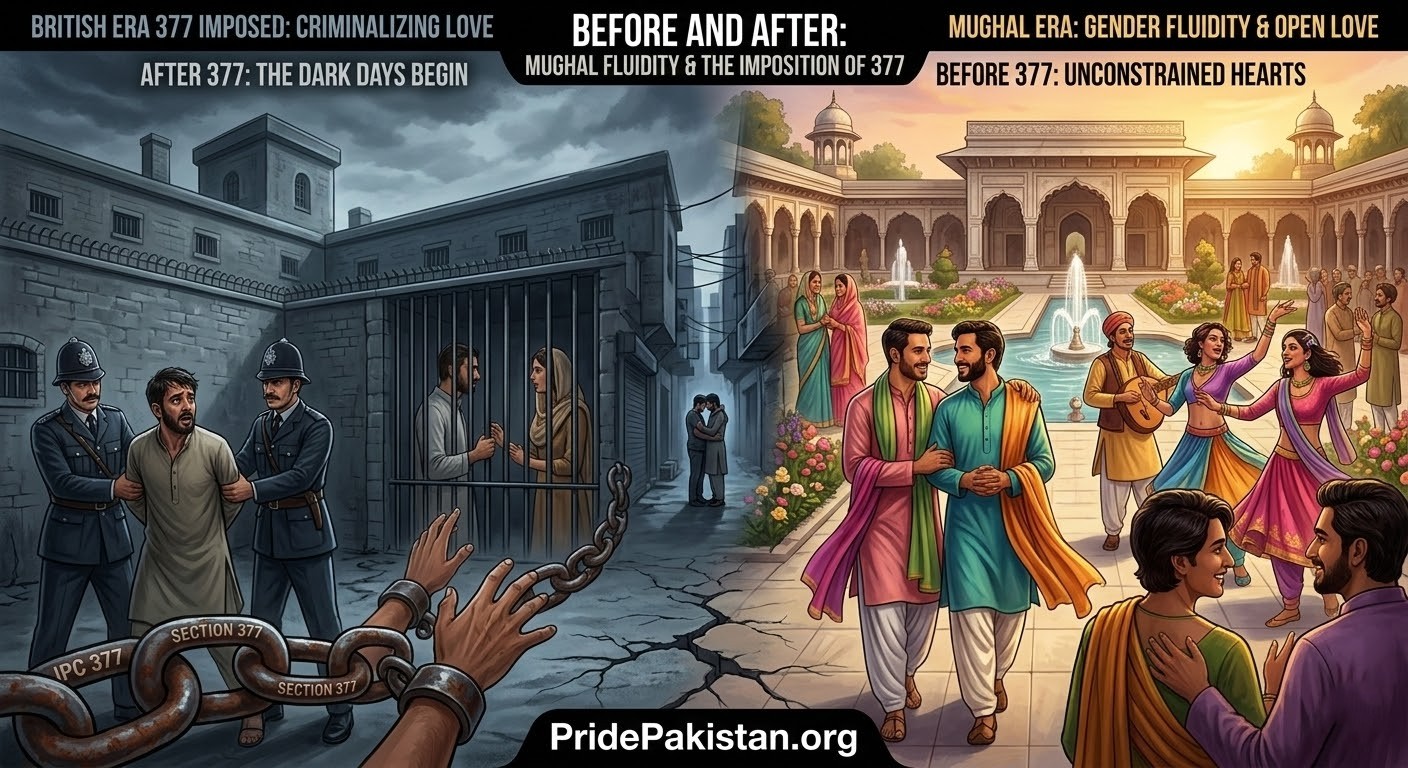
    Before colonial borders and Victorian laws, the Indian subcontinent viewed gender and desire with a sense of fluidity. In the Mughal era, same-sex intimacy and “third gender” individuals held roles as trusted servants, poets, and advisors in the royal courts. Love was often seen as a spiritual journey that transcended the physical binary.

    Read More: Love and Gender in the Mughal Courts

    1860: The Colonial Shadow & Section 377

    The landscape changed forever with the arrival of British rule. In 1860, the colonial government introduced Section 377, a law that criminalized “natural” desires as “carnal intercourse against the order of nature.” This was a foreign legal transplant that replaced local tolerance with institutionalized shame and homophobia.

    Read More: How Colonialism Invented Homophobia in South Asia

    2009: The First Sparks of Visibility

    In July 2009, the Supreme Court of Pakistan made history by recognizing the “Third Gender” on national ID cards. Just months later, in November 2009, a small group of gay men in Karachi organized a historic public gathering reported by the BBC. Though they hid their faces for safety, their courage marked the birth of modern gay activism in Pakistan.

    Read More: The 2009 Karachi Gathering – Coming out of the Shadows

    The Era of NAZ: Indoor Prides & Advocacy

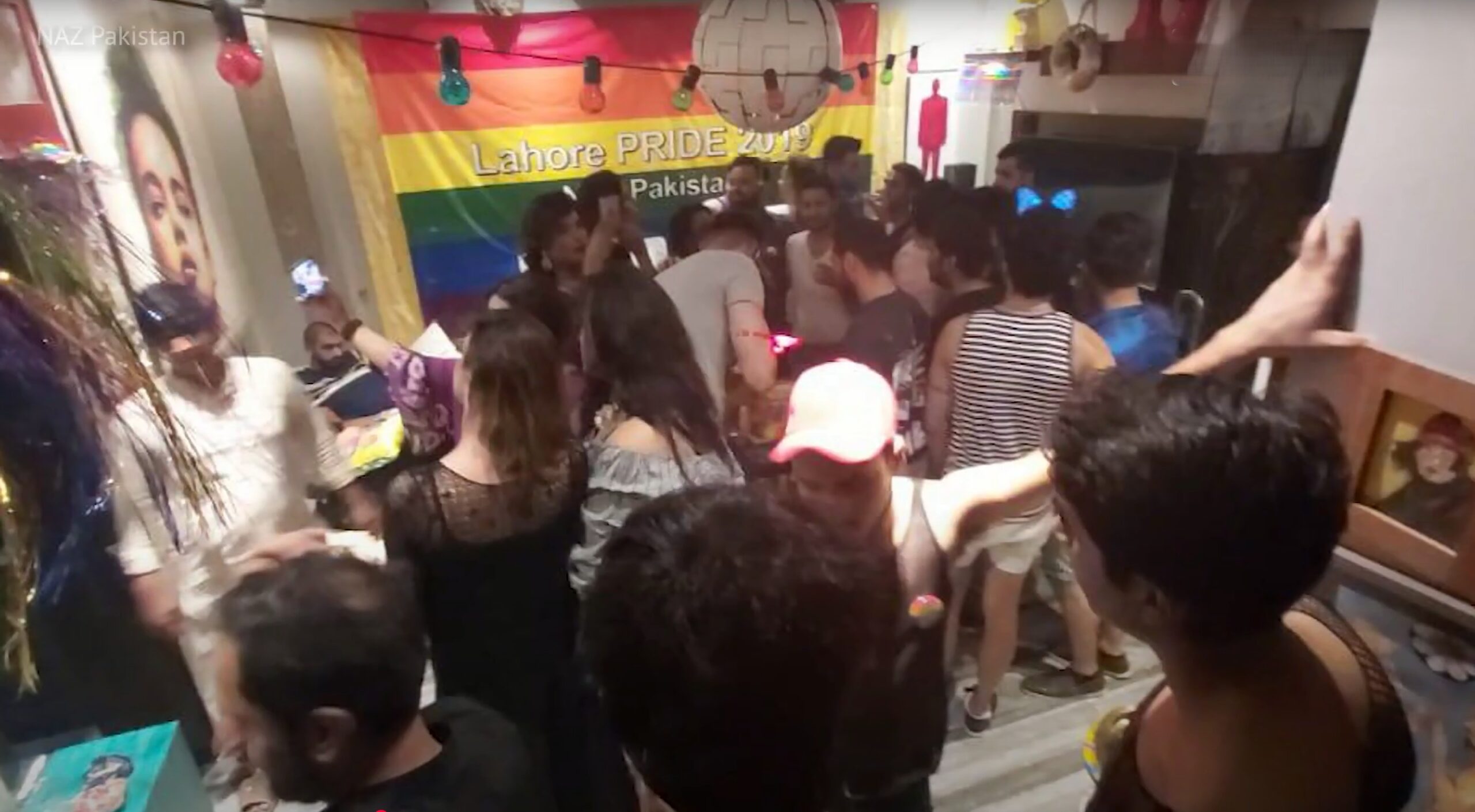
    The movement gained institutional strength through the NAZ Male Health Alliance, led by Qasim Iqbal. Qasim became a prominent face for gay rights, organizing indoor, closed-door Pride events across Pakistan. These gatherings provided a rare safe space for the community to connect, even as the legal and social climate remained hostile.

    Read More: Qasim Iqbal and the Legacy of NAZ Pakistan

    2011: The US Embassy Incident & Extremist Backlash

    On June 26, 2011, the US Embassy in Islamabad hosted an LGBTQI Pride social event. The subsequent media coverage sparked a massive nationwide backlash from Islamic extremist groups and conservative politicians. This event forced the movement back underground, highlighting the extreme risks associated with Western-aligned visibility.

    Read More: The 2011 Pride Social – A Turning Point for Safety

    2018–2024: The Transgender Rights Battle

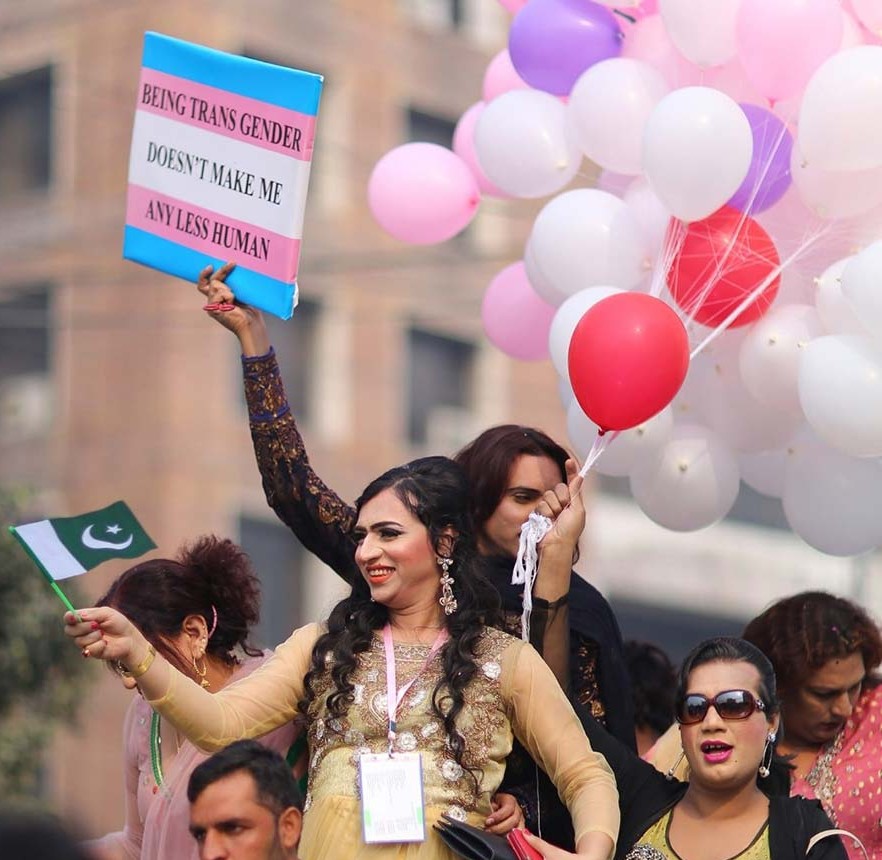
    In 2018, Pakistan passed the landmark Transgender Persons (Protection of Rights) Act. However, the law faced intense opposition and was challenged in the Federal Shariat Court in 2023, leading to significant rollbacks that shifted the focus toward “intersex” definitions. This period saw the rise of public Trans Prides in Lahore and other cities, even as legal protections were being dismantled.

    Read More: From 2018 to the Shariat Court – The Fight for Trans Rights

    2020: The Roots of PridePakistan.org

    Our campaign, founded by Ali Raza Khan, began within the empowering network of NAZ. In 2020, with the support of the European Union, we began organizing closed-space community gatherings. These underground meetings focused on building the “Pink Triangle”, a member alliance of the Pakistan LGBTQI Alliance, designed to unite diverse voices under one banner.

    [Read More: Our Origins – From the Pink Triangle to Pride Pakistan]

    2021–2023: Security Risks & Decentralization

    Following increased security incidents, raids, and the closing of NAZ Pakistan’s main operations in 2021, the Pink Triangle alliance began to decentralize. Lack of funds, security threats, and internal community conflicts, specifically tensions between some trans networks and gay advocacy, led to a period of fragmented activism. We realized we needed a new way to reach our people safely.

    [Read More: Navigating Conflict – The Closing of the Pink Triangle]

    2024: The Digital Frontier & Global Pride

    In late 2023, we recognized that physical gatherings in elite city centers were not enough to reach the non-elite and rural gay community. We launched PridePakistan.org in early 2024 to provide an online sanctuary. Despite being blocked by the PTA, we expanded into digital gaming, represented the community at the Human Rights Commission, and began raising the Pakistani Gay Pride flag at international Prides worldwide.

    [Read More: Digital Resistance – PTA Blocks and Global Flags]

  • پاکستان میں ہم جنس پرستوں کی تحریک

    پاکستان میں ہم جنس پرستوں کی تحریک

    نوٹ: یہ تحریر بی بی سی اردو سے لی گئی ہے۔ مکمل اور اصل مضمون پڑھنے کے لیے بی بی سی اردو کی ویب سائٹ پر جائیں

    پاکستان میں ہم جنس پرست زیر زمین منظم ہو رہے ہیں اور ان کے باقاعدگی سے اجتماعات بھی منعقد ہوتے ہیں۔ ہم جنس پرستوں کے بیرون ملک تنظیموں سے بھی روابط ہیں جس سے ایسا محسوس ہوتا ہے کہ ملک میں ہم جنس پرستوں کی تحریک خاموشی سے مگر منظم طریقے سے آگے بڑھ رہی ہے۔

    پڑوسی ملک بھارت میں ہم جنس پرستوں کے تعلقات کو قانونی حیثیت ملنے کے بعد پاکستان میں بڑھتی ہوئی مذہبی انتہا پسندی کے باوجود ہم جنس پرستوں کو بھی حوصلہ ملا ہے۔

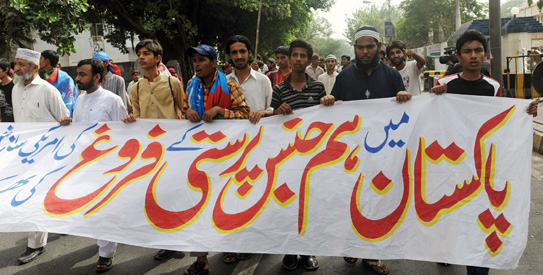
    اس کی مثال گزشتہ دنوں کراچی میں ہم جنس پرستوں کی مصروف ترین شاہراہ فیصل پر پریڈ تھی۔ ہم جنس پرستی کی نشانی والی آٹھ رنگوں کی ٹی شرٹس پہنے ہوئے ان نوجوانوں کی عام لوگ تو شناخت نہیں کرسکے مگر وہ لوگ جو انھیں سمجھتے ہیں یا ان کے قریب رہتے ہیں، انھیں دیکھ کر فتح کا نشان بناتے رہے۔

    ہم جنس پرست، کراچی

    ہم جنس پرستوں نے سوشل نیٹ ورکنگ کی ویب سائٹس پر اپنے گروپس بنائے ہیں جن کے کئی سو ممبران ہیں

    پریڈ میں شریک نوجوان ڈیوڈ کا کہنا ہے کہ پاکستان حکومت نے تردید کی تھی کہ ملک میں ہم جنس پرست نام کی کوئی چیز نہیں ہے۔ اس پریڈ کی ایک بنیادی وجہ یہ بھی تھی کہ حکومت کو بتایا جائے ہم موجود ہیں اور ہمیں تسلیم کیا جائے۔

    ان کے ساتھی تحسین کا کہنا تھا ’اس پریڈ سے پہلے بہت بحث مباحثہ ہوا، کافی ڈر اور خوف بھی تھا کیونکہ پاکستان کے موجودہ حالات میں ہر انسان ڈر کر زندگی گذار رہا ہے۔ ان حالات میں ہم اتنے بڑے حق کے لیے بات کرنا چاہ رہے تھے۔ بعد میں ہم نے یہ سوچا کہ ہر چیز کی ابتدا کہیں نہ کہیں سے ہوتی ہے کسی کوتو پہلا قدم اٹھانا پڑے گا۔ یہ سوچ کر ہمارا ڈر اور خوف جاتا رہا۔‘

    نوجوان ہم جنس پرست اپنے خیالات ، احساسات اور رجحانات کے بارے میں اپنے خاندان والوں کو آگاہ کرنے سےگریز کرتے ہیں اور ایک ڈھکی چھپی اور ادھوری زندگی گذارتے ہیں۔

    پریڈ میں شریک نوجوان ڈیوڈ کا کہنا ہے کہ پاکستان حکومت نے تردید کی تھی کہ ملک میں ہم جنس پرست نام کی کوئی چیز نہیں ہے۔ اس پریڈ کی ایک بنیادی وجہ یہ بھی تھی کہ حکومت کو بتایا جائے ہم موجود ہیں اور ہمیں تسلیم کیا جائے۔

    سولہ سالہ مانی طالب علم ہیں اور ان کا کہنا ہے ’ہم جنس پرستی کے بارے میں بچپن ہی سے معلوم ہو جاتا ہے مگر گھر والوں کو بتانا نہایت مشکل ہوتا ہے کیونکہ ہمارے جذبات، احساسات اور رجحان کو سمجھنے کے لیے انہیں شعور نہیں ہے۔ اگر بتا دیا جائے تو گھر والے ہم پر پابندیاں لگا دیتے ہیں اور ہمیں تیسری جنس سمجھنے لگتے ہیں۔‘

    انٹرنیٹ جہاں کئی انقلاب لایا وہاں ہم جنس پرستوں کی زندگی میں خوشی کی نوید بن کر آیا اور ان کی یکجہتی میں اضافہ ہوا۔ پاکستان کے ہم جنس پرستوں نے بھی سوشل نیٹ ورکنگ کی ویب سائٹس پر اپنے گروپس بنائے ہیں جن کے کئی سو ممبران ہیں۔

    مانی کا کہنا ہے کہ نئی نسل انٹرنیٹ سے باخبر ہے اور اسی کے ذریعے رابطہ ہوجاتا ہے۔ ’انٹر نیٹ پر کئی راستے موجود ہیں جہاں آسانی سے ایک دوسرے سے رابطہ کرسکتے ہیں۔‘ ان کے ایک اور ساتھی ڈیوڈ کے مطابق درمیانے درجے کے خاندان یا مڈل کلاس کے علاوہ بڑے گھرانوں کے کئی لوگ بھی ان کےگروپس میں موجود ہیں۔

    یہاں اپنی سوچ کو دوسروں پر مسلط کیا جاتا ہے۔ جو آپ نہیں ہیں وہ کیسے بن کر رہ سکتے ہیں۔ اگر آپ لڑکیوں کی طرف متوجہ نہیں ہوتے تو پھر لڑکی سے کیسے شادی کرسکتے ہیں۔ ایسے کئی واقعات ہوئے ہیں جن میں ہم جنس پرستوں کو خاندانی اور سماجی دباؤ کے تحت لڑکیوں سے شادی کرنی پڑی مگر بعد میں ان لڑکیوں کی زندگی برباد ہوئی۔ اس لیے کہ وہ ان لڑکیوں کو چھوتے تک نہیں ہیں۔

    تحسین

    تحسین انجینیئرنگ کی تعلیم حاصل کر رہے ہیں اور ان کا کہنا ہے ’یہاں اپنی سوچ کو دوسروں پر مسلط کیا جاتا ہے۔ جو آپ نہیں ہیں وہ کیسے بن سکتے ہیں۔ اگر آپ لڑکیوں کی طرف متوجہ نہیں ہوتے تو پھر لڑکی سے کیسے شادی کرسکتے ہیں۔ ایسے کئی واقعات ہوئے ہیں جن میں ہم جنس پرستوں کو خاندانی اور سماجی دباؤ کے تحت لڑکیوں سے شادی کرنی پڑی مگر بعد میں ان لڑکیوں کی زندگی برباد ہوئی۔ اس لیے کہ وہ ان لڑکیوں کو چھوتے تک نہیں ہیں۔‘

    پاکستان میں مذہبی شدت پسندی میں اضافے کے بعد کراچی میں بھی طالبانائزیشن کی بات ہو رہی ہے مگر ڈیوڈ کہتے ہیں کہ وہ خوفزدہ نہیں ہوتے۔’یہ ہمارا بھی ملک ہے۔ ملائشیا اور انڈونیشیا مسلم ممالک ہیں مگر وہاں سماج نے ہم جنس پرستوں کو تسلیم کیا ہے۔‘ تحسین نے ان کی تائید کرتے ہوئے کہا کہ انہیں حقوق نہیں چاہیئں کیونکہ انھیں معلوم ہے کہ یہاں حقوق نہیں مل سکتے۔ ’مگر کم سے کم لوگوں میں شعور ہو کہ ہم غلط نہیں ہیں کیونکہ یہ چیز دنیا میں موجود ہے۔ ہم ملائشیا اور انڈونیشیا جاچکے ہیں۔ ایسے کئی اور مسلم ممالک ہیں جہاں ہم جنس پرستوں کو حقوق نہیں دیے گئے مگر انہیں تنگ بھی نہیں کیا جاتا۔‘

    کراچی میں ہم جنس پرستوں کے مخصوص مقامات ہیں جہاں ان کی ملاقاتیں ہوتی ہیں۔ شہر سے باہر ساحل سمندر اور فارم ہاؤس ان کی بڑی پارٹیوں کا مرکز ہیں جس کے لیے سنیچر کی شام مختص ہوتی ہے۔ تحسین کے مطابق ہم جنس پرست منظم ہیں اور ان کی پارٹیاں مقامی اور ملکی سطح کی ہوتی ہیں جن میں کئی سو لوگ شریک ہوتے ہیں۔

    ’اس سے پہلے چھاپے نہیں پڑتے تھے مگر اب پولیس جان بوجھ کر آتی ہے اور پارٹی بند کردیتی ہے۔ آرگنائزرز سے پیسے چھین لیے جاتے ہیں اور کھانا اٹھا کر چلے جاتے ہیں۔ اس پارٹی میں کوئی بھی غیر قانونی چیز نہیں ہوتی۔ اس میں نشہ آور اشیاء کا استعمال بھی نہیں کیا جاتا صرف ملنے ملانے کی پارٹی اور ڈانس ہوتا ہے۔‘

    پاکستان کے ہم جنس پرستوں کا انٹرنیشنل لسبیئن اینڈ گے ایسوسی ایشن سمیت برطانیہ، امریکہ اور آسٹریلیا کی ہم جنس پرستوں کے حقوق کے لیے کام کرنے والی تنظیموں سے رابطہ ہے۔ تحسین کے مطابق ان تنظیموں کا کہنا ہے کہ تحفظ یا حقوق وہ اپنے ملک میں تو دلا سکتے ہیں مگر پاکستان میں کچھ نہیں کرسکتے، یہاں انہیں خود ہی کچھ کرنا ہوگا۔

    ہم جنس پرستی پاکستان کے قوانین اور مذہبی حوالے سے ناقابل قبول ہے اور ملکی قانون کے مطابق ہم جنس پرستی کی سزاء دس سال قید یا کوڑے ہیں۔

    ہم جنس پرست

    پاکستان کے قوانین کے مطابق ہم جنس پرستی کی سزا دس سال قید یا کوڑے ہے

    پاکستان میں کچھ واقعات ایسےبھی ہوئے ہیں جن میں کچھ لوگوں نے خود کو ہم جنس پرست قرار دے کر بیرون ملک سیاسی پناہ حاصل کی۔ مگر مانی کا کہنا ہے کہ ایسا کوئی مسئلہ نہیں اور بھی کئی طریقے ہیں جن سے سیاسی پناہ مل سکتی ہے۔’ اگر کوئی راستہ نظر آتا ہے تو وہاں سے صحیح اور غلط دونوں لوگ گذرتے ہیں مگر اس کا یہ مطلب نہیں ہے کہ جو حقیقی ہم جنس پرست ہیں وہ ایسا کرتے ہیں۔‘

    پاکستان میں ہم جنس پرستی نہ تو لوگوں اور نہ ہی میڈیا میں کبھی موضوعِ بحث رہی ہے۔ انگریزی اخبارات میں بیرون ملک ہم جنس پرستوں کی کہانیاں اور تبصرے پڑھنے کوتو ملتے ہیں مگر پاکستان کے ہم جنس پرستوں کے بارے میں بہت کم لکھا جاتا ہے۔

    اقوام متحدہ کے اعلامیے میں تمام اداروں اور رکن ممالک سے کہا گیا ہے کہ ہم جنس پرستی یا جنسی ترجیحات کی بنیاد پر ہونے والے امتیازی سلوک اور تشدد کے خلاف بھی اسی انداز میں کارروائی کو یقینی بنایا جائے جیسے انسانی حقوق کی خلاف ورزیوں کے خلاف کی جاتی ہے۔

    یہ مضمون بی بی سی اردو سے شکریہ کے ساتھ دوبارہ شائع کیا گیا ہے۔ اصل تحریر بی بی

    سی اردو کی ویب سائٹ پر اس لنک کے ذریعے پڑھی جا سکتی ہے:

    ‭BBC Urdu‬ – ‮پاکستان‬ – ‮پاکستان میں ہم جنس پرستوں کی تحریک‬

  • The Year the Shadows Broke 2009  Pakistan’s First Public Pride Activity

    The Year the Shadows Broke 2009 Pakistan’s First Public Pride Activity

    History is often written by the victors, but for the LGBTQI community in Pakistan, history is written by the brave. While our roots in South Asia stretch back centuries, from the revered status of Khwaja Siras in Mughal courts to the fluid expressions of love in Sufi poetry, modern political “visibility” has a specific, painful, and powerful starting point: November 2009.

    On November 10, 2009, a small but historic gathering took place in Karachi. Reported by BBC Urdu, this event marked one of the first times a group of gay Pakistani men chose to step into the public eye to discuss their rights and identity. In a society where Section 377 (a remnant of British colonial law) and social taboos enforced a life of absolute secrecy, this meeting was an act of revolution.

    The BBC article, titled “Gay in Karachi,” captured a community at a crossroads. Participants spoke about the “underground” nature of their lives, the use of early internet chat rooms to find one another, and the deep desire to be seen as equal citizens of Pakistan.

    Visibility in Pakistan has always come with a heavy price. During this 2009 activity, participants were acutely aware of the danger; every person involved hid their face. They used masks, scarves, or remained in the shadows during photography and filming to protect their identities from a society that was not yet ready to accept them.

    The aftermath of this public activity was a stark reminder of the risks of activism. Following the publication of the report and the buzz it created:

    • Targeted Threats: Many participants began receiving direct threats as their identities were pieced together by relatives or neighbors.
    • Going Underground: Several activists were forced to leave their homes immediately, moving to different cities within Pakistan to escape recognition.
    • The Path of Exile: For many, even moving cities wasn’t enough. To stay safe and live authentically, a significant number of the pioneers of that 2009 activity eventually had to leave Pakistan altogether, seeking asylum in countries where they could live without the constant fear of violence.

    This small Karachi gathering acted as a catalyst. Shortly after, between 2009 and 2011, the first clandestine queer organizations (often referred to by pseudonyms like “P” and “M” in academic research) began to form in Lahore and Karachi. These groups moved from mere social gatherings to advocacy, even as they navigated a landscape that grew more complex with events like the 2011 US Embassy Pride social, which sparked nationwide conservative protests.

    We include this story in our History archive because Pride in Pakistan didn’t start with a parade; it started with a few brave souls in a room in Karachi, faces covered, hearts open, demanding to be heard. We honor those who were forced into hiding or exile so that today, we can continue the work of building a Pakistan where no one has to hide their face again.

    References & Further Reading:

  • New Release: “Star Catcher” A Game of Mental Resilience and Radical Joy

    New Release: “Star Catcher” A Game of Mental Resilience and Radical Joy

    At PridePakistan.org, we believe that existence is resistance. Following the launch of our first game, Pride Runner, we are proud to announce the release of our second interactive experience: Star Catcher.

    While our first game was about navigating the physical hurdles and state-imposed barriers on the streets of Pakistan, Star Catcher focuses on the internal battle—the fight to protect our mental health, our joy, and our community in an environment that often tries to dim our light.

    The premise is simple: move your character to catch falling Rainbow Stars and Pride Barriers, while actively avoiding Police hurdles and Dark Clouds.

    This is a direct metaphor for the LGBTQ+ experience in Pakistan today:

    • Catching the Light: To survive and thrive, we must intentionally “catch” positive energy. This means seeking out community members who are “alike,” finding support networks, and holding onto hope.
    • Avoiding the Noise: The falling Police and Dark Clouds represent the negative influences we face—state authorities who block our websites, systemic discrimination, and the “dark clouds” of negative self-talk or societal judgment (Log Kya Kahenge).

    State agencies like the PTA and NCCIA have tried to make our community feel invisible by blocking our digital home. They want us to “catch” fear and isolation. Star Catcher teaches the opposite.

    In this game, you have three lives. This represents our collective resilience. Even when we are “hit” by the reality of a website block or a discriminatory comment, we don’t give up. We reset, we learn, and we keep catching the stars.

    Catch the Stars & Rainbows | Avoid Police & Clouds

    The Lesson of Star Catcher:

    1. Filter Your Circle: Avoid negative people and state-sponsored hostility.
    2. Seek Your Tribe: Connect with other rainbow community members for mutual support.
    3. Prioritize Peace: Your mental health is a priority. Catching positive thoughts is a skill that requires practice.

    Play for the Community

    Every star you catch in this game is a tribute to the resilience of gay, lesbian, bisexual, and transgender Pakistanis who continue to find joy despite the hurdles.

    We invite you to play, share your high scores, and remind the world that no amount of digital blocking can stop us from reaching for the stars.

    Click Here to Play Star Catcher

    Read more in our blogs section : News & Blogs

    Play more games in our game section : Play Games

  • Pride Pakistan Games: Star Catcher

    Catch the Stars & Rainbows | Avoid Police & Clouds

    Share your high score and spread the positivity!

    Encouraging mental health and community support at PridePakistan.org

    Star Catcher: A Lesson in Protecting Your Peace

    In our second game, Star Catcher, the mission shifts from running through streets to choosing what we allow into our lives. This game is a metaphor for mental health and resilience within the LGBTQ+ community in Pakistan.

    The Stars & Rainbows (Positive Energy): To live a happy and fulfilled life, we must actively “catch” positive thoughts and seek out fellow community members who support us. These represent the allies, the chosen family, and the self-love that fuels our mental health.

    The Police & Clouds (Negative Influence): Just as you avoid these in the game, we must learn to avoid negative people and the heavy weight of state authorities who attempt to block our happiness. The “Dark Clouds” represent the negative thoughts and societal “hate” that can weigh down our spirits if we catch them.

    Three Lives, Infinite Resilience: You have three lives in this game—a reminder that even when we stumble or face a setback from state institutions, we have the strength to keep going. Protect your mental health, filter out the noise, and keep catching your light.

    Play more games in our game section : Play Games