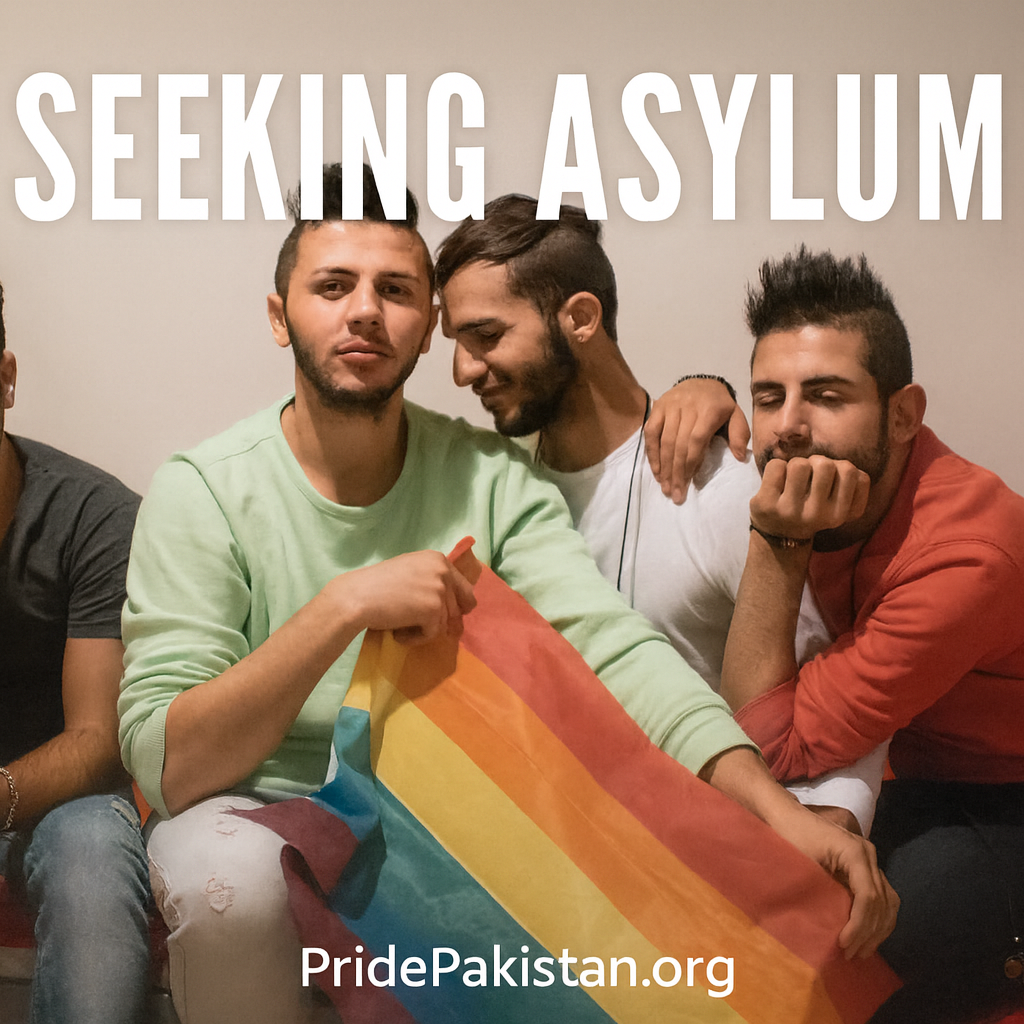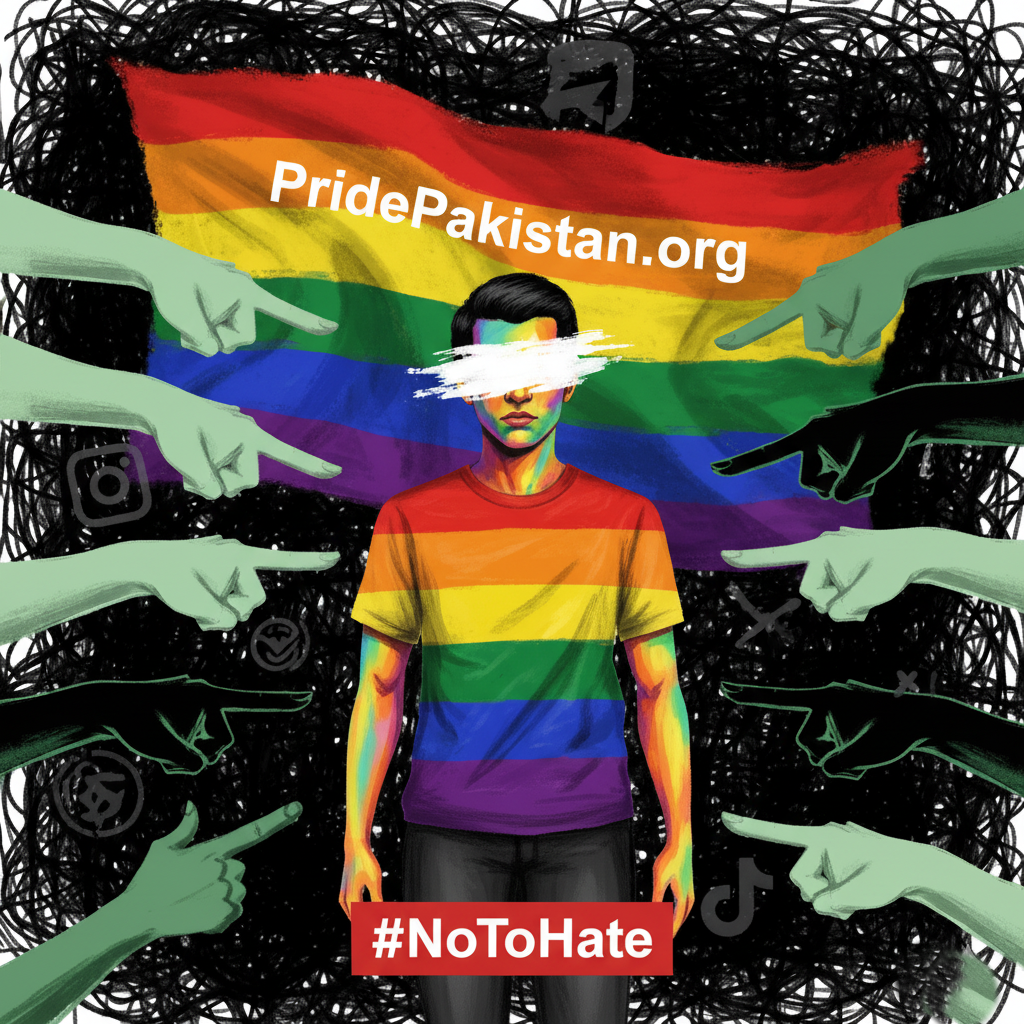
PridePakistan.org Condemns PTA’s Censorship and Harassment of LGBTQIA+ Voices
Pride Pakistan strongly condemns the ongoing censorship and intimidation campaign by the Pakistan Telecommunication Authority (PTA) targeting LGBTQIA+ content, platforms, and individuals. These actions are part of a long-standing pattern of digital repression and harassment that seeks to erase queer existence from Pakistan’s online and public spaces.
For years, LGBTQIA+ Pakistanis have relied on digital platforms to connect, organize, and survive. But the Pakistan Telecommunication Authority (PTA) has systematically worked to dismantle these lifelines — banning apps, filtering content, and harassing community members.
🔒 Recent Escalation: Targeting PridePakistan.org
In October 2025, PTA escalated its censorship efforts by pressuring Meta (Instagram) to restrict LGBTQIA+ content — including posts from PridePakistan’s official account. Our website has also faced interference, with attempts to block access and silence our support resources.
This is not an isolated incident. It reflects a broader campaign to suppress queer voices and criminalize visibility.
🧑🤝🧑 Harassment of Volunteers
Our volunteer members have faced repeated harassment — including online abuse, surveillance, and threats. Some have been questioned by authorities, while others have had their social media accounts flagged or restricted simply for advocating LGBTQIA+ rights.
This intimidation is designed to instill fear and discourage activism. We will not be silenced.
📵 PTA’s History of Censorship
PTA’s actions against LGBTQIA+ platforms include:
Banning Grindr, Tinder, and other dating apps in 2020, citing “immoral content” — a move widely condemned by rights groups The New ArabIBTimes India
Blocking access to all gay porn sites in Pakistan, regardless of content type or safety measures
Filtering and removing social media posts that express support for LGBTQIA+ rights, identities, or events
Issuing takedown requests to global platforms like Meta, demanding the removal of queer content from Pakistani feeds
These actions violate basic digital rights and disproportionately target marginalized communities.
Timeline of PTA’s censorship actions against LGBTQIA+ content from 2020 to 2025
September 2020: PTA bans Grindr, Tinder, and other dating apps for “immoral content”
2021–2023: PTA blocks gay porn sites and filters LGBTQIA+ hashtags on social media
August 2025: PTA requests Meta (Instagram) to restrict LGBTQIA+ content from PridePakistan
October 2025: PTA interferes with access to PridePakistan.org and flags queer visibility posts
📣 Our Response
Pride Pakistan stands firm in our mission to provide:
Safe, accessible support resources for LGBTQIA+ individuals
Mental health and legal guidance
Community-building and advocacy tools
Visibility campaigns that challenge stigma and promote acceptance
We call on:
Social media platforms to resist censorship and protect queer content
Civil society and allies to speak out against digital repression
International watchdogs to hold PTA accountable for rights violations
🌈 We Will Not Be Erased
LGBTQIA+ Pakistanis exist. We resist. We build. No amount of censorship can erase our truth.
Pride Pakistan unequivocally condemns the rising wave of homophobic rhetoric and online hate targeting LGBTQI+ individuals in Pakistan. In recent weeks, several public figures and influencers have used their platforms to incite hostility, spread misinformation, and dehumanize queer and trans communities.
This is not free speech, it is targeted harassment. It endangers lives, fuels stigma, and undermines the basic human rights of LGBTQI+ Pakistanis.
We call on civil society, media platforms, and allies to stand against this hate. We urge social media companies to enforce their policies against harassment and hate speech. And we reaffirm our commitment to protecting and uplifting LGBTQI+ voices across Pakistan.
In recent months, Pakistan’s LGBTQI+ community has faced an alarming surge in online hate campaigns led by influential figures with large followings. These campaigns not only spread misinformation but also incite violence and deepen societal stigma.
🔥 Who’s Spreading the Hate?
Among the most vocal are:
Senator Mushtaq Ahmad Khan (@SenatorMushtaq) – A member of Jamaat-e-Islami, he has repeatedly used his platform to denounce LGBTQI+ visibility, framing it as a threat to national values. In a recent podcast with Raja Zia ul Haq, he criticized the “rise of LGBTQ in Pakistan” and called for stricter controls on queer expression YouTube.
Raja Zia ul Haq (@qaiseraraja) – Known for his YouTube content and public lectures, Raja Zia has amplified anti-LGBTQI+ narratives, often portraying queer identities as moral corruption. His content regularly misrepresents LGBTQI+ lives and fuels public hostility YouTube.
@njia_B – A lesser-known but increasingly vocal account that has shared homophobic tweets targeting queer activists and organizations, often using religious and nationalist rhetoric to justify hate.
Maria B (@MariaBDesigns) – The fashion designer has repeatedly made inflammatory statements about LGBTQI+ individuals. In a podcast, she claimed that “80% of men in Pakistan’s fashion industry are LGBTQ” and criticized queer visibility as a moral threat. More recently, she described an alleged LGBTQ-themed event in Lahore as “satanic,” sparking widespread backlash and a legal complaint from the transgender community. BOL News.
These individuals are not engaging in debate — they are inciting discrimination. Their words have real-world consequences, especially in a country where LGBTQI+ people already face legal ambiguity, social exclusion, and threats to their safety Equaldexrajuakon.com.
📉 The Impact on LGBTQI+ Lives
Pakistan ranks low on global LGBTQI+ acceptance indices. According to Equaldex, over 88% of surveyed Pakistanis in 2022 said homosexuality was unjustifiable, and nearly 60% would not accept queer neighbors Equaldex. These attitudes are reinforced by online hate, making it harder for LGBTQI+ individuals to access healthcare, legal protection, and community support.
🛡️ What We Stand For
Pride Pakistan exists to challenge this narrative. We provide:
Mental health and crisis support
Legal guidance and safe reporting tools
Community resources and visibility campaigns
Advocacy for policy change and public education
We believe every person deserves dignity, safety, and freedom — regardless of their gender identity or sexual orientation.
📣 Call to Action
We urge:
Social media platforms to enforce anti-hate policies and suspend accounts inciting violence
Journalists and educators to challenge misinformation and amplify queer voices
Allies and civil society to speak out and support inclusive spaces
Hate has no place in our society. Silence is complicity.
In Pakistan, gay men face not only social stigma and family rejection but also the threat of state-backed religious decrees. A 2019 case reported by The Express Tribune demonstrates how the Council of Islamic Ideology (CII), families, and police together weaponised law and religion to target a young gay man, leaving him vulnerable to violence and persecution.
⚖️ The Case of M: Betrayed by Family, Targeted by Religion, Abandoned by Law
In May 2019, the Lahore High Court dismissed a protective bail petition filed by a young man, identified as M, who feared for his life after being exposed for his sexuality.
Family Betrayal: While studying in the UK, M entered into relationships with other men. When his family in Gujrat discovered this, they turned against him. His uncle filed a civil suit demanding 50 million rupees in damages, claiming M’s homosexuality had caused “mental distress” and “social embarrassment.”
Religious Targeting: The family approached the Council of Islamic Ideology (CII), which issued a fatwa in March 2018 declaring that M should be killed upon his return to Pakistan. This religious decree effectively sanctioned violence against him.
Police Involvement: Acting on the family’s complaint, police were asked to register a case against M under Section 377, the colonial-era law criminalising same-sex relations. Even without a formal FIR, the threat of arrest loomed large.
Judicial Failure: M filed for protective bail, hoping the courts would shield him from arbitrary arrest or family violence. Instead, the Lahore High Court dismissed his petition, leaving him vulnerable to both state persecution and honour-based violence.
🚨 What This Case Reveals
This case is a chilling example of how gay men in Pakistan are systematically targeted:
Families weaponise honour and shame.
Religious authorities issue fatwas that legitimise violence, even calling for execution.
Police exploit Section 377 to harass and threaten.
Courts often fail to protect, reinforcing impunity.
Together, these forces create a hostile environment where being gay is treated as a crime punishable by law, stigma, and even death.
For gay men in Pakistan, the law is not protection, it is persecution. Survivors of such cases live in constant fear of exposure, arrest, or even death at the hands of their own families.
To every gay man who has been betrayed, silenced, or hunted: your life is not dishonour, your love is not a crime, and your existence is not negotiable.
🌍 International Standards
The United Nations Human Rights Council has affirmed that criminalising homosexuality violates international law.
The World Health Organization declassified homosexuality as a mental disorder in 1990.
Amnesty International and Human Rights Watch have condemned Pakistan’s continued use of Section 377 and religious decrees to persecute gay men.
The CII’s fatwa calling for the killing of a gay man is not an isolated decree, it is part of a systemic pattern of persecution. Families, police, and religious authorities work together to criminalise and endanger gay men in Pakistan.
Pride Pakistan calls on the government to repeal Section 377, reject religious decrees that incite violence, and uphold the fundamental human rights of all citizens.
Our Statement:
As Pride Pakistan, we strongly condemn the fatwa issued by the Council of Islamic Ideology (CII) that calls for the killing of gay men. Such decrees are not only inhumane but also provide dangerous justification for violence that is already widespread. Across Pakistan, many gay men have been murdered by their own families in so-called “honour killings,” while countless others live under constant threat of exposure, blackmail, and abuse. This fatwa does not represent justice or faith, it represents hate weaponised against vulnerable people. We stand with every gay man whose life has been endangered by these laws and decrees, and we call on the state and international community to hold those responsible to account and to protect the fundamental right to life and dignity for all.
Arshad Khan, a Pakistani-Canadian filmmaker and founder of Abu Films, has become a powerful voice in global cinema. His deeply personal work explores themes of migration, identity, sexuality, and the struggle of reconciling being gay with a devout Muslim upbringing.
In this video interview with Xtra Magazine on Oct 14, 2017,, Khan reflects on his journey as a gay son navigating a difficult relationship with his Muslim father. His story is not only personal but also universal—echoing the experiences of countless gay men who face rejection, silence, or hostility within their families and communities.
▶️ Watch the video here:
About Abu
Khan’s acclaimed documentary Abu (2017) is a moving exploration of his family’s migration from Pakistan to Canada, his coming out journey, and the clash between tradition and modernity. The film has been screened at international festivals and praised for its honesty, vulnerability, and artistry.
Through Abu, Khan not only tells his own story but also sheds light on the broader struggles of gay Muslims who are often caught between cultural expectations and personal truth.
🎬 Abu Films: A Platform for Diverse Voices
As the founder of Abu Films, Khan has dedicated himself to producing and supporting films that amplify underrepresented voices. His work emphasizes:
Gay narratives from South Asia and the diaspora
Immigrant experiences and the complexities of cultural identity
Challenging stereotypes about Muslims, Pakistanis, and gay people
Arshad Khan’s films are more than art—they are acts of resistance. By telling stories that are often silenced, he creates space for dialogue, empathy, and change. His courage inspires gay Pakistanis and diaspora communities to embrace their identities and demand visibility.
Arshad Khan’s journey reminds us that storytelling is one of the most powerful tools for change. By sharing his truth through Abu and Abu Films, he challenges prejudice, builds bridges, and ensures that gay Muslim voices are heard on the global stage.
In a country where LGBTQI voices are often silenced, Qasim Iqbal, a leading activist, has courageously spoken out about the realities faced by queer people in Pakistan. In this short but powerful video interview with PinkNews on Jun 4, 2020, he explains how laws, social stigma, and religious hate combine to make life unsafe for LGBTQI individuals.
📢 Video Highlights
Criminalisation: Homosexuality remains illegal under Section 377 of the Penal Code, a colonial-era law still used to harass and intimidate.
Abuse of Power: Police and authorities exploit these laws to blackmail and extort LGBTQI people.
Social Stigma: Religious and cultural narratives fuel hate, forcing many into secrecy and isolation.
Resilience: Despite these challenges, activists like Qasim Iqbal continue to fight for dignity, equality, and recognition of LGBTQI rights as human rights.
Qasim’s voice represents the lived reality of thousands of LGBTQI Pakistanis who cannot speak openly. His testimony is a reminder that our struggle is not invisible and that international solidarity is essential.
Qasim Iqbal’s message is clear: LGBTQI rights are human rights. His courage in speaking out should inspire us all to continue raising awareness, challenging hate, and demanding equality in Pakistan and beyond.
پرائڈ پاکستان میں، ہمیں ہم جنس افراد کی جانب سے بے شمار پیغامات موصول ہوتے ہیں جنہوں نے ان لوگوں کے ہاتھوں ناقابلِ تصور زیادتی برداشت کی ہے جن کا کام ان کی حفاظت کرنا ہے۔ یہ کوئی الگ تھلگ کہانیاں نہیں ہیں. وہ ہانی ٹریپنگ، بلیک میل، جنسی زیادتی، جسمانیتشدد ، اور ایکسٹارشن کا ایک پریشان کن پیٹرن بناتی ہیں جو پاکستان کے ایف آئی اے، این سی سی آئی اے، پولیس، آرمی، اور انٹیلیجنس ایجنسیز سے منسلک افراد کے ذریعے انجام دی جاتی ہیں۔
بہت سے متاثرین کے لیے، اس صدمے میں خاموشی کا اضافہ ہو جاتا ہے۔ خاندان اکثر ان سے لاتعلقی اختیار کر لیتے ہیں، معاشرہ انہیں قصوروار ٹھہراتا ہے، اور ریاست ان کے وجود کو ہی کریمینلائز کرتی ہے۔ یہ آرٹیکل ان آوازوں کے لیے وقف ہے، ان لوگوں کے لیے جنہوں نے خاموشی سے تکلیف سہی، جو ابھی بھی ٹریپڈ ہیں، اور جو مزاحمت جاری رکھے ہوئے ہیں۔
پولیس پر مشتمل ہانی ٹریپ سکینڈلز
لاہور اور راولپنڈی میں، پولیس افسران سمیت متعدد گینگز کو ہانی ٹریپ سکیمیں چلانے کے الزام میں گرفتار کیا گیا۔ متاثرین کو سوشل میڈیا کے ذریعے لالچ دیا جاتا تھا، نجی فلیٹس میں بلایا جاتا تھا، پھر ان پر حملہ کیا جاتا، ان کی فلم بنائی جاتی، اور بلیک میل کیا جاتا تھا۔ ایک کیس میں، ۵۰ سے زیادہ متاثرین کی شناخت ہوئی، جن کی فحش ویڈیوز کو بے نقاب کرنے کی دھمکی دے کر پیسے بٹورنے کے لیے استعمال کیا گیا۔
بلال اسلم کا کیس (پنجاب پولیس)
حال ہی میں، ایک متاثرہ شخص نے پرائڈ پاکستان سے رابطہ کیا اور پنجاب پولیس میں ایک حاضر سروس افسر، بلال اسلم کی شناخت کی، جو ہم جنس کمیونٹی کے ارکان کو جنسی زیادتی اور بلیک میل کر رہا ہے۔ زندہ بچ جانے والے افراد رپورٹ کرتے ہیں کہ انہیں بے نقاب کرنے کی دھمکی کے تحت جنسی زیادتی پر مجبور کیا گیا، اور ان کے خلاف جھوٹے مقدمات درج ہونے سے روکنے کے لیے پیسوں کا مطالبہ کیا گیا۔ یہ کیس واضح کرتا ہے کہ قانون نافذ کرنے والے اداروں کے اندر موجود افراد کس طرح کمزور کمیونٹی کے ارکان کا شکار کرنے کے لیے اپنے آتھارٹی کا استحصال کرتے ہیں۔
ہم جنس مردوں کی منظم ہراسانی
تحقیق سے پتہ چلتا ہے کہ پاکستان میں ہم جنس مردوں کو معمول کے مطابق وربَل ہَراسمنٹ، جنسی زیادتی ، اور بلیک میل کا سامنا کرنا پڑتا ہے، اکثر ایسے لوگوں کی طرف سے جو آتھارٹی کی پوزیشنوں پر فائز ہوتے ہیں۔
قانون کا بطور ہتھیار استعمال
پینل کوڈ کی دفعہ ۳۷۷، جو ہم جنس تعلقات کو کریمینلائز کرتی ہے، کو پولیس اور ایجنسیاں اکثر مقدمہ چلانے کے لیے نہیں بلکہ ایل جی بی ٹی کیو+ افراد کو دھمکانے، پسے حتیانے، اور خاموش کرانے کے لیے استعمال کرتی ہیں۔
جس بھی شخص کو ٹریپ کیا گیا، زیادتی کیا گیا، یا بلیک میل کیا گیا: آپ کا درد حقیقی ہے، آپ کی کہانی اہمیت رکھتی ہے، اور آپ اکیلے نہیں ہیں۔
ہم جانتے ہیں کہ ایسے صدمے کے بعد رابطہ کرنے کے لیے کتنی حمت کی ضرورت ہوتی ہے۔ بہت سے زندہ بچ جانے والے شرم، خوف اور ناامیدی کے جذبات کو بیان کرتے ہیں۔ لیکن ہمیں واضح ہونے دیں: شرم مجرموں کی ہے، آپ کی نہیں۔
کمیونٹی ممبرز کے لیے حفاظتی رہنمائی
آن لائن سیفٹی
اپنی شناخت اور مقام کی حفاظت کے لیے ایک وی پی این استعمال کریں۔
ملنے سے پہلے رابطوں کی ویریفائی کریں—پہلے ویڈیو کال کریں۔
انٹیمیٹ فوٹوز یا ذاتی تفصیلات کا اشتراک کرنے سے گریز کریں۔
ریڈ فلیگز پر نظر رکھیں: رازداری، جلدی ملنے کا دباؤ، شناخت ظاہر کرنے سے انکار۔
آف لائن سیفٹی
پہلے عوامی مقامات پر ملیں۔
علیحدہ فلیٹس یا دور دراز علاقوں سے گریز کریں۔
اپنے مقام کی اطلاع کسی بھروسہ مند دوست کو دیں۔
اپنی انسٹنکٹس پر بھروسہ کریں اور اگر کچھ غیر محفوظ محسوس ہو تو وہاں سے چلے جائیں۔
ہمارا مطالبہ ہے کہ:
حکومتِ پاکستان سلامتی کے اداروں کے اندر موجود افراد، بشمول بلال اسلم، جو زیادتی اور بلیک میل میں ملوث ہیں، کی تفتیش کرے اور ان پر مقدمہ چلائے۔
بین الاقوامی انسانی حقوق کی تنظیمیں بشمول ایمنسٹی انٹرنیشنل، ہیومن رائٹس واچ، اور یو این ہیومن رائٹس کونسل، پاکستان پر دباؤ ڈالیں کہ وہ ان طریقوں کو ختم کرے اور ایل جی بی ٹی کیو+ شہریوں کی حفاظت کرے۔
گلوبل ایلائیز ان کہانیوں کو ایمپلیفائی کریں تاکہ خاموشی مجرموں کو تحفظ فراہم کرنا جاری نہ رکھے۔
سلامتی کے اداروں کی جانب سے پاکستان کی ہم جنس کمیونٹی کو نشانہ بنانا محض ہراسانی نہیں ہے—یہ اسٹیٹ-اینیبلڈ وائلنس ہے۔ ہر کہانی جو ہمیں موصول ہوتی ہے وہ تبدیلی کی فوری ضرورت کی یاد دہانی ہے۔
ہماری کمیونٹی سے: محفوظ رہیں، مضبوط رہیں، اور جان لیں کہ آپ اکیلے نہیں ہیں۔ دنیا سے: نظریں نہ پھیریں۔
At Pride Pakistan, we receive countless messages from LGBTQ+ individuals who have endured unimaginable abuse at the hands of those meant to protect them. These are not isolated stories—they form a disturbing pattern of honey trapping, blackmail, sexual abuse, torture, and extortion carried out by individuals linked to Pakistan’s FIA, NCCIA, police, army, and intelligence agencies.
For many victims, the trauma is compounded by silence. Families often disown them, society blames them, and the state criminalises their very existence. This article is dedicated to those voices, those who have suffered in silence, those who are still trapped, and those who continue to resist.
Honey Trap Scandals Involving Police: In Lahore and Rawalpindi, multiple gangs—including serving police officers, were arrested for running honey trap schemes. Victims were lured through social media, invited to private flats, then assaulted, filmed, and blackmailed. In one case, over 50 victims were identified, with explicit videos used to extort money under threat of exposure.
The Case of Bilal Aslam (Punjab Police): Recently, a victim contacted Pride Pakistan and identified Bilal Aslam, a serving officer in the Punjab Police, as someone who has been sexually abusing and blackmailing gay community members. Survivors report being coerced into sexual acts under threat of exposure, with demands for money to prevent fabricated cases being filed against them. This case highlights how individuals within law enforcement exploit their authority to prey on vulnerable community members.
Systematic Harassment of Gay Men: Research has shown that gay men in Pakistan routinely face verbal harassment, sexual violence, and blackmail, often from those in positions of authority.
Use of Law as a Weapon: Section 377 of the Penal Code, which criminalises same-sex relations, is frequently used by police and agencies not to prosecute but to threaten, extort, and silence LGBTQ+ individuals.
To every person who has been trapped, abused, or blackmailed: your pain is real, your story matters, and you are not alone.
We know the courage it takes to reach out after such trauma. Many survivors describe feelings of shame, fear, and hopelessness. But let us be clear: the shame belongs to the perpetrators, not to you.
🛡️ Safety Guidance for Community Members
Online Safety
Use a VPN to protect your identity and location.
Verify contacts before meeting—video call first.
Avoid sharing intimate photos or personal details.
Watch for red flags: secrecy, pressure to meet quickly, refusal to show identity.
Offline Safety
Meet in public places first.
Avoid isolated flats or remote areas.
Inform a trusted friend of your location.
Trust your instincts and leave if something feels unsafe.
We demand that:
The Government of Pakistan investigate and prosecute individuals within security agencies, including Bilal Aslam, who are implicated in abuse and blackmail.
International human rights organisations including Amnesty International, Human Rights Watch, and the UN Human Rights Council, pressure Pakistan to end these practices and protect LGBTQ+ citizens.
Global allies amplify these stories so that silence does not continue to shield perpetrators.
The targeting of Pakistan’s gay community by security agencies is not just harassment—it is state-enabled violence. Every story we receive is a reminder of the urgent need for change.
To our community: stay safe, stay strong, and know that you are not alone. To the world: do not look away.
If you have faced violence, harassment, blackmail, detention, or an FIR because of your real or perceived LGBTQIA+ identity, you deserve to be heard and supported. We know how frightening and isolating these experiences can be in Pakistan, especially when the harm comes from family members, community members, or state authorities.
Your report helps us document abuses, connect you with legal support, and advocate for stronger protections for LGBTQIA+ people across the country. Every story matters — and your safety comes first.
In Pakistan, where same-sex relationships remain criminalised under Section 377 of the Penal Code, the state and segments of society continue to treat homosexuality not as a natural human variation but as a “disease” to be “cured.” This dangerous belief fuels the use of conversion therapy , a discredited and harmful practice condemned by every major global psychiatric and medical body.
Instead of offering evidence-based mental health care, some psychiatric institutions in Pakistan have become tools of repression, used to silence and punish individuals for their sexual orientation. Reports received by Pride Pakistan indicate that electric shocks, forced medication, prolonged isolation, and psychological abuse are still being used under the guise of “treatment.”
The Case of Preetum Giani: 500 Days in Detention for Demanding Equality
In May 2024, Preetum Giani, a 75-year-old human rights advocate, submitted an application to the Deputy Commissioner of Abbottabad to open the Lorenzo Gay Club, a safe, non-sexual social space for the LGBTQ+ community.
The next day, on 9 May 2024, Giani was reportedly abducted by individuals linked to security agencies and transferred to the Sarhad Hospital for Psychiatric Disease in Peshawar. Friends and supporters have been denied access to him, and his current condition remains unknown.
This is not an isolated case. It is part of a broader pattern where mental health facilities are misused as detention centres for LGBTQ+ individuals, often at the request of families or under state orders. The aim is not treatment, it is erasure.
⚠️ Conversion Therapy in Pakistan: A Hidden Crisis
No legal ban: Pakistan has no laws prohibiting conversion therapy.
Widespread abuse: Reports document the use of aversion techniques, including electric shocks, forced medication, and religious indoctrination.
Family complicity: Many victims are admitted to clinics by their own relatives, often under pressure from community or religious leaders.
State involvement: In some cases, as with Giani, state actors directly facilitate or order such detentions.
These practices are scientifically baseless and have been shown to cause severe trauma, depression, anxiety, and suicidal ideation.
📢 International Standards and Pakistan’s Obligations
The United Nations, World Health Organization, and Amnesty International have all declared that sexual orientation is not a disorder and that conversion therapy constitutes torture or cruel, inhuman, and degrading treatment.
Pakistan is a signatory to multiple international human rights treaties, including the International Covenant on Civil and Political Rights (ICCPR), which guarantees freedom from arbitrary detention and protection from torture. The continued detention of Preetum Giani and others like him is a clear violation of these obligations.
✊ Our Demands
Pride Pakistan calls on:
The Government of Pakistan to:
Immediately release Preetum Giani from psychiatric detention.
Ban all forms of conversion therapy and criminalise its practice.
Ensure mental health facilities operate under strict human rights oversight.
The United Nations Human Rights Council, Amnesty International, Human Rights Watch, and other global bodies to:
Publicly condemn the detention of Giani.
Demand Pakistan’s compliance with international human rights standards.
Monitor and report on the misuse of psychiatric institutions against LGBTQ+ individuals.
The International Medical Community to:
Suspend cooperation with Pakistani mental health institutions found to be complicit in conversion therapy or arbitrary detention.
Preetum Giani’s case is a stark reminder that in Pakistan, being openly gay can mean losing your freedom, your dignity, and your safety. As we approach 500 days of his detention, silence is complicity.
We urge every ally, activist, and organisation to raise their voice. Share his story. Demand his release. And stand against the weaponisation of mental health care to erase LGBTQ+ lives.
In Pakistan, where homosexuality is criminalized under colonial-era laws, a disturbing and pervasive form of abuse is being used to silence and “correct” LGBTQ+ individuals: the forced institutionalization and abuse within psychological and mental health clinics. This practice, often referred to as “conversion therapy,” is a pseudoscientific and dangerous method that is widely condemned by medical and human rights organizations worldwide. It is a systematic violation of human rights, perpetrated against a vulnerable population with the complicit or direct involvement of state authorities and family members.
The Myth of “Conversion”
Conversion therapy is built on the false and debunked premise that homosexuality is a mental illness or a defect that can be “cured.” All major medical and psychological associations, including the American Psychological Association and the World Psychiatric Association, have stated that homosexuality is a natural and normal variation of human sexuality. They have concluded that conversion therapy is not only ineffective but is also deeply harmful, leading to severe psychological damage, including depression, anxiety, self-harm, and suicidal ideation.
Despite this global scientific consensus, these practices persist in Pakistan and other countries where homophobia is enshrined in law and social norms. In many cases, families, influenced by social stigma and religious ideology, commit their LGBTQ+ relatives to these clinics. State authorities may also directly intervene, using these institutions as a means of social control and punishment for those who dare to live openly. The institutions themselves often operate in a gray area, claiming to provide “treatment” for a non-existent disease, while subjecting individuals to barbaric and abusive practices.
Torture and Abuse Behind Closed Doors
The methods used in these clinics are not therapeutic; they are forms of torture. Survivors of conversion therapy have reported enduring physical and psychological torment. These practices can include:
Aversion Therapy: This includes the use of electric shocks and nausea-inducing drugs administered in conjunction with same-sex imagery. The goal is to create a painful association with same-sex attraction, conditioning the individual to feel aversion rather than desire.
Physical and Sexual Abuse: Some reports have documented physical beatings and sexual assault as a means of “punishment” for homosexual behavior.
Forced Confinement and Isolation: Individuals are often held against their will, cut off from their friends and support networks, and subjected to constant surveillance and manipulation.
Verbal and Psychological Abuse: Patients are frequently subjected to humiliation, verbal abuse, and religious indoctrination aimed at instilling shame and guilt about their identity.
Forced Medication: In some cases, individuals are forcibly given hormones or other medications in an attempt to “correct” their sexual orientation.
These practices are not only a violation of the right to health and bodily autonomy but are also a direct breach of the prohibition against cruel, inhuman, and degrading treatment, which can, in severe cases, amount to torture under international law.
Release Preetum Giani: A Demand to End Imprisonment for Being Gay in Pakistan
The case of Preetum Giani is a stark example of the human rights violations and psychological abuse faced by LGBTQ+ individuals in Pakistan. His detention, reportedly for the sole act of seeking to create a safe space for the gay community, is a grave injustice. We demand the immediate and unconditional release of Preetum Giani and all other individuals unjustly detained for their sexual orientation or for speaking in support of gay rights. We urge the government of Pakistan to end the use of psychological clinics and other forms of “conversion therapy” as a tool for state-sanctioned torture and persecution. This is a call to action for the international community, including human rights organizations and the United Nations, to pressure the Pakistani authorities to uphold the fundamental human rights of all citizens, regardless of their sexual orientation, and to end these inhumane practices.
The Broader Human Rights Crisis
The use of “conversion therapy” is a symptom of a much larger human rights crisis facing LGBTQ+ individuals in Pakistan. The Pakistani Penal Code, a remnant of British colonial rule, criminalizes “carnal intercourse against the order of nature,” with penalties of life imprisonment. This law creates a climate of fear and vulnerability, making LGBTQ+ people susceptible to harassment, extortion, and violence from both state and non-state actors.
The lack of legal protections against discrimination, combined with widespread social and religious prejudice, means that LGBTQ+ individuals often have no recourse when they are abused by their families or the state. The case of an individual being detained in a mental health clinic after applying to open a gay club in Abbottabad highlights how state agencies and the medical establishment work in tandem to suppress and punish any form of LGBTQ+ visibility and advocacy.
International Response
The international community has increasingly recognized and condemned conversion therapy as a grave human rights violation. The UN Independent Expert on protection against violence and discrimination based on sexual orientation and gender identity has called for a global ban on these practices, stating that they are “inherently discriminatory” and can amount to “torture and ill-treatment.” The UN Human Rights Council has also passed resolutions on the issue, urging states to take measures to protect LGBTQ+ individuals from violence and discrimination.
Human rights organizations like Amnesty International and others have consistently documented abuses and advocated for the decriminalization of homosexuality and the protection of LGBTQ+ rights. They have called on governments to enact legislation that bans conversion therapy and ensures that LGBTQ+ people are not subjected to abuse under the guise of medical treatment.
The silence and inaction surrounding these abuses must end. It is imperative that the world takes notice of the suffering of LGBTQ+ individuals in Pakistan and other countries where such practices are used to enforce conformity and punish identity. The time for a comprehensive and coordinated global response is now.
ہم آپ کا درد سنتے ہیں۔ ہر وہ پیغام جو ہمیں ملتا ہے، جس میں ناقابلِ برداشت نفسیاتی دباؤ، خاندان کی عزت کا خوف، جبری شادیوں اور الماری میں چھپ کر جینے کے گہرے جذباتی اثرات کا ذکر ہوتا ہے، ہمارے دل توڑ دیتا ہے۔ ہم جانتے ہیں کہ ہر پیغام کے پیچھے بے پناہ حوصلے اور خاموش اذیت کی ایک کہانی ہے۔ ہم اس مایوسی کو سمجھتے ہیں جو خودکشی کے خیالات تک لے جاتی ہے اور اس تلخ حقیقت کو بھی کہ ہمارے بہت سے ساتھی اس جنگ میں اپنی جان گنوا بیٹھے ہیں۔
پرائیڈ پاکستان میں ہم چاہتے ہیں کہ آپ جانیں: آپ اکیلے نہیں ہیں۔ آپ کی شناخت کوئی بیماری نہیں۔ آپ کے احساسات درست ہیں۔
اگرچہ ہمارے پاس مفت، پیشہ ورانہ نفسیاتی خدمات فراہم کرنے کے وسائل نہیں، ہم آپ کو یہ علم اور اوزار ضرور دے سکتے ہیں کہ آپ اپنی مدد محفوظ اور رازدارانہ طریقے سے حاصل کر سکیں۔ یہ صفحہ پاکستان اور دنیا بھر میں ذہنی صحت کی معاونت تلاش کرنے کے لیے ایک رہنما ہے، جس میں آپ کی حفاظت اور بھلائی کو اولین ترجیح دی گئی ہے۔
پاکستان میں ذہنی صحت کی دیکھ بھال کا سفر
ہم جانتے ہیں کہ پاکستان میں ایک معاون ذہنی صحت کے ماہر کو تلاش کرنا مشکل ہو سکتا ہے۔ جج کیے جانے کا خوف، مذہبی لیکچر سننے کا خطرہ، یا آپ کی شناخت کو “بیماری” قرار دینا , یہ سب حقیقی اور خوفناک رکاوٹیں ہیں۔
مدد لیتے وقت آپ کی پہلی ترجیح آپ کی حفاظت اور رازداری ہونی چاہیے۔ ہم مشورہ دیتے ہیں کہ ماہرِ نفسیات سے بات کرتے وقت اپنی علامات اور ذہنی کیفیت پر توجہ دیں، اپنی جنسی رجحان یا صنفی شناخت فوراً ظاہر کرنے کی ضرورت نہیں۔ آپ اپنی زندگی کے ماہر ہیں۔ آپ کو یہ حق ہے کہ آپ اپنی ذہنی صحت کے مسائل — چاہے وہ اضطراب، ڈپریشن، دباؤ یا صدمہ ہوں — کے لیے مدد لیں، بغیر یہ وضاحت دیے کہ آپ کون ہیں۔
پیشہ ورانہ اخلاقیات دیکھیں: ایسے ماہرین تلاش کریں جو معتبر نفسیاتی اداروں کے رکن ہوں۔ علامات پر توجہ دیں، شناخت پر نہیں: مثال کے طور پر، “میں ہم جنس پرست ہوں اس لیے افسردہ ہوں” کے بجائے کہیں “میں شدید افسردگی اور اضطراب کا شکار ہوں، خاندان اور معاشرے کے دباؤ سے نمٹنا مشکل ہو رہا ہے۔” اعتماد آہستہ آہستہ قائم کریں: اگر ماہر ہمدرد اور معاون ہو تو آپ بعد میں اپنی شناخت بتا سکتے ہیں، لیکن یہ آپ پر لازم نہیں۔
پاکستان میں دستیاب ذہنی صحت کی خدمات
سرکاری و تعلیمی ادارے
ہمراز ۱۱۶۶: سرکاری ایپ اور ہیلپ لائن، مفت رہنمائی اور ریفرل۔
نیشنل انسٹیٹیوٹ آف سائیکالوجی کونسلنگ: کم لاگت یا سلائیڈنگ فیس، آن لائن یا بالمشافہ۔