اردو میں ایل جی بی ٹی کیو آئی پلس کا حقیقی مطلب اور اصطلاحات کی وضاحت
تعارف
زبان انسان کے خیالات، جذبات اور شناخت کے اظہار کا سب سے بڑا ذریعہ ہے۔ جب ہم اپنے ماحول میں مختلف جنسی پہچانوں اور صنفی تنوع کی بات کرتے ہیں، تو اکثر انگریزی الفاظ استعمال کیے جاتے ہیں۔ تاہم، اپنی مقامی زبان اردو میں ان اصطلاحات کے حقیقی معنوں اور مفہوم کو سمجھنا انتہائی ضروری ہے تاکہ تعصب اور غلط فہمیوں کا خاتمہ ہو سکے۔
پرائیڈ پاکستان کی اس گائیڈ کا مقصد اصطلاح ایل جی بی ٹی کیو آئی کے ہر حرف کے اردو معنوں اور اس کی تفصیلی علمی تعبیر کو پیش کرنا ہے تاکہ ہر انسان اپنی پہچان کو احترام اور وقار کے ساتھ سمجھ سکے۔
اصطلاحات کی تفصیل (Detailed Explanation of Terms)
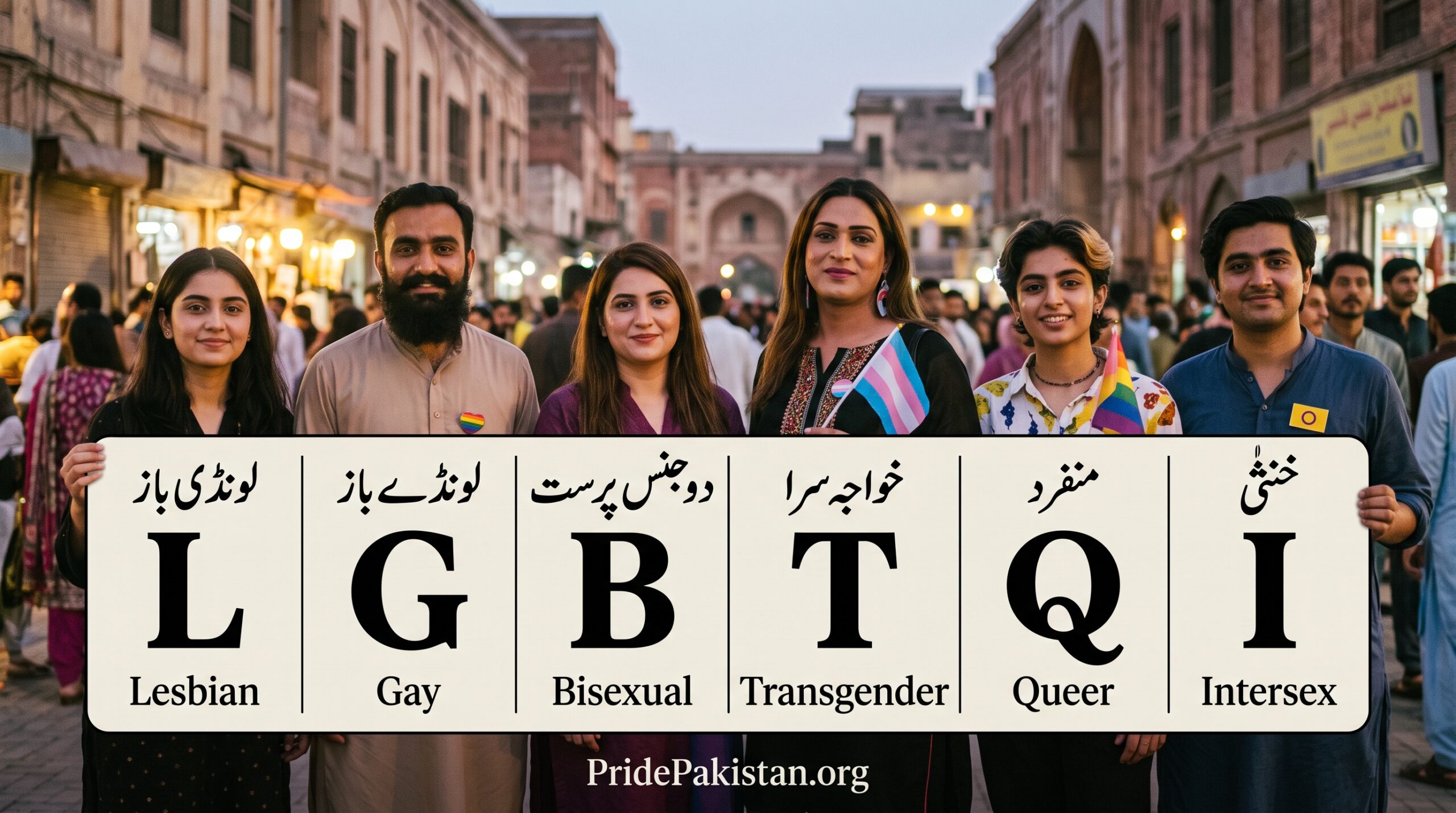
1. L – لونڈی باز (Lesbian)
اردو ترجمہ: لونڈی باز (لیزبین)
اردو میں وضاحت: اس سے مراد ایک ایسی عورت (یا غیر روایتی صنف کا حامل فرد) ہے جو جذباتی، رومانوی یا جنسی طور پر صرف دوسری خواتین کی طرف راغب ہوتی ہے۔ ہماری روایتی زبان میں ‘لونڈی’ کا لفظ تاریخی طور پر عورت یا لڑکی کے لیے استعمال ہوتا رہا ہے، اور یہ اصطلاح خواتین کے آپسی رومانوی و جنسی تعلق اور محبت کو بیان کرتی ہے۔
2. G – لونڈے باز (Gay)
اردو ترجمہ: لونڈے باز (گے)
اردو میں وضاحت: اس سے مراد ایک ایسا مرد ہے جو جذباتی، رومانوی یا جنسی طور پر اپنے ہی جیسے دوسرے مردوں میں دلچسپی رکھتا ہے اور ان کی طرف راغب ہوتا ہے۔ ہماری علاقائی اور روایتی تاریخ میں ‘لونڈا’ کا لفظ نوجوان مرد کے لیے استعمال ہوتا ہے، اور یہ اصطلاح مردوں کے آپسی رومانوی تعلقات اور ہم جنس پسندی کی عکاسی کرتی ہے۔
3. B – دو جنس پرست (Bisexual)
اردو ترجمہ: دو جنس پرست (بائی سیکسول)
اردو میں وضاحت: اس سے مراد ایک ایسا فرد ہے جو ایک سے زیادہ اصناف (مثلاً مرد اور عورت دونوں) کی طرف جذباتی، رومانوی یا جنسی کشش محسوس کرنے کی صلاحیت رکھتا ہو۔ ایسے افراد کا رومانوی تعلق یا جنسی رجحان کسی ایک مخصوص صنف تک محدود نہیں ہوتا۔
4. T – خواجہ سرا (Transgender)
اردو ترجمہ: خواجہ سرا (ٹرانس جینڈر)
اردو میں وضاحت: یہ لفظ ان افراد کی نمائندگی کرتا ہے جن کی سچی اور اندرونی صنفی پہچان (Gender Identity) ان کی پیدائش کے وقت طے کی گئی حیاتیاتی جنس سے مختلف ہوتی ہے۔ جنوبی ایشیا کی تاریخ میں ‘خواجہ سرا’ کی شناخت ایک باوقار اور جداگانہ ثقافتی مقام رکھتی ہے جو روایتی مرد و عورت کے دوہرے نظام سے الگ اپنی پہچان قائم کرتی ہے۔
5. Q – منفرد (Queer)
اردو ترجمہ: منفرد (کوئیر)
اردو میں وضاحت: اس سے مراد وہ تمام افراد ہیں جو معاشرے کے قائم کردہ سخت جنسی اور صنفی سانچوں یا روایتی اصولوں پر پورا نہیں اترتے۔ ‘منفرد’ کا لفظ ان تمام غیر روایتی پہچانوں، رویوں اور زندگی گزارنے کے اندازوں کا احاطہ کرتا ہے جو روایتی طرزِ زندگی سے مختلف اور آزاد ہوں۔
6. I – خنثٰی (Intersex)
اردو ترجمہ: خنثٰی (انٹرسیکس)
اردو میں وضاحت: یہ ایک فطری اور پیدائشی حالت کو بیان کرنے والی اصطلاح ہے۔ اس سے مراد وہ افراد ہیں جو ایسی جسمانی، کروموسومل، یا حیاتیاتی خصوصیات کے ساتھ پیدا ہوتے ہیں جو عام مردانہ یا زنانہ جسم کے معیاری طبی سانچوں کے مطابق بالکل واضح نہیں ہوتیں۔ یہ جسمانی تنوع کی ایک قدرتی شکل ہے۔
نتیجہ (Conclusion)
ان اصطلاحات کو ان کے اصل معنوں میں سمجھنا ہمیں یہ سکھاتا ہے کہ انسانی پہچان اور محبت کے رنگ لا محدود ہیں۔ جب ہم سائنسی، تاریخی اور مقامی زبان کے تناظر میں ان الفاظ کا استعمال کرتے ہیں، تو ہم ایک ایسے باوقار معاشرے کی بنیاد رکھتے ہیں جہاں ہر انسان کو بغیر کسی خوف کے زندگی گزارنے کا حق حاصل ہو۔
Call for Collaborators: Shaping Islam & LGBTQI+ Inclusivity 🌙🏳️🌈
At Pride Pakistan, we are expanding our educational resources to bridge the gap between faith, identity, and academic truth. We are seeking progressive, same-sex oriented (gay/homosexual) Imams, Islamic scholars, and religious researchers who speak English or Urdu to help us curate a comprehensive, scientifically and textually grounded Islam & LGBTQI+ FAQ and guidance section.
If you have a background in Islamic jurisprudence, theology, or history, and wish to help us build a safe, dignified, and academically rigorous space for queer Muslims, we want to hear from you. Your privacy and security are our absolute priorities, and all collaborations can be kept strictly confidential.
: شمولیت کا پیغام: اسلام اور ایل جی بی ٹی کیو آئی پلس رہنمائی کے لیے اشتراکِ عمل 🌙🏳️🌈
پرائیڈ پاکستان اپنے تعلیمی اور معلوماتی سیکشن کو وسعت دے رہا ہے تاکہ عقیدے اور جنسی پہچان کے درمیان موجود خلا کو علمی بنیادوں پر پُر کیا جا سکے۔ ہم ایسے ترقی پسند، ہم جنس پسند (گے) ائمہ مساجد، اسلامی اسکالرز اور مذہبی محققین کی تلاش میں ہیں جو انگریزی یا اردو بولتے ہوں اور اسلام اور ایل جی بی ٹی کیو آئی پلس کے حوالے سے ایک جامع معلوماتی گائیڈ (FAQs) تیار کرنے میں ہماری مدد کر سکیں۔
اگر آپ اسلامی فقہ، الہیات یا تاریخ کا پس منظر رکھتے ہیں اور کوئیر مسلمانوں کے لیے ایک محفوظ اور باوقار علمی مواد تیار کرنا چاہتے ہیں، تو ہم سے رابطہ کریں۔ آپ کا تحفظ اور رازداری ہماری اولین ترجیح ہے، اور تمام روابط کو مکمل طور پر خفیہ رکھا جا سکتا ہے۔
اسلام ۽ ايل جي بي ٽي ڪيو آءِ پلس بابت رهنمائي لاءِ مذهبي اسڪالرز سان رابطي جو سڏ 🌙🏳️🌈
پرائيڊ پاڪستان پنهنجي تعليمي سيڪشن کي وڌائي رهيو آهي ته جيئن عقيدي ۽ جنسي سڃاڻپ جي وچ ۾ موجود فاصلن کي علمي بنيادن تي ختم ڪري سگهجي. اسان کي اهڙن ترقي پسند، هم جنس پرست (گي) امامن، اسلامي اسڪالرز ۽ مذهبي محققن جي ڳولا آهي جيڪي انگريزي يا اردو ڳالهائيندڙ هجن ۽ اسلام ۽ ايل جي بي ٽي ڪيو آءِ پلس بابت هڪ جامع گائيڊ تيار ڪرڻ ۾ اسان جي مدد ڪن.
جيڪڏهن توهان اسلامي فقه يا تاريخ جو پس منظر رکو ٿا ۽ ڪوئير مسلمانن لاءِ هڪ محفوظ علمي مواد تيار ڪرڻ چاهيو ٿا، ته اسان سان رابطو ڪريو. توهان جي پرائيويسي ۽ سڪيورٽي اسان جي پهرين ترجيح آهي ۽ هي رابطو مڪمل طور تي خفيه رکيو ويندو.
د اسلام او ایل جي بي ټي کیو آئي پلس لارښود لپاره د مذهبي پوهانو سره د همکارۍ غږ 🌙🏳️🌈
پرایډ پاکستان خپل تعلیمي برخې ته پراختیا ورکوي ترڅو د عقیدې او جنسي هویت ترمنځ شتون لرونکي واټنونه په علمي توګه له منځه یوسي. موږ د داسې پرمختللو، همجنس پالو (ګې) د جوماتونو امامانو، اسلامي سکالرانو او مذهبي څیړونکو په لټه کې یو چې په انګلیسي یا اردو خبرې کولی شي او د اسلام او ایل جي بي ټي کیو آئي پلس په اړه د یو جامع لارښود په جوړولو کې راسره مرسته وکړي.
که تاسو په اسلامي فقه، الهیاتو یا تاریخ کې شالید لرئ او غواړئ د کوئیر مسلمانانو لپاره یو خوندي او باوقاره علمي مواد چمتو کړئ، نو له موږ سره اړیکه ونیسئ. ستاسو خوندیتوب او رازداري زموږ ترټولو لومړیتوب دی او دا همکاري په بشپړ ډول پټه ساتل کیدی شي.
Human intimacy is diverse, fluid, and deeply personal. Within the queer community, individuals establish specific roles, preferences, and boundary dynamics to navigate physical and emotional connections safely and consensually. Unfortunately, patriarchal systems often try to force these complex desires into rigid binaries, associating certain roles with dominance and others with weakness or shame.
At PridePakistan.org, we break down these physical dynamics using clear, non-judgmental terminology. Whether exploring traditional South Asian definitions or navigating modern global subcultures, understanding these concepts ensures that every individual can communicate their desires with dignity, clarity, and absolute consent.
اردو
انسانی قربت متنوع، لچکدار اور گہری ذاتی ہوتی ہے۔ کوئیر برادری کے اندر، افراد جسمانی اور جذباتی تعلقات کو محفوظ اور باہمی رضامندی سے چلانے کے لیے مخصوص کردار، ترجیحات اور حدود کا تعین کرتے ہیں۔ بدقسمتی سے، پدرشاہی نظام اکثر ان پیچیدہ خواہشات کو زبردستی روایتی سانچوں میں ڈھالنے کی کوشش کرتا ہے، جس میں کچھ کرداروں کو تسلط اور دوسروں کو کمزوری یا شرم سے جوڑ دیا جاتا ہے۔
پرائیڈ پاکستان میں ہم ان جسمانی حرکیات کو بغیر کسی تعصب کے واضح اصطلاحات کے ساتھ بیان کرتے ہیں۔ چاہے وہ جنوبی ایشیا کی روایتی تعریفیں ہوں یا جدید عالمی ثقافت، ان تصورات کو سمجھنا اس بات کو یقینی بناتا ہے کہ ہر انسان اپنی خواہشات کا اظہار وقار، وضوح اور مکمل رضامندی کے ساتھ کر سکے۔
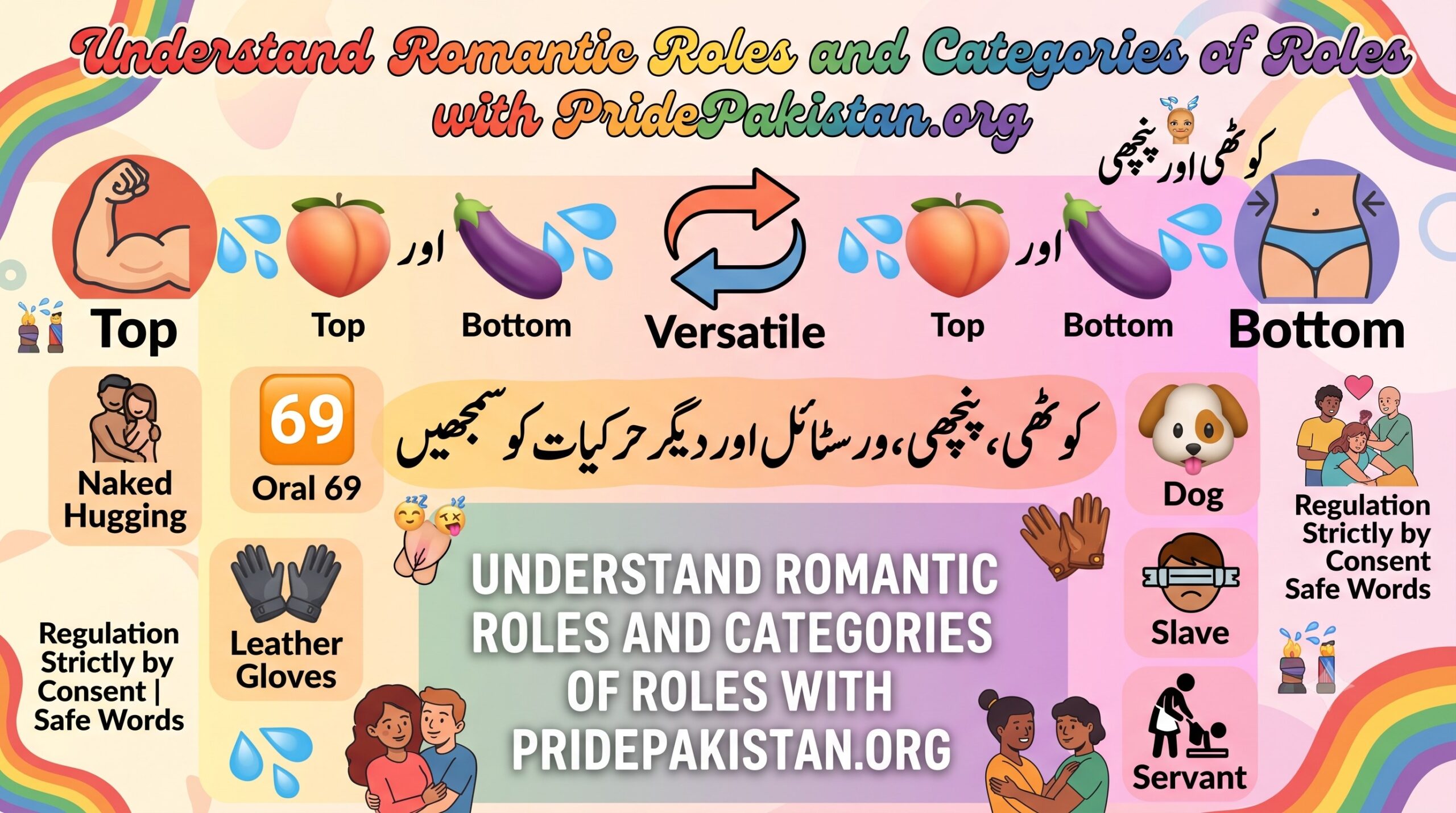
1. Traditional South Asian Roles / روایتی جنوبی ایشیائی کردار
Kothi & Panthi / کوٹھی اور پنچھی
English: Traditional, deeply rooted South Asian concepts defining behavioral and sexual roles. A Kothi generally expresses feminine traits and prefers a receptive, nurturing, or bottom role during physical intimacy. A Panthi embodies masculine presentation and typically takes the penetrative or top role. These historical terms validate gender variance and relational roles outside Western paradigms.
Urdu: یہ جنوبی ایشیا کے روایتی اور گہرے تصورات ہیں جو رویے اور جنسی کرداروں کی وضاحت کرتے ہیں۔ ‘کوٹھی’ عام طور پر نسوانی خصوصیات کا اظہار کرتا ہے اور جسمانی قربت کے دوران وصول کنندہ (باٹم) کے کردار کو ترجیح دیتا ہے۔ دوسری طرف، ‘پنچھی’ مردانہ اندازِ بیان کو اپناتا ہے اور عام طور پر دخول کرنے والے (ٹاپ) کا کردار ادا کرتا ہے۔ یہ تاریخی اصطلاحات مغربی نظام سے باہر صنف اور تعلقات کی توثیق کرتی ہیں۔
Chutu & Bundu / چُوتو اور بُنڈو
English: Derived directly from the regional anatomical terms Chuut and Bund, these words explicitly describe an individual who prefers or plays the bottom role during sexual intercourse, utilizing their rear for pleasure. While mainstream heterosexual digital spaces often weaponize these terms as street slurs, within the queer registry, they are accurate behavioral descriptors of sexual position preferences.
Urdu: یہ الفاظ براہِ راست مقامی اعضاء ‘چُھوت’ اور ‘بُنڈ’ سے ماخوذ ہیں اور واضح طور پر ایسے فرد کو بیان کرتے ہیں جو جنسی ملاپ کے دوران باٹم کے کردار کو ترجیح دیتا ہے یا خوشی کے لیے اس کا استعمال کرتا ہے۔ اگرچہ عام معاشرے کے ڈیجیٹل حلقوں میں ان الفاظ کو طعنوں کے طور پر استعمال کیا جاتا ہے، لیکن کوئیر ریکارڈ میں یہ جنسی پوزیشن کی ترجیحات کے درست عکاس ہیں۔
2. Global & Evolving Sexual Positions / عالمی اور جدید جنسی کردار
Top / ٹاپ
English: Globally defines the active or penetrative partner during sexual intercourse. It is crucial to decouple this role from biological anatomy: a transgender individual with male genitalia can comfortably play a top role, and similarly, a female or a wife in a straight or queer relationship can fulfill the top role (such as through pegging or structural dominance). Recently, many heterosexual men seeking quick sexual release on networking apps have also adopted this word to indicate they are strictly present to penetrate and satisfy themselves without emotional reciprocity.
Urdu: عالمی سطح پر اس سے مراد جنسی ملاپ کے دوران سرگرم یا دخول کرنے والا ساتھی ہے۔ اس کردار کو حیاتیاتی اعضاء سے الگ کر کے دیکھنا انتہائی ضروری ہے، مثال کے طور پر، مردانہ اعضاء رکھنے والا ایک ٹرانس جینڈر فرد آسانی سے ٹاپ کا کردار ادا کر سکتا ہے، اور اسی طرح، کسی سیدھے یا کوئیر تعلقات میں ایک عورت یا بیوی بھی ٹاپ کا کردار ادا کر سکتی ہے۔ حال ہی میں، بہت سے سیدھے مردوں نے بھی نیٹ ورکنگ ایپس پر فوری جنسی تسکین کے لیے اس لفظ کو اپنانا شروع کر دیا ہے تاکہ یہ ظاہر کیا جا سکے کہ وہ جذباتی تعلق کے بغیر صرف اپنی تسکین کے لیے سرگرم کردار ادا کرنے آئے ہیں۔
Bottom / باٹم
English: Defines the receptive partner during physical intimacy. This role is rooted entirely in physical and emotional comfort, involving receiving penetration or focusing on receptive pleasure. It carries zero correlation to submissiveness in everyday life, as an individual can be highly powerful socially while preferring a bottom role intimately.
Urdu: اس سے مراد جسمانی قربت کے دوران وصول کنندہ ساتھی ہے۔ یہ کردار مکمل طور پر جسمانی اور جذباتی سکون پر مبنی ہوتا ہے، جس میں دخول قبول کرنا یا جنسی لذت حاصل کرنا شامل ہے۔ اس کا روزمرہ کی زندگی میں عاجزی یا کمتری سے کوئی تعلق نہیں ہے، کیونکہ ایک شخص سماجی طور پر انتہائی طاقتور ہو سکتا ہے جبکہ نجی زندگی میں باٹم کردار کو ترجیح دیتا ہو۔
Versatile / ورسٹائل
English: Describes an individual who enjoys, adapts to, and engages in both top and bottom roles depending on the partner, context, mood, or emotional connection. It represents flexibility and the rejection of rigid positional binaries.
Urdu: یہ ایسے فرد کو ظاہر کرتا ہے جو اپنے ساتھی، ماحول، مزاج یا جذباتی تعلق کے لحاظ سے ٹاپ اور باٹم دونوں کرداروں سے لطف اندوز ہوتا ہے اور انہیں اپناتا ہے۔ یہ لچک اور جنسی پوزیشنوں کے سخت سانچوں کو مسترد کرنے کی علامت ہے۔
3. Spectrums of Romance & Non-Penetrative Intimacy / رومانس اور غیر دخولی قربت کے درجات
Intimacy is not limited to intercourse. For different people, physical and romantic connections exist at distinct levels:
Naked Hugging / صرف برہنہ گلے ملنا: Individuals who find profound emotional and physical validation simply by holding each other close, skin-to-skin, without progressing to genital friction.
Urdu: وہ افراد جو بغیر کسی جنسی ملاپ کے، صرف ایک دوسرے کو برہنہ حالت میں گلے لگا کر اور جلد سے جلد چھو کر گہرا جذباتی اور جسمانی سکون حاصل کرتے ہیں۔
Oral Body Love / صرف زبانی جسمانی محبت: Focuses on full-body kissing, caressing, massaging, and using the lips and tongue across non-genital parts of the partner’s anatomy to express deep affection.
Urdu: گہری محبت کے اظہار کے لیے اعضاءِ تناسل کے علاوہ پارٹنر کے پورے جسم کو چومنے، مساج کرنے اور ہونٹوں اور زبان کے استعمال پر توجہ مرکوز کرنا۔
Oral & Genital Sucking (69) / زبانی جنسی ملاپ اور چوسنا: Engaging in oral stimulation of the genitals, either sequentially or simultaneously through the classic structural position known globally as sixty-nine, maximizing mutual erotic pleasure without penetration.
Urdu: اعضاءِ تناسل کو زبان اور منہ کے ذریعے متحرک کرنا، چاہے وہ باری باری ہو یا ایک ہی وقت میں ایک مخصوص پوزیشن کے ذریعے کیا جائے جس میں دونوں ساتھی بیک وقت ایک دوسرے کو زبانی لذت فراہم کرتے ہیں۔
4. Global Fetish & BDSM Concepts / عالمی فیش اور بی ڈی ایس ایم تصورات
For Pakistani LGBTQI+ community members navigating platforms like Grindr without prior exposure to global queer spaces, terms surrounding fetishes and BDSM can feel overwhelming. Here is a clear breakdown:
Fetish / فیش
English: An intense sexual attraction to a specific non-living object, a specific body part (such as feet), or a highly particular scenario. Fetishes are healthy expressions of adult desire. Some individuals prefer Outdoor Fetishes (engaging in intimacy in semi-public or natural settings for the thrill of vulnerability), while others engage in Group Fetishes (sharing erotic spaces with multiple consensual partners to break isolation).
Urdu: کسی مخصوص بے جان چیز، جسم کے کسی خاص حصے (جیسے پاؤں)، یا کسی خاص منظر نامے کی طرف شدید جنسی کشش محسوس کرنا۔ یہ بالغ افراد کی خواہشات کا ایک عام اظہار ہے۔ کچھ لوگ بیرونی مقامات پر جنسی عمل کو ترجیح دیتے ہیں (جیسے کسی قدرتی ماحول میں قربت حاصل کرنا)، جبکہ کچھ لوگ اجتماعی شکل میں اس کا تجربہ کرتے ہیں (جہاں متعدد رضامند ساتھی ایک ساتھ جنسی عمل کا حصہ بنتے ہیں)۔
BDSM Overview / بی ڈی ایس ایم کا جائزہ
English: An acronym standing for Bondage & Discipline, Dominance & Submission, Sadism & Masochism. It revolves entirely around structured, pre-negotiated boundaries, strict consent, and safe words. It is an exploration of power dynamics, trust, and physical sensations.
Urdu: یہ اصطلاح مختلف جنسی ترجیحات کا مجموعہ ہے جس میں رسیوں سے باندھنا، نظم و ضبط، تسلط قائم کرنا، دوسرے کے سامنے ہتھیار ڈالنا، اور جسمانی یا جذباتی احساسات کے ذریعے لذت حاصل کرنا شامل ہے۔ یہ مکمل طور پر پہلے سے طے شدہ حدود، سخت رضامندی اور حفاظتی الفاظ کے گرد گھومتا ہے، جہاں طاقت اور اعتماد کا تجربہ کیا جاتا ہے۔
Sub-Identity Terms: Slave, Dog, and Servant / غلام، کتا اور نوکر
English: Within BDSM subcultures, these words do not mean literal human rights abuses or forced labor. They are psychological roles adopted voluntarily during consensual roleplay. A Slave or Servant willingly gives up control to a dominant partner for erotic pleasure, serving their desires inside a safe boundaries framework. A Dog roleplay refers to puppy play, where an individual finds comfort, stress-relief, and erotic satisfaction by adopting the submissive, playful traits of an animal.
Urdu: ان اصطلاحات کا مطلب حقیقی انسانی حقوق کی خلاف ورزی یا زبردستی مزدوری نہیں ہے۔ یہ نفسیاتی کردار ہیں جو باہمی رضامندی سے کھیل کے دوران اپنائے جاتے ہیں۔ ایک ‘غلام’ یا ‘نوکر’ جنسی لذت کے لیے رضاکارانہ طور پر اپنا کنٹرول ایک غالب ساتھی کے حوالے کر دیتا ہے۔ ‘کتا’ یا جانور کا کردار اپنانے سے مراد وہ کھیل ہے جہاں ایک فرد کسی وفادار جانور کی خصوصیات اپنا کر ذہنی سکون، تناؤ سے نجات اور جنسی تسکین حاصل کرتا ہے۔
Latex / لیٹیکس
English: A specific fetish involving wearing skin-tight clothing made of rubber or latex material. It provides an intense tactile sensation, restricts the skin, and creates a visual aesthetic of absolute containment, highly popular in global queer leather and fetish communities.
Urdu: یہ ایک مخصوص لباس کا شوق ہے جس میں ربڑ یا چمکیلے مادے سے بنے ہوئے چست کپڑے پہنے جاتے ہیں۔ یہ جسم کو ایک خاص لمس فراہم کرتا ہے، جلد کو جکڑتا ہے، اور عالمی کوئیر برادری میں جنسی تسکین کے ایک خاص انداز کے طور پر مقبول ہے۔
Practical Context Examples / عملی زندگی سے مثالیں
Context 1: Deconstructing “Top” and Anatomy
English Misconception: Online users assume: “If a trans woman has male parts, she must act as a man in bed.”
Pride Pakistan Correction: Identity does not dictate sexual positioning. A trans woman can play a top role while remaining entirely a woman, just as a cisgender straight woman can take the active top position with her husband.
Urdu Example: عام طور پر لوگ سمجھتے ہیں کہ اگر کوئی ٹرانس خاتون مردانہ اعضاء رکھتی ہے تو وہ جنسی عمل میں مرد کا ہی کردار ادا کرے گی۔ لیکن ہم واضح کرتے ہیں کہ پہچان جنسی پوزیشن کا تعین نہیں کرتی۔ ایک ٹرانس خاتون مکمل طور پر عورت رہتے ہوئے بھی ٹاپ کا کردار ادا کر سکتی ہے، بالکل ویسے ہی جیسے ایک عام سیدھی عورت اپنے شوہر کے ساتھ سرگرم کردار ادا کر سکتی ہے۔
English Misconception: A new user sees “Looking for a sub slave” on an app and worries it refers to human trafficking.
Pride Pakistan Correction: Within the digital queer framework, this is a call for a consensual, submissive partner interested in power-play roleplay, regulated strictly by safe words.
Urdu Example: جب کوئی نیا صارف کسی ایپ پر یہ دیکھتا ہے کہ کسی کو ‘غلام ساتھی’ کی تلاش ہے، تو وہ پریشان ہو سکتا ہے کہ یہ کوئی جرم ہے۔ لیکن ہم واضح کرتے ہیں کہ کوئیر نیٹ ورک کے اندر اس سے مراد ایک ایسا رضامند ساتھی ہے جو کھیل کے طور پر کچھ وقت کے لیے اپنا کنٹرول دوسرے کو دینے میں جنسی دلچسپی رکھتا ہو۔
A Critical Journalism Initiative by Asian Dispatch
We extend our deepest gratitude and professional credit to Asian Dispatch, a premier independent journalistic platform dedicated to uncovering overlooked human rights narratives across Asia. Their team has produced a groundbreaking, deeply necessary video investigative series exploring the destructive legacy of colonial-era laws, specifically Section 377. By providing a platform for raw, uncensored testimonies, Asian Dispatch has highlighted the systemic challenges faced by marginalized communities in South Asia, breaking international silences on structural oppression.
At PridePakistan.org, our mission has always been to document the real, unvarnished pain of our community and challenge state-sponsored erasure with hard evidence. In this vital collaboration, our founder, Ali Raza Khan, alongside community members like Sumair, stepped forward to outline how colonial legal frameworks have evolved into modern systems of digital terrorism, illegal extortion, and forced institutionalization.
Video Transcript & Accessibility Hub
For differently-abled individuals, visually impaired community members using screen readers, or those unable to view the video content, we have provided the full, verbatim text script below.
Narrator / Text on Screen: That’s a clip from the 2022 Pakistani film Joyland. The film explores the issues of gender and sexuality in Pakistan—subjects that are still considered taboo. It depicts the societal discrimination that the queer community faces on a daily basis in the country. The film was initially banned for showing “objectionable content” but was eventually passed with cuts. What was shown on the big screen is the reality of the queer community in Pakistan.
Ali Raza Khan, an activist who works to support the LGBTQ+ community in Pakistan, says that before Section 377, queer love and gender diversity existed openly in the country’s cultural and spiritual traditions.
Ali Raza Khan: “Before the British arrived with their penal codes, our society deeply understood and accepted homosexual love as a valid emotional and spiritual reality. Look at the famous 16th-century Sufi poet Shah Hussain and his male lover Madhu Lal. Two men whose deep devotional and romantic bond was so celebrated that they are buried together in a single shrine in Lahore. Look at Bulleh Shah, who broke all gender norms, writing intense poetry of same-sex longing. Colonial rule destroyed this understanding.”
Narrator / Text on Screen: Under British rule, Section 377 criminalized same-sex relations and its legacy continued shaping public morality and social attitudes in Pakistan even after independence. But the impact of Section 377 goes beyond the law itself. Ali says digital surveillance, censorship, and police crackdowns have pushed queer communities away from public spaces.
Ali Raza Khan: “The modern state digital censorship apparatus did not stop at blocking pornographic websites; they systematically expanded their plan to target dating applications and more recently clamped down heavily on VPN services to completely cut off our community’s access to the outside world. State authorities maintain an active, malicious presence directly inside gay community platforms, hiding behind fake profiles exclusively to entrap, stalk, and target gay individuals.”
Narrator / Text on Screen: Ali says that the authorities often rely on morality laws to arrest individuals.
Ali Raza Khan: “This crackdown doesn’t just hit large organized networks like Naz; authorities actively hunt down all independent groups and private individuals attempting to coordinate underground gatherings across Pakistan. Take the horrific, definitive example of Preetum Giani in Abbottabad. He attempted to legally register an indoor safe space and a gay club—an act that violated no written statute. Yet, the state authorities arrested him and forcefully committed him to a mental health asylum in Peshawar.”
Narrator / Text on Screen: In 2024, 75-year-old Giani was arrested and sent to a mental asylum. His whereabouts remain unknown. For many queer Pakistanis, this fear exists not just in law or online spaces, but even inside their homes and workplaces. Sumair, a queer person from Karachi, says everyday life itself becomes a struggle.
Sumair: “LGBTQI+ people face teasing, insults, harassment, and sometimes physical violence. People judge them because of their appearance and identity. At home, family members often taunt them, emotionally harass them, and even tell them to leave the house—they make them feel like they do not belong. Many people also connect LGBTQI+ identity with religion in a negative way and say it is wrong in Islam.”
Narrator / Text on Screen: Sumair also highlights the lack of legal and institutional support for the community in the country, which leaves them vulnerable to abuse and exploitation. However, community-led organizations work silently and in hiding to create support systems, especially around mental health.
Sumair: “I connected with a local organization. He is making a safe space and working… first of all on mental health because all LGBTQI+ people are suffering from mental health situations like trauma, stress, and emotional struggling. They have therapists and they arrange many sessions about mental health, and I am a part of this organization and these mental health trainings also.”
Narrator / Text on Screen: But even within the broader queer movement, divisions remain. Ali says transgender groups are often forced to publicly distance themselves from the larger LGBTQ+ spectrum for survival.
Ali Raza Khan: “If transgender activists publicly associate with gay, lesbian, and bisexual groups, their own fragile legal protections are completely stripped away by the right-wing extremists. They are forced to refuse any public association with the broader spectrum purely as a desperate survival tactic. This state-crafted polarization has made it impossible for intersectional leaders to survive.”
Narrator / Text on Screen: Several other organizations that Asian Dispatch spoke to relayed this fear. And despite criminalization, censorship, violence, and isolation, queer Pakistanis continue to search for dignity, community, and the right to exist freely.
Sumair: “I want at least basic human rights for everyone. Every person deserves the right to live safely and with dignity.”
Watch the Full Investigation
To see the full visual reporting, analytical graphics, and cinematic presentation prepared by the Asian Dispatch team, watch the official release here:
For generations, state narratives and cultural conditioning have attempted to relegate sexual and gender minorities in Pakistan to complete oblivion. When numbers are spoken about, they are either severely understated by state figures or blown out of proportion by internet rumors. At PridePakistan.org, we believe that real data is the ultimate shield against erasure and stigma.
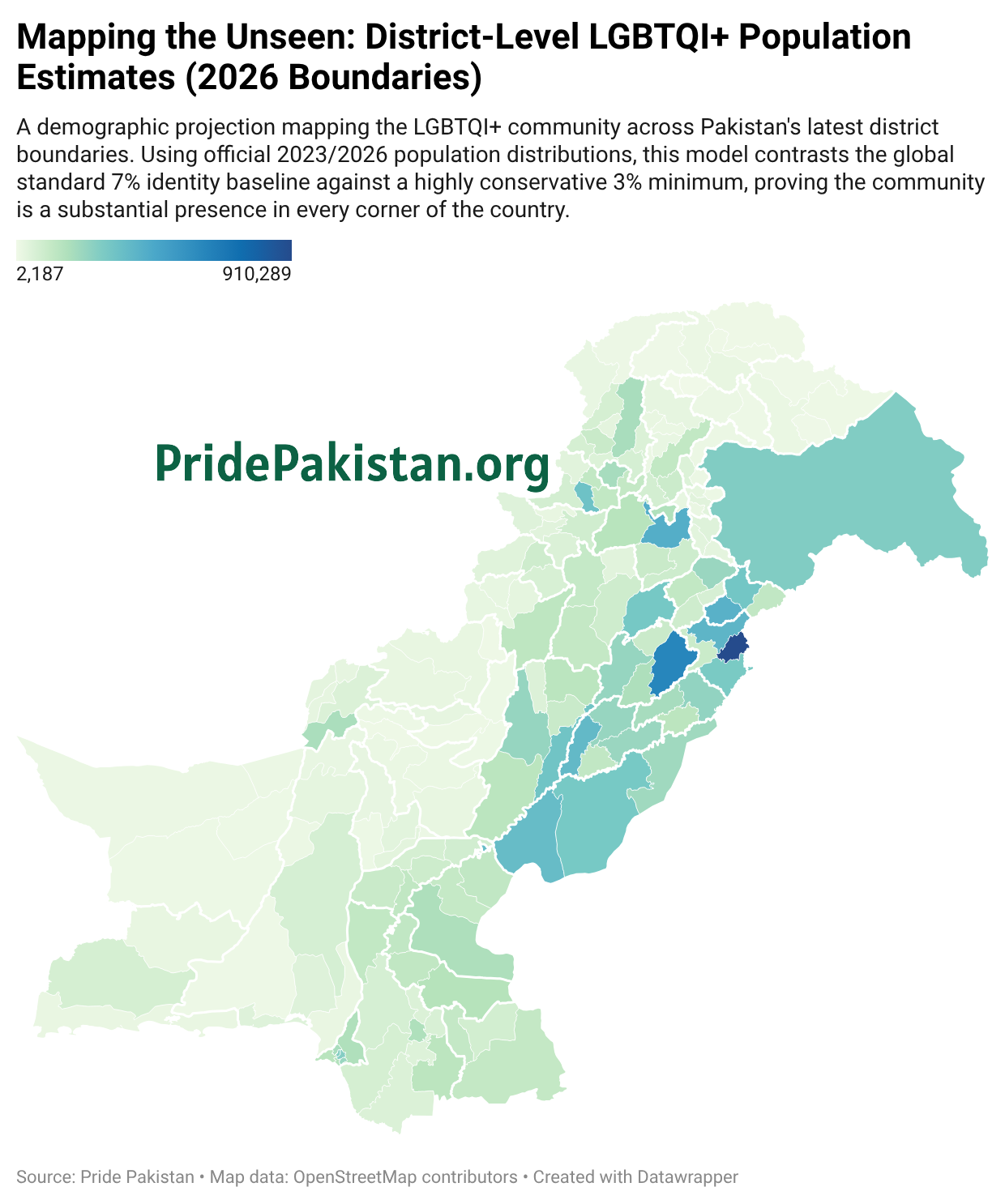
By utilizing our newly structured demographic projection model—anchored upon a standard, scientifically validated 7% population multiplier and a conservative 3% public health floor—we have successfully mapped out our community across all regions. Below is the full, comprehensive territorial distribution tracking the millions of queer individuals living across every corner of Pakistan.
Regional Breakdown & District Registries Included in Our Data
To ensure absolute structural accuracy, our dataset maps the community across every administrative zone based on Pakistan’s latest 2026 administrative boundaries. Every single district and territory is actively mapped within our data network.
1. Punjab Province
Punjab holds the largest share of the nationwide demographic distribution. Major urban centers like Lahore, Faisalabad, Rawalpindi, Multan, and Gujranwala house hundreds of thousands of queer individuals. Our data covers every administrative layout, including:
Attock, Bahawalnagar, Bahawalpur, Bhakkar, Chakwal, Chiniot, Dera Ghazi Khan, Faisalabad, Gujranwala, Gujrat, Hafizabad, Jhang, Jhelum, Kasur, Khanewal, Khushab, Kot Addu, Lahore, Layyah, Lodhran, Mandi Bahauddin, Mianwali, Multan, Muzaffargarh, Murree, Narowal, Nankana Sahib, Okara, Pakpattan, Rahim Yar Khan, Rajanpur, Rawalpindi, Sahiwal, Sargodha, Sheikhupura, Sialkot, Talagang, Toba Tek Singh, Taunsa, Vehari, and Wazirabad.
2. Sindh Province
In Sindh, the metropolitan density of Karachi presents the most substantial regional concentration of the community across its diverse municipal districts. Along with key cities like Hyderabad and Sukkur, the mapped registry includes:
From the provincial capital of Peshawar to the northern valley networks like Swat and Mardan, our data encompasses the entire trans-and-queer topography of the region, including all newly integrated tribal subdivisions:
Abbottabad, Bannu, Batagram, Buner, Charsadda, Central Dir, Dera Ismail Khan, Hangu, Haripur, Karak, Kohat, Lakki Marwat, Lower Dir, Malakand, Mansehra, Mardan, Nowshera, Peshawar, Shangla, Swabi, Swat, Tank, Upper Dir, Torghar, Khyber, Mohmand, Bajaur, Kurram, Orakzai, North Waziristan, Lower South Waziristan, Upper South Waziristan, Lower Chitral, Upper Chitral, Upper Kohistan, Lower Kohistan, and Kolai Palas Kohistan.
4. Balochistan Province
Balochistan’s vast geography is mapped completely, tracking populations from the provincial hub of Quetta to coastal spaces like Gwadar and Kech:
Our interactive matrix maps the Islamabad Capital Territory (ICT) as a distinct entity, alongside the complete territorial boundaries of Azad Jammu & Kashmir (AJK) and Gilgit-Baltistan (GB), ensuring no region is left blank:
Islamabad, Gilgit, Skardu, Diamer, Ghizer, Astore, Hunza, Nagar, Shigar, Kharmang, Ghanche, Darel, Gupis-Yasin, Tangir, Muzaffarabad, Mirpur, Bhimber, Kotli, Poonch, Bagh, Sudhnati, Neelum, Haveli, Hattian Bala, Jhelum Valley, and Kashmir.
Conclusion
By viewing the interactive map on our platform, researchers and community members can see the quantitative truth of our existence. We are a massive, vibrant element of every single district in Pakistan, hidden only by the necessity for safety.
تعارف: اب کوئی پوشیدہ نہیں
نسلوں سے، ریاستی بیانیے اور سماجی تعصبات نے پاکستان میں جنسی اور صنفی اقلیتوں کو مکمل طور پر نظر انداز کرنے کی کوشش کی ہے۔ جب بھی اعداد و شمار کی بات کی جاتی ہے، تو یا تو ریاستی اداروں کی طرف سے انہیں انتہائی کم دکھایا جاتا ہے یا پھر انٹرنیٹ پر افواہوں کے ذریعے مسخ کیا جاتا ہے۔ PridePakistan.org پر ہمارا ماننا ہے کہ حقیقی ڈیٹا ہی مٹائے جانے اور تعصب کے خلاف ہمارا سب سے بڑا ہتھیار ہے۔
اپنے نئے سائنسی ماڈل (7% معیاری شرح اور 3% کم ترین پبلک ہیلتھ بیس لائن) کے ذریعے، ہم نے پاکستان کے تمام خطوں کا تفصیلی نقشہ تیار کیا ہے۔ ذیل میں پاکستان کے ہر کونے میں رہنے والے لاکھوں کوئیر افراد کے اعداد و شمار کا مکمل علاقائی جائزہ پیش کیا گیا ہے۔
علاقائی جائزہ اور ضلعی فہرستیں
مکمل سائنسی درستگی کو یقینی بنانے کے لیے، ہمارے ڈیٹا میں پاکستان کی جدید ترین 2026 کی ضلعی حدود کے مطابق ہر خطے کو شامل کیا گیا ہے۔ ہمارے ڈیٹا نیٹ ورک میں ایک بھی ضلع یا علاقہ چھٹ چھوٹ نہیں پایا۔
۔ صوبہ پنجاب
ملک بھر میں آبادی کی تقسیم کے لحاظ سے پنجاب کا حصہ سب سے بڑا ہے۔ لاہور، فیصل آباد، راولپنڈی، ملتان، اور گوجرانوالہ جیسے بڑے شہری مراکز میں لاکھوں کوئیر افراد رہائش پذیر ہیں۔ ہماری ضلعی فہرست میں یہ تمام اضلاع شامل ہیں:
ہماری ویب سائٹ پر لائیو نقشہ دیکھ کر آپ خود حقیقت کا اندازہ لگا سکتے ہیں۔ ہم پاکستان کے ہر ایک ضلع کا حصہ ہیں، اور ہماری موجودگی کو کوئی جھٹلا نہیں سکتا۔
Explore the Live Interactive Map
Our data maps the community across all four provinces, the federal capital, and regional territories. Hover over your district below to see the standard demographic estimates and conservative baseline ranges of our community members living there.
When analyzing the LGBT population in Pakistan, a deep informational vacuum exists. Because official state trackers like the Pakistan Bureau of Statistics (PBS) restrict gender non-conforming variables strictly to a minimal tracking of the transgender community, finding reliable statistics on sexual orientation and gender identity can be extremely difficult. This lack of data often leads to intense online speculation, myths, or exaggerated rumors.
Following rigorous demographic tracking and standard public health estimation methods, PridePakistan.org has developed the first comprehensive, district-by-district population projection model for the country. This study moves away from internet rumors and utilizes proven scientific frameworks to look at the real numbers.
The Science: Is This Data Scientifically Verifiable?
In public health and sociology, when actual national census data on marginalized or criminalized communities is missing, demographers rely on statistical extrapolation.
The 7% Standard Identity Baseline
Decades of independent, comprehensive demographic peer-reviewed research conducted across diverse continents—compiled by institutions like the Kinsey Institute and the Williams Institute—consistently reveal that sexual and gender minorities safely constitute between 5% to 10% of any given human population. This range remains stable regardless of local geographic boundaries, governance structures, or social systems.
To create our model, PridePakistan.org applied a standard, realistic 7% demographic multiplier to Pakistan’s total 2023 National Digital Census population (which stands at approximately 241.5 million people). This yields a scientifically defensible national baseline estimate of 16.9 million LGBTQI+ individuals across the country.
The 3% Conservative Minimum Range
To account for absolute mathematical caution and handle skeptics, our dataset concurrently provides a 3% absolute minimum baseline. Even at this exceptionally narrow margin, the statistics demonstrate that queer individuals constitute a substantial and undeniable percentage of every administrative block in the country.
National and Provincial Population Breakdown
Based on the 7% standard identity multiplier and the 3% conservative threshold applied directly to the latest state data, here is the official breakdown of the estimated LGBTQI+ population by administrative zone:
Province / Territory
Official 2023 Census Population
Estimated LGBTQI+ Population (7% Standard)
Conservative Minimum Range (3% Floor)
Punjab
127,688,922
8,938,224
3,830,667
Sindh
55,696,147
3,898,730
1,670,884
Khyber Pakhtunkhwa
40,856,097
2,859,926
1,225,682
Balochistan
14,894,402
1,042,608
446,832
Islamabad Capital Territory
2,363,863
165,470
70,915
Azad Jammu & Kashmir (AJK)
~4,000,000
280,000
120,000
Gilgit-Baltistan (GB)
~1,500,000
105,000
45,000
TOTAL NATIONWIDE ESTIMATE
~249,500,000
~17,289,958
~7,410,000
Why This Data Matters
In an environment where state policy enforces invisibility, recording our own history is a necessity. This project proves that queer individuals are not an isolated anomaly or a tiny fringe element; they are millions of citizens living across every province, federal territory, and rural union council in Pakistan.
By grounding these numbers in clear, international demographic formulas rather than social media speculation, this dataset serves as a resource for human rights defenders, researchers, and public health advocates working toward safe, inclusive futures.
Explore the Live Interactive Map
Our data maps the community across all four provinces, the federal capital, and regional territories. Hover over your district below to see the standard demographic estimates and conservative baseline ranges of our community members living there
اپنی آواز بلند کریں: پرائیڈ پاکستان کہانی جمع کروانے کا عمل
Every journey is a testament to resilience. In a society where our voices are often silenced, sharing your story is an act of courage. PridePakistan.org is launching a dedicated initiative to archive the lived experiences of the gay, lesbian, and queer community in Pakistan.
ہماری کمیونٹی کا ہر فرد ہمت اور بہادری کی ایک زندہ مثال ہے۔ ایک ایسے معاشرے میں جہاں ہماری آوازوں کو دبایا جاتا ہے، اپنی کہانی بیان کرنا دراصل ایک انقلابی قدم ہے۔ پرائیڈ پاکستان نے ایک خاص مہم کا آغاز کیا ہے تاکہ پاکستان میں موجود ہم جنسی پرست اور کوئیر کمیونٹی کے حقیقی تجربات کو محفوظ کیا جا سکے۔
Why Share Your Story? / کہانی کیوں شیئر کریں؟
Your story can be a lifeline for someone else. Whether it is a story of struggle, a moment of joy, or a reflection on daily life, your words help build a community where no one feels truly alone.
آپ کی کہانی کسی دوسرے کے لیے جینے کی امید بن سکتی ہے۔ چاہے وہ جدوجہد کی داستان ہو، خوشی کا کوئی لمحہ ہو، یا روزمرہ کی زندگی کا کوئی واقعہ، آپ کے الفاظ ایک ایسی کمیونٹی بنانے میں مدد کرتے ہیں جہاں کوئی بھی خود کو تنہا محسوس نہ کرے۔
How to Submit / جمع کروانے کا طریقہ
We have made the process simple and safe. You can submit your story through our secure Google Form:
ہم نے اس عمل کو سادہ اور محفوظ بنایا ہے۔ آپ اپنی کہانی ہمارے محفوظ گوگل فارم کے ذریعے بھیج سکتے ہیں:
For those looking at Pakistan from the outside, the LGBTQI+ community is often seen as a single, unified front fighting against a common wall of state-sanctioned discrimination. But the reality inside the community is far more complex and, at times, heartbreaking.
As an organization, PridePakistan.org has witnessed a growing and dangerous trend: the internalizing of state-sponsored hate. The constant pressure from the state, religious authorities, and social stigma has created a “pressure cooker” effect where community members, driven by trauma and a desperate need for social survival, begin to use their energy against one another.
1. The “Divide and Rule” of the Federal Shariat Court
The most prominent example of this internal fracture occurred during the 2023 Federal Shariat Court (FSC) challenge against the Transgender Persons (Protection of Rights) Act of 2018.
In a shocking turn of events, it was not just conservative religious clerics leading the charge ; it was certain factions of the transgender community itself. These groups argued that the law’s provision for “self-perceived identity” was “un-Islamic.” By advocating for a definition of transgender identity rooted strictly in biological “intersex” conditions, they effectively threw their own community members, those who transitioned socially or medically under the bus.
This was a calculated move for social survival. By aligning themselves with the “Islamic” definition of identity, these groups sought to gain state legitimacy at the expense of others, successfully convincing the court that their peers were “imposters.”
2. “Trans is Islamic, Gay is Not”: The War on Sexual Orientation
Perhaps the most damaging conflict is the growing hostility from some transgender groups toward the gay and lesbian community. In a bid to be accepted by mainstream Pakistani society, many trans activists have begun to publicly distance themselves from “gay rights.”
We frequently see online rhetoric claiming: “Being transgender is a medical condition recognized by Islam, but being gay is a sin prohibited by the Quran.” This narrative is a survival tactic, but it is a deadly one. It validates the state’s persecution of gay and lesbian people while falsely promising “safety” to the transgender community. In reality, it only weakens the collective voice of all gender and sexual minorities, allowing the state to dismantle our rights piece by piece.
3. The Invisibility of Trans Men
Within the gender-diverse movement, space is not shared equally. While trans women (often associated with the historical Khwaja Sira culture) have achieved some level of public visibility, appearing in films, media, and even government roles, trans men remain almost entirely invisible.
Trans men in Pakistan face a double burden. Because they are often assigned female at birth (AFAB), they are subjected to the extreme restrictions placed on women in Pakistani society, including “honor”-based surveillance and limited mobility. Within the LGBTQI+ movement, they are often sidelined. Trans women’s organizations frequently fail to include the unique needs of trans men in their advocacy, leaving them without a guru system, without a community, and without a voice.
4. Mental Health: The Root of the Conflict
Why is this happening? It is not because our community is “hateful.” It is because of Internalized Stigma and Religious Trauma.
When you are told from birth that your existence is “black magic,” a “spiritual disease,” or an “affront to God,” you develop a deep-seated need to prove you are “one of the good ones.” This leads to:
Horizontal Hostility: Attacking those within your community who are “more different” than you to appear more “normal” to the state.
Trauma-Induced Aggression: When mental health support is unavailable and you are forced into “conversion” sessions, that suppressed anger often manifests as hate toward your peers.
At Pride Pakistan, we believe that no one is free until we are all free. Using our energy to fight each other only does the state’s work for them. We must recognize that the “Islamic vs. Un-Islamic” debate is a trap designed to divide us.
We call for a community that:
Centers Trans Men: Recognizing that visibility is a right, not a privilege for one group.
Rejects the “Gay vs. Trans” Divide: Understanding that our struggles are linked by the same systemic oppression.
Prioritizes Healing: Moving away from religious shaming and toward affirmative, secular support.
Our survival depends on unity. If we continue to tear each other down to satisfy a state that wants us all gone, we will have no one left to stand with.
نوٹ: یہ تحریر بی بی سی اردو سے لی گئی ہے۔ مکمل اور اصل مضمون پڑھنے کے لیے بی بی سی اردو کی ویب سائٹ پر جائیں
پاکستان میں ہم جنس پرست زیر زمین منظم ہو رہے ہیں اور ان کے باقاعدگی سے اجتماعات بھی منعقد ہوتے ہیں۔ ہم جنس پرستوں کے بیرون ملک تنظیموں سے بھی روابط ہیں جس سے ایسا محسوس ہوتا ہے کہ ملک میں ہم جنس پرستوں کی تحریک خاموشی سے مگر منظم طریقے سے آگے بڑھ رہی ہے۔
پڑوسی ملک بھارت میں ہم جنس پرستوں کے تعلقات کو قانونی حیثیت ملنے کے بعد پاکستان میں بڑھتی ہوئی مذہبی انتہا پسندی کے باوجود ہم جنس پرستوں کو بھی حوصلہ ملا ہے۔
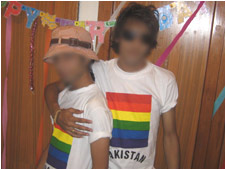
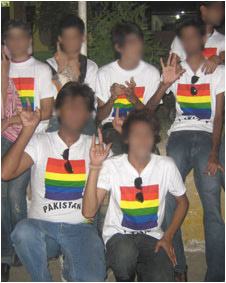
اس کی مثال گزشتہ دنوں کراچی میں ہم جنس پرستوں کی مصروف ترین شاہراہ فیصل پر پریڈ تھی۔ ہم جنس پرستی کی نشانی والی آٹھ رنگوں کی ٹی شرٹس پہنے ہوئے ان نوجوانوں کی عام لوگ تو شناخت نہیں کرسکے مگر وہ لوگ جو انھیں سمجھتے ہیں یا ان کے قریب رہتے ہیں، انھیں دیکھ کر فتح کا نشان بناتے رہے۔
ہم جنس پرستوں نے سوشل نیٹ ورکنگ کی ویب سائٹس پر اپنے گروپس بنائے ہیں جن کے کئی سو ممبران ہیں
پریڈ میں شریک نوجوان ڈیوڈ کا کہنا ہے کہ پاکستان حکومت نے تردید کی تھی کہ ملک میں ہم جنس پرست نام کی کوئی چیز نہیں ہے۔ اس پریڈ کی ایک بنیادی وجہ یہ بھی تھی کہ حکومت کو بتایا جائے ہم موجود ہیں اور ہمیں تسلیم کیا جائے۔
ان کے ساتھی تحسین کا کہنا تھا ’اس پریڈ سے پہلے بہت بحث مباحثہ ہوا، کافی ڈر اور خوف بھی تھا کیونکہ پاکستان کے موجودہ حالات میں ہر انسان ڈر کر زندگی گذار رہا ہے۔ ان حالات میں ہم اتنے بڑے حق کے لیے بات کرنا چاہ رہے تھے۔ بعد میں ہم نے یہ سوچا کہ ہر چیز کی ابتدا کہیں نہ کہیں سے ہوتی ہے کسی کوتو پہلا قدم اٹھانا پڑے گا۔ یہ سوچ کر ہمارا ڈر اور خوف جاتا رہا۔‘
نوجوان ہم جنس پرست اپنے خیالات ، احساسات اور رجحانات کے بارے میں اپنے خاندان والوں کو آگاہ کرنے سےگریز کرتے ہیں اور ایک ڈھکی چھپی اور ادھوری زندگی گذارتے ہیں۔
پریڈ میں شریک نوجوان ڈیوڈ کا کہنا ہے کہ پاکستان حکومت نے تردید کی تھی کہ ملک میں ہم جنس پرست نام کی کوئی چیز نہیں ہے۔ اس پریڈ کی ایک بنیادی وجہ یہ بھی تھی کہ حکومت کو بتایا جائے ہم موجود ہیں اور ہمیں تسلیم کیا جائے۔
سولہ سالہ مانی طالب علم ہیں اور ان کا کہنا ہے ’ہم جنس پرستی کے بارے میں بچپن ہی سے معلوم ہو جاتا ہے مگر گھر والوں کو بتانا نہایت مشکل ہوتا ہے کیونکہ ہمارے جذبات، احساسات اور رجحان کو سمجھنے کے لیے انہیں شعور نہیں ہے۔ اگر بتا دیا جائے تو گھر والے ہم پر پابندیاں لگا دیتے ہیں اور ہمیں تیسری جنس سمجھنے لگتے ہیں۔‘
انٹرنیٹ جہاں کئی انقلاب لایا وہاں ہم جنس پرستوں کی زندگی میں خوشی کی نوید بن کر آیا اور ان کی یکجہتی میں اضافہ ہوا۔ پاکستان کے ہم جنس پرستوں نے بھی سوشل نیٹ ورکنگ کی ویب سائٹس پر اپنے گروپس بنائے ہیں جن کے کئی سو ممبران ہیں۔
مانی کا کہنا ہے کہ نئی نسل انٹرنیٹ سے باخبر ہے اور اسی کے ذریعے رابطہ ہوجاتا ہے۔ ’انٹر نیٹ پر کئی راستے موجود ہیں جہاں آسانی سے ایک دوسرے سے رابطہ کرسکتے ہیں۔‘ ان کے ایک اور ساتھی ڈیوڈ کے مطابق درمیانے درجے کے خاندان یا مڈل کلاس کے علاوہ بڑے گھرانوں کے کئی لوگ بھی ان کےگروپس میں موجود ہیں۔
یہاں اپنی سوچ کو دوسروں پر مسلط کیا جاتا ہے۔ جو آپ نہیں ہیں وہ کیسے بن کر رہ سکتے ہیں۔ اگر آپ لڑکیوں کی طرف متوجہ نہیں ہوتے تو پھر لڑکی سے کیسے شادی کرسکتے ہیں۔ ایسے کئی واقعات ہوئے ہیں جن میں ہم جنس پرستوں کو خاندانی اور سماجی دباؤ کے تحت لڑکیوں سے شادی کرنی پڑی مگر بعد میں ان لڑکیوں کی زندگی برباد ہوئی۔ اس لیے کہ وہ ان لڑکیوں کو چھوتے تک نہیں ہیں۔
تحسین
تحسین انجینیئرنگ کی تعلیم حاصل کر رہے ہیں اور ان کا کہنا ہے ’یہاں اپنی سوچ کو دوسروں پر مسلط کیا جاتا ہے۔ جو آپ نہیں ہیں وہ کیسے بن سکتے ہیں۔ اگر آپ لڑکیوں کی طرف متوجہ نہیں ہوتے تو پھر لڑکی سے کیسے شادی کرسکتے ہیں۔ ایسے کئی واقعات ہوئے ہیں جن میں ہم جنس پرستوں کو خاندانی اور سماجی دباؤ کے تحت لڑکیوں سے شادی کرنی پڑی مگر بعد میں ان لڑکیوں کی زندگی برباد ہوئی۔ اس لیے کہ وہ ان لڑکیوں کو چھوتے تک نہیں ہیں۔‘
پاکستان میں مذہبی شدت پسندی میں اضافے کے بعد کراچی میں بھی طالبانائزیشن کی بات ہو رہی ہے مگر ڈیوڈ کہتے ہیں کہ وہ خوفزدہ نہیں ہوتے۔’یہ ہمارا بھی ملک ہے۔ ملائشیا اور انڈونیشیا مسلم ممالک ہیں مگر وہاں سماج نے ہم جنس پرستوں کو تسلیم کیا ہے۔‘ تحسین نے ان کی تائید کرتے ہوئے کہا کہ انہیں حقوق نہیں چاہیئں کیونکہ انھیں معلوم ہے کہ یہاں حقوق نہیں مل سکتے۔ ’مگر کم سے کم لوگوں میں شعور ہو کہ ہم غلط نہیں ہیں کیونکہ یہ چیز دنیا میں موجود ہے۔ ہم ملائشیا اور انڈونیشیا جاچکے ہیں۔ ایسے کئی اور مسلم ممالک ہیں جہاں ہم جنس پرستوں کو حقوق نہیں دیے گئے مگر انہیں تنگ بھی نہیں کیا جاتا۔‘
کراچی میں ہم جنس پرستوں کے مخصوص مقامات ہیں جہاں ان کی ملاقاتیں ہوتی ہیں۔ شہر سے باہر ساحل سمندر اور فارم ہاؤس ان کی بڑی پارٹیوں کا مرکز ہیں جس کے لیے سنیچر کی شام مختص ہوتی ہے۔ تحسین کے مطابق ہم جنس پرست منظم ہیں اور ان کی پارٹیاں مقامی اور ملکی سطح کی ہوتی ہیں جن میں کئی سو لوگ شریک ہوتے ہیں۔
’اس سے پہلے چھاپے نہیں پڑتے تھے مگر اب پولیس جان بوجھ کر آتی ہے اور پارٹی بند کردیتی ہے۔ آرگنائزرز سے پیسے چھین لیے جاتے ہیں اور کھانا اٹھا کر چلے جاتے ہیں۔ اس پارٹی میں کوئی بھی غیر قانونی چیز نہیں ہوتی۔ اس میں نشہ آور اشیاء کا استعمال بھی نہیں کیا جاتا صرف ملنے ملانے کی پارٹی اور ڈانس ہوتا ہے۔‘
پاکستان کے ہم جنس پرستوں کا انٹرنیشنل لسبیئن اینڈ گے ایسوسی ایشن سمیت برطانیہ، امریکہ اور آسٹریلیا کی ہم جنس پرستوں کے حقوق کے لیے کام کرنے والی تنظیموں سے رابطہ ہے۔ تحسین کے مطابق ان تنظیموں کا کہنا ہے کہ تحفظ یا حقوق وہ اپنے ملک میں تو دلا سکتے ہیں مگر پاکستان میں کچھ نہیں کرسکتے، یہاں انہیں خود ہی کچھ کرنا ہوگا۔
ہم جنس پرستی پاکستان کے قوانین اور مذہبی حوالے سے ناقابل قبول ہے اور ملکی قانون کے مطابق ہم جنس پرستی کی سزاء دس سال قید یا کوڑے ہیں۔
پاکستان کے قوانین کے مطابق ہم جنس پرستی کی سزا دس سال قید یا کوڑے ہے
پاکستان میں کچھ واقعات ایسےبھی ہوئے ہیں جن میں کچھ لوگوں نے خود کو ہم جنس پرست قرار دے کر بیرون ملک سیاسی پناہ حاصل کی۔ مگر مانی کا کہنا ہے کہ ایسا کوئی مسئلہ نہیں اور بھی کئی طریقے ہیں جن سے سیاسی پناہ مل سکتی ہے۔’ اگر کوئی راستہ نظر آتا ہے تو وہاں سے صحیح اور غلط دونوں لوگ گذرتے ہیں مگر اس کا یہ مطلب نہیں ہے کہ جو حقیقی ہم جنس پرست ہیں وہ ایسا کرتے ہیں۔‘
پاکستان میں ہم جنس پرستی نہ تو لوگوں اور نہ ہی میڈیا میں کبھی موضوعِ بحث رہی ہے۔ انگریزی اخبارات میں بیرون ملک ہم جنس پرستوں کی کہانیاں اور تبصرے پڑھنے کوتو ملتے ہیں مگر پاکستان کے ہم جنس پرستوں کے بارے میں بہت کم لکھا جاتا ہے۔
اقوام متحدہ کے اعلامیے میں تمام اداروں اور رکن ممالک سے کہا گیا ہے کہ ہم جنس پرستی یا جنسی ترجیحات کی بنیاد پر ہونے والے امتیازی سلوک اور تشدد کے خلاف بھی اسی انداز میں کارروائی کو یقینی بنایا جائے جیسے انسانی حقوق کی خلاف ورزیوں کے خلاف کی جاتی ہے۔
یہ مضمون بی بی سی اردو سے شکریہ کے ساتھ دوبارہ شائع کیا گیا ہے۔ اصل تحریر بی بی
سی اردو کی ویب سائٹ پر اس لنک کے ذریعے پڑھی جا سکتی ہے:
History is often written by the victors, but for the LGBTQI community in Pakistan, history is written by the brave. While our roots in South Asia stretch back centuries, from the revered status of Khwaja Siras in Mughal courts to the fluid expressions of love in Sufi poetry, modern political “visibility” has a specific, painful, and powerful starting point: November 2009.
On November 10, 2009, a small but historic gathering took place in Karachi. Reported by BBC Urdu, this event marked one of the first times a group of gay Pakistani men chose to step into the public eye to discuss their rights and identity. In a society where Section 377 (a remnant of British colonial law) and social taboos enforced a life of absolute secrecy, this meeting was an act of revolution.
The BBC article, titled “Gay in Karachi,” captured a community at a crossroads. Participants spoke about the “underground” nature of their lives, the use of early internet chat rooms to find one another, and the deep desire to be seen as equal citizens of Pakistan.
Visibility in Pakistan has always come with a heavy price. During this 2009 activity, participants were acutely aware of the danger; every person involved hid their face. They used masks, scarves, or remained in the shadows during photography and filming to protect their identities from a society that was not yet ready to accept them.
The aftermath of this public activity was a stark reminder of the risks of activism. Following the publication of the report and the buzz it created:
Targeted Threats: Many participants began receiving direct threats as their identities were pieced together by relatives or neighbors.
Going Underground: Several activists were forced to leave their homes immediately, moving to different cities within Pakistan to escape recognition.
The Path of Exile: For many, even moving cities wasn’t enough. To stay safe and live authentically, a significant number of the pioneers of that 2009 activity eventually had to leave Pakistan altogether, seeking asylum in countries where they could live without the constant fear of violence.
This small Karachi gathering acted as a catalyst. Shortly after, between 2009 and 2011, the first clandestine queer organizations (often referred to by pseudonyms like “P” and “M” in academic research) began to form in Lahore and Karachi. These groups moved from mere social gatherings to advocacy, even as they navigated a landscape that grew more complex with events like the 2011 US Embassy Pride social, which sparked nationwide conservative protests.
We include this story in our History archive because Pride in Pakistan didn’t start with a parade; it started with a few brave souls in a room in Karachi, faces covered, hearts open, demanding to be heard. We honor those who were forced into hiding or exile so that today, we can continue the work of building a Pakistan where no one has to hide their face again.