Tag: Gay Rights

  • Legal Support & State Prosecution Advice

    Legal Support & State Prosecution Advice

    At PridePakistan.org, it deeply saddens us that you are in a position where you need to look for legal support. Facing state authorities, arbitrary arrests, or fraudulent cases (fake FIRs) is one of the most terrifying experiences an individual can face in Pakistan. We see your struggle, we understand your fear, and you are not alone.

    Please Note Our Limitations: Pride Pakistan is a grassroots, volunteer-led group. We do not have the financial resources or permanent legal staff to hire lawyers, pay bail, or represent you directly in court. If you would like to be kept informed about future direct legal aid programs or resource updates, please fill out our official Membership Form.

    The Harsh Legal Reality in Pakistan

    In Pakistan, there are zero laws protecting gay, lesbian, or queer individuals from state prosecution or discriminatory authorities. In fact, homosexual activity remains explicitly criminalized under Article 377 of the Pakistan Penal Code (PPC). Furthermore, the state frequently weaponizes laws like the Prevention of Electronic Crimes Act (PECA) to target individuals for the digital content they view or share.

    Because of this systemic prejudice, authorities and corrupt officers often use “fake FIRs” or manufactured charges to extort, blackmail, or imprison members of our community.

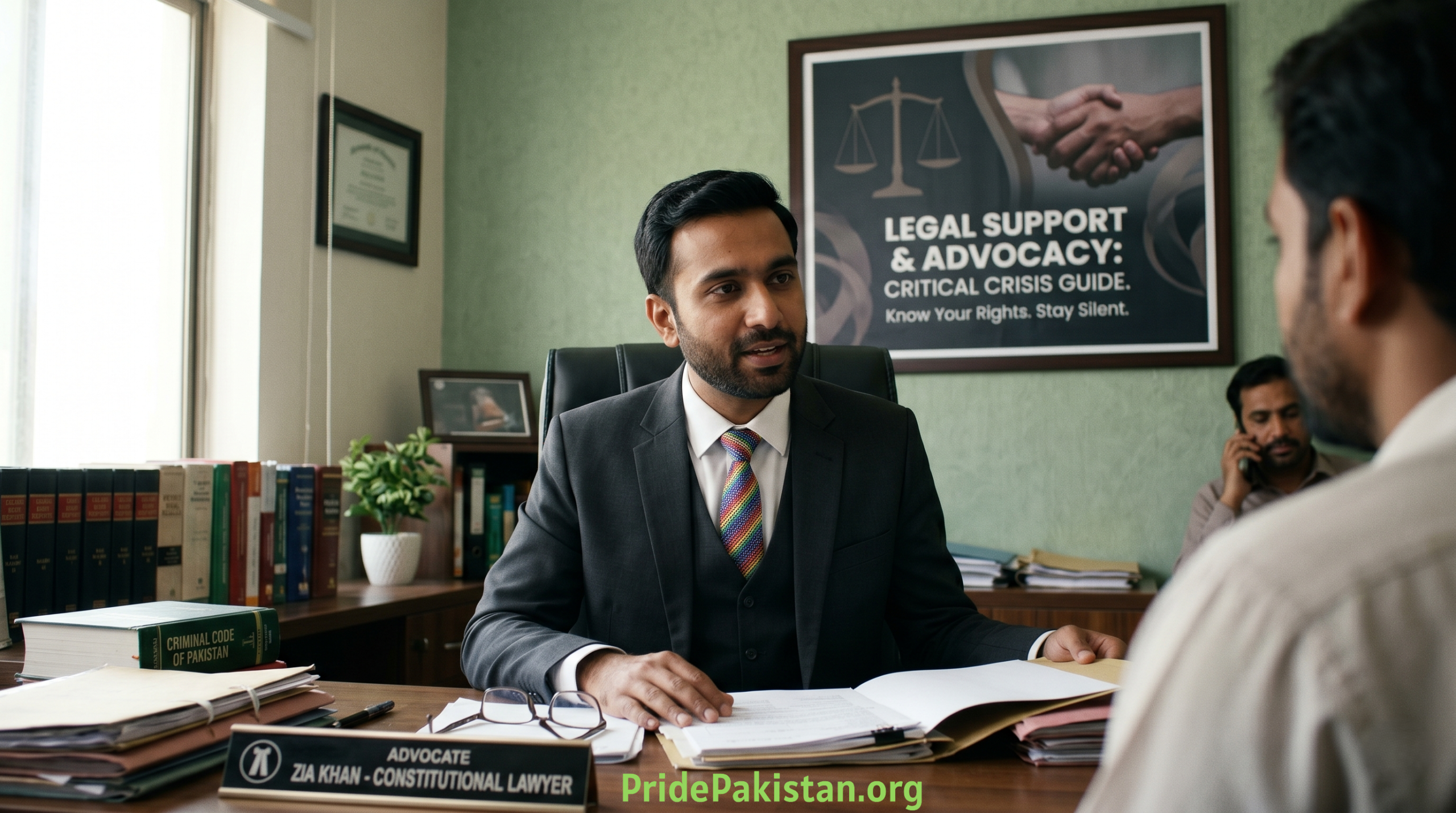
    Critical Crisis Guide: What to Do If You Are Arrested

    If you find yourself detained by the police or are being threatened with a fake FIR, your immediate actions are vital to your defense. Most authorities look to gather information quickly under duress to build a case against you.

    1. Exercise Your Right to Stay Silent

    • Do not confess and do not provide details: You are not legally required to incriminate yourself. Politely but firmly state that you will not give a formal statement or answer specific questions until you have a lawyer present.
    • Do not reveal your identity or community connections: Avoid sharing details about your personal life, your orientation, or your friends. Any name or number you give can be used to target other vulnerable individuals.

    2. The Danger of Forced Video Confessions and Torture

    • It is a common practice for local police to use physical or psychological torture to force individuals to record video confessions or sign blank papers. They might threaten you with brutal violence if you do not admit to a crime.
    • They may also fabricate evidence, such as claiming the “recovery of drugs” that you did not possess, or planting adult/pornographic content onto your mobile phone during an illegal search.
    • Important Legal Defense: If you are forced to make a statement or video confession under police influence, torture, or threat of violence, this can be legally challenged in court. A confession made to a police officer while in custody is generally not admissible as primary evidence under Article 38 of the Qanun-e-Shahadat Order, 1984. Tell your lawyer immediately if any statement or video was forced out of you.

    3. Access to a Lawyer and Free Legal Aid

    • Under Article 10 of the Constitution of Pakistan, every arrested person has the right to consult and be defended by a legal practitioner of their choice.
    • The Reality of State Counsel: While international standards demand that the state provide a lawyer if you cannot afford one, the local public defender system is heavily underfunded and deeply flawed. In Pakistan, state authorities can and do prosecute individuals without functional representation.
    • according to reports by the World Organisation Against Torture (OMCT), approximately 70 percent of individuals in Pakistani prisons are held without proper or complete trials, often trapped in the judicial system simply because they lack legal counsel.

    How to Choose a Safe Lawyer

    When seeking representation, do not randomly select a lawyer from the court gates, as many hold deeply homophobic views.

    • Look for Gender-Affirming Allies: Seek out lawyers who have an established history of working on human rights, women’s rights, or transgender issues. These professionals are far more likely to understand bodily autonomy, privacy, and systemic police misconduct.
    • Transgender Representation: Look to pioneers like Advocate Nisha Rao in Karachi, a professional transgender lawyer who deeply understands gender-related laws and local police vulnerabilities.
    • Consult Protective Desks: In major cities, you can reach out to dedicated Protection Centers (such as the Tahaffuz Centers in Punjab or Gender Protection Units) to connect with vetted, friendly legal professionals.

    Nationwide Legal Aid and Human Rights Resource Table

    The table below lists established legal aid clinics, human rights organizations, and support groups across different regions of Pakistan. These organizations provide pro-bono representation, legal advice, or protection tracking for marginalized communities.

    Region / CityOrganization NameOffice Location / Address DetailsHelpline / Contact NumberNature of Services & Focus Area
    National / DigitalPeace & Justice Network (PJN)Nationwide Networks / Mobile App: Haqq0800-46723 (Safeguarding Helpline)Legal empowerment, legal literacy, digital rights tracking, and legal aid referral networks.
    National / DigitalGender Rights Watch (GRW)Active online network with legal advocatesinfo@genderrightswatch.orgHuman rights defense, tracking vulnerabilities, and linking marginalized youth to safe advocates. Member of ILGA Asia.
    National / PolicyHuman Rights Watch (HRW)Global Network (Pakistan Monitoring)via website portalsStrategic documentation of state atrocities and advocacy for structural transitions.
    Karachi / SindhAdvocate Nisha Rao’s ChambersDefence View Market Road, BB16, Karachi+92 21 3234 5678Direct criminal defense, bail requests, and specialized gender-expert legal representation.
    Karachi / SindhLegal Aid Society (LAS)Main Office: Karachi, Sindh0800-70806 (Toll-Free) / +92 21 3563 4112 / info@las.org.pkPro-bono legal aid clinics, child and gender security advocacy, and representation for marginalized populations.
    Karachi / SindhGender Interactive Alliance (GIA)Karachi, Sindhvia public social portalsGrassroots documentation, crisis intervention, and localized protection support for gender-diverse communities.
    Lahore / PunjabAGHS Legal Aid Cell (Asma Jahangir Cell)Main Chambers: Lahore, Punjab0800-00123 (UAN) / aghslaw.netFree, high-quality legal representation for victims of human rights abuses, unlawful detentions, and state overreach.
    Lahore / PunjabJustice Project Pakistan (JPP)Lahore, Punjabjpp.org.pkStrategic litigation, fighting systemic judicial errors, and representation for vulnerable prisoners facing harsh sentences.
    Lahore / PunjabDastak Charitable TrustLahore, Punjabvia primary human rights desksEmergency shelter protection, crisis intervention, and associated legal advisory for victims of systemic violence.
    Lahore / PunjabKhawaja Sira Society (KSS)Lahore, Punjabvia local community centersLocalized peer support, discrimination tracking, and referrals to friendly lawyers for local police disputes.
    Multan / South PunjabLegal Aid Services (LAS Network)Serving South Punjab and lower regions0800-70806Connecting rural and regional victims of fake FIRs with urban human rights defense networks.
    Peshawar / KPKBlue VeinsPeshawar, Khyber Pakhtunkhwavia provincial civil society linksLocalized advocacy for vulnerable groups, tracking police misconduct, and human rights legal counseling.
    Islamabad / NorthPODA PakistanIslamabad Capital Territory / Regional Desksvia main NGO portalRural development, legal literacy training, and localized rights defense infrastructure.
    Islamabad / RegionalForum for Dignity Initiatives (FDI)Islamabad, Pakistanvia advocacy networksResearch, structural transition monitoring, and capacity building for marginalized groups facing systemic oppression.

    We are actively working to expand our connections with independent, gender-expert defense attorneys across less-represented regions like Quetta and Gilgit. Stay safe, understand your rights, and secure your digital communications.

  • Murtaza’s story

    Murtaza’s story

    My name is Murtaza* and I am a gay man from Pakistan. My boyfriend Ali* and I were in a relationship for 7 years before we left Pakistan. We always wanted to live as a couple, but it was never possible there. Before we left, I was the director of my own company where he worked as a manager. We were able to travel to different countries for business, but also spend quality time together which was only possible abroad. 

    When his extended family found out he was travelling with me, they became very suspicious. After we came back from a long trip, they started questioning why I was spending so much money and giving these opportunities to my boyfriend but not any of the other managers. They started harming Ali and his family. 

    When I had a chance to come to the UK for a meeting a few months later, I wanted to take Ali with me as usual. His family stopped him and told him that people were talking about us and it would give a bad impression for him to go with me. Ali didn’t listen to them and told them he was going with a different director instead. When we were in the UK, his family found out that he lied and he was here with me, his boyfriend. They started threatening us, saying “If you come back, we will not spare you. We will kill you. We’ll make an example of you because you are giving a bad name to the family, the country and the religion.” 

    “When we were in the UK, his family found out that he lied and he was here with me, his boyfriend. They started threatening us, saying “If you come back, we will not spare you. We will kill you.””

    I had already known about Rainbow Migration because I used to search online for organisations who may be able to help, even when I was still in Pakistan. When we started receiving the threats and knew that we could not go back to Pakistan, I emailed Rainbow Migration for information and they replied straight away. Within a couple of hours, the Legal Services Manager called me and guided me through the entire process, what’s going to happen and how to apply for asylum if we’re in fear of persecution, and encouraged us to apply if we think our life is in danger. We followed her advice exactly and called the Home Office, who arranged the initial interview after 3-4 days. 

    My boyfriend had a substantive interview just over a year after we first claimed asylum, while I had to wait about 18 months. We were both granted status shortly after the interviews. We had a lot of evidence because we had already been in a relationship for 7 years by the time we applied for asylum. We had pictures together throughout our relationship, back in Pakistan and in different countries, and evidence that we travelled together. Since coming to the UK, we have been living together. We were out and always looked after each other.  

    It was very frustrating having to prove my sexuality. In the final interview, the immigration officer asked my why it’s important for me to live as gay. I asked her why it’s important for her or anyone else to live as straight. If it’s important for a straight couple to live openly, then it’s our right to live as an open couple as well. These questions should not be there in the first place – they would never ask a straight person this.

    Rainbow Migration was very helpful because they referred us to pro bono lawyers. Amina* kept following everything that was happening, and Farah* was very nice and helpful as well. She used to run the online Asylum Advice Sessions and reply to my emails. I had a very good experience with Rainbow Migration. If Rainbow Migration was not there, [getting refugee status] would not have been possible in our case. 

    Before Rainbow Migration referred us to pro bono lawyers, I spoke to a couple of lawyers but they were not interested in the case. They were only after money. The only people who were willing to help were asking for £7,000 which we could not afford, and it was very hard to find legal aid. I left everything back in Pakistan, I had no money and we were only surviving because our family and friends were supporting us for basic necessities. 

    “It was very frustrating having to prove my sexuality. In the final interview, the immigration officer asked my why it’s important for me to live as gay. I asked her why it’s important for her or anyone else to live as straight.”

    It was very frustrating waiting over a year while we were not allowed to work. We are really lucky that we had some savings and family and friends who supported us, so we did not live in government accommodation. I’m very grateful to them for helping us, but I feel guilty that they had to spend the money. I had no other choice. People seeking asylum should be given decisions faster and allowed to work and support themselves. Many people don’t come from wealthy backgrounds and don’t have people to support them, so they have to survive off less than £200 a month, which is not enough to do anything. 

    It’s really frustrating to hear the comments about people seeking asylum. People come here for protection, when they are not safe in their countries. Personally, I had a very well-off life in Pakistan, and we only came to the UK to live as a couple. I didn’t even tell anyone here was seeking asylum. I’m sure many others are in the same situation.   

    Now that I have refugee status, I am doing some online work and my partner is learning English and working as a delivery driver. I have a lot of experience but I have not been able to find a job yet, as everywhere I apply says I am overqualified or I need experience in the UK. The other difficulty that we are facing is that we are limited in the countries we can travel to, and their different rules for people with travel documents than passports.  

    I’m glad that I’m in a safer environment and that Ali and I can live as a couple – that’s the most important thing. Still, even though it’s very safe here, I still see that some people are unhappy or annoyed when they see us together, but not when they see straight couples. We came all this way, but if there are a lot of people, I hesitate to show affection to my boyfriend. I hope that will change soon. 

    *Names have been changed to protect the identities of the interviewee and his partner.

    This article is being shared from RainbowMigration UK page. Read the original article on Rainbow Migration UK site here

  • Understanding Gender: Who We Are

    Understanding Gender: Who We Are

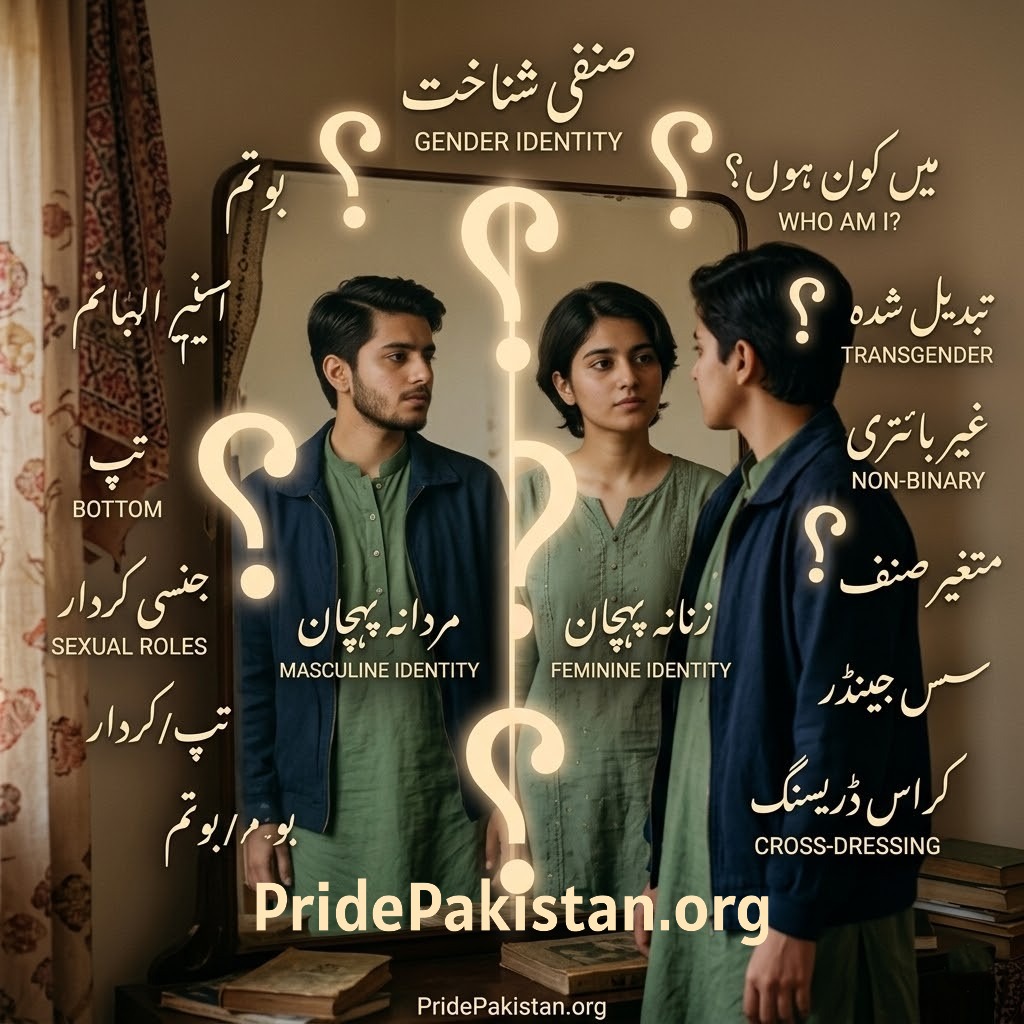
    This page is designed to help our community understand the difference between who they are (Gender Identity) and how they choose to express that identity, while addressing specific lived experiences and queries common in our context.

    صنفی شناخت: ہم کون ہیں

    Gender identity is your internal sense of being. It is about how you feel inside, which may or may not match the sex you were assigned at birth.


    1. Cisgender | سس جینڈر (روایتی صنفی شناخت)

    Definition: Someone whose gender identity matches the sex they were assigned at birth.

    تعریف: ایسا شخص جس کی صنفی شناخت وہی ہو جو پیدائش کے وقت اسے دی گئی تھی (مثلاً مرد پیدا ہوا اور خود کو مرد ہی مانتا ہے)۔

    • Example: A person born male who feels completely comfortable identifying as a man.
    • مثال: ایک شخص جو مرد پیدا ہوا اور وہ مرد کی حیثیت میں خود کو مکمل طور پر درست محسوس کرتا ہے۔

    2. Transgender | ٹرانس جینڈر (تبدیل شدہ صنفی شناخت)

    Definition: An umbrella term for people whose gender identity differs from their birth sex.

    تعریف: ان لوگوں کے لیے ایک وسیع اصطلاح جن کی صنفی شناخت ان کی پیدائش کے وقت کی صنف سے مختلف ہو۔

    • Example: A person assigned female at birth who identifies and lives as a man (Trans man).
    • مثال: ایک شخص جسے پیدائش پر عورت قرار دیا گیا مگر وہ اپنی پہچان ایک مرد کے طور پر کرتا ہے (ٹرانس مرد)۔

    3. Non-Binary / Genderqueer | غیر بائنری / جینڈر کوئیر

    Definition: Someone who does not identify strictly as a man or a woman. They may feel like both, neither, or something else entirely.

    تعریف: وہ شخص جو خود کو صرف مرد یا عورت کے روایتی خانوں میں محدود نہیں پاتا۔ وہ دونوں محسوس کر سکتا ہے یا ان سے الگ بھی۔

    • Example: A person who expresses their gender through a mix of masculine and feminine traits.
    • مثال: ایک ایسا شخص جو اپنی پہچان میں مردانہ اور زنانہ دونوں خصوصیات رکھتا ہو۔

    4. Gender Fluid | جینڈر فلوئیڈ (متغیر صنف)

    Definition: A person whose gender identity changes over time. They may feel like one gender at one stage of their life or day, and another gender at another time.

    تعریف: ایسا شخص جس کی صنفی شناخت وقت کے ساتھ بدلتی رہتی ہے۔ وہ زندگی کے کسی حصے میں خود کو ایک صنف اور دوسرے حصے میں دوسری صنف محسوس کر سکتا ہے۔

    • Example: Someone who lives as a man in professional life but identifies with their feminine side in private or at different stages of their journey.
    • مثال: ایک ایسا شخص جو کام کی جگہ پر مرد کے طور پر رہتا ہے لیکن نجی زندگی یا زندگی کے مختلف ادوار میں اپنی زنانہ شناخت کے ساتھ جڑ جاتا ہے۔

    Complex Situations & Gender Expression

    پیچیدہ حالات اور صنفی اظہار

    It is important to distinguish between who you are (Gender) and what you do or wear (Expression/Role).

    یہ سمجھنا ضروری ہے کہ آپ کون ہیں (صنف) اور آپ کیا پہنتے یا کرتے ہیں (اظہار) دو الگ چیزیں ہیں۔

    • Cross-Dressing in Marriage: A married man who enjoys wearing female clothes does not necessarily mean he is a trans woman. This can be a form of Gender Expression or a fetish. If he still identifies as a man, his gender remains male.
    • شادی شدہ زندگی میں کراس ڈریسنگ: ایک شادی شدہ مرد اگر زنانہ کپڑے پہننا پسند کرتا ہے تو اس کا مطلب لازمی طور پر یہ نہیں کہ وہ ٹرانس عورت ہے۔ یہ صنفی اظہار کی ایک قسم ہو سکتی ہے۔ اگر وہ اب بھی خود کو مرد ہی مانتا ہے تو اس کی صنف مرد ہی رہے گی۔
    • Role Reversal in Partners: If a male wants his female partner to act or dress like a male, this is often related to Sexual Dynamics or roles rather than a change in gender identity.
    • ساتھی کا مردانہ روپ: اگر کوئی مرد اپنی خاتون ساتھی سے یہ چاہے کہ وہ مردوں کی طرح رہے یا لباس پہنے، تو اس کا تعلق عموماً جنسی ترجیحات یا کرداروں سے ہوتا ہے، صنفی شناخت سے نہیں۔
    • Sexual Desires & Trans-Attraction: A man who wishes to be dominated or penetrated by a transgender woman (with male genitals) is exploring a Sexual Role. This does not change his identity as a man, nor does it define the trans woman’s gender—she is a woman regardless of her genitals or her role in bed (Top/Bottom).
    • جنسی خواہشات اور ٹرانس کشش: اگر کوئی مرد کسی ٹرانس خاتون سے جنسی تعلق (دبنا یا دخول) رکھنا چاہتا ہے، تو یہ اس کا جنسی کردار ہے۔ اس سے اس مرد کی شناخت نہیں بدلتی۔ اسی طرح، ایک ٹرانس عورت اپنی جسمانی ساخت کے باوجود جنسی عمل میں فعال (Top) یا مغلوب (Dominated) دونوں ہو سکتی ہے، اس سے اس کی عورت ہونے کی پہچان پر فرق نہیں پڑتا۔

    Confused About Your Gender?

    کیا آپ اپنی صنف کے بارے میں الجھن کا شکار ہیں؟

    If you feel like your gender changes or you are unsure, remember:

    اگر آپ کو لگتا ہے کہ آپ کی صنف بدلتی رہتی ہے یا آپ غیر یقینی کا شکار ہیں، تو یاد رکھیں:

    1. Identity vs. Action: Wanting to wear certain clothes or having specific sexual fantasies doesn’t always mean your gender has changed. Look at how you want the world to see you daily.پہچان بمقابلہ عمل: مخصوص لباس پہننے یا جنسی خیالات رکھنے کا مطلب ہمیشہ یہ نہیں ہوتا کہ آپ کی صنف بدل گئی ہے۔ یہ دیکھیں کہ آپ روزمرہ زندگی میں دنیا کے سامنے اپنی پہچان کیا چاہتے ہیں۔
    2. Fluidity is Valid: It is okay to feel like a man today and more feminine tomorrow. You don’t have to choose a side immediately.تبدیلی نارمل ہے: اگر آپ آج خود کو مرد اور کل زنانہ محسوس کرتے ہیں، تو یہ ٹھیک ہے۔ آپ کو فوری طور پر کسی ایک طرف کا انتخاب کرنے کی ضرورت نہیں۔
    3. Explore Roles vs. Identity: If your queries are more about who is the “Top” or “Bottom” in bed, or about specific attractions, please refer to our [Sexual Roles & Orientation Section]. Gender is about Internal Self, not just sexual acts.کردار بمقابلہ شناخت: اگر آپ کے سوالات جنسی ملاپ کے کرداروں (تپ یا بوتم) کے بارے میں ہیں، تو براہ کرم ہمارا [جنسی کردار اور میلان کا سیکشن] دیکھیں۔ صنف کا تعلق آپ کی اندرونی ذات سے ہے، صرف جنسی عمل سے نہیں۔
  • Exploring the Spectrum: Who We Love

    Exploring the Spectrum: Who We Love

    This page is designed to be a safe, educational space for Pakistanis to understand their feelings. It balances modern global definitions with a sensitive approach to our specific cultural context.

    محبت کے رنگ: جنسی میلان کی تلاش

    Language helps us name the feelings of our hearts. Below is a guide to the different ways people experience attraction.


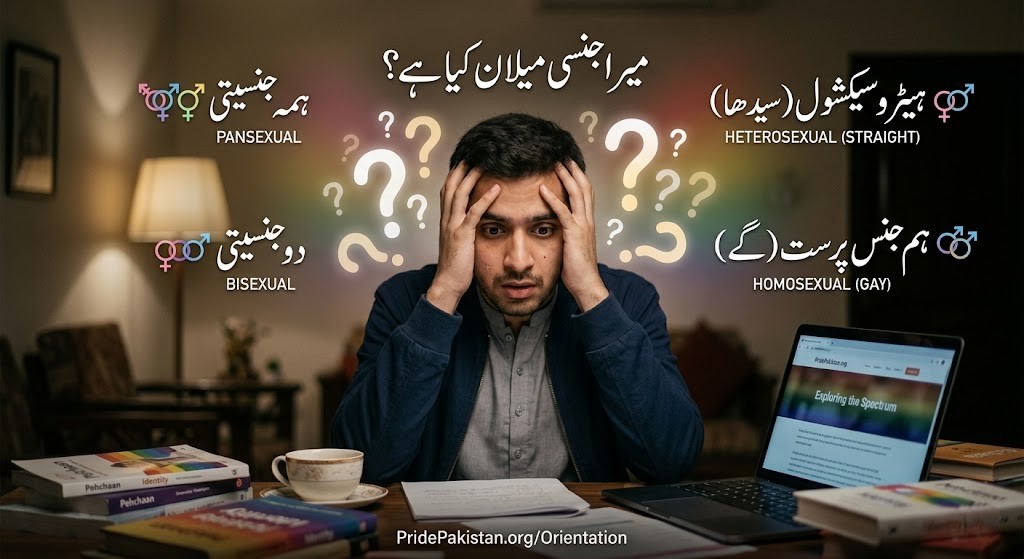
    1. Heterosexual (Straight) | ہیٹرو سیکشول (سیدھا/روایتی)

    Definition: Attraction to people of the opposite gender.

    تعریف: اپنی مخالف صنف (مرد کی عورت اور عورت کی مرد) کی طرف رغبت یا کشش محسوس کرنا۔

    • Example: A man who is only attracted to women.
    • مثال: ایک مرد جو صرف عورتوں کے لیے دل میں کشش پاتا ہے۔

    2. Homosexual (Gay or Lesbian) | ہم جنس پرست (گے یا لیسبیئن)

    Definition: Attraction to people of the same gender.

    تعریف: اپنی ہی صنف کے لوگوں (مرد کی مرد اور عورت کی عورت) کی طرف رغبت محسوس کرنا۔

    • Example: A man who loves and is attracted to other men.
    • مثال: ایک مرد جو دوسرے مردوں سے محبت اور جنسی کشش محسوس کرے۔

    3. Bisexual | دو جنسیتی (بائی سیکشول)

    Definition: Attraction to more than one gender (usually men and women).

    تعریف: ایک سے زیادہ اصناف (عموماً مرد اور عورت دونوں) کی طرف رغبت محسوس کرنا۔

    • Example: A person who can develop romantic feelings for both men and women.
    • مثال: ایک ایسا شخص جو مردوں اور عورتوں، دونوں کے لیے جذبات رکھ سکتا ہو۔

    4. Pansexual | ہمہ جنسیتی (پین سیکشول)

    Definition: Attraction to people regardless of their gender identity or biological sex.

    تعریف: کسی بھی انسان کی طرف کشش محسوس کرنا، قطع نظر اس کے کہ اس کی صنف یا پہچان کیا ہے۔

    • Example: Loving someone for their soul and personality, where gender does not play a role.
    • مثال: کسی انسان کی شخصیت اور روح سے محبت کرنا، جہاں صنف کوئی اہمیت نہ رکھتی ہو۔

    5. Asexual | لا جنسیتی (اے سیکشول)

    Definition: Experiencing little to no sexual attraction to others.

    تعریف: دوسروں کے لیے جنسی کشش بہت کم یا بالکل محسوس نہ کرنا۔

    • Example: A person who enjoys emotional and romantic closeness but does not feel the need for sexual intimacy.
    • مثال: ایک ایسا شخص جو جذباتی تعلق تو چاہتا ہو مگر جنسی ملاپ کی خواہش نہ رکھتا ہو۔

    Defining Identity in the Transgender Context

    ٹرانس جینڈر تناظر میں شناخت کی تعریف

    A common question is: “If a trans man loves a man, is he gay?” The answer is based on Gender Identity, not assigned sex at birth.

    عام سوال یہ ہے کہ: “اگر ایک ٹرانس مرد کسی مرد سے محبت کرے تو کیا وہ ‘گے’ ہے؟” اس کا جواب پیدائشی صنف کے بجائے صنفی شناخت پر مبنی ہوتا ہے۔

    • Trans Men loving Men: Since a trans man is a man, his attraction to men is defined as Gay.
    • ٹرانس مرد کی مرد سے محبت: چونکہ ٹرانس مرد ایک مرد ہے، اس لیے اس کی مردوں کے لیے کشش کو ہم جنس پرستی (گے) کہا جائے گا۔
    • Trans Women loving Women: Since a trans woman is a woman, her attraction to women is defined as Lesbian.
    • ٹرانس عورت کی عورت سے محبت: چونکہ ٹرانس عورت ایک عورت ہے، اس لیے اس کی عورتوں کے لیے کشش کو لیسبیئن کہا جائے گا۔
    • Trans-to-Trans Love: If two transgender people love each other, they may use terms like Queer or T2T (Trans-to-Trans), or simply identify based on their gender (Straight or Gay).

    Are You Confused? How to Identify Yourself

    کیا آپ الجھن کا شکار ہیں؟ اپنی شناخت کیسے کریں

    If you are struggling to find a label, remember that it is okay to take your time. Here are a few ways to help yourself:

    اگر آپ کو اپنی پہچان کرنے میں مشکل ہو رہی ہے، تو یاد رکھیں کہ اس میں وقت لینا بالکل ٹھیک ہے۔ یہاں کچھ طریقے ہیں:

    1. Observe Your Feelings: Notice who you find yourself looking at in a crowd or who you imagine a future with. Labels should fit your feelings, not the other way around.اپنے جذبات پر غور کریں: یہ دیکھیں کہ بھیڑ میں آپ کی نظریں کسے ڈھونڈتی ہیں یا آپ اپنا مستقبل کس کے ساتھ دیکھتے ہیں۔
    2. Separate Romance from Sex: You might feel romantic attraction to one gender but sexual attraction to another. This is normal.محبت اور جنس میں فرق کریں: یہ ممکن ہے کہ آپ جذباتی طور پر کسی ایک صنف کی طرف مائل ہوں مگر جنسی طور پر دوسری طرف۔ یہ بالکل نارمل ہے۔
    3. Don’t Rush: You don’t have to pick a label today. You can use the term “Questioning” or “Queer” until you feel certain.جلدی نہ کریں: ضروری نہیں کہ آپ آج ہی کوئی لیبل چنیں۔ جب تک آپ مطمئن نہ ہوں، آپ خود کو “تلاش کرنے والا” یا “کوئیر” کہہ سکتے ہیں۔
    4. Safe Exploration: Use safe online spaces like PridePakistan.org to read stories of others. Seeing yourself in someone else’s story is often the best way to find your own.محفوظ مطالعہ: پرائیڈ پاکستان جیسے محفوظ پلیٹ فارمز پر دوسروں کی کہانیاں پڑھیں۔ اکثر دوسروں کے تجربات میں ہمیں اپنی سچائی مل جاتی ہے۔
  • گھر کی تقسیم پاکستان کی ہم جنسی پرست اور ٹرانس جینڈر کمیونٹی کے اندرونی خلفشار اور ذہنی دباؤ کی صورتحال

    گھر کی تقسیم پاکستان کی ہم جنسی پرست اور ٹرانس جینڈر کمیونٹی کے اندرونی خلفشار اور ذہنی دباؤ کی صورتحال

    پاکستان میں ایل جی بی ٹی کیو آئی کمیونٹی کو باہر سے دیکھنے والے اسے ایک متحد گروہ سمجھتے ہیں جو ریاست کی ناانصافیوں کے خلاف کھڑا ہے لیکن حقیقت بہت مختلف اور تکلیف دہ ہے پرائیڈ پاکستان نے یہ محسوس کیا ہے کہ ریاست اور سماج کی طرف سے ملنے والی نفرت اب کمیونٹی کے اندر بھی جڑیں پکڑ چکی ہے مسلسل خوف اور قانونی پابندیوں نے ایسا ماحول پیدا کر دیا ہے جہاں لوگ اپنی بقا کی خاطر اپنے ہی ساتھیوں کے خلاف توانائی استعمال کرنے لگے ہیں

    وفاقی شرعی عدالت کا معاملہ اور کمیونٹی کی تقسیم

    اس اندرونی ٹوٹ پھوٹ کی سب سے بڑی مثال دو ہزار تئیس میں ٹرانس جینڈر ایکٹ کے خلاف ہونے والی قانونی جنگ ہے اس وقت صرف مذہبی حلقے ہی اس قانون کے خلاف نہیں تھے بلکہ ٹرانس جینڈر کمیونٹی کے ہی کچھ گروہوں نے اپنے ہی لوگوں کے خلاف عدالت کا دروازہ کھٹکھٹایا انہوں نے یہ موقف اختیار کیا کہ صنفی شناخت کا حق غیر اسلامی ہے ان گروہوں نے صرف مخصوص جسمانی حالت والے افراد کو تسلیم کرنے کی حمایت کی اور ان تمام لوگوں کو کمیونٹی سے بے دخل کرنے کی کوشش کی جو اپنی شناخت کی بنیاد پر زندگی گزارنا چاہتے ہیں یہ قدم سماجی قبولیت حاصل کرنے کی ایک ناکام کوشش تھی جس نے پوری کمیونٹی کو ناقابل تلافی نقصان پہنچایا

    ٹرانس جینڈر اور ہم جنسی پرستوں کے درمیان دوری

    ایک اور بڑا مسئلہ کچھ ٹرانس جینڈر گروہوں کی طرف سے ہم جنسی پرست مردوں اور خواتین کے خلاف نفرت کا پھیلاؤ ہے اپنی بقا کی خاطر یہ گروہ اکثر یہ کہتے نظر آتے ہیں کہ ٹرانس ہونا تو ایک قدرتی حالت ہے جو اسلام میں جائز ہے لیکن ہم جنسی پرستی ایک گناہ ہے یہ بیانیہ ریاست کی طرف سے ہونے والے ظلم کو مزید جواز فراہم کرتا ہے اور کمیونٹی کو حصوں میں تقسیم کر دیتا ہے

    ٹرانس جینڈر مردوں کی محرومیاں

    ہماری کمیونٹی میں ٹرانس جینڈر خواتین کو تو کسی حد تک پہچان ملی ہے لیکن ٹرانس جینڈر مرد اب بھی مکمل طور پر نظر انداز کیے جاتے ہیں ٹرانس جینڈر مردوں کو دوہری مشکلات کا سامنا ہے انہیں گھروں میں خواتین پر لگنے والی پابندیوں کا سامنا کرنا پڑتا ہے اور کمیونٹی کے اندر بھی انہیں وہ مقام اور مدد نہیں ملتی جو دوسروں کو حاصل ہے

    ذہنی صحت اور اندرونی نفرت کی وجوہات

    یہ تمام اختلافات اس لیے نہیں ہیں کہ لوگ برے ہیں بلکہ اس کی اصل وجہ وہ ذہنی دباؤ اور مذہبی خوف ہے جو بچپن سے ان کے ذہنوں میں ڈالا جاتا ہے جب ایک انسان کو مسلسل یہ بتایا جائے کہ اس کا وجود جادو یا بیماری ہے تو وہ خود کو درست ثابت کرنے کے لیے اپنے سے زیادہ کمزور ساتھیوں پر حملہ کرتا ہے مناسب علاج اور ہمدردی نہ ملنے کی وجہ سے یہ غصہ اندرونی نفرت کی شکل اختیار کر لیتا ہے

    پرائیڈ پاکستان کا پیغام واضح ہے کہ جب تک ہم سب متحد نہیں ہوں گے کوئی بھی آزاد نہیں ہو سکے گا ہم جنسی پرست ہوں یا ٹرانس جینڈر سب کا دشمن ایک ہی نظام ہے ہمیں ایک دوسرے کو نیچا دکھانے کے بجائے ایک دوسرے کا سہارا بننا ہو گا ہماری بقا صرف اسی صورت میں ممکن ہے اگر ہم اس تقسیم کو ختم کریں اور ایک دوسرے کے حقوق کے لیے آواز اٹھائیں

  • The House Divided: Internal Conflict and Stigma Within Pakistan’s LGBTQI+ Community

    The House Divided: Internal Conflict and Stigma Within Pakistan’s LGBTQI+ Community

    For those looking at Pakistan from the outside, the LGBTQI+ community is often seen as a single, unified front fighting against a common wall of state-sanctioned discrimination. But the reality inside the community is far more complex and, at times, heartbreaking.

    As an organization, PridePakistan.org has witnessed a growing and dangerous trend: the internalizing of state-sponsored hate. The constant pressure from the state, religious authorities, and social stigma has created a “pressure cooker” effect where community members, driven by trauma and a desperate need for social survival, begin to use their energy against one another.

    1. The “Divide and Rule” of the Federal Shariat Court

    The most prominent example of this internal fracture occurred during the 2023 Federal Shariat Court (FSC) challenge against the Transgender Persons (Protection of Rights) Act of 2018.

    In a shocking turn of events, it was not just conservative religious clerics leading the charge ; it was certain factions of the transgender community itself. These groups argued that the law’s provision for “self-perceived identity” was “un-Islamic.” By advocating for a definition of transgender identity rooted strictly in biological “intersex” conditions, they effectively threw their own community members, those who transitioned socially or medically under the bus.

    This was a calculated move for social survival. By aligning themselves with the “Islamic” definition of identity, these groups sought to gain state legitimacy at the expense of others, successfully convincing the court that their peers were “imposters.”

    2. “Trans is Islamic, Gay is Not”: The War on Sexual Orientation

    Perhaps the most damaging conflict is the growing hostility from some transgender groups toward the gay and lesbian community. In a bid to be accepted by mainstream Pakistani society, many trans activists have begun to publicly distance themselves from “gay rights.”

    We frequently see online rhetoric claiming: “Being transgender is a medical condition recognized by Islam, but being gay is a sin prohibited by the Quran.” This narrative is a survival tactic, but it is a deadly one. It validates the state’s persecution of gay and lesbian people while falsely promising “safety” to the transgender community. In reality, it only weakens the collective voice of all gender and sexual minorities, allowing the state to dismantle our rights piece by piece.

    3. The Invisibility of Trans Men

    Within the gender-diverse movement, space is not shared equally. While trans women (often associated with the historical Khwaja Sira culture) have achieved some level of public visibility, appearing in films, media, and even government roles, trans men remain almost entirely invisible.

    Trans men in Pakistan face a double burden. Because they are often assigned female at birth (AFAB), they are subjected to the extreme restrictions placed on women in Pakistani society, including “honor”-based surveillance and limited mobility. Within the LGBTQI+ movement, they are often sidelined. Trans women’s organizations frequently fail to include the unique needs of trans men in their advocacy, leaving them without a guru system, without a community, and without a voice.

    4. Mental Health: The Root of the Conflict

    Why is this happening? It is not because our community is “hateful.” It is because of Internalized Stigma and Religious Trauma.

    When you are told from birth that your existence is “black magic,” a “spiritual disease,” or an “affront to God,” you develop a deep-seated need to prove you are “one of the good ones.” This leads to:

    • Horizontal Hostility: Attacking those within your community who are “more different” than you to appear more “normal” to the state.
    • Trauma-Induced Aggression: When mental health support is unavailable and you are forced into “conversion” sessions, that suppressed anger often manifests as hate toward your peers.

    At Pride Pakistan, we believe that no one is free until we are all free. Using our energy to fight each other only does the state’s work for them. We must recognize that the “Islamic vs. Un-Islamic” debate is a trap designed to divide us.

    We call for a community that:

    • Centers Trans Men: Recognizing that visibility is a right, not a privilege for one group.
    • Rejects the “Gay vs. Trans” Divide: Understanding that our struggles are linked by the same systemic oppression.
    • Prioritizes Healing: Moving away from religious shaming and toward affirmative, secular support.

    Our survival depends on unity. If we continue to tear each other down to satisfy a state that wants us all gone, we will have no one left to stand with.

  • Soutenez Pride Pakistan : Un espoir pour la communauté LGBTQ+ au Pakistan

    Soutenez Pride Pakistan : Un espoir pour la communauté LGBTQ+ au Pakistan

    Vivre authentiquement est un défi majeur au Pakistan. Pride Pakistan travaille sans relâche pour offrir une assistance d’urgence et des conseils juridiques aux membres de notre communauté. Vos dons nous permettent de maintenir nos services de sécurité numérique et de fournir une aide humanitaire directe. Merci de votre solidarité.

    https://gofund.me/0d4a84f64

    How to Help Beyond Donating

    If you cannot contribute financially, you can still make an impact by sharing our mission. Follow Pride Pakistan on social media and spread our link to reach more allies globally.

    پرائیڈ پاکستان کی حمایت کریں: ہم جنس پرست کمیونٹی کے لیے ایک پناہ گاہ

    پاکستان میں اپنی شناخت کے ساتھ جینا ایک بڑی جدوجہد ہے۔ کا مقصد ان لوگوں کی مدد کرنا ہے جنہیں قانونی، طبی یا حفاظتی مسائل کا سامنا ہے۔ آپ کا عطیہ کسی کی زندگی بچا سکتا ہے۔ براہ کرم ہمارے پیج پر جا کر اپنی استطاعت کے مطابق مدد کریں اور اس پیغام کو دوسروں تک پہنچائیں۔

  • Shah Hussain & Madho Lal: A Love That Defied Borders

    Shah Hussain & Madho Lal: A Love That Defied Borders

    شاہ حسین اور مادھو لال: وہ محبت جس نے تمام حدیں توڑ دیں

    English Version Urdu Version
    Beyond Gender and Religion
    The 16th-century Sufi poet Shah Hussain (known as Madho Lal Hussain) remains a pillar of Punjabi culture. His life offers a profound lesson: that true love does not seek genders, nor does it see religions. His devotion to the Hindu youth, Madho Lal, remains the ultimate symbol of a love that transcends every social and spiritual boundary.
    صنف اور مذہب سے بالا تر
    سولہویں صدی کے صوفی شاعر شاہ حسین (جنہیں مادھو لال حسین کے نام سے جانا جاتا ہے) پنجاب کی ثقافت کا ایک اہم ستون ہیں۔ ان کی زندگی ایک عظیم سبق دیتی ہے: کہ سچی محبت نہ تو صنف دیکھتی ہے اور نہ ہی مذہب۔ ایک ہندو نوجوان ’مادھو لال‘ کے لیے ان کی عقیدت ایک ایسی محبت کی علامت ہے جو تمام سماجی اور روحانی حدود کو عبور کر گئی۔
    The Meeting of Souls
    Shah Hussain, a Muslim saint and weaver, saw Madho Lal in Lahore and was instantly consumed by a divine attraction. Unlike the rigid morality of today, their union was celebrated by the people. They became so inseparable that Hussain added Madho’s name to his own, becoming “Madho Lal Hussain,” symbolizing the merging of two souls into one identity.
    دو روحوں کا ملاپ
    شاہ حسین، جو ایک مسلمان بزرگ اور جولاہے تھے، نے لاہور میں مادھو لال کو دیکھا اور فوری طور پر ایک الہی کشش کا شکار ہو گئے۔ آج کی سخت گیر اخلاقیات کے برعکس، اس دور کے لوگوں نے ان کے ملاپ کو سراہا تھا۔ وہ ایک دوسرے میں اس قدر مگن ہو گئے کہ حسین نے مادھو کا نام اپنے نام کا حصہ بنا لیا اور “مادھو لال حسین” کہلائے، جو دو روحوں کے ایک پہچان میں ضم ہونے کی علامت ہے۔
    The Spiritual Gay Icon
    Their love was not just physical; it was a spiritual revolution. By loving a man of a different faith, Shah Hussain demonstrated that the path to God is found through the human heart. In a society that forces gay Muslims to choose between faith and identity, the story of Madho Lal Hussain proves that you can be beloved by God while loving another man.
    روحانی اور ہم جنس پرستانہ علامت
    ان کی محبت صرف جسمانی نہیں تھی، بلکہ ایک روحانی انقلاب تھا۔ ایک دوسرے مذہب کے مرد سے محبت کر کے، شاہ حسین نے یہ ثابت کیا کہ خدا تک پہنچنے کا راستہ انسانی دل سے ہو کر گزرتا ہے۔ ایک ایسے معاشرے میں جو گے مسلمانوں کو مذہب یا شناخت میں سے کسی ایک کو چننے پر مجبور کرتا ہے، مادھو لال حسین کی داستان ثابت کرتی ہے کہ آپ ایک مرد سے محبت کرتے ہوئے بھی خدا کے محبوب ہو سکتے ہیں۔
    Mela Chiraghan: The Legacy of Light
    To this day, they are buried side-by-side in the same shrine in Lahore. Every year, thousands of devotees celebrate the “Festival of Lights” (Mela Chiraghan) at their tomb. This is not just a religious gathering; it is a historical celebration of a gay, inter-faith love story that has been the heartbeat of Lahore for over 400 years.
    میلہ چراغاں: روشنیوں کی میراث
    آج بھی وہ لاہور میں ایک ہی مزار میں پہلو بہ پہلو دفن ہیں۔ ہر سال، ہزاروں عقیدت مند ان کے مزار پر “میلہ چراغاں” مناتے ہیں۔ یہ صرف ایک مذہبی اجتماع نہیں ہے، بلکہ یہ ایک ہم جنس پرستانہ اور بین المذاہب محبت کی داستان کا تاریخی جشن ہے جو 400 سالوں سے لاہور کی دھڑکن رہا ہے۔

    References:

    • Literary Source: Kafi of Shah Hussain (Traditional Punjabi Poetry).
    • Scholarly Work: Sufi Narratives of Intimacy: Idiosyncrasy and Transcendence by Sadia Toor.
    • Historical Reference: Same-Sex Love in India: Readings from Literature and History by Ruth Vanita and Saleem Kidwai (specifically the chapter on the medieval period).
    • Cultural History: The Shrine of Madho Lal Hussain: A History of Devotion (Archaeological and Cultural archives of Lahore).

  • Babur and Baburi: A Royal Heart Unveiled

    Babur and Baburi: A Royal Heart Unveiled

    بابر اور بابری: ایک شاہی داستانِ عشق کا انکشاف

    English Version Urdu Version
    The Candid Memoirs of an Emperor
    History often sanitizes the lives of great rulers, but Zahir-ud-Din Muhammad Babur, the founder of the Mughal Empire, chose a different path. In his autobiography, the Baburnama, he left behind one of the most honest accounts of homoerotic desire in world literature.
    شہنشاہ کی بے باک خود نوشت
    تاریخ اکثر بڑے حکمرانوں کی زندگیوں کو چھپا کر پیش کرتی ہے، لیکن مغل سلطنت کے بانی ظہیر الدین محمد بابر نے ایک مختلف راستہ چنا۔ اپنی آپ بیتی ’بابر نامہ‘ میں انہوں نے عالمی ادب میں ہم جنس پسندی کے جذبات کی ایک انتہائی ایماندارانہ عکاسی چھوڑی ہے۔
    Meeting Baburi
    In the year 1499-1500, while in the camp bazaar of Samarkand, Babur encountered a young boy named Baburi. Babur writes: “In those days, I discovered in myself a strange inclination… for a boy named Baburi in the camp bazaar.” He describes being so overwhelmed by attraction that he could not look the boy in the eye, wandering bareheaded and barefoot through the streets in a state of romantic confusion.
    بابری سے ملاقات
    سن 1500 کے لگ بھگ، سمرقند کے کیمپ بازار میں بابر کی ملاقات ایک نوجوان لڑکے سے ہوئی جس کا نام بابری تھا۔ بابر لکھتا ہے: “ان دنوں میں نے اپنے اندر ایک عجیب رجحان پایا… بازار کے ایک لڑکے بابری کے لیے۔” وہ لکھتا ہے کہ وہ اس کشش سے اتنا مغلوب تھا کہ لڑکے سے آنکھ نہیں ملا سکتا تھا اور وہ گلیوں میں ننگے پاؤں اور ننگے سر دیوانہ وار پھرتا تھا۔
    Gay, Bisexual, or Fluid?
    While “Gay” and “Bisexual” are modern Western labels, Babur’s experiences clearly fit these descriptions. Despite being a father and a husband, his recorded passion for Baburi highlights a sexual orientation that was fluid. This confirms that homoerotic attraction was a lived reality for the highest levels of Islamic royalty in South Asia long before colonial intervention.
    گے، بائی سیکشول یا صنفی لچک؟
    اگرچہ “گے” یا “بائی سیکشول” جدید اصطلاحات ہیں، لیکن بابر کے تجربات ان تعریفوں پر پورا اترتے ہیں۔ ایک باپ اور شوہر ہونے کے باوجود، بابری کے لیے ان کی تڑپ ایک ایسی صنفی میلان کو ظاہر کرتی ہے جو لچکدار تھی۔ یہ اس بات کی تصدیق کرتا ہے کہ نوآبادیاتی دور سے بہت پہلے جنوبی ایشیا کی شاہی زندگیوں میں ہم جنس پسندی ایک حقیقت تھی۔
    A Legacy of ‘Ishq’
    Babur expressed his longing through Persian couplets: “I am abashed whenever I see my friend; my companions look at me and I look another way.” His struggle was not with the “sin” of the act, but with the vulnerability of love itself. To call his identity a “Western import” is to ignore the very words written by the man who built our history.
    عشق کی میراث
    بابر نے فارسی اشعار کے ذریعے اپنی تڑپ کا اظہار کیا: “میں جب بھی اپنے دوست کو دیکھتا ہوں شرما جاتا ہوں؛ میرے ساتھی مجھے دیکھتے ہیں اور میں دوسری طرف دیکھتا ہوں۔” ان کی جدوجہد کسی “گناہ” کے احساس سے نہیں تھی، بلکہ محبت کی بے بسی سے تھی۔ ان کی شناخت کو “مغربی درآمد” کہنا اس شخص کے اپنے الفاظ کو جھٹلانے کے برابر ہے جس نے ہماری تاریخ لکھی۔

    References:

    • Primary Source: The Baburnama: Memoirs of Babur, Prince and Emperor, translated and edited by Wheeler M. Thackston (1996) or Annette Beveridge (1922).
    • Scholarly Analysis: The Garden of the Eight Paradises: Babur and the Culture of Empire in Central Asia, Afghanistan and India by Stephen F. Dale.
    • Literary Reference: Same-Sex Love in India: Readings from Literature and History by Ruth Vanita and Saleem Kidwai.

  • صنف کی قید سے آزاد: مغل دور میں ‘عشق’ اور صنف کی رنگینی

    صنف کی قید سے آزاد: مغل دور میں ‘عشق’ اور صنف کی رنگینی

    مغل دور میں ‘عشق’ اور صنف کی رنگینی

    آج کل یہ غلط فہمی عام ہے کہ ہم جنس پرستی یا مختلف صنفی شناختیں “مغربی درآمد” ہیں۔ لیکن اگر ہم غیر ملکی قوانین کے آنے سے پہلے کی جنوبی ایشیا کی تاریخ پر نظر ڈالیں تو حقیقت کچھ اور ہی نظر آتی ہے۔ مغل دور میں شناخت کو کسی مخصوص لیبل میں قید نہیں کیا جاتا تھا، بلکہ اسے روح کے اظہار کا ایک ذریعہ سمجھا جاتا تھا۔

    شہنشاہ کا دل: بابر اور بابری

    ہماری تاریخ میں ہم جنس پسندی کا ایک واضح ثبوت خود مغل سلطنت کے بانی ظہیر الدین بابر کی تحریروں میں ملتا ہے۔ اپنی سوانح عمری ’بابر نامہ‘ میں بابر نے کیمپ بازار کے ایک نوجوان ’بابری‘ کے لیے اپنی محبت کا اعتراف بڑی ایمانداری سے کیا ہے۔ وہ لکھتے ہیں کہ اس لڑکے کے لیے ان کی محبت ایسی تھی کہ وہ اسے آنکھ بھر کر دیکھ بھی نہیں پاتے تھے—یہ “عشق” کی وہ کیفیت ہے جسے اس وقت کوئی اسکینڈل نہیں بلکہ انسانی جذبات کا ایک فطری اظہار سمجھا جاتا تھا۔

    خواجہ سرا: دربار کی شان

    جنہیں آج ہم “تیسری صنف” کہتے ہیں، وہ مغل انتظامیہ کی ریڑھ کی ہڈی تھے۔ خواجہ سرا کوئی پسماندہ طبقہ نہیں تھے، بلکہ وہ شاہی دربار کے معتمد خاص، مشیر اور محافظ تھے۔ وہ جاگیروں کے مالک تھے اور فوجوں کی قیادت بھی کرتے تھے۔ ان کا بلند مرتبہ اس بات کی گواہی تھا کہ اس دور کا معاشرہ یہ مانتا تھا کہ دانائی اور اختیار صرف مرد یا عورت تک محدود نہیں ہے۔

    صوفیانہ عشق: جہاں صنف کی دیواریں گر جاتی ہیں

    ہماری تاریخ صوفی روایات کے بغیر نامکمل ہے۔ لاہور کے مشہور صوفی بزرگ شاہ حسین اور ہندو لڑکے مادھو لال کی محبت کی داستان جنوبی ایشیا کی تاریخ کا ایک اہم باب ہے۔ آج بھی وہ لاہور میں ’مادھو لال حسین‘ کے مزار پر ایک ساتھ دفن ہیں۔ صوفی شاعری میں عاشق اکثر خود کو “زنانی” روپ میں پیش کرتا ہے تاکہ وہ اپنے محبوب (خدا) سے مخاطب ہو سکے۔ یہاں عشقِ مجازی کو عشقِ حقیقی تک پہنچنے کا ذریعہ سمجھا جاتا تھا۔