Tag: Pride Pakistan

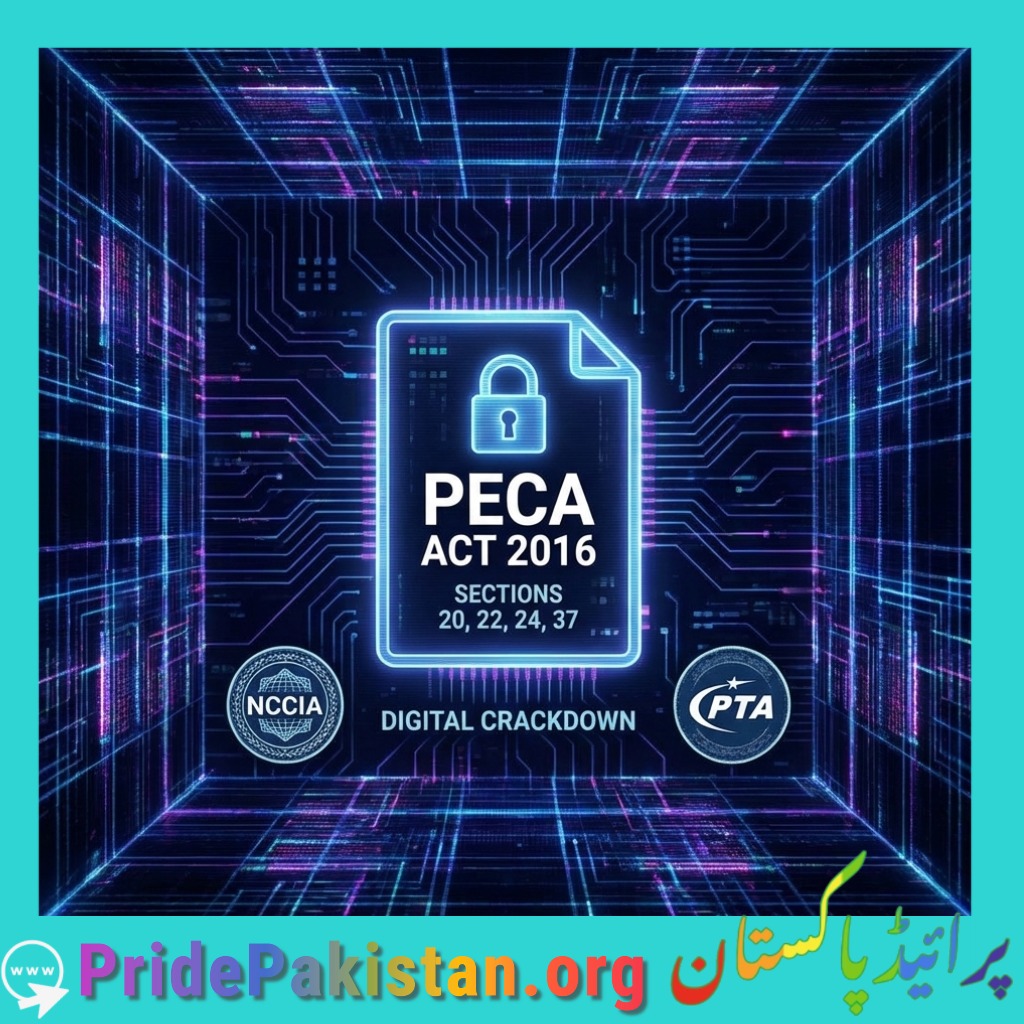
  • Weaponizing the Law: How PECA Sections are Used to Hunt the Gay Community in Pakistan

    Weaponizing the Law: How PECA Sections are Used to Hunt the Gay Community in Pakistan

    For years, the digital world was a sanctuary for the LGBTQI community in Pakistan—a place to find community, love, and support in a society that often refuses to acknowledge our existence. However, that sanctuary has been turned into a hunting ground. The Prevention of Electronic Crimes Act (PECA) 2016 is no longer just a law to stop cybercrime; it has become a primary tool for the FIA (Federal Investigation Agency) and NCCIA to target, entrap, and silence gay individuals.

    At PridePakistan.org, we are witnessing a terrifying trend where legal jargon is used to mask state-sponsored persecution. Here is a breakdown of how the PECA Act is being weaponized and why it stands in direct violation of basic human rights.

    The Legal Trap: Decoding the Sections

    The state frequently misinterprets or broadens the scope of specific PECA sections to justify the arrest of community members.

    1. Section 20: Offenses Against Dignity

    While designed to prevent defamation, this section is often used to criminalize private digital expressions of identity. By labeling gay content as “harmful to the dignity” of society or individuals, the state justifies the surveillance of private chats.

    • The Reality: Your private life is not a crime against anyone’s dignity. Privacy is a right, not a privilege.

    2. Section 22: Child Pornography (The Weapon of Scare Tactics)

    As discussed, Section 22 is a severe, non-bailable offense. We have received reports of authorities falsely applying or threatening this section during raids to intimidate gay men into “confessions” or to justify the seizure of their devices.

    • The Reality: Conflating adult, consensual gay relationships with child pornography is a malicious tactic used to dehumanize the community and ensure the public remains silent about these arrests.

    3. Section 24: Spoofing (Digital Identity Under Fire)

    Authorities often use the “Spoofing” clause to target people using pseudonyms or “fake” profiles on dating apps.

    • The Reality: For many LGBTQI Pakistanis, using a pseudonym is a safety necessity, not a criminal act. Forcing individuals to use real identities in a hostile environment puts their lives at risk.

    4. Section 37: Unlawful Online Content

    This is the “censorship” clause used to block PridePakistan.org and other dating platforms. It gives the state the power to decide what is “obscene” or “immoral.”

    • The Reality: Moral policing should not be the basis of law. Accessing information and community support is a fundamental human right.

    How PECA Violates Basic Human Rights

    The use of PECA against the gay community doesn’t just violate local laws; it breaches international human rights standards that Pakistan has committed to uphold.

    • Violation of Privacy (Article 14 of the Constitution): PECA is being used to bypass the “inviolability of dignity and privacy of home.” State agencies are entering the most private digital spaces of citizens without warrant or cause.
    • Freedom of Expression (Article 19): By blocking websites and arresting those who access them, the state is stifling the right to receive and impart information.
    • Right to Liberty and Fair Trial: Many community members are held without proper legal representation, subjected to torture in FIA custody, and forced to sign “confessions” under duress—all under the guise of a PECA investigation.

    A Strong Statement from PridePakistan

    “The Pakistani state is using PECA as a digital noose. Every day, our helpdesk receives thousands of messages from terrified individuals whose lives have been ruined by a simple text message or a dating app profile. These are not ‘criminal gangs’—these are our brothers, friends, and colleagues. Using cybercrime laws to target consensual behavior and identity is a dark stain on Pakistan’s justice system. We demand an immediate end to the entrapment, the torture, and the weaponization of PECA against the LGBTQI community.”

    What Can You Do?

    1. Educate Yourself: Know your rights under PECA. If you are detained, you have the right to remain silent and the right to a lawyer.
    2. Digital Safety: Use encrypted messaging apps (like Signal) and high-quality VPNs. Avoid sharing identifiable information on dating platforms.
    3. Report to Us: If you or someone you know has been targeted by the FIA or NCCIA, reach out to PridePakistan.org. Your story helps us build a case for international advocacy.

    The law should protect citizens, not persecute them for who they love.

  • Escalating Persecution: A Dark Chapter for the Gay Community in Pakistan and the Digital Witch Hunt by FIA & NCCIA

    Escalating Persecution: A Dark Chapter for the Gay Community in Pakistan and the Digital Witch Hunt by FIA & NCCIA

    A Statement of Solidarity and Urgent Concern

    At PridePakistan.org, we stand in unwavering solidarity with every member of the LGBTQI community currently living under a shadow of fear in Pakistan. Our organization is deeply saddened and outraged by the escalating wave of arrests, digital surveillance, and state-sponsored harassment targeting individuals based on their sexual orientation and gender identity.

    For too long, the international community has been told a convenient narrative: that while homosexuality is technically illegal in Pakistan under colonial-era laws, the state does not actively “prosecute” people for being gay. We are here to tell you that this narrative is a myth. Today, the persecution has moved from the streets to the digital world. The Federal Investigation Agency (FIA) and the National Cyber Crime Investigation Agency (NCCIA) have launched a coordinated crackdown, not just by blocking websites like our own (PridePakistan.org) and popular dating platforms, but by actively hunting down those who attempt to access these safe spaces.

    The Digital Trap: Entrapment and Human Rights Violations

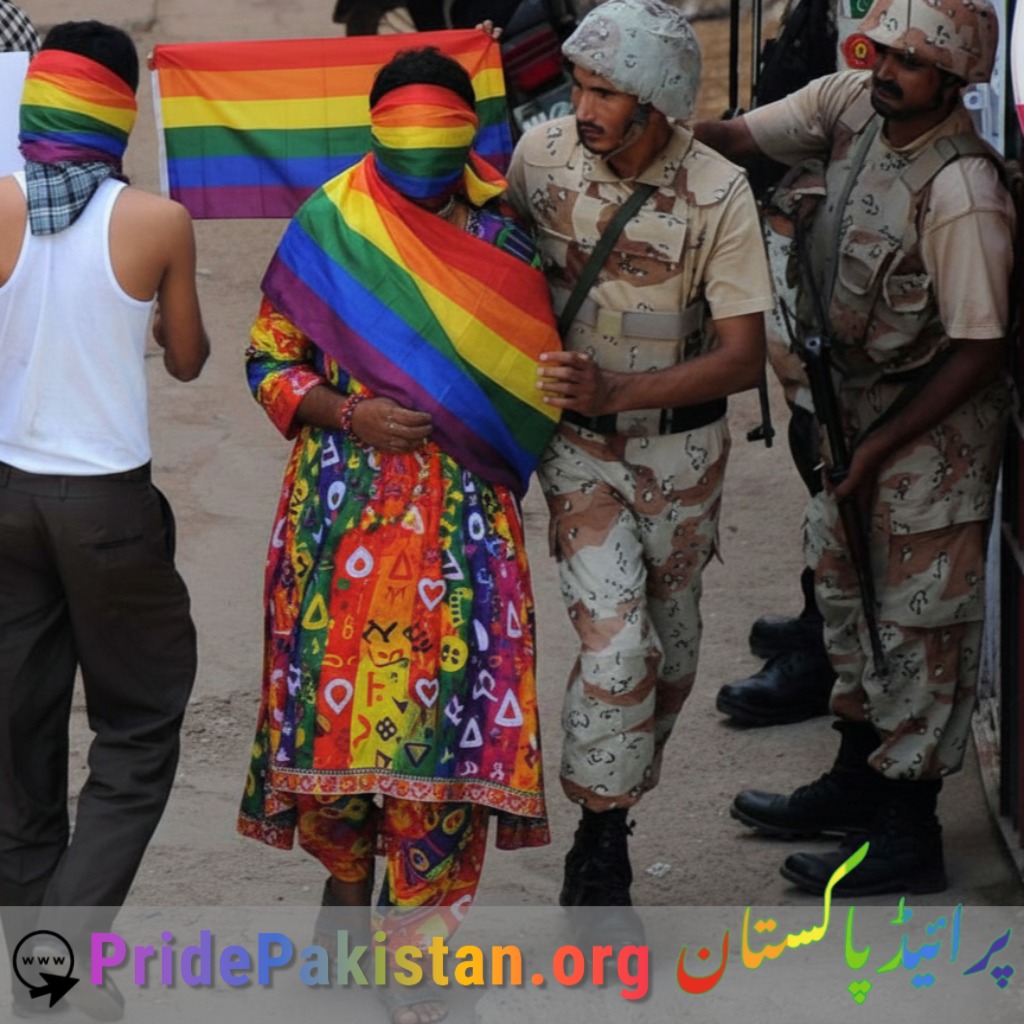
    The Pakistani state is utilizing the NCCIA and FIA to turn the internet into a minefield for the gay community. It is no longer just about censorship; it is about entrapment. Reports indicate that security agencies are monitoring dating platforms and using them to lure community members into “honey traps,” leading to public shaming, arrests, and the registration of First Information Reports (FIRs).

    The blocking of PridePakistan.org and other support resources is a direct attempt to isolate the community, cutting off access to mental health support, legal advice, and a sense of belonging. Even more alarming is the arrest of individuals simply for trying to bypass these blocks to find connection in a society that continues to marginalize them.

    The Reality of Torture and Daily FIRs

    PridePakistan issues this strong statement today because we can no longer remain silent about the volume of suffering we witness. On a daily basis, PridePakistan receives thousands of messages and calls for help. Our community members report:

    • Systemic Torture: Individuals taken into custody by the FIA and police are often subjected to physical and psychological torture.
    • Illegal FIRs: Authorities are using broad “obscenity” and “cybercrime” laws to register cases against gay men, often without any evidence of a crime other than their identity.
    • Blackmail: These arrests often lead to state-sanctioned extortion, where victims are forced to pay bribes to avoid public exposure or further violence.

    These actions are a blatant violation of fundamental human rights, including the right to privacy, the right to assembly, and the right to live free from torture.

    Reframing the Narrative: From “Criminals” to Human Beings

    Recent Urdu news reports (linked below) have characterized these incidents as the “arrest of homosexual gangs” or the “busting of unethical networks.” We want to rephrase these events for what they truly are: The targeting of vulnerable citizens seeking connection.

    Where the local media says “FIA arrests gang involved in unethical activities,” we say: “State agencies target individuals seeking safe digital spaces for community building.” Where headlines scream “Homosexual network busted via mobile apps,” we recognize: “The state is violating the digital privacy of LGBTQI individuals to justify illegal detention.”

    We urge the Pakistani state to remember that the gay community in Pakistan consists of its own citizens—doctors, engineers, students, and workers—who deserve the same protection of law as any other individual.

    Call to Action

    We call upon human rights organizations, both local and international, to take notice of the FIA and NCCIA’s targeted campaign against the gay community in Pakistan. Privacy is a human right. Connection is a human right. Freedom from torture is a human right.

    To our community members: Please stay safe. Use high-quality VPNs, be cautious of who you meet via digital platforms, and know that PridePakistan.org continues to fight for your visibility and safety, even when the state tries to switch off our lights.

    References and News Archive

    The following reports document the recent surge in state actions against the community. We include these to show the scale of the crackdown, while condemning the derogatory language often used by these outlets:

    1. BBC Urdu: Crackdown on social media and dating apps
    2. Daily Pakistan: FIA actions against dating platform users
    3. Jang News: Reports on arrests related to digital networking
    4. City42: Police and FIA raids on community members
    5. Express News: Targeted arrests of gay individuals in major cities
    6. Googly News: The state’s focus on “Blue” apps and digital surveillance

  • PridePakistan Strongly Condemns PTA’s Blocking of Our Website and the Escalating Digital Crackdown on the LGBTQIA+ Community

    PridePakistan Strongly Condemns PTA’s Blocking of Our Website and the Escalating Digital Crackdown on the LGBTQIA+ Community

    The digital repression of LGBTQIA+ people in Pakistan has entered a new and alarming phase. After years of blocking gay dating apps, LGBTQIA+ websites, and online support platforms, the Pakistan Telecommunication Authority (PTA) — in coordination with FIA, NCCIA, and other state agencies — has now blocked access to PridePakistan.org inside Pakistan.

    This is not an isolated act of censorship.
    It is part of a systematic effort to erase, silence, and endanger the LGBTQIA+ community.

    PridePakistan.org Blocked Nationwide — Even VPNs and Proxies Targeted

    For many years, LGBTQIA+ Pakistanis have relied on PridePakistan.org as one of the only safe, community‑run platforms offering:

    • Mental health support
    • Legal information
    • Emergency guidance
    • Asylum resources
    • Community connection
    • Safety alerts

    But instead of protecting vulnerable citizens, the state has chosen to criminalise access to support.

    PTA has:

    • Blocked PridePakistan.org across all major ISPs
    • Blocked gay dating apps and LGBTQIA+ websites
    • Blocked VPNs and proxy services commonly used to access PridePakistan.org
    • Pressured tech companies to restrict LGBTQIA+ content

    This is not “internet regulation.”
    This is targeted digital persecution.

    PTA Has Written to Social Media Platforms and Tech Companies to Block PridePakistan

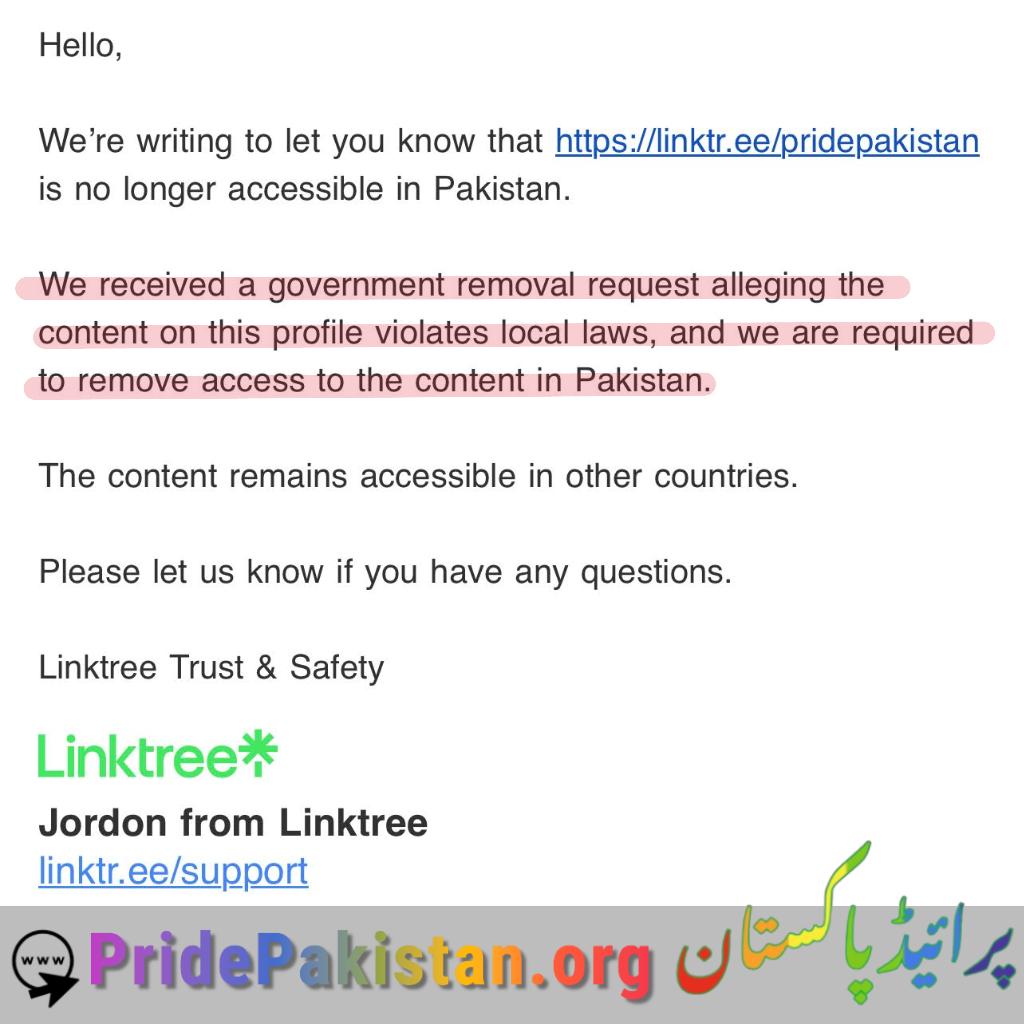
    In a deeply troubling escalation, PTA has written to multiple global platforms — including Linktree, social media companies, and IT service providers — instructing them to block access to PridePakistan.org and related resources inside Pakistan.

    This means:

    • LGBTQIA+ Pakistanis cannot access our Linktree
    • Our social media links may be restricted
    • Our educational resources are being censored
    • Our safety guides are being intentionally hidden

    This is an attempt to cut off the community from every possible lifeline.

    A Pattern of State‑Backed Harassment and Digital Surveillance

    The blocking of PridePakistan.org comes after years of:

    • Arrests of gay men through digital entrapment
    • FIA and NCCIA raids based on online activity
    • Phone searches without consent
    • FIRs filed under cybercrime and morality laws
    • Torture and harassment of detainees
    • Public humiliation in media reports
    • Censorship of LGBTQIA+ content across platforms

    Authorities claim that “Pakistan does not prosecute people for being gay.”
    But the evidence — and the lived experience of thousands — tells a very different story.

    PridePakistan’s Official Statement

    On behalf of PridePakistan, we issue this clear and unwavering condemnation:

    Blocking PridePakistan.org, targeting LGBTQIA+ websites, arresting gay community members, and censoring digital access are violations of fundamental human rights, freedom of expression, and the right to safety.

    These actions:

    • Endanger LGBTQIA+ lives
    • Cut off access to mental health and legal support
    • Force people into isolation
    • Criminalise identity and existence
    • Violate international human rights standards

    We receive thousands of messages every year from LGBTQIA+ Pakistanis who are terrified, targeted, and desperate for help. Blocking our website does not stop the community from existing — it only makes them more vulnerable.

    Why This Matters

    When a state blocks:

    • LGBTQIA+ websites
    • Gay dating apps
    • VPNs
    • Proxies
    • Social media links
    • Community support platforms

    …it is not “regulation.”
    It is erasure.

    It is an attempt to silence a community that already lives under threat, discrimination, and violence.

    PridePakistan Will Continue to Stand With the Community

    Despite censorship, intimidation, and state pressure, PridePakistan remains committed to:

    • Providing support
    • Sharing resources
    • Documenting abuses
    • Advocating for human rights
    • Amplifying LGBTQIA+ voices

    We will continue to operate globally, and we will continue to fight for the safety, dignity, and freedom of LGBTQIA+ Pakistanis.

    The community deserves protection — not persecution.

  • Emergencies

    Emergencies

    At PridePakistan.org, we know that in moments of extreme crisis, whether you are facing physical violence, a forced marriage, or thoughts of self-harm—finding help can feel impossible. Please remember that our organization does not have its own rescue teams; we rely on these public services to keep you safe.

    CategoryServiceNumberWhy Contact This Number?
    Life & SafetyPolice Emergency15For immediate physical danger, theft, or assault.
    All-in-One RescueRescue 11221122Primary contact for ambulance, fire, or disaster rescue (Best in Punjab/KPK).
    Ambulance (NGO)Edhi Foundation115Reliable, nationwide medical transport.
    Ambulance (NGO)Chhipa1020Extremely fast emergency transport (Best in Karachi/Sindh).
    Ambulance (Private)Aman Ambulance1021Advanced life-support medical emergencies.
    Fire EmergencyFire Brigade16For active fire situations if 1122 is unavailable.
    Online SafetyFIA Cybercrime1991If you are being blackmailed, harassed online, or your private photos are being leaked.
    Human RightsMO Human Rights1099To report illegal confinement, forced marriage, or torture.
    Child SafetyChild Protection1121For those under 18 facing family violence or abuse.
    Mental HealthHumraaz (Govt)1166For suicide prevention and immediate psychological support.
    Security (Rural)Rangers1101For security assistance in areas where Rangers are active.
    Security (Border)Coast Guards1102For emergencies in coastal rural regions.

    🛡️ Your Safety Protocol

    In any emergency call to 15 or 1122, you do not need to disclose your sexual orientation or gender identity. Focus on the physical threat: State clearly if you are being attacked, if there is a medical emergency, or if you are being held against your will.

    • Privacy is protection: Keep your identity private during the initial call to ensure responders arrive quickly without bias.

    🚨 Emergency Contacts by Region

    While 1122 (Rescue) and 15 (Police) are the standard for most of Pakistan, here are the specific contacts for administrative and rural territories:

    Federal & Northern Territories

    • Islamabad (ICT): Police: 15 or (051) 9102108
      • Rescue/Ambulance: 1122
    • Gilgit-Baltistan (GB): Police: 15
      • Rescue 1122: Active in major districts like Gilgit and Skardu.
    • Azad Jammu & Kashmir (AJK): Police: 15
      • Rescue 1122: Dial 1122 for ambulance and disaster relief.

    Rural and Border Area Assistance (Army/Paramilitary)

    In remote or rural areas where police presence may be thin, these paramilitary forces often provide security:

    • Rangers (Sindh/Punjab): 1101
    • Frontier Corps (KPK/Balochistan): Contact local checkposts or dial 1122 to be routed to the nearest security assistance.
    • Coast Guards (Coastal Rural areas): 1102

    👮 Tahafuz Centers & Specialized Police Support

    If you feel you must disclose your queer identity to seek protection, we recommend visiting a Tahafuz Center (Protection Center). These are specialized desks within police stations designed to support marginalized groups.

    While these desks are specifically for transgender individuals, the officers there are often trained to be more empathetic. You may find it safer to speak with a Transgender Police Officer about your situation than a regular officer.

    • Rawalpindi: Tahafuz Center, Police Lines HQ.
      • Contact: (051) 9292675
    • Lahore: Multiple “Meesaq” and “Tahafuz” centers (e.g., Liberty Khidmat Markaz).
    • Multan: Tahafuz Center at Police Lines Multan.
    • Karachi: Gender Protection Unit at various Model Police Stations.

    Advice: When approaching these centers, you can ask to speak specifically with the Transgender Victim Support Officer (TVSO). While you may be gay or lesbian, these officers are your best chance for a non-judgmental hearing within the police system.

    ⚖️ Human Rights & Child Protection

    If your rights are being violated by your family (forced marriage, conversion therapy, or confinement), use these official oversight numbers:

    • Ministry of Human Rights Helpline: 1099 (National)
    • Child Protection & Welfare (For those under 18): 1121
    • FIA Cybercrime (Blackmailing/Online Harassment): 1991

    💚 Mental Health & Suicidal Thoughts

    If the psychological pressure of forced marriage or family stigma feels unbearable, please do not give up. You are loved, and your life has immense value. If you are having thoughts of suicide or self-harm, please visit our dedicated support section immediately for professional, discreet help:

    CLICK HERE FOR PRIDEPAKISTAN MENTAL HEALTH SUPPORT

    Direct Helplines for Crisis:

    • Humraaz (Govt Mental Health): 1166
    • Taskeen Helpline: 0316-8275336
    • Umang Suicide Prevention: 0311-7786264

    📝 Report an Incident

    If you have used any of these services and faced discrimination or been refused help because of your identity, please let us know. We document these cases to fight for better protections for the LGBTQIA+ community in Pakistan.

    LINK TO REPORT EMERGENCY SERVICE DISCRIMINATION

    https://forms.gle/WoFG466RTBB44PXg9

  • Our Founder Ali Raza Khan Joins Regional Call to Decriminalize Sex Work

    Our Founder Ali Raza Khan Joins Regional Call to Decriminalize Sex Work

    At Pride Pakistan, our mission has always been to advocate for the most marginalized voices within our community. This year, for the International Day to End Violence Against Sex Workers, our founder Ali Raza Khan joined the Asia Pacific Network of Sex Workers (APNSW) in a landmark regional campaign.

    Speaking as a gay sex worker from Pakistan, Ali highlighted a truth that is often silenced: in our patriarchal society, the criminalization of sex work doesn’t “protect” anyone—it actively facilitates violence, particularly against Male Sex Workers (MSWs) and Men who have sex with men (MSM).

    The Invisible Crisis: Male Sex Workers in Pakistan

    In Pakistan, the discussion around sex work is often limited to female workers, leaving MSWs in a state of extreme vulnerability. According to recent data, the numbers and the risks are staggering:

    • Population Estimates: UNAIDS estimates there are approximately 832,200 men who have sex with men (MSM) in Pakistan, a significant portion of whom engage in sex work for survival or livelihood (UNAIDS, 2024).
    • HIV Vulnerability: While the national HIV prevalence in the general population is low, it is disproportionately high among key populations. Men constitute 69.4% of new HIV cases reported in 2024, often due to a lack of access to safe working conditions and health services (The News International/Ministry of Health, 2024).
    • Systemic Violence: Research shows that criminalization drives sex work underground, making it nearly impossible for MSWs to report violence. A 2025 Global Torture Index report classifies Pakistan as “high risk,” noting that police regularly employ torture and extortion against vulnerable individuals, including LGBTQIA+ and sex-working communities (OMCT, 2025).

    Why Decriminalization is the Only Path Forward

    Criminalization creates a “culture of impunity.” When a male sex worker is robbed, beaten, or extorted, he cannot go to the police because the law views him as the criminal. This allows perpetrators—including state actors—to target our community without fear of consequence.

    Decriminalization is not just a legal shift; it is a life-saving intervention. It allows for:

    1. Access to Justice: The ability to report crimes without fear of arrest.
    2. Health Rights: Improved access to HIV prevention, ART, and mental health support.
    3. Workplace Safety: The ability to negotiate safe sex and refuse dangerous clients.

    Official Statement from PridePakistan.org

    “On this International Day to End Violence Against Sex Workers, Pride Pakistan stands in unwavering solidarity with sex workers of all genders. We recognize sex work as work and demand an immediate end to the criminalization that fuels the torture and humiliation of our community members.

    We call upon the Government of Pakistan to align with international human rights standards and recognize that you cannot end violence while you continue to criminalize the victims. Safety, dignity, and healthcare are human rights—not privileges to be revoked based on how one earns a living.”

    You can watch the regional solidarity video featuring Ali Raza Khan on the APNSW Facebook Page

    Youtube Page: International Day to End Violence Against Sex Workers – YouTube

    or Instagram: https://www.instagram.com/p/DSW1WqHjfGw/

    and join the conversation using the hashtags below.

    #PridePakistan #EndViolenceAgainstSexWorkers #DecriminalizeSexWork #MSWRights #SexWorkIsWork

    References:

    1. UNAIDS Pakistan Data (2024–2025)

    • Link: UNAIDS Pakistan Country Page
    • Key Detail: Provides the estimate of 832,200 men who have sex with men (MSM) in Pakistan and tracks the “fastest-growing HIV epidemic” in the region.

    2. Global Torture Index 2025 (OMCT)

    3. WHO & Ministry of Health Reports (2024–2025)

    4. APNSW Regional Campaign

    5. Human Rights Watch / Amnesty International (2025)

    Further Reading & References:

  • Membership Benefits

    Membership Benefits

    At Pride Pakistan, we believe that empowerment begins with connection. Our membership program is designed to bring together LGBTQI+ individuals of Pakistani origin who are committed to advocacy, awareness, and collective growth. Whether you’re seeking peer support, visibility, or a platform to contribute your voice, becoming a member is a powerful step toward building a more inclusive future.

    We’ve recently launched a new, streamlined membership page to make joining easier than ever:
    👉 Join Us Now

    What Does Membership Offer?

    We offer two types of membership: General Members and Executive Members. Both are open to LGBTQI+ individuals of Pakistani origin, and both come with meaningful benefits.

    🌈 General Members

    General membership is ideal for individuals who want to stay connected, access support, and contribute to our mission. Benefits include:

    • Inclusion in email updates and discussion groups
    • Access to one-on-one peer support sessions by appointment
    • Opportunity to write and publish blogs on our website
    • Ability to share your work and activities on our social media (aligned with our mission)
    • Affiliation for organized activities
    • Access to membership support letters and certificates
    • Full access to Pride Pakistan’s LGBTQI+ resource library

    💼 Executive Members

    Executive membership is for those who want to take on leadership roles and actively shape our campaigns and outreach. In addition to all general member benefits, executive members receive:

    • Profile and bio featured on our website and social media
    • Ability to mentor others through peer support sessions
    • Organize and host virtual events and activities
    • Voting rights in biannual executive leadership selections
    • Eligibility to run for executive leadership positions after two years
    • Authority to post statements and represent Pride Pakistan at external events
    • Use of Pride Pakistan merchandise for aligned initiatives
    • Access to specialized support letters for volunteering, events, and scholarships
    • Contribution rights to our resource library and blog platform
    • Access to executive communication channels for collaboration and planning

    Membership Benefits Comparison

    BenefitGeneral MembersExecutive Members
    Emails & Discussion Groups✔ Included✔ Included
    Peer Support (1-on-1 sessions by appointment)✔ Access✔ Access (can also mentor others)
    Write & Share Blogs on Website✔ Allowed✔ Allowed + contribute opinion blogs to resources
    Share Work/Activities on Social Media✔ If aligned with PridePakistan mission✔ Showcase of activities & profile featured
    Affiliation for Organized Activities✔ Yes✔ Yes (can also host activities as focal person)
    Membership Support Letters & Certificates✔ Available✔ Available + special letters for volunteering fields, events, scholarships
    Access to LGBTQI+ Resources✔ Full access✔ Full access
    Profile & Bio Featured on Website/Social Media✘ Not included✔ Included
    Organize Online Peer Support Sessions✘ Not included✔ Allowed
    Organize & Host Virtual Activities✘ Not included✔ Allowed
    Voting Rights (Executive Leadership Team)✘ Not included✔ Eligible to vote biannually
    Run for Executive Leadership Position✘ Not included✔ Eligible after 2 years of membership
    Post Statements on Behalf of Pride Pakistan✘ Not included✔ Allowed
    Represent Pride Pakistan at Events/Organizations✘ Not included✔ Allowed
    Use Pride Pakistan Merchandise✘ Not included✔ Allowed
    Executive Communication Channel✘ Not included✔ Full access to executive + general member channels
    Leadership & Visibility OpportunitiesLimited✔ Expanded leadership and visibility

    Why We Ask for a Membership Fee

    Pride Pakistan is a 100% volunteer-led initiative. We do not offer salaried jobs or paid positions. Only project-based activities may be compensated for members. Your membership fee helps us cover basic costs like website hosting, secure cloud data, and outreach campaigns.

    • General Membership: $20 USD/year
    • Executive Membership: $40 USD/year

    If you’re looking for employment opportunities, please visit the Support Jobs section in our Support Page.

    Join the Movement

    By becoming a member, you’re not just signing up — you’re standing up. You’re joining a resilient, creative, and compassionate community that’s working to uplift LGBTQI+ voices across Pakistan and the diaspora.

    Ready to take the next step?
    👉 Join Us Now

    Together, we rise.

    Why Join?

    By becoming a member, you are helping to build a stronger, more inclusive, and supportive environment for LGBTQI+ people of Pakistani origin. Your membership fee sustains our website, social media campaigns, and secure cloud data, ensuring Pride Pakistan continues to empower and uplift our community.

    For those who wish to contribute more, you are welcome to adjust the donation amount as you wish. Stripe also allows you to select monthly payments if you prefer to support us regularly. You can read more about these options on our updated Donate Section.

    Join us today and be part of the movement for awareness, advocacy, and empowerment.

    Important Note

    By joining as a member, please understand that Pride Pakistan is not responsible for the acts of individual members. Membership is an honorary volunteer position designed to empower and encourage LGBTQI+ people of Pakistani origin.

  • Life as a Gay Asylum Seeker from Pakistan

    Life as a Gay Asylum Seeker from Pakistan

    This article is reposted with credit to DesiBlitz and Shezad’s interview on YouTube.

    Shezad’s Story

    Shezad, a Pakistani gay man, shared his journey of seeking asylum abroad. His story reflects the painful reality faced by many LGBTQI people in Pakistan: living under constant fear of violence, rejection from family, and the impossibility of living openly.

    In his interview, Shezad describes the challenges of leaving Pakistan in search of safety and dignity. Yet even after reaching a “safe” country, asylum seekers often face new struggles—long waits in detention centers, psychological trauma, and the uncertainty of whether their applications will be accepted.

    The Harsh Reality for Gay Asylum Seekers

    For many gay men leaving Pakistan, the dream of a happy life abroad comes at a devastating cost:

    • Loss of money and resources during dangerous journeys.
    • Risk of death while traveling or crossing borders.
    • Depression and isolation in asylum centers.
    • Application refusals, leaving individuals in limbo or facing deportation.
    • Detention in prisons or psychiatric wards in countries that claim to be “safe.”

    Many governments still consider Pakistan a “safe country” for bisexual and gay men if they remain discreet. This dangerous assumption ignores the reality: discretion often means living in silence, fear, and denial of identity.

    Why This Matters

    Shezad’s story is not unique. It represents countless gay and queer men from Pakistan who are forced to choose between survival and authenticity. Without resources or visibility, many lose their lives—whether through suicide, family violence, or systemic neglect.

    At PridePakistan.org, we believe no one should have to hide their identity to stay alive. We provide support resources for:

    • Asylum seekers navigating complex legal systems.
    • Psychological support for those facing trauma.
    • Shelter and emergency aid for LGBTQI people in crisis.

    We thank DesiBlitz and Shezad for sharing this important story. By amplifying these voices, we hope to raise awareness of the urgent need for safe spaces, advocacy, and solidarity for Pakistani gay men and the wider LGBTQI community.

    👉 Read the original story on DesiBlitz and watch Shezad’s interview on YouTube.

    DESIblitz retells the harrowing tale of one man’s experience as a gay asylum seeker from Pakistan. We reveal the real-life story of Shezad*.

    By Ruby Hashmi

    Updated   April 2, 2025

    “Gay means to be happy. But I’ve never felt any sense of happiness”

    Life as a gay asylum seeker from Pakistan is a traumatic experience filled with uncertainty, dread and panic.

    India reached a pivotal moment in history on September 6, 2018. Article 377, notorious for its prohibition of homosexual activity, was repealed.

    The Supreme Court of India declared Article 377 “irrational, indefensible and manifestly arbitrary,” rendering its application to consensual sexual conduct between adults obsolete.

    Article 377 of The Penal Code of 1860 was first introduced by the British throughout their rule of India, criminalising all sexual acts deemed “against the order of nature.”

    Whilst Indians have since celebrated this victory, Pakistan and Bangladesh still adhere to the Victorian era law where homosexual acts can be punishable by prison sentences.

    For those Pakistanis who cannot survive the law and restrictions, the only way out for them is to seek asylum and seek refuge in another country. Especially, if they are found out or get in trouble with the authorities.

    We follow one such story of Shezad Ahmed*, a gay asylum seeker who fled Pakistan to the UK to help him openly accept his sexuality.

    Asylum Claims in the UK

    Based on experimental statistics, 6% of all asylum claims from 1 July 2015 and 31 March 2017 were on the basis of sexual orientation.

    The highest number of asylum claims where sexual orientation was raised as part of the basis of the claim came from Pakistan – where 1,000 claims were made.

    Even so, very few asylum claims on the basis of sexuality are accepted in the UK.

    Gay asylum seekers form a minority within a minority, making them susceptible to prejudice and discrimination on more than one ground.

    On the one hand, they are ostracised for their sexuality. On the other, they are condemned by nationals for their unfamiliar origins.

    A community virtually unheard of in the mainstream media, DESIblitz delves more into this stigmatised area of life.

    We come face to face with Shezad, who shares his tumultuous journey as a gay asylum seeker from Pakistan.

    Painful Beginnings

    Shezad’s story begins in Peshawar, Pakistan. He was born into a working-class family and grew up in a poverty-stricken home, with a drug addict for a father.

    He was forcibly removed out of education at the tender age of 11 to enter the world of manual labour.

    After spending time away from home, he recalls a harrowing encounter with a friend of his uncle which he believes was a turning point in his life.

    Shezad, tentatively, says:

    “What I’m about to tell you I don’t even think I’ve told immigration.

    “I was about 13 or 14 … I woke up in the middle of the night. I don’t remember the time. I don’t know what happened exactly, but when I looked down I had no trousers on.

    “Whatever happened after that, all I know is that I had become obsessed with sex. I tried to have sex with objects, anything I could.”

    From this point onward, he adopted a strong sense of fear in his daily life regarding his sexuality, something he would have to keep a secret in order to survive.

    His first relationship with a man developed with a fellow colleague, soon after establishing his own business.

    Though he strove to live his own life freely, it wasn’t long before family pressures began to consume him. Especially, expectations around marriage.

    At around 30 years of age, he married his first cousin at the behest of his mother.

    Though he delayed the marriage for as long as he could, Shezad had little choice in the matter. The decision for him to marry his cousin was made even before he was born.

    After spending some time with his wife in Pakistan, he later moved to Saudi Arabia, where life got no easier.

    “I was scared. If the authorities found out [about my sexuality] they would behead me.”

    Aside from strict Saudi laws, the citizens also gave Shezad a hard time, in particular when he was attacked in a brutal hate crime. Regardless, he still masked the truth in fear of his own life.

    “I was so scared of the authorities that I didn’t say anything. So, I just said that I had an accident.

    After enduring several years of hardship in Saudi Arabia, he returned to his motherland, where he continued living his loveless marriage and engaged in another relationship with a man for a number of years.

    As his mental health began to deteriorate and he knew he had to get away from the life he was living.

    He decided to come to England in search of a better and more acceptable life.

    “I always thought I’d earn enough money to leave Pakistan. It was always my thought process.

    “I knew my whole life I couldn’t live in Pakistan but I had no means to get out. When I found a way, I came here.”

    Unfortunately, Shezad faced difficulties even in the UK after fleeing Pakistan.

    He found himself homeless on several occasions; often having to sleep outside, in the car, or seeking refuge in a friend’s house if he was ever granted the opportunity.

    Whilst he was informed of LGBT support groups by his lawyer, he found it difficult to relate to others. His inability to speak English formed a barrier with locals, and he was afraid to confide in other South Asians in fear of judgement.

    ‘Proving’ his Homosexuality

    Shezad had the misfortune of meeting people who could not accept him as a part of their social circle.

    “I finally started going to meetings, but even so, I felt very alone.

    “My problem is that I can’t share my pain with anyone. I’d rather put myself through pain than put others through pain.”

    Even within the LGBT community, he bore the brunt of prejudice and discrimination.

    “When I went to LGBT meetings, some people wouldn’t talk to me, some wouldn’t shake my hand.”

    “They’d say it was because I was an asylum seeker, or I was Pakistani, or they didn’t believe I was gay.

    “Many people do this to me. They don’t like me, they get angry at me. I can’t tell if it’s because there’s something wrong with me. Am I lacking something?”

    Fortunately, Shezad managed to gain a support system around him, in particular, from his doctor.

    “There is no person better than my doctor. He looked after me, he helped me. I feel better talking to Asians about being gay now.

    “My doctor knew everything about me and still helped me with everything.”

    Like many gay asylum seekers, Shezad found it difficult to ‘prove’ his sexuality to the authorities, which is often a requirement in UK law.

    “If this [being gay] was a medical situation it would be so much easier. But it’s not. It’s a feeling.”

    Gay asylum seekers were often subjected to ‘homosexuality tests,’ a series of psychological tests to ‘prove’ their sexuality.

    However, in January 2018, these were outlawed after being deemed a violation of human rights by The European Court of Justice.

    Family and Community Reactions

    Despite fathering three children, which does question Shezad’s sexuality as to whether he is bi-sexual or homosexual; he strongly condemns the idea of living with them.

    Speaking about how they would react to his orientation, he says:

    “I don’t want my children to live with me. They would have a difficult life and so would I.

    “Maybe you can accept this but in Pakistan, they can’t. When they grow up, how will they accept that their father is gay?

    “I want to help them with all their worldly needs, but it’s not suitable for us to live together.

    “Nor my wife, nor anyone else in Pakistan knows that I’m gay. If anyone found out I wouldn’t have been able to come here. How would I? I would have died already.

    “There was one guy in my village whose penis, nose, ears and tongue were chopped off. That was his punishment for being gay.

    “You can hit someone, but to chop off their body parts? That’s too much.

    “If anyone in my family knew I was gay, they’d want to end me.”

    “Gay means to be happy. But I’ve never felt any sense of happiness from being gay. I’ve been punishing myself. I have no power to change how I feel. What you are, you are.”

    Accepting his Sexuality

    Despite the numerous hardships, Shezad confidently states that he would much rather live in England than in Pakistan.

    “I had no option. I couldn’t live there, even though I had a home, everything. I wasn’t happy. I couldn’t handle it.

    When asked if he feels happy, Shezad humbly responds:

    “Yes, I am happy. I have friends around me. How can I not say I’m happy when I can sit among three people and openly tell them I’m gay? That is happiness for me.”

    Accepting his own sexuality has been a major challenge for Shezad as he explains:

    “I tried to change this about myself. I’ve tried so hard. I punished myself as well as enduring other peoples’ punishments.

    “I’m strong. But when it comes to being gay I become so weak.

    “Eventually I said to myself, ‘Okay, I’m gay.’ No one can do anything about it.”

    As a concluding statement, Shezad bravely requests:

    “I just want people to understand that gay is gay. You can’t do anything about it. That is all.”

    People like Shezad are not alone. 20% of Pakistani asylum claims were made on the basis of sexual orientation between July 2015 and March 2017.

    Many gay asylum seekers find themselves shunned by society, with little to no support from those around them. Yet, those like Shezad continue to show courage in the face of adversity.

    Until security is guaranteed, gay asylum seekers will continue in their tireless pursuit of a safe haven.

    In situations where a life is at stake, the situation becomes very dangerous for individuals like Shezad who try to fit in but find it difficult even in the country they are born due to their sexual oreintation.

    If you or anyone you know is personally affected by Shezad’s story, please do not hesitate to contact the following organisations:

     * Names are changed for anonymity.

  • Ali Saleem: The Queen of Karachi and the Struggles of Gay Men in Pakistan

    Ali Saleem: The Queen of Karachi and the Struggles of Gay Men in Pakistan

    This article is reposted with credit to Metro Weekly. Please visit their website to read the full original profile.

    A Celebrity Forced Into Exile

    Ali Saleem, famously known as “The Queen of Karachi,” rose to prominence as a bold, queer performer in Pakistan. Despite his celebrity status, wealthy background, and family ties to the military elite, Saleem was forced to leave Pakistan simply to stay alive. His story, as profiled by Metro Weekly, reflects the precarious reality of being openly queer in a country where visibility often comes at the cost of safety.

    Article:

    In the nearly inexhaustible catalog of D.C.-based mission-driven organizations, AsylumWorks is a noble entry for assisting asylum seekers and other “newcomers” in the D.C. metro area and beyond.

    Their LGBTQ component, PRISM (Pride Refugee & Immigrant Support Meet-up), grew out of similar work being done by a group at The DC LGBTQ+ Community Center, Center Global. And atop PRISM’s Facebook page is a photo from the 2022 Capital Pride Parade. There are many beaming faces, including Ali Saleem’s, front and center.

    Front and center suits Saleem perfectly. He’s not merely at home in the spotlight. Arguably, he was born for it, 45 years ago in Pakistan. There, Saleem reached the most dazzling heights of celebrity, through a journey that began in his mother’s closet.

    “I was completely in awe of all the gorgeous women, all the divas,” says Saleem, reaching back to childhood. “We had a lot of Indian movies — ‘Bollywood,’ as you call it…. And then I fell in love with Benazir [Bhutto] when I was 9 years old and she became prime minister of Pakistan for the first time. This beautiful woman with flawless skin and red lipstick who wears the dupatta over her head — so elegant and so graceful. I wanted to be like these divas.”

    Young Ali did just that when his Army officer father and government official mother had evenings out, diving into his mother’s wardrobe and cosmetics. Occasionally, his parents arrived home to find him reveling in the transformation. In some families, this might have prompted severe punishment. Saleem says his parents never offered more than a mild scolding.

    As his schooling progressed and Saleem found himself drawn to dramatic arts, opportunities arose to perform. Eventually, he even had a chance to remake himself as his favorite diva, the aforementioned Prime Minister Bhutto.

    “I walked onstage as Benazir Bhutto, but in a burqa,” Saleem recalls of a performance with a sketch-comedy troupe very early in his career. “We had the prime minister of Pakistan at the time, Shaukat Aziz, sitting in the audience. These were very high-priced tickets, a very elite audience, the ‘who’s who’ of Pakistan political society and celebrities.

    “When I finished my opening dialogue, there was pin-drop silence. And then there was just an uproar! People were bursting with laughter and falling out of their chairs. There was this cheer. I knew this was what I wanted to do for the rest of my life, to be an entertainer.”

    With Benazir Bhutto as his muse, in a sense, that is what Saleem did. For a time, he would continue this impersonation, this homage, as his star rose ever higher in Pakistani high society. He even brought his Bhutto likeness to national television audiences, while outwardly embracing an androgynous style for themself.

    If Bhutto had twice been Pakistan’s prime minister, Saleem was to become its queen — “I was the queen of Karachi for sure, Honey!” — as an entirely new persona, Begum Nawazish Ali. READ THIS STORY IN THE MAGAZINE

    It was 2004, says Saleem, that a film-industry friend suggested that he break away from the Bhutto box. “‘You need to be your own self. I see a diva in you!’” is how Saleem remembers the guidance. “That conversation was so powerful for me.”

    The friend assigned a new persona, with “Begum” being a sort of amorphous word in Urdu, that might mean “princess” or “lady” or, in Saleem’s case, a wife of high-ranking social status. “Nawazish” came from a popular song, where it was used to express gratitude. And Ali is simply pure Saleem.

    Working as an associate producer for a Pakistani TV station, Saleem wrote up a proposal for a talk show to be hosted by this new persona. While there was immediate interest from colleagues, Saleem says his project languished until a newly formed competing network got wind of it. Saleem’s Late Night with Begum Nawazish Ali was launched, Aug. 13, 2005.

    “Oh, my God. It was unbelievable,” says Saleem, his voice cracking slightly. “I’m getting emotional just talking about it. It was as if God and the entire universe was suddenly answering my prayers…. My first episode, I was able to get Makhdoom Amin Fahim, who was the acting chair of the Pakistan Peoples Party. And Reema, who was the No. 1 film actress…. It was the most talked about show in Pakistan.”

    Shah Yasir, a Pakistani screenwriter who lives in the D.C. area, shares his sense of what it was like in Pakistan at the time, watching Saleem’s celebrity blossom.

    “I remember first hearing about a boy who could impersonate former Prime Minster Benazir Bhutto when I was in high school in Karachi,” Shah says. “I even got to see them give an impromptu performance of that impersonation at a friend’s party shortly before I left for college in the States. After that, I watched them rise quickly to fame as a female-impersonating talk show host on Pakistani TV.

    Begum Nawazish Ali was a hit among countless families who not only accepted, but also adored, a drag queen…. I think it’s also noteworthy how drag queens reading storybooks is still a topic of such vitriol and controversy in the States in 2024, when in Pakistan a drag queen talk show was not only accepted but in fact a huge hit among millions of households back in the early 2000s.”

    As the U.S. has, in ways, taken conservative turns, so has Pakistan. Saleem says that while audiences across the social strata were adoring, work trips to India were sparking some interest from shady corners of government. Saleem says he wasn’t particularly cooperative with requests from government agents — requests, says Saleem, that went so far as to demand he arrange liaisons between female celebrities he knew and government officials.

    While he had other professional projects in the works, his show was canceled. He later launched another talk show, simply as himself, The Late Late Show with Ali Saleem, but that, too, ended. At the same time, he says, a mood hostile to his brand of entertainment was growing.

    “There’s always the right wing, the self-righteous people who hate you for who you are,” Saleem bluntly observes. “As my fan base was increasing, so were the people who were against what I represented. For them, I was becoming a bigger and bigger threat. ‘Is this what the Islamic Republic of Pakistan stands for? Is this a role model for our boys? This needs to be stopped.’

    Saleem says his focus on work, the whirlwind of parties, made it easy for him not to notice how the political environment was turning for the worse. Until his best friend, Sheikh Amir Hassan, was murdered in 2008. Hassan had been at Saleem’s home for a party, returning to his own residence in the early hours. Later that morning, Saleem received word that Hassan had been shot in his home. Hassan’s murder was sensationalized, with a variety of outlets victim-blaming, with Saleem’s own lifestyle becoming fair game in the press.

    As the atmosphere continued to change, Saleem says he was later advised by authorities that someone related to the Taliban had been arrested with suicide-bomb equipment. It was not lost on Saleem that in 2007 a suicide bomber assassinated his beloved Benazir Bhutto.

    “During interrogation, he revealed the names of celebrities that the Taliban were going to target,” Saleem says. “My name was on top of the list, of course, No. 1.”

    The heyday had ended. The curtain fell. Saleem no longer felt safe. With close friends in the D.C. area, he made his escape. Since 2019, Washington has been his safe haven. Thanks to his contacts, he’s happily serving drinks at the beloved Dupont-area gay bar Larry’s Lounge. His mother recently came for a visit from Pakistan, her first since he arrived in the U.S. Saleem is building community with PRISM and others, volunteering for Kamala Harris’s presidential campaign, though he is a nonvoting resident.

    While the Pakistan party has ended, Saleem seems nonetheless very content with the new life he has built. Certainly, Saleem has staked a claim as one of the many local residents who bring some invaluable piece of the LGBTQ world to Washington. Among the area’s South Asian diaspora, Begum Nawazish Ali makes clear from time to time that she’s not retired, performing at private gatherings. She also hints that she might even break out the finery for World Pride.

    “I would love to march as Begum, that is my plan,” Saleem shares, excited for the Queer world to come to D.C. en masse. “We are international. That’s why we have the rainbow. Despite our racial differences or cultural differences, or nationalities and all of that, we come together and unite as one people because we all want to see this world becoming more accepting, more tolerant, more loving, more generous.”

    This profile is part of an exclusive Metro Weekly series leading up to World Pride 2025, highlighting the global reach of D.C.-based organizations, activists, artists, and others.

    The Broader Reality for Gay Men in Pakistan

    While Saleem’s fame gave him some protection and eventual escape, countless gay and queer men in Pakistan face similar threats without resources or international networks. Many endure:

    • Torture and harassment from authorities and vigilantes.
    • Death threats from family members or society at large.
    • Isolation and despair, leading some to suicide when no safe options remain.

    These stories rarely make headlines, but they represent the daily reality of marginalized gay men across the country.

    Why This Matters

    Ali Saleem’s journey is not just about one individual—it is a symbol of resilience and survival against systemic oppression. His exile underscores the urgent need for:

    • Safe spaces where gay men can live authentically without fear.
    • Access to resources for those facing violence or contemplating escape.
    • Solidarity and advocacy to challenge stigma and demand justice.

    At PridePakistan.org, we honor Ali Saleem’s courage and stand with all gay and queer men in Pakistan who continue to resist oppression. We thank Metro Weekly for amplifying his story and remind our community that every voice matters in the fight for dignity, equality, and survival.

  • Love, Acceptance, and the Quran: Navigating Islam and Homosexuality

    Love, Acceptance, and the Quran: Navigating Islam and Homosexuality

    This article explores the vital conversation around being both Muslim and LGBTQI, focusing on the essential Islamic principle of compassion and the universal love of Allah for all His creatures.

    On our journey to promote understanding and coexistence, it is imperative to open a discussion that acknowledges the diverse experiences within the global Muslim community. The core message of our faith calls us towards mercy and acceptance, reinforcing the profound truth that Allah loves all his creatures, including gay people.

    The Interesting Debate on BBC and Diverse Islamic Perspectives

    The complexity of this issue was recently highlighted in an interesting debate on BBC news , featuring a conversation between two influential perspectives.

    We delve into the vital discussion sparked by a powerful conversation on The Victoria Derbyshire Programme, featuring Asif Quraishi (gay and Muslim) and Imam Ajmal Masroor.

    The central debate—captured by the quote “I believe you can be both gay and Muslim”—explores the diverse interpretations within our faith. Asif Quraishi argues for the Quran’s openness, while Imam Ajmal Masroor stresses the Islamic imperative for tolerance and acceptance for all people, even amidst theological disagreement.

    Read our piece on why this dialogue is essential to combat internalized homophobia—the deep self-hatred fostered by strict conservative Muslim societies. We explore the painful connection made in the debate to the Orlando tragedy, highlighting the extreme consequences of forcing faith and identity into conflict.

    One participant, a gay Muslim, argued passionately that the text of the Quran is open, suggesting that a contemporary reading allows for the full acceptance of the gay community within Islam. This perspective calls for looking beyond historical interpretations to embrace the spirit of justice, love, and inclusion inherent in the divine message.

    The contrasting view, presented by an Imam, maintained the traditional stance that the Quran prohibits homosexuality. However, critically, the Imam also stressed the importance for Muslims to practice tolerance and acceptance, emphasizing that people of different opinions and lifestyles—including gay people—must be allowed to live with dignity and respect within the community. This balanced view highlights that even within theological disagreement, the fundamental Islamic value of coexistence remains paramount.

    Internalized Homophobia: A Call for Open Dialogue

    The consensus from such discussions points to the vital need to talk openly about being gay and Muslim at all level. This dialogue is crucial to combat a pervasive psychological damage known as internalised homophobia.

    When some conservative muslim societies make this discussion so strict, it can force gay Muslims into silence and profound internal conflict. Being even as gay, they are taught by their environment to hate themselves, leading to a dangerous psychological state where they start to hate themselves and society. This internalised hatred, which stems directly from rigid religious and societal policing, prevents individuals from reconciling their faith with their identity.

    The continuous, open discussion is therefore not just a matter of social inclusion, but a critical imperative for mental and spiritual health, ensuring that faith remains a source of comfort and not a tool for self-hatred.

    The Tragedy of Orlando: A Consequence of Internalized Conflict

    The devastating incident of the Orlando gay club shooting was mentioned in the debate as a stark example of the potential consequences of this internal conflict. The tragic statement suggested that the person who committed the atrocity was probably suffering from internalised homophobia, even himself being gay.

    While we can never fully know the motivations behind such acts, this perspective serves as a powerful warning: the societal refusal to accept gay Muslims does not eliminate their existence; it merely forces them underground, fostering shame and potentially explosive psychological distress. This underscores why promoting acceptance and coexistence is essential, not only for the well-being of LGBTQI Muslims but for the safety and spiritual health of the entire community.

    At PridePakistan.org, we believe in a merciful Islam—an Islam where the love of Allah encompasses all, and where every creature is welcomed into the fold of the community with tolerance, acceptance, and compassion. The dialogue must continue.

    References

  • On Shaky Grounds: Struggles of Gay Equality, Freedom, and Justice in Asia

    On Shaky Grounds: Struggles of Gay Equality, Freedom, and Justice in Asia

    This article is reposted with credit to APCOM. We encourage readers to visit their website for the original publication.

    Rising Hate and Violence Across Asia-Pacific

    APCOM’s recent report highlights how LGBTQI communities across Asia-Pacific are facing increased hate, violence, and shrinking civic spaces. In Pakistan, gay men remain among the most marginalized. They are often invisible in public discourse, excluded from policy protections, and targeted by both state and family violence.

    While community safe spaces provide vital support through HIV/AIDS awareness, psychosocial assistance, and mental health guidance, gay men in particular struggle to access these resources due to fear of exposure, harassment, and stigma.

    Gay Men in Pakistan: The Most Marginalised

    Gay couples in Pakistan endure:

    • Discrimination in workplaces, schools, and healthcare.
    • Stigma that isolates them from family and community.
    • Threats of violence and even death from the state or relatives.

    Unlike transgender communities who have gained some legal recognition, gay men remain largely erased from public policy and advocacy. Their relationships are criminalized, their identities silenced, and their safety constantly under threat.

    Similar Patterns in Indonesia

    In Indonesia, gay men face growing hostility fueled by conservative religious and political movements. Reports show:

    • Criminalization of same-sex relations under local bylaws.
    • Police raids and harassment targeting gay gatherings.
    • Public stigma and violence, often justified under “morality” campaigns.

    These patterns mirror the shrinking space for gay rights seen in Pakistan, where safe spaces are under constant threat.

    Similar Patterns in Afghanistan

    In Afghanistan, the situation is even more dire:

    • Under Taliban rule, same-sex relationships are punishable by death.
    • Gay men live in extreme fear, often forced into hiding or fleeing the country.
    • Families themselves may perpetrate violence, seeing gay identity as dishonor.

    This reflects the harshest form of state and societal violence, echoing APCOM’s warning that LGBTQI equality and justice remain on “shaky grounds” across the region.

    Why This Matters for Pakistan

    For Pakistan’s gay community, these regional parallels are a reminder that:

    • Discrimination and stigma are not isolated but part of a wider regional trend.
    • Solidarity across borders is essential to resist oppression.
    • Safe spaces and advocacy must be protected and expanded, even under threat.

    At PridePakistan.org, we stand with APCOM and gay communities across Asia-Pacific in demanding equality, freedom, and justice. Hate and violence cannot silence love, dignity, and resilience.

    Sources: