Tag: Pride Pakistan

  • Gay Shelter and temporary housing in Pakistan ?

    Gay Shelter and temporary housing in Pakistan ?

    Finding safe shelter in Pakistan as an LGBTQI person is hard. There is currently no dedicated, funded shelter system for gay men and queer people, and mainstream services can be unsafe or inaccessible. PridePakistan.org is a volunteer-led team without direct funding; we cannot provide shelter or temporary housing ourselves. We focus on connecting you to information, peer support, and publicly available services that may offer short-term safety.

    Many transgender-focused initiatives exist and, when in immediate danger, some LGBTQI people may seek short-term refuge in those spaces without disclosing sexual orientation. Use caution and share only what’s necessary for your safety

    Reality check: There is no dedicated gay shelter network in Pakistan; services are extremely limited and uneven across cities .

    Safety notes before you go

    • Share minimally: If you seek refuge in transgender-focused spaces, avoid disclosing sexual orientation unless strictly necessary. Focus on immediate needs (safety, food, sleep).
    • Document incidents: If fleeing violence (family or partner), write down dates, locations, and witnesses. Keep photos or messages secure and backed up offline.
    • Plan exits: Identify two exit routes and a trusted contact who knows your whereabouts. Avoid carrying items that could expose LGBTQI identity in hostile settings.
    • Use neutral language: When asked about circumstances, say you are “fleeing domestic/family conflict or threats” rather than specifying LGBTQI unless safe.

    Trans-led and general shelter leads

    These are starting points. Availability changes quickly; call or message first, and use caution when approaching any facility.

    Islamabad

    • Transgender Shelter Home (TRCP): Lists free accommodation, food, legal aid, psychological counseling, and medical facilities; capacity around 15. Confirm location and intake process transpk.org.
    • Khawaja Sira Shelter Home & Community Centre (TRCP): Similar services and empowerment programs; contact to verify access and current address transpk.org.
    • Tahaffuz Darsgah (Islamabad expansion): Media reports indicate a transgender welfare shelter launching in Islamabad, in partnership with Islamabad Police and UKCAB. Seek updated contacts via UKCAB/Tahaffuz pages and local media dawn.com.
    • Tahaffuz Darsgah main site: Contact page and landline listed; inquire about Islamabad branch timelines and referrals tahaffuzdarsgah.edu.pk.

    Lahore

    • Tahaffuz Darsgah (Lahore campus, shelter + education): First transgender (Khawaja Sira) shelter/education center; offers boarding, food, and wellbeing support. Call first to confirm eligibility and capacity tahaffuzdarsgah.edu.pkzahidbhatti.com.
    • Old-age home for trans community (reported): Media reports on trans-focused facilities in Lahore; check local social welfare updates for current status pridepakistan.org.

    Karachi

    • Gender Interactive Alliance (GIA): Community-led organization; can advise on emergency options and referrals in Karachi. Use caution and verify current services ngobase.orgrightsinexile.org.
      • Directory listing (NGO Base): GIA appears in Karachi LGBT rights/welfare NGOs ngobase.org.
    • Sub Rang Society: Listed in Karachi as working on LGBT rights and welfare; contact to verify services/referrals ngobase.org.

    Peshawar

    • Transgender protection centre (Khyber Pakhtunkhwa Social Welfare Department): Reports indicate a protection centre providing shelter and food for trans persons; inquire locally about current access and criteria The Nation.

    Rawalpindi

    • Saba Homes (orphan/shelter services): General shelter services for vulnerable groups listed in directories; limited suitability, but might provide referrals in emergencies ngobase.org.

    Faisalabad

    • Edhi Centre (general emergency shelter): Edhi centres often provide short-term refuge; call the local centre first to check policies and safety Lookup.pk.

    Multan

    • Tahaffuz Markaz (services trend report): Academic analysis highlights service support for transgender complainants; contact district Social Welfare for current shelter options and referrals advancelrf.org.
    • General tips: Seek neutral, general shelters for immediate overnight safety; disclose minimally.

    Bahawalpur

    • Daykh Bhal Development Organization (shelter homes): Listed as working on shelter and homelessness; verify inclusivity and safety before approaching ngobase.org.

    Hyderabad (Sindh)

    • Local welfare and community centres: No verified LGBTQI shelters; ask trusted community groups for safe contacts. Be cautious of online claims. No direct source.

    Sukkur

    • Local general shelters: Use district Social Welfare office listings to locate any short-term accommodation; confirm in advance. No direct source.

    Quetta

    • Pakistan Bait-ul-Mal facilities: Directory listings show general shelters; approach with caution and minimal disclosure Lookup.pk.

    Gilgit

    • NGO directories: No verified LGBTQI shelters; ask trusted community groups for safe contacts. Be cautious of online claims. No direct source. Vulnerable groups NGO lists may help locate general shelters or referrals; availability varies ngobase.org.

    Many entries come from NGO directories and media reports; always confirm current status, capacity, and safety before travel or disclosure ngobase.org Lookup.pk ngobase.org dawn.com.

    What PridePakistan.org can do

    • Peer support: Members can join PridePakistan.org’s peer support group for community and guidance. Fill out our membership form to access moderated spaces and updates pridepakistan.org.
    • Information and referrals: We share reliable information from public sources and connect you to community-led support. We cannot fund housing or provide physical shelter pridepakistan.org.

    Using shelters safely

    • Approach discreetly: Dress neutrally; avoid carrying items that could out you. Use a cover story focused on safety (domestic conflict, threats).
    • Go with a buddy: If possible, travel with a trusted friend. Share your live location with someone you trust.
    • Limit personal data: Provide only required ID. Avoid signing documents you don’t understand.
    • Exit plan: Know how to leave if you feel unsafe; keep emergency cash separate.

    Important disclaimer

    • PridePakistan.org is a volunteer-led platform and does not operate shelters or provide direct housing support. We curate information to help you find safer options and peer support. Always verify the safety, capacity, and policies of any shelter before sharing sensitive information pridepakistan.org.

    Report an Incident

    If you have used any of these services and faced discrimination or been refused help because of your identity, please let us know. We document these cases to fight for better protections for the LGBTQIA+ community in Pakistan.
    LINK TO REPORT DISCRIMINATION

    https://forms.gle/WoFG466RTBB44PXg9

  • Find LGBTQI Friends and Peer Support

    Find LGBTQI Friends and Peer Support

    Living as an LGBTQI person in Pakistan can be isolating and dangerous. Many queer individuals feel alone, unable to share their identity with family or society. Yet, finding friends and partners who understand you is essential for mental health, emotional resilience, and a better life.

    Many LGBTQI couples in Pakistan live together in hiding, and some who had the resources have traveled abroad and married. Building friendships and peer support networks is not just about romance — it’s about survival, joy, and solidarity.

    🚫 Risks on Dating Platforms in Pakistan

    Due to censorship and surveillance, most LGBTQI websites and dating apps are blocked in Pakistan. The Federal Investigation Agency (FIA), National Cyber Crime Investigation Agency (NCCIA), and other security bodies have used honey traps on blocked gay dating apps accessed via VPNs and proxies.

    Now, even VPNs and proxies are being blocked, making access more dangerous. Homophobic gangs and individuals also use these apps to target LGBTQI people, leading to blackmail, extortion, and in some tragic cases, murder. Victims often cannot go to the police due to fear of further persecution.

    📱 Apps You Can Use to Connect

    Despite restrictions, many people still use general messaging and social media apps to find LGBTQI friends

    Social Media & Messaging Apps

    1. WhatsApp
    2. Facebook
    3. Instagram
    4. TikTok
    5. YouTube
    6. Viber
    7. WeChat
    8. Telegram
    9. Snapchat
    10. Twitter/X

    LGBTQI Dating Apps (Use with caution)

    1. Grindr
    2. Blued
    3. Taimi
    4. Hornet
    5. Scruff
    6. Jack’d
    7. Lex
    8. Her
    9. Feeld
    10. OkCupid

    🌈 PridePakistan.org Peer Support Group

    We understand how hard it is to find safe spaces. That’s why PridePakistan.org offers a peer support group for LGBTQI individuals in Pakistan. You can:

    • Join private group chats
    • Attend virtual meetups
    • Share your story anonymously
    • Find friends and mentors

    To join, please fill out our membership form. We protect your privacy and never share your data.

    You are not alone. There are thousands of LGBTQI people in Pakistan who are looking for connection, friendship, and love. Building community is an act of courage and healing. Whether you’re seeking a friend, a partner, or just someone to talk to — you deserve safety, joy, and support.

    🛡️ Safety Tips for Online Connection

    If you choose to connect online:

    • Never share personal details (address, workplace, ID) until trust is built.
    • Use encrypted messaging apps and avoid apps that require location sharing.
    • Meet in public places if you decide to meet someone.
    • Avoid using VPNs or proxies unless you are confident in their safety.
    • Report suspicious behavior to trusted community groups.

    Report an Incident

    If you have used any of these services and faced discrimination or been refused help because of your identity, please let us know. We document these cases to fight for better protections for the LGBTQIA+ community in Pakistan.

    LINK TO REPORT DISCRIMINATION

    https://forms.gle/WoFG466RTBB44PXg9

  • Asylum Seeking

    Asylum Seeking

    What is Asylum?

    Asylum is a form of international protection granted by a country to people who have fled their home due to persecution, violence, or serious harm. It allows them to remain safely in another country and protects them from being sent back to danger UNHCR esplawyers.com.

    Key elements of asylum include:

    • Protection from return (non-refoulement)
    • Permission to stay in the host country
    • Access to basic rights and humane treatment

    Who is Eligible?

    You may be eligible for asylum if you have a well‑founded fear of persecution based on:

    • Race or ethnicity
    • Religion or belief
    • Nationality
    • Political opinion
    • Membership in a particular social group (including LGBTQI identity) UNHCR esplawyers.com

    However, due to changing anti‑immigrant policies worldwide, many people who meet these criteria are still denied asylum. This makes professional legal advice essential.

    Important Clarification

    • You cannot apply for asylum while in Pakistan.
      Asylum applications are only possible once you are physically present in another country where you seek protection UNHCR.
    • If you are considering asylum, contact qualified lawyers or refugee support organisations immediately after arriving in a country of asylum.

    Global Organisations & Resources

    Here are trusted organisations and official pages offering guidance on asylum applications in different countries:

    🌐 Country Guides

    CountryResource
    AustraliaAustralian Red Cross / RACS
    United KingdomGOV.UK Claim Asylum / Rainbow Migration
    SwitzerlandState Secretariat for Migration
    FranceService95 list of organisations
    GermanyUNHCR Germany Help Page
    CanadaUNHCR Canada Help Page
    United StatesAmerican Immigration Council / Human Rights First
    BrazilUNHCR Brazil Help Page
    South AfricaUNHCR Southern Africa Help Page

    👉 For a full global directory, see the UNHCR regional support pages.

    Special Note for Afghan LGBTQI Asylum Seekers

    Pakistan does not provide asylum, and many Afghan refugees are currently being deported back to Afghanistan, where LGBTQI people face extreme persecution.

    If you are Afghan and LGBTQI:

    Final Reminder

    • Always seek professional legal advice once you are in a country where asylum is possible.
    • Do not delay your application—waiting can reduce your chances of success.
    • Stay informed through trusted NGOs and UNHCR resources.

    🚨 Risks & Safeguards

    • Changing anti‑immigrant stances: Many governments are tightening asylum rules, making professional legal advice essential.
    • Documentation: Applicants must provide as much evidence as possible (testimonies, documents, proof of persecution).
    • Legal support: NGOs and refugee councils often provide free or low‑cost legal assistance to strengthen applications.

    Report an Incident

    If you have used any of these services and faced discrimination or been refused help because of your identity, please let us know. We document these cases to fight for better protections for the LGBTQIA+ community in Pakistan.
    LINK TO REPORT DISCRIMINATION

    https://forms.gle/WoFG466RTBB44PXg9

  • Murtaza’s Story – Reposted from Rainbow Migration UK

    Murtaza’s Story – Reposted from Rainbow Migration UK

    This article is reposted with credit to Rainbow Migration UK. We encourage you to read the original story in full on their website.


    My name is Murtaza* and I am a gay man from Pakistan. My boyfriend Ali* and I were in a relationship for 7 years before we left Pakistan. We always wanted to live as a couple, but it was never possible there. Before we left, I was the director of my own company where he worked as a manager. We were able to travel to different countries for business, but also spend quality time together which was only possible abroad. 

    When his extended family found out he was travelling with me, they became very suspicious. After we came back from a long trip, they started questioning why I was spending so much money and giving these opportunities to my boyfriend but not any of the other managers. They started harming Ali and his family. 

    When I had a chance to come to the UK for a meeting a few months later, I wanted to take Ali with me as usual. His family stopped him and told him that people were talking about us and it would give a bad impression for him to go with me. Ali didn’t listen to them and told them he was going with a different director instead. When we were in the UK, his family found out that he lied and he was here with me, his boyfriend. They started threatening us, saying “If you come back, we will not spare you. We will kill you. We’ll make an example of you because you are giving a bad name to the family, the country and the religion.” 

    “When we were in the UK, his family found out that he lied and he was here with me, his boyfriend. They started threatening us, saying “If you come back, we will not spare you. We will kill you.””

    I had already known about Rainbow Migration because I used to search online for organisations who may be able to help, even when I was still in Pakistan. When we started receiving the threats and knew that we could not go back to Pakistan, I emailed Rainbow Migration for information and they replied straight away. Within a couple of hours, Ayesha [Rainbow Migration Legal Services Manager] called me and guided me through the entire process, what’s going to happen and how to apply for asylum if we’re in fear of persecution, and encouraged us to apply if we think our life is in danger. We followed her advice exactly and called the Home Office, who arranged the initial interview after 3-4 days. 

    My boyfriend had a substantive interview just over a year after we first claimed asylum, while I had to wait about 18 months. We were both granted status shortly after the interviews. We had a lot of evidence because we had already been in a relationship for 7 years by the time we applied for asylum. We had pictures together throughout our relationship, back in Pakistan and in different countries, and evidence that we travelled together. Since coming to the UK, we have been living together. We were out and always looked after each other.  

    It was very frustrating having to prove my sexuality. In the final interview, the immigration officer asked my why it’s important for me to live as gay. I asked her why it’s important for her or anyone else to live as straight. If it’s important for a straight couple to live openly, then it’s our right to live as an open couple as well. These questions should not be there in the first place – they would never ask a straight person this.

    Rainbow Migration was very helpful because they referred us to pro bono lawyers. Ayesha kept following everything that was happening, and Zehrah was very nice and helpful as well. She used to run the online Asylum Advice Sessions and reply to my emails. I had a very good experience with Rainbow Migration. If Rainbow Migration was not there, [getting refugee status] would not have been possible in our case. 

    Before Rainbow Migration referred us to pro bono lawyers, I spoke to a couple of lawyers but they were not interested in the case. They were only after money. The only people who were willing to help were asking for £7,000 which we could not afford, and it was very hard to find legal aid. I left everything back in Pakistan, I had no money and we were only surviving because our family and friends were supporting us for basic necessities. 

    “It was very frustrating having to prove my sexuality. In the final interview, the immigration officer asked my why it’s important for me to live as gay. I asked her why it’s important for her or anyone else to live as straight.”

    It was very frustrating waiting over a year while we were not allowed to work. We are really lucky that we had some savings and family and friends who supported us, so we did not live in government accommodation. I’m very grateful to them for helping us, but I feel guilty that they had to spend the money. I had no other choice. People seeking asylum should be given decisions faster and allowed to work and support themselves. Many people don’t come from wealthy backgrounds and don’t have people to support them, so they have to survive off less than £200 a month, which is not enough to do anything. 

    It’s really frustrating to hear the comments about people seeking asylum. People come here for protection, when they are not safe in their countries. Personally, I had a very well-off life in Pakistan, and we only came to the UK to live as a couple. I didn’t even tell anyone here was seeking asylum. I’m sure many others are in the same situation.   

    Now that I have refugee status, I am doing some online work and my partner is learning English and working as a delivery driver. I have a lot of experience but I have not been able to find a job yet, as everywhere I apply says I am overqualified or I need experience in the UK. The other difficulty that we are facing is that we are limited in the countries we can travel to, and their different rules for people with travel documents than passports.  

    I’m glad that I’m in a safer environment and that Ali and I can live as a couple – that’s the most important thing. Still, even though it’s very safe here, I still see that some people are unhappy or annoyed when they see us together, but not when they see straight couples. We came all this way, but if there are a lot of people, I hesitate to show affection to my boyfriend. I hope that will change soon. 

    *Names have been changed to protect the identities of the interviewee and his partner.


    In Pakistan, gay couples often face:

    • Discrimination in workplaces, schools, and healthcare.
    • Stigma that isolates them from community and family.
    • Threats of violence, including harassment, assault, and in extreme cases, death at the hands of the state or family members.

    These realities make stories like Murtaza’s resonate deeply with our community. They remind us of the urgent need for safe spaces, advocacy, and solidarity.

    At PridePakistan.org, we stand with those who continue to resist oppression and fight for dignity. We thank Rainbow Migration UK for sharing Murtaza’s story and for their ongoing work supporting LGBTQI refugees and asylum seekers.

  • Honoring Transgender Lives: Transgender Day of Remembrance & Awareness Week

    Honoring Transgender Lives: Transgender Day of Remembrance & Awareness Week

    Every November, the world pauses to honor the lives of transgender people lost to violence and hatred. The Transgender Day of Remembrance (TDOR), observed on November 20, is not only a day of mourning but also a call to action. It reminds us that visibility, advocacy, and solidarity are essential for survival.

    This year, during Transgender Awareness Week, Pride Pakistan joins the global community in remembering those we have lost and recommitting ourselves to the fight for dignity and equality.

    🌈 Shanoun Sharukh’s Message of Solidarity

    One of our community members, Shanoun Sharukh, shared a heartfelt video message:

    “We remember the transgender people who lost their lives in Pakistan and continue to face violence every day. As a community, Pride Pakistan will never stop our efforts for transgender rights. We stand together, and we will not be silenced.”

    Shanoun’s words reflect the resilience of our community, even in the face of systemic oppression.

    📊 Violence Against Transgender People in Pakistan

    The statistics are devastating:

    • In Khyber Pakhtunkhwa, over 150 transgender individuals have been killed in the past five years, yet only one perpetrator has been convicted The Express Tribune humenglish.com.
    • Police records show 267 cases of violence against transgender persons between 2019 and 2023 in KPK, with conviction rates near zero The Express Tribune.
    • Nationally, reports highlight that transgender people face daily harassment, extortion, and denial of basic rights such as education and healthcare OHCHR UPR Contribution Submissions.
    • In September 2025, three transgender women were shot and killed in Karachi, underscoring the ongoing dangers faced by the community The Independent.

    These numbers are not just statistics — they represent lives cut short, families shattered, and communities living in fear.

    ✊ Pride Pakistan’s Commitment

    At Pride Pakistan, we believe that visibility saves lives. By telling these stories, sharing these numbers, and amplifying voices like Shanoun’s, we ensure that the violence cannot be erased or ignored.

    Our commitment is twofold:

    • Transgender Rights: We will continue to highlight the killings, harassment, and systemic discrimination faced by transgender people in Pakistan, demanding accountability and justice.
    • Broader LGBTQI Visibility: We recognize that gay and queer violence often goes unreported due to criminalisation in Pakistan. Pride Pakistan will use its platform to ensure that these stories are not silenced, and that the fight for equality includes all identities.

    💜 A Call to Action

    Transgender Day of Remembrance is not just about mourning — it is about mobilizing. We call on allies, activists, and policymakers to:

    • Demand justice for victims of violence.
    • Challenge prejudice in communities and institutions.
    • Support safe spaces for LGBTQI people in Pakistan.

    Together, we can build a future where no one is killed or silenced for simply being who they are.

    Sources:

  • PTA’s War on LGBTQIA+ Visibility — A Systemic Attack on Digital Rights

    PTA’s War on LGBTQIA+ Visibility — A Systemic Attack on Digital Rights

    PridePakistan.org Condemns PTA’s Censorship and Harassment of LGBTQIA+ Voices

    Pride Pakistan strongly condemns the ongoing censorship and intimidation campaign by the Pakistan Telecommunication Authority (PTA) targeting LGBTQIA+ content, platforms, and individuals. These actions are part of a long-standing pattern of digital repression and harassment that seeks to erase queer existence from Pakistan’s online and public spaces.

    For years, LGBTQIA+ Pakistanis have relied on digital platforms to connect, organize, and survive. But the Pakistan Telecommunication Authority (PTA) has systematically worked to dismantle these lifelines — banning apps, filtering content, and harassing community members.

    🔒 Recent Escalation: Targeting PridePakistan.org

    In October 2025, PTA escalated its censorship efforts by pressuring Meta (Instagram) to restrict LGBTQIA+ content — including posts from PridePakistan’s official account. Our website has also faced interference, with attempts to block access and silence our support resources.

    This is not an isolated incident. It reflects a broader campaign to suppress queer voices and criminalize visibility.

    🧑‍🤝‍🧑 Harassment of Volunteers

    Our volunteer members have faced repeated harassment — including online abuse, surveillance, and threats. Some have been questioned by authorities, while others have had their social media accounts flagged or restricted simply for advocating LGBTQIA+ rights.

    This intimidation is designed to instill fear and discourage activism. We will not be silenced.

    📵 PTA’s History of Censorship

    PTA’s actions against LGBTQIA+ platforms include:

    • Banning Grindr, Tinder, and other dating apps in 2020, citing “immoral content” — a move widely condemned by rights groups The New Arab IBTimes India
    • Blocking access to all gay porn sites in Pakistan, regardless of content type or safety measures
    • Filtering and removing social media posts that express support for LGBTQIA+ rights, identities, or events
    • Issuing takedown requests to global platforms like Meta, demanding the removal of queer content from Pakistani feeds

    These actions violate basic digital rights and disproportionately target marginalized communities.

    Timeline of PTA’s censorship actions against LGBTQIA+ content from 2020 to 2025

    • September 2020: PTA bans Grindr, Tinder, and other dating apps for “immoral content”
    • 2021–2023: PTA blocks gay porn sites and filters LGBTQIA+ hashtags on social media
    • August 2025: PTA requests Meta (Instagram) to restrict LGBTQIA+ content from PridePakistan
    • October 2025: PTA interferes with access to PridePakistan.org and flags queer visibility posts

    📣 Our Response

    Pride Pakistan stands firm in our mission to provide:

    • Safe, accessible support resources for LGBTQIA+ individuals
    • Mental health and legal guidance
    • Community-building and advocacy tools
    • Visibility campaigns that challenge stigma and promote acceptance

    We call on:

    • Social media platforms to resist censorship and protect queer content
    • Civil society and allies to speak out against digital repression
    • International watchdogs to hold PTA accountable for rights violations

    🌈 We Will Not Be Erased

    LGBTQIA+ Pakistanis exist. We resist. We build.
    No amount of censorship can erase our truth.

    🔗 References

    1. Pakistan bans dating apps Tinder, Grindr over ‘immoral’ content – The New Arab
    2. Pakistan swipes left on Tinder, Grindr – IBTimes India
    3. Pakistan’s move to ban gay dating apps seen as crackdown – The Commune
    4. Digital Policy Alert – PTA blocks five dating apps

  • Online Hate Campaigns Against LGBTQI+ Pakistanis, A Dangerous Trend

    Online Hate Campaigns Against LGBTQI+ Pakistanis, A Dangerous Trend

    Pride Pakistan unequivocally condemns the rising wave of homophobic rhetoric and online hate targeting LGBTQI+ individuals in Pakistan. In recent weeks, several public figures and influencers have used their platforms to incite hostility, spread misinformation, and dehumanize queer and trans communities.

    This is not free speech, it is targeted harassment. It endangers lives, fuels stigma, and undermines the basic human rights of LGBTQI+ Pakistanis.

    We call on civil society, media platforms, and allies to stand against this hate. We urge social media companies to enforce their policies against harassment and hate speech. And we reaffirm our commitment to protecting and uplifting LGBTQI+ voices across Pakistan.

    In recent months, Pakistan’s LGBTQI+ community has faced an alarming surge in online hate campaigns led by influential figures with large followings. These campaigns not only spread misinformation but also incite violence and deepen societal stigma.

    🔥 Who’s Spreading the Hate?

    Among the most vocal are:

    • Senator Mushtaq Ahmad Khan (@SenatorMushtaq) – A member of Jamaat-e-Islami, he has repeatedly used his platform to denounce LGBTQI+ visibility, framing it as a threat to national values. In a recent podcast with Raja Zia ul Haq, he criticized the “rise of LGBTQ in Pakistan” and called for stricter controls on queer expression YouTube.
    • Raja Zia ul Haq (@qaiseraraja) – Known for his YouTube content and public lectures, Raja Zia has amplified anti-LGBTQI+ narratives, often portraying queer identities as moral corruption. His content regularly misrepresents LGBTQI+ lives and fuels public hostility YouTube.
    • @njia_B – A lesser-known but increasingly vocal account that has shared homophobic tweets targeting queer activists and organizations, often using religious and nationalist rhetoric to justify hate.
    • Maria B (@MariaBDesigns) – The fashion designer has repeatedly made inflammatory statements about LGBTQI+ individuals. In a podcast, she claimed that “80% of men in Pakistan’s fashion industry are LGBTQ” and criticized queer visibility as a moral threat. More recently, she described an alleged LGBTQ-themed event in Lahore as “satanic,” sparking widespread backlash and a legal complaint from the transgender community. BOL News.

    These individuals are not engaging in debate — they are inciting discrimination. Their words have real-world consequences, especially in a country where LGBTQI+ people already face legal ambiguity, social exclusion, and threats to their safety Equaldex rajuakon.com.

    📉 The Impact on LGBTQI+ Lives

    Pakistan ranks low on global LGBTQI+ acceptance indices. According to Equaldex, over 88% of surveyed Pakistanis in 2022 said homosexuality was unjustifiable, and nearly 60% would not accept queer neighbors Equaldex. These attitudes are reinforced by online hate, making it harder for LGBTQI+ individuals to access healthcare, legal protection, and community support.

    🛡️ What We Stand For

    Pride Pakistan exists to challenge this narrative. We provide:

    • Mental health and crisis support
    • Legal guidance and safe reporting tools
    • Community resources and visibility campaigns
    • Advocacy for policy change and public education

    We believe every person deserves dignity, safety, and freedom — regardless of their gender identity or sexual orientation.

    📣 Call to Action

    We urge:

    • Social media platforms to enforce anti-hate policies and suspend accounts inciting violence
    • Journalists and educators to challenge misinformation and amplify queer voices
    • Allies and civil society to speak out and support inclusive spaces

    Hate has no place in our society. Silence is complicity.

    🔗 References

    1. Straight as a Rainbow? Evolving Attitudes Toward Homosexuality in Pakistan – Springer
    2. LGBT Rights in Pakistan – Equaldex
    3. RISE OF LGBTQ IN PAKISTAN – YouTube Podcast with Senator Mushtaq & Raja Zia ul Haq
    4. Homosexuality in Pakistan – Raju Akon
    5. Pakistan LGBTQI+ Resources – Rights in Exile
    6. Maria B criticises alleged LGBTQ event in Lahore – Bol News

  • Arshad Khan: A Gay Son and His Muslim Father

    Arshad Khan: A Gay Son and His Muslim Father

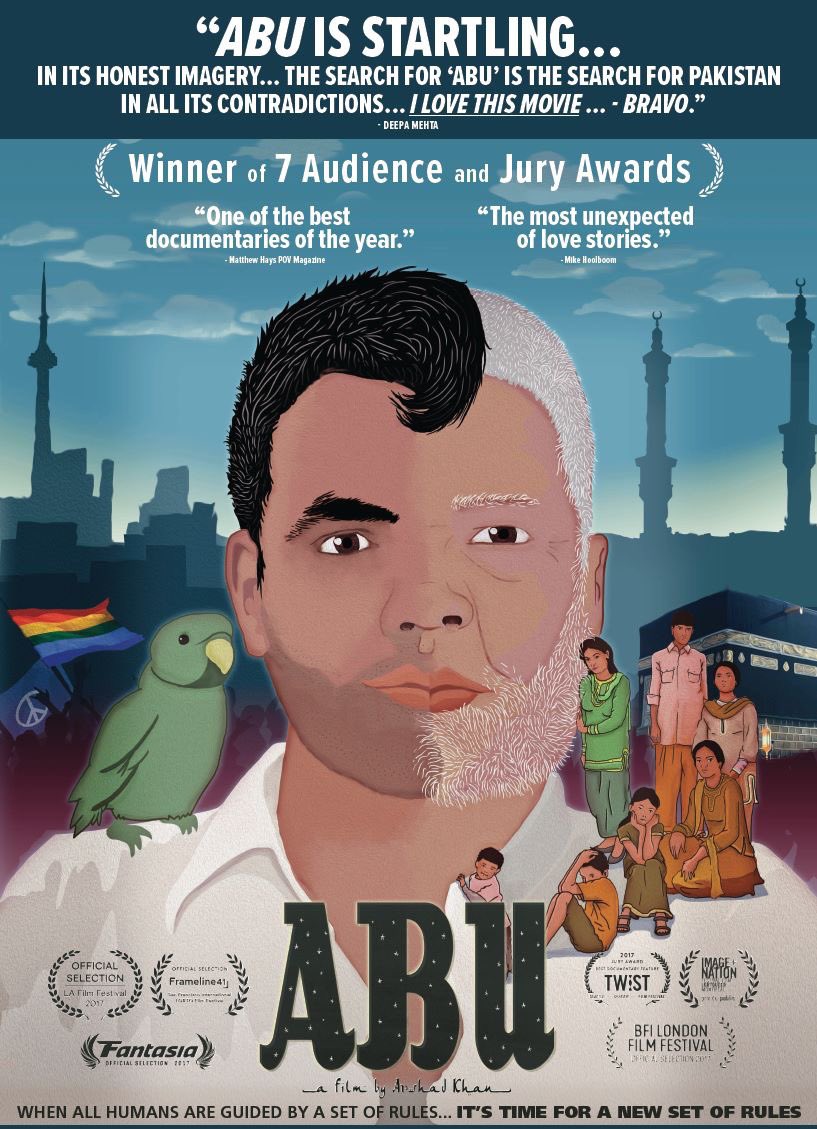
    Arshad Khan, a Pakistani-Canadian filmmaker and founder of Abu Films, has become a powerful voice in global cinema. His deeply personal work explores themes of migration, identity, sexuality, and the struggle of reconciling being gay with a devout Muslim upbringing.

    In this video interview with Xtra Magazine on Oct 14, 2017,, Khan reflects on his journey as a gay son navigating a difficult relationship with his Muslim father. His story is not only personal but also universal—echoing the experiences of countless gay men who face rejection, silence, or hostility within their families and communities.

    ▶️ Watch the video here:

    About Abu

    Khan’s acclaimed documentary Abu (2017) is a moving exploration of his family’s migration from Pakistan to Canada, his coming out journey, and the clash between tradition and modernity. The film has been screened at international festivals and praised for its honesty, vulnerability, and artistry.

    Through Abu, Khan not only tells his own story but also sheds light on the broader struggles of gay Muslims who are often caught between cultural expectations and personal truth.

    🎬 Abu Films: A Platform for Diverse Voices

    As the founder of Abu Films, Khan has dedicated himself to producing and supporting films that amplify underrepresented voices. His work emphasizes:

    • Gay narratives from South Asia and the diaspora
    • Immigrant experiences and the complexities of cultural identity
    • Challenging stereotypes about Muslims, Pakistanis, and gay people

    Arshad Khan’s films are more than art—they are acts of resistance. By telling stories that are often silenced, he creates space for dialogue, empathy, and change. His courage inspires gay Pakistanis and diaspora communities to embrace their identities and demand visibility.

    References & Links

    Arshad Khan’s journey reminds us that storytelling is one of the most powerful tools for change. By sharing his truth through Abu and Abu Films, he challenges prejudice, builds bridges, and ensures that gay Muslim voices are heard on the global stage.

  • Qasim Iqbal: Speaking Out on Islam and LGBTQI Rights in Pakistan

    Qasim Iqbal: Speaking Out on Islam and LGBTQI Rights in Pakistan

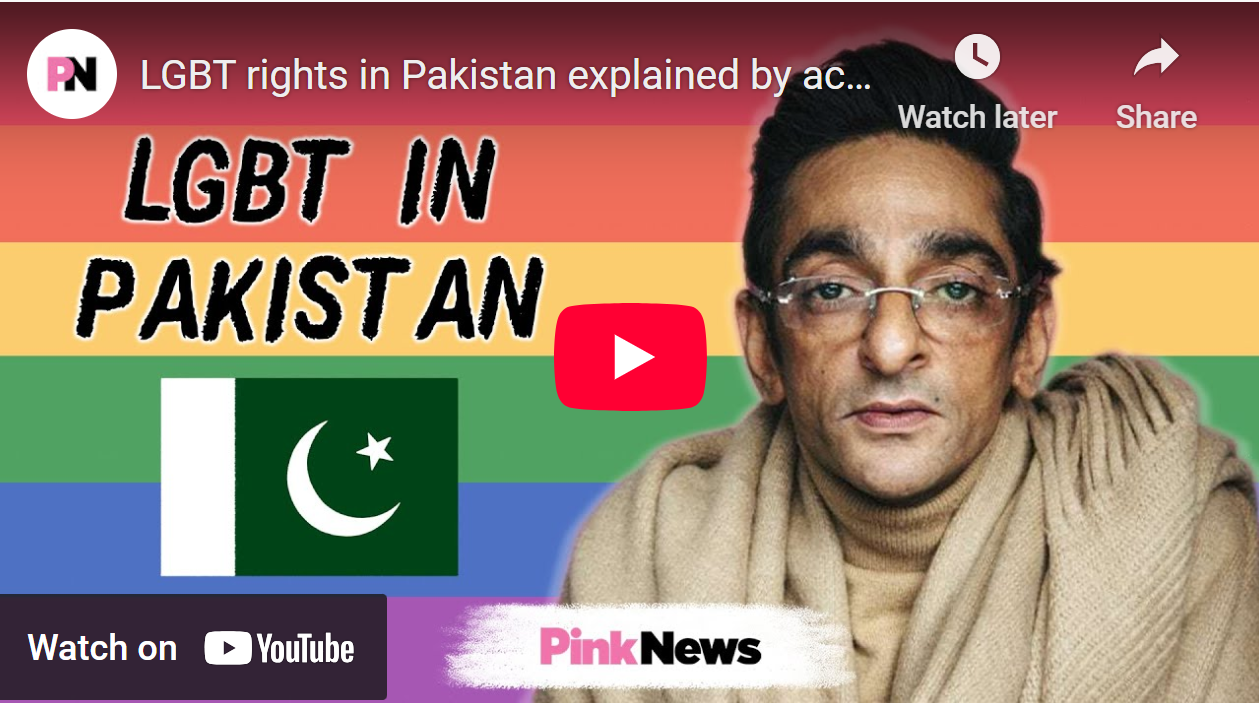
    In a country where LGBTQI voices are often silenced, Qasim Iqbal, a leading activist, has courageously spoken out about the realities faced by queer people in Pakistan. In this short but powerful video interview with PinkNews on Jun 4, 2020, he explains how laws, social stigma, and religious hate combine to make life unsafe for LGBTQI individuals.

    📢 Video Highlights

    • Criminalisation: Homosexuality remains illegal under Section 377 of the Penal Code, a colonial-era law still used to harass and intimidate.
    • Abuse of Power: Police and authorities exploit these laws to blackmail and extort LGBTQI people.
    • Social Stigma: Religious and cultural narratives fuel hate, forcing many into secrecy and isolation.
    • Resilience: Despite these challenges, activists like Qasim Iqbal continue to fight for dignity, equality, and recognition of LGBTQI rights as human rights.

    Qasim’s voice represents the lived reality of thousands of LGBTQI Pakistanis who cannot speak openly. His testimony is a reminder that our struggle is not invisible and that international solidarity is essential.

    You can watch the full interview here:
    LGBT rights in Pakistan explained by activist Qasim Iqbal (YouTube)

    📚 References & Further Reading

    Qasim Iqbal’s message is clear: LGBTQI rights are human rights. His courage in speaking out should inspire us all to continue raising awareness, challenging hate, and demanding equality in Pakistan and beyond.

  • اندرونِی جال و خاموشی: سلامتی کے ادارے پاکستان کی ہم جنس کمیونٹی کو کیسے نشانہ بناتے ہیں

    اندرونِی جال و خاموشی: سلامتی کے ادارے پاکستان کی ہم جنس کمیونٹی کو کیسے نشانہ بناتے ہیں

    ۵ اکتوبر ۲۰۲۵

    وہ کہانیاں جو ہم ہر روز سنتے ہیں

    پرائڈ پاکستان میں، ہمیں ہم جنس افراد کی جانب سے بے شمار پیغامات موصول ہوتے ہیں جنہوں نے ان لوگوں کے ہاتھوں ناقابلِ تصور زیادتی برداشت کی ہے جن کا کام ان کی حفاظت کرنا ہے۔ یہ کوئی الگ تھلگ کہانیاں نہیں ہیں. وہ ہانی ٹریپنگ، بلیک میل، جنسی زیادتی، جسمانی تشدد ، اور ایکسٹارشن کا ایک پریشان کن پیٹرن بناتی ہیں جو پاکستان کے ایف آئی اے، این سی سی آئی اے، پولیس، آرمی، اور انٹیلیجنس ایجنسیز سے منسلک افراد کے ذریعے انجام دی جاتی ہیں۔

    بہت سے متاثرین کے لیے، اس صدمے میں خاموشی کا اضافہ ہو جاتا ہے۔ خاندان اکثر ان سے لاتعلقی اختیار کر لیتے ہیں، معاشرہ انہیں قصوروار ٹھہراتا ہے، اور ریاست ان کے وجود کو ہی کریمینلائز کرتی ہے۔ یہ آرٹیکل ان آوازوں کے لیے وقف ہے، ان لوگوں کے لیے جنہوں نے خاموشی سے تکلیف سہی، جو ابھی بھی ٹریپڈ ہیں، اور جو مزاحمت جاری رکھے ہوئے ہیں۔

    پولیس پر مشتمل ہانی ٹریپ سکینڈلز

    لاہور اور راولپنڈی میں، پولیس افسران سمیت متعدد گینگز کو ہانی ٹریپ سکیمیں چلانے کے الزام میں گرفتار کیا گیا۔ متاثرین کو سوشل میڈیا کے ذریعے لالچ دیا جاتا تھا، نجی فلیٹس میں بلایا جاتا تھا، پھر ان پر حملہ کیا جاتا، ان کی فلم بنائی جاتی، اور بلیک میل کیا جاتا تھا۔ ایک کیس میں، ۵۰ سے زیادہ متاثرین کی شناخت ہوئی، جن کی فحش ویڈیوز کو بے نقاب کرنے کی دھمکی دے کر پیسے بٹورنے کے لیے استعمال کیا گیا۔

    بلال اسلم کا کیس (پنجاب پولیس)

    حال ہی میں، ایک متاثرہ شخص نے پرائڈ پاکستان سے رابطہ کیا اور پنجاب پولیس میں ایک حاضر سروس افسر، بلال اسلم کی شناخت کی، جو ہم جنس کمیونٹی کے ارکان کو جنسی زیادتی اور بلیک میل کر رہا ہے۔ زندہ بچ جانے والے افراد رپورٹ کرتے ہیں کہ انہیں بے نقاب کرنے کی دھمکی کے تحت جنسی زیادتی پر مجبور کیا گیا، اور ان کے خلاف جھوٹے مقدمات درج ہونے سے روکنے کے لیے پیسوں کا مطالبہ کیا گیا۔ یہ کیس واضح کرتا ہے کہ قانون نافذ کرنے والے اداروں کے اندر موجود افراد کس طرح کمزور کمیونٹی کے ارکان کا شکار کرنے کے لیے اپنے آتھارٹی کا استحصال کرتے ہیں۔

    ہم جنس مردوں کی منظم ہراسانی

    تحقیق سے پتہ چلتا ہے کہ پاکستان میں ہم جنس مردوں کو معمول کے مطابق وربَل ہَراسمنٹ، جنسی زیادتی ، اور بلیک میل کا سامنا کرنا پڑتا ہے، اکثر ایسے لوگوں کی طرف سے جو آتھارٹی کی پوزیشنوں پر فائز ہوتے ہیں۔

    قانون کا بطور ہتھیار استعمال

    پینل کوڈ کی دفعہ ۳۷۷، جو ہم جنس تعلقات کو کریمینلائز کرتی ہے، کو پولیس اور ایجنسیاں اکثر مقدمہ چلانے کے لیے نہیں بلکہ ایل جی بی ٹی کیو+ افراد کو دھمکانے، پسے حتیانے، اور خاموش کرانے کے لیے استعمال کرتی ہیں۔

    جس بھی شخص کو ٹریپ کیا گیا، زیادتی کیا گیا، یا بلیک میل کیا گیا: آپ کا درد حقیقی ہے، آپ کی کہانی اہمیت رکھتی ہے، اور آپ اکیلے نہیں ہیں۔

    ہم جانتے ہیں کہ ایسے صدمے کے بعد رابطہ کرنے کے لیے کتنی حمت کی ضرورت ہوتی ہے۔ بہت سے زندہ بچ جانے والے شرم، خوف اور ناامیدی کے جذبات کو بیان کرتے ہیں۔ لیکن ہمیں واضح ہونے دیں: شرم مجرموں کی ہے، آپ کی نہیں۔

    کمیونٹی ممبرز کے لیے حفاظتی رہنمائی

    آن لائن سیفٹی

    • اپنی شناخت اور مقام کی حفاظت کے لیے ایک وی پی این استعمال کریں۔
    • ملنے سے پہلے رابطوں کی ویریفائی کریں—پہلے ویڈیو کال کریں۔
    • انٹیمیٹ فوٹوز یا ذاتی تفصیلات کا اشتراک کرنے سے گریز کریں۔
    • ریڈ فلیگز پر نظر رکھیں: رازداری، جلدی ملنے کا دباؤ، شناخت ظاہر کرنے سے انکار۔

    آف لائن سیفٹی

    • پہلے عوامی مقامات پر ملیں۔
    • علیحدہ فلیٹس یا دور دراز علاقوں سے گریز کریں۔
    • اپنے مقام کی اطلاع کسی بھروسہ مند دوست کو دیں۔
    • اپنی انسٹنکٹس پر بھروسہ کریں اور اگر کچھ غیر محفوظ محسوس ہو تو وہاں سے چلے جائیں۔

    ہمارا مطالبہ ہے کہ:

    • حکومتِ پاکستان سلامتی کے اداروں کے اندر موجود افراد، بشمول بلال اسلم، جو زیادتی اور بلیک میل میں ملوث ہیں، کی تفتیش کرے اور ان پر مقدمہ چلائے۔
    • بین الاقوامی انسانی حقوق کی تنظیمیں بشمول ایمنسٹی انٹرنیشنل، ہیومن رائٹس واچ، اور یو این ہیومن رائٹس کونسل، پاکستان پر دباؤ ڈالیں کہ وہ ان طریقوں کو ختم کرے اور ایل جی بی ٹی کیو+ شہریوں کی حفاظت کرے۔
    • گلوبل ایلائیز ان کہانیوں کو ایمپلیفائی کریں تاکہ خاموشی مجرموں کو تحفظ فراہم کرنا جاری نہ رکھے۔

    حوالہ جات اور رپورٹس

    لاہور: ہانی ٹریپ سکینڈل میں پولیس افسران سمیت سات گرفتار – پاکستان – آج انگلش ٹی وی

    لاہور پولیس افسران، خواتین کو مردوں کو ہانی ٹریپ کرنے، فحش ویڈیوز فلم کرنے پر گرفتار کیا گیا

    اَبیوز اور وائلنس ایکسپیرینسڈ بائی گے مین لیونگ اِن پاکستانی کلچرل کَنٹیکسٹ

    سلامتی کے اداروں کی جانب سے پاکستان کی ہم جنس کمیونٹی کو نشانہ بنانا محض ہراسانی نہیں ہے—یہ اسٹیٹ-اینیبلڈ وائلنس ہے۔ ہر کہانی جو ہمیں موصول ہوتی ہے وہ تبدیلی کی فوری ضرورت کی یاد دہانی ہے۔

    ہماری کمیونٹی سے: محفوظ رہیں، مضبوط رہیں، اور جان لیں کہ آپ اکیلے نہیں ہیں۔ دنیا سے: نظریں نہ پھیریں۔