History is often written by the victors, but for the LGBTQI community in Pakistan, history is written by the brave. While our roots in South Asia stretch back centuries, from the revered status of Khwaja Siras in Mughal courts to the fluid expressions of love in Sufi poetry, modern political “visibility” has a specific, painful, and powerful starting point: November 2009.
On November 10, 2009, a small but historic gathering took place in Karachi. Reported by BBC Urdu, this event marked one of the first times a group of gay Pakistani men chose to step into the public eye to discuss their rights and identity. In a society where Section 377 (a remnant of British colonial law) and social taboos enforced a life of absolute secrecy, this meeting was an act of revolution.
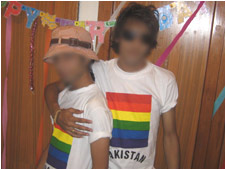
The BBC article, titled “Gay in Karachi,” captured a community at a crossroads. Participants spoke about the “underground” nature of their lives, the use of early internet chat rooms to find one another, and the deep desire to be seen as equal citizens of Pakistan.
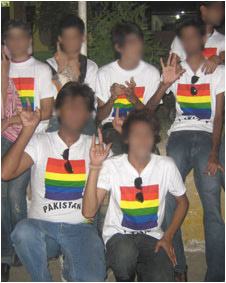
Visibility in Pakistan has always come with a heavy price. During this 2009 activity, participants were acutely aware of the danger; every person involved hid their face. They used masks, scarves, or remained in the shadows during photography and filming to protect their identities from a society that was not yet ready to accept them.
The aftermath of this public activity was a stark reminder of the risks of activism. Following the publication of the report and the buzz it created:
- Targeted Threats: Many participants began receiving direct threats as their identities were pieced together by relatives or neighbors.
- Going Underground: Several activists were forced to leave their homes immediately, moving to different cities within Pakistan to escape recognition.
- The Path of Exile: For many, even moving cities wasn’t enough. To stay safe and live authentically, a significant number of the pioneers of that 2009 activity eventually had to leave Pakistan altogether, seeking asylum in countries where they could live without the constant fear of violence.
This small Karachi gathering acted as a catalyst. Shortly after, between 2009 and 2011, the first clandestine queer organizations (often referred to by pseudonyms like “P” and “M” in academic research) began to form in Lahore and Karachi. These groups moved from mere social gatherings to advocacy, even as they navigated a landscape that grew more complex with events like the 2011 US Embassy Pride social, which sparked nationwide conservative protests.
We include this story in our History archive because Pride in Pakistan didn’t start with a parade; it started with a few brave souls in a room in Karachi, faces covered, hearts open, demanding to be heard. We honor those who were forced into hiding or exile so that today, we can continue the work of building a Pakistan where no one has to hide their face again.
References & Further Reading:
- BBC Urdu (2009): کراچی کے ’گے‘: ’ہم بھی انسان ہیں‘
- ResearchGate: Queer Pakistan (2009-2012 Historical Context)
Leave a Reply